Go on then, how many speed cameras would you guess are active across England?
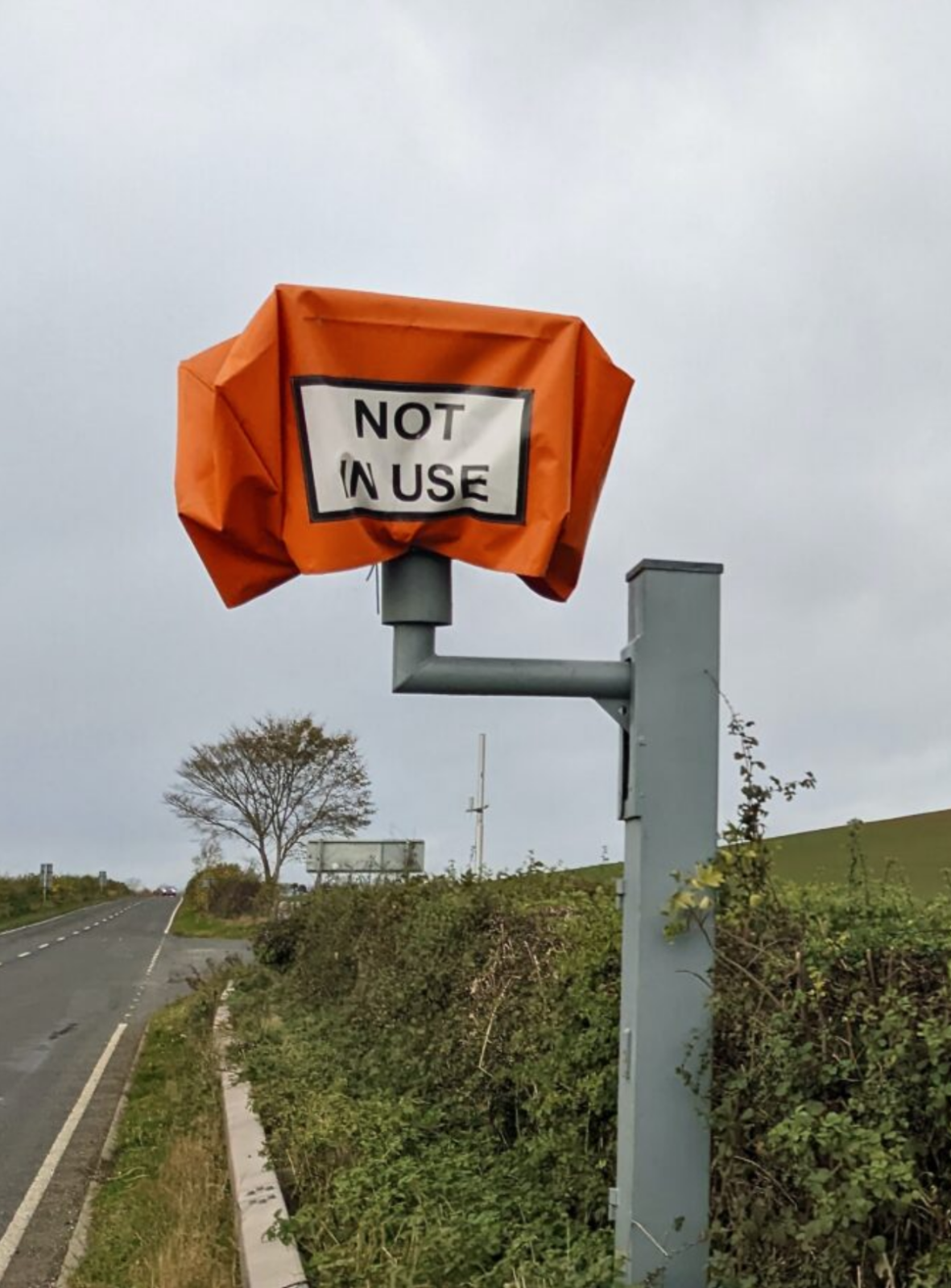
Well, shocking new research study has found that 46% of speed cameras in England may not even be operational, reports The Manc.
It's all according to freedom of information requests (FOI) answered by 25 out of 44 UK police forces.
This equates to almost half of all the speed cameras currently on England's roads.
The research - which comes from dash camera manufacturer, Road Angel, and is all according to freedom of information requests (FOI) answered by 25 out of 44 UK police forces - found that, despite the fact most motorists will immediately adjust and lower their speed the second we see a bright yellow speed camera, we probably don't need to do so as there's nearly a 50% chance the camera's not even working anyway.
When it comes to the areas of England where the least speed cameras are in operation, Northamptonshire has come out on top, as the research found that all eight fixed speed cameras in the region were inactive.
Derbyshire has more fixed speed cameras out of action than any other region (93), with only 20 of the 113 across the county capable of catching speeding motorists.
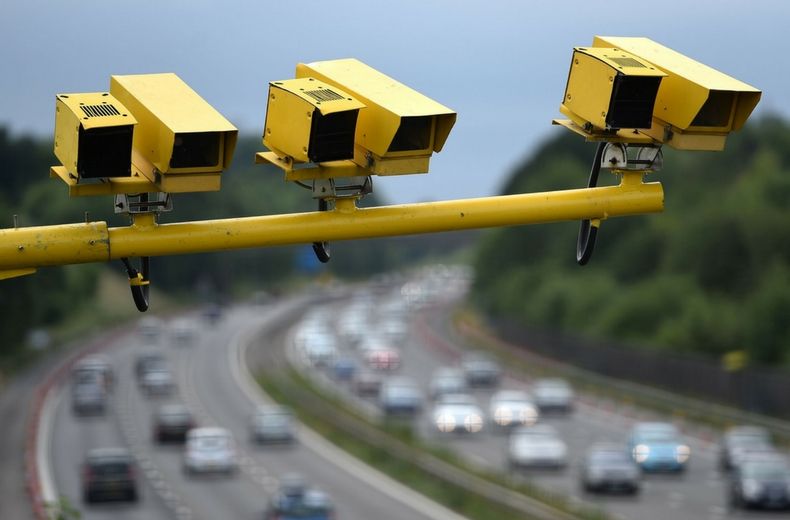
New study finds almost half of all speed cameras in England are inactive / Credit: The AA | Josh Turpie (via Unsplash)
Along with Derbyshire, Essex (110), and Devon and Cornwall (110), are the regions with the highest number of fixed speed cameras - however, each region currently has at least 40% incapable of catching speeding drivers.
Staggeringly, only two police forces that responded to the FOI request had all speed cameras working.
At the other end of the spectrum, all speed cameras in Suffolk are operational, with the next best region being the West Midlands - which currently has only 5% of its speed cameras standing inactive, meaning that 62 out of 65 devices are currently operational.
"If a camera is inactive and remains so for many months or even years at a time then it begs the question, why is it there?," Road Angel founder, Gary Digva, commented on the findings from the new research study.
"Yes, it may still play a part in encouraging traffic to slow down, but it could also act to distract drivers and potentially cause an accident.
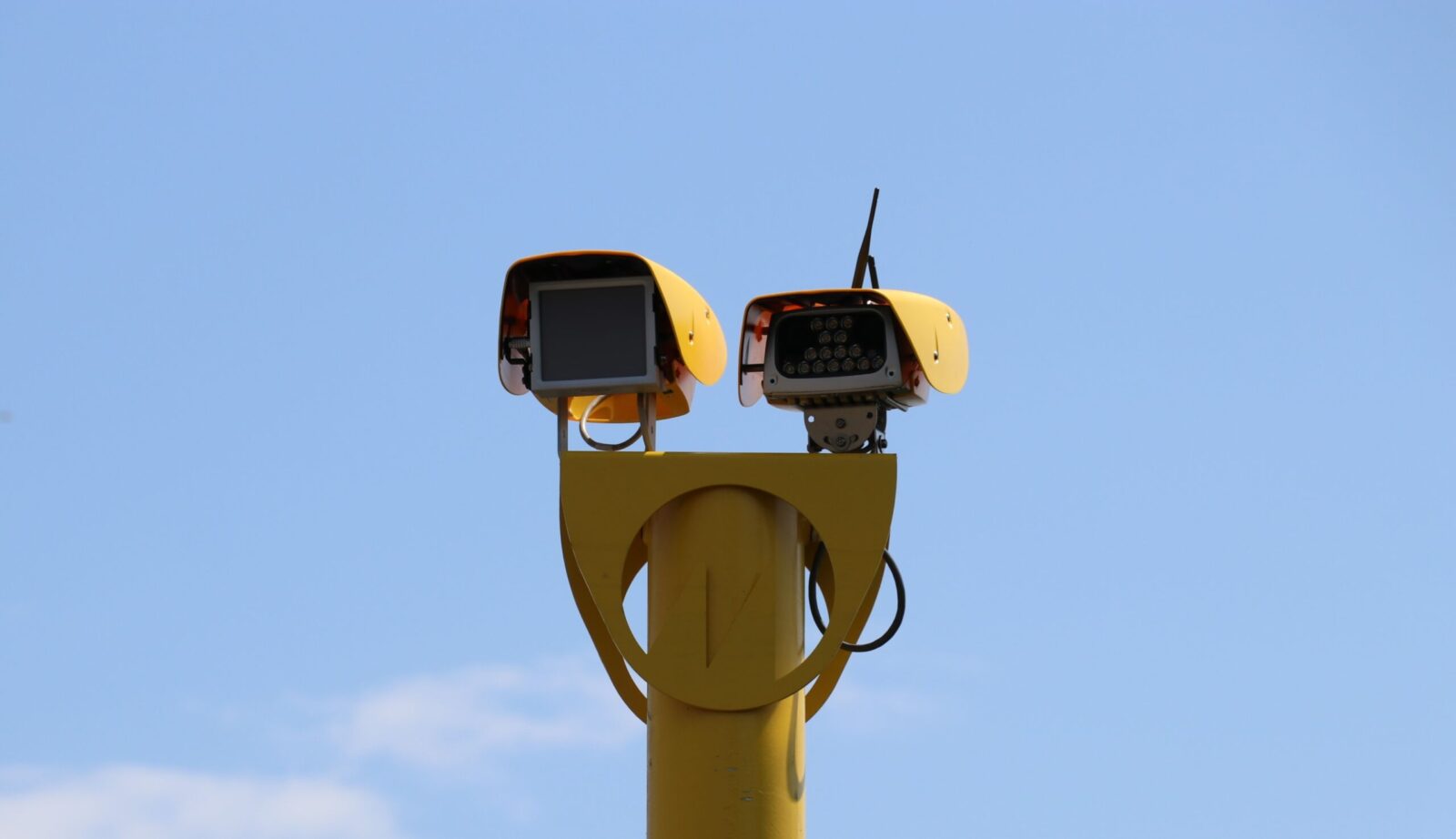
It's all according to freedom of information requests (FOI) answered by 25 out of 44 UK police forces / Credit: Jenoptik & TfGM
"Our view is that if cameras are present then drivers should be able to feel assured that they are working. If they are non-operational then they should be removed, and that is why we are calling on police forces and local authorities across the country to carry out an audit of cameras and remove any non-operational devices as quickly as possible."
Speeding drivers were warned they’re more likely get caught, as although these new 'spot speed' VECTOR-SR cameras - which are developed by Jenoptik, and have been funded through the Mayor’s Challenge Fund (MCF) - are are also painted an eye-catching bright yellow and will be in operation 24/7 like the speed cameras were all familiar with, they do work slightly differently.
Unlike older-style cameras, these new ‘ultra’ speed cameras don’t require painted lines on the road, and also use infra-red low-light technology - which means they no longer ‘flash’ at speeding drivers.
Featured Image - The RAC
Trending
Major plans announced for Leeds Christmas Markets 2026 – food, drinks, stalls and more
Leeds Christmas Markets is returning to the city centre in just two months' time and some major plans and changes have been announced.
Although Pop Princess Zara Larsson might want us to believe "Summer isn't over yet", it's safe to say that the recent downpours we've had across West Yorkshire disagree.
Leeds Christmas Markets are also ringing in the new season with a jam-packed video posted to social media announcing all the current plans and changes for its 2026 schedule.
This year, outdoor events company Thor’s Tipi are stepping up as the all-new operators of this Christmastime spectacular and are organising a celebration where 'even if you’re not from Yorkshire, you’re going to leave being from Yorkshire'.
Leeds Christmas Markets are returning to Leeds City Square from Thursday 19 November with plenty of Yorkshire-centric stalls / Credit: The Hoot Leeds
Although Leeds locals already know that Yorkshire is 'God's Own Country', the Leeds Christmas Markets team are making sure that the county is represented through its food, drinks and wider stalls.
In a video uploaded to its social accounts, foodie expert and Little Bao Boy Founder James 'Jimmy Chews' Ooi was given the honour of revealing all these exciting plans.
Informing everyone that "You best come hungry", Ooi noted that some of the phenomenal vendors taking part include La Grassa and The Savvy Baker.
Real Markets Yorkshire and Stump Cross Caverns are also getting into the Christmas spirit and setting up their own stalls at Leeds City Square this November.
La Grassa is just one of many familiar foodie faces returning to Leeds Christmas Markets / Credit: The Hoot Leeds
Rated restaurants and bars are contributing to the festive frenzy too, like Cabaret Thursdays at Italian restaurant Bibi's and beer garden destination Green Room are hosting singalongs at Leeds Christmas Markets.
There will be plenty of activities for families happening all around the unofficial capital of West Yorkshire like elf-themed scavenger hunts, various elves on various shelves and lots of live music.
If it wasn't apparent already, in the words of Jimmy Chews himself, there's about to be "So much Christmas that Mariah Carey is going to look like the Grinch".
Leeds Christmas Markets are returning to Leeds City Square from Thursday 19 November and there will be plenty of exciting announcements to the upcoming celebrations ahead of the big day.
Aldi has announced a ‘special’ 62-hour closure of all its 1,000+ stores across UK
Emily Sergeant
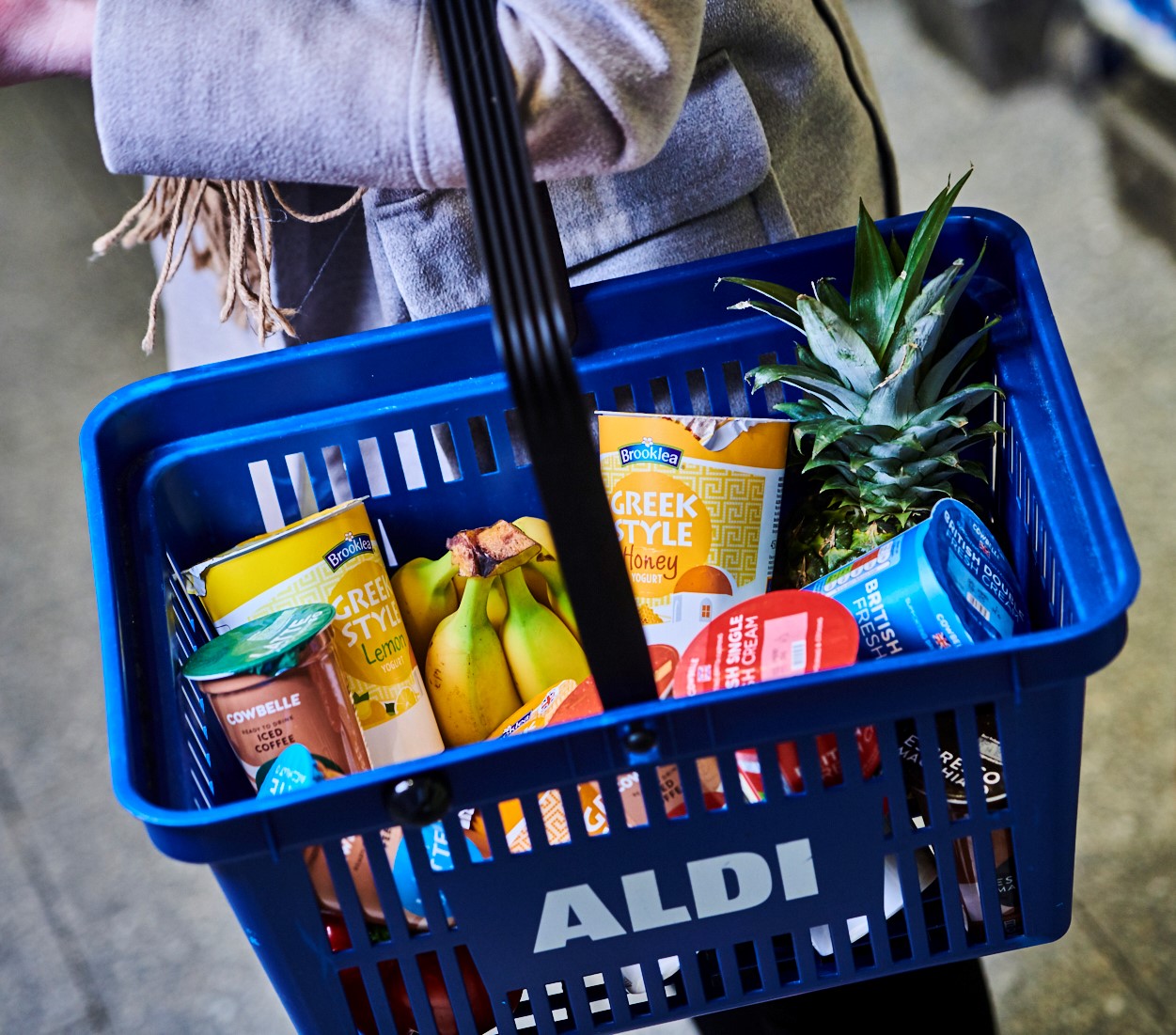
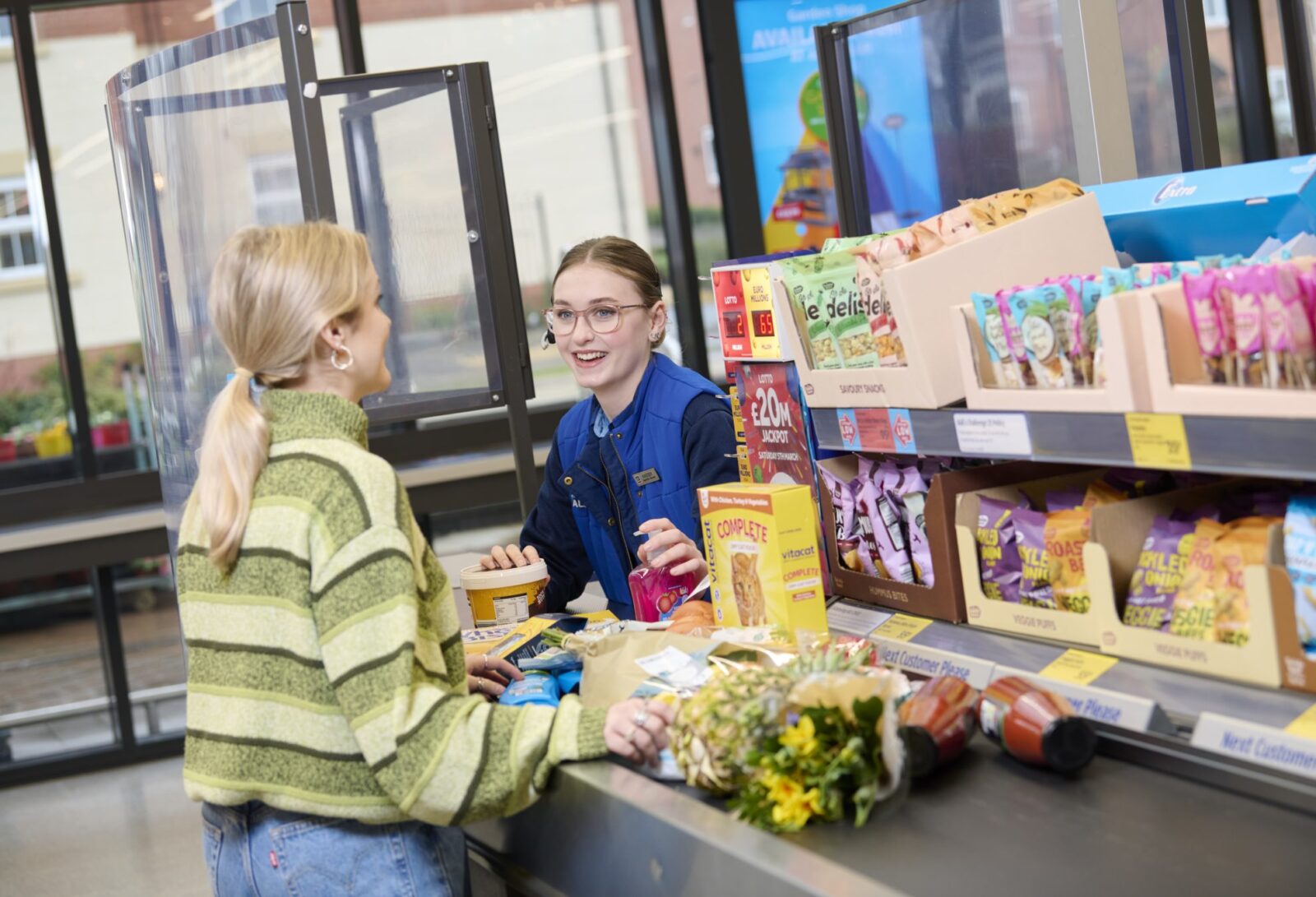
Aldi has confirmed it'll be closing the doors of all of its stores across the UK for 62 hours this year.
Christmas is always known to be one of the busiest periods of the year for the retail industry, and Boxing Day has a reputation for being the ultimate day for shopping deals and discounts in the UK - but this year, just like it has done on several years in the past, Aldi has made the decision to close all of its stores nationwide on this bank holiday.
The supermarket retailer says it wants to thank its colleagues 'for all their hard work' throughout the year by giving them some extra time to spend with their families.
This means that all Aldi stores will be closed on both 25 and 26 December.
That's not all though, as stores will also be closed on New Year’s Day, and will reopen once again on Saturday 2 January 2027.
Aldi has announced a 'special' 62-hour closure of all its UK stores / Credit: Aldi UK
Opening hours at different Aldi stores across the UK will vary in the lead-up to Christmas, so it's important to check the times for your local store, but the retailer has confirmed that most branches will be operating extended hours to 'ensure customers can stock up ahead of the big day'
In the interim period between Christmas and New Year, stores will reopen as usual on Sunday 27 through to Wednesday 30 December, with reduced hours also likely on Sunday and New Year's Eve.
Speaking on the decision to shut up shop for a full 62-hour period this festive season, Rachel Geary, who is the Communications Director at Aldi UK, said: "Christmas is a special time for our customers, but it is also one of the busiest periods of the year for our teams.
"Our colleagues work incredibly hard to ensure customers can pick up everything they need ahead of the big day.
"We never take that effort for granted. Closing our stores on Boxing Day is one way of saying thank you and giving colleagues a proper chance to rest, switch off and spend more time with the people closest to them."

 Emily Sergeant -
20th December 2023
Emily Sergeant -
20th December 2023