The Spike Reportwas designed by two students from the University of Leeds and has already received over 160 reports of drink spiking and injectations.
After a reported increase in drink spiking and injections, affecting a disproportionate number of women on nights out, two Leeds students have created an innovative way of measuring reports.
The Spike Report is a community-led spiking database designed "to help keep you and your mates safe" by The Egalitarian, a gender equality publication.
The easy-to-navigate website allows anyone to report their experience of drink spiking and their experience, including the location in which the incident happened, in order to help others make informed choices about where they feel safe.
Writers from The Egalitarian, Elysia O'Neill and Della Claydon, felt it was important for others to know where these drink spiking incidents are taking place so that others can make informed choices.
They noted that there was nothing like this in place and started what they believe to be the first Spike Report in the UK.
"After recent incidents, we realised there was no viewable database on spikings in the UK. You can report an incident to the police, but you can’t view what others have reported."
The database has already received over 160 reports from varying locations in the UK, but largely within the north of England.
Reports are kept anonymous online to protect the identity of those reporting a spiking incident, but names and emails are retained to verify accounts.
Words of solidarity have flooded in online for those that have shared their stories on the platform:
"These break my heart because so many of them end in someone questioning themselves and whether it really happened. We've literally been taught to take responsibility for someone else's actions and shamed into gaslighting ourselves. These kinds of stories are so powerful".
The Spike Report comes after Leeds students made national headlines by organising Girls Night In, a protest against drink spiking and violence on nights out.
As a result of the protest, bars and clubs around Leeds city centre have changed their security policies to increase searches and create a safer environment for everyone.
The Spike Report will continue to track incidents, but they also hope to hold virtual events online in the future.
It is hoped that by giving a voice to those affected by drink spiking, the public will be able to identify if someone has been subjected to this crime and help to prevent incidents from occurring in the future.
To view the anonymous submissions or report a spiking incident, the page can be found on The Egalitarian here.
Leeds legend Kevin Sinfield is set to take on his seventh and final 7 in 7 challenge this month.
The former Leeds Rhinos captain will begin 7 in 7: The Grand Finale next Sunday 27 September.
Wondering what on earth that is? Allow us to fill you in.
Sinfield will be running an ultra-marathon every day for seven days, and this time it's across the north of England including a special stop off right here in Leeds.
Not only that, but the challenge will bring Sinfield back to some of the places that have played a huge part in his rugby league career.
The route will visit all 12 English Betfred Super League grounds, starting at Hull KR before travelling through Yorkshire and eventually crossing the Pennines towards Manchester where Sinfield is from.
Here in Leeds, we can expect Sinfield to arrive at Headingley Stadium on Wednesday 30 September at 11:14am, before leaving towards Pudsey Civic Hall at 11:40am.
The challenge will then finish at Old Trafford on Saturday 3 October, where Sinfield will arrive ahead of the Super League Grand Final.
Since the first annual challenge back in 2020, Kevin Sinfield and his team have raised over £11 million for the MND community with six charities set to benefit once again from this years fundraising.
It's an amazing challenge for an amazing cause, and you can donate and find out more about the challenge here.
Good luck Kevin and the team, we know you'll smash it.
Fences at Leeds Playhouse – walls, wounds and what we leave behind | Review
Declan Kelly
Leeds Playhouse delivers a powerful story about the walls we build.
August Wilson’s Fences is a powerful and deeply personal family drama, exploring race, fatherhood, ambition and the emotional scars that can be passed from one generation to the next.
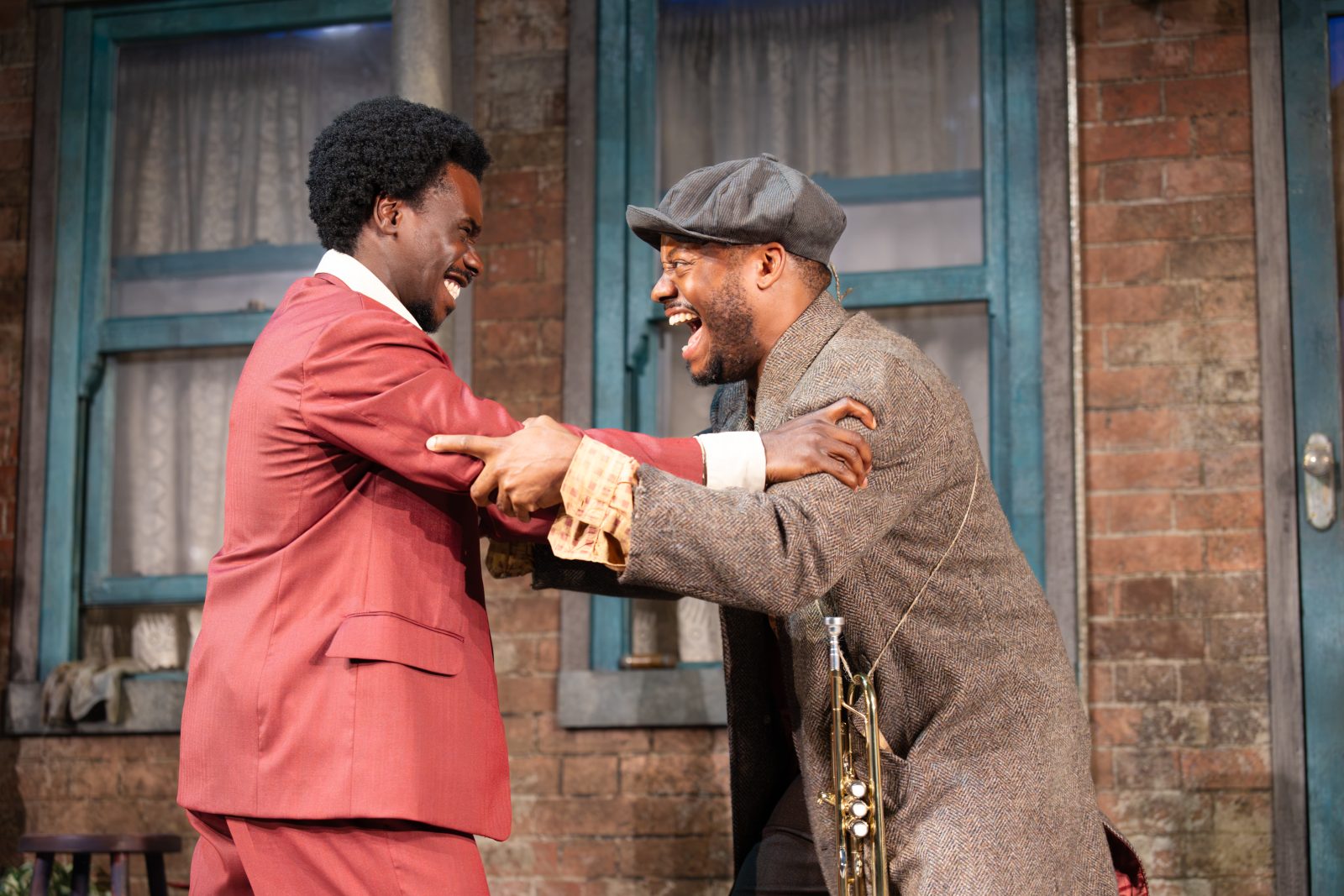
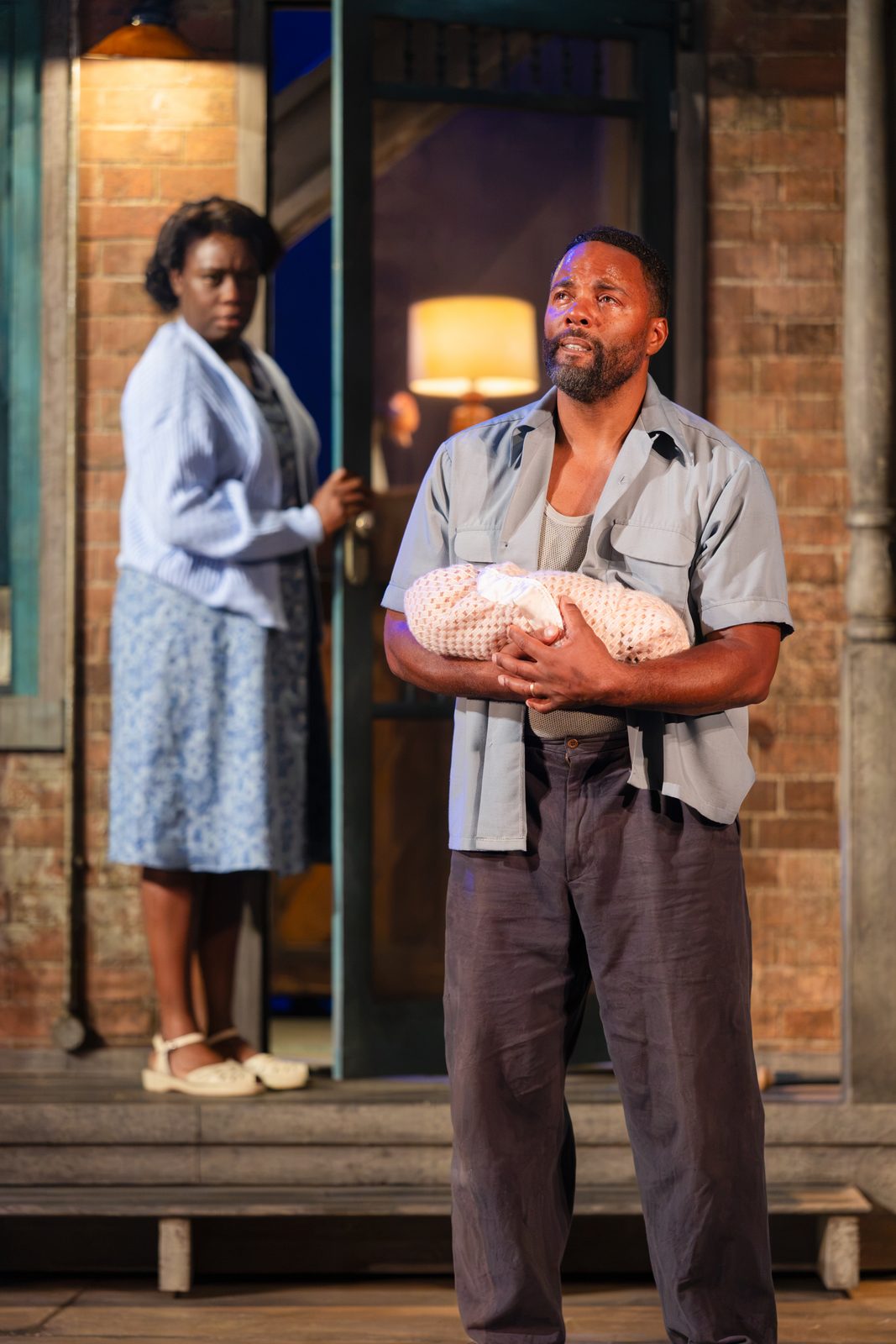
At Leeds Playhouse, the strength of the production lies largely with its cast. Ray Fearon gives Troy Maxson a commanding presence, balancing humour and charm with a growing sense of anger and resentment. It is an uncomfortable performance at times, but one that keeps you invested in Troy even when his actions become increasingly difficult to accept.
Madeline Appiah brings real warmth and emotional depth to Rose, while Josh Tedeku captures Cory’s frustration as a young man determined to make his own way rather than inherit his father’s limitations.
Image: Supplied
For me, though, Act 2 is where the production really comes alive.
The first half feels comparatively restrained. That isn't necessarily a criticism of the performances or Wilson's writing, but having experienced previous Headlong productions, I went in expecting a little more theatrical imagination from the staging. There were moments where I felt the production could have pushed the material further visually.
Act 2 begins to deliver that.
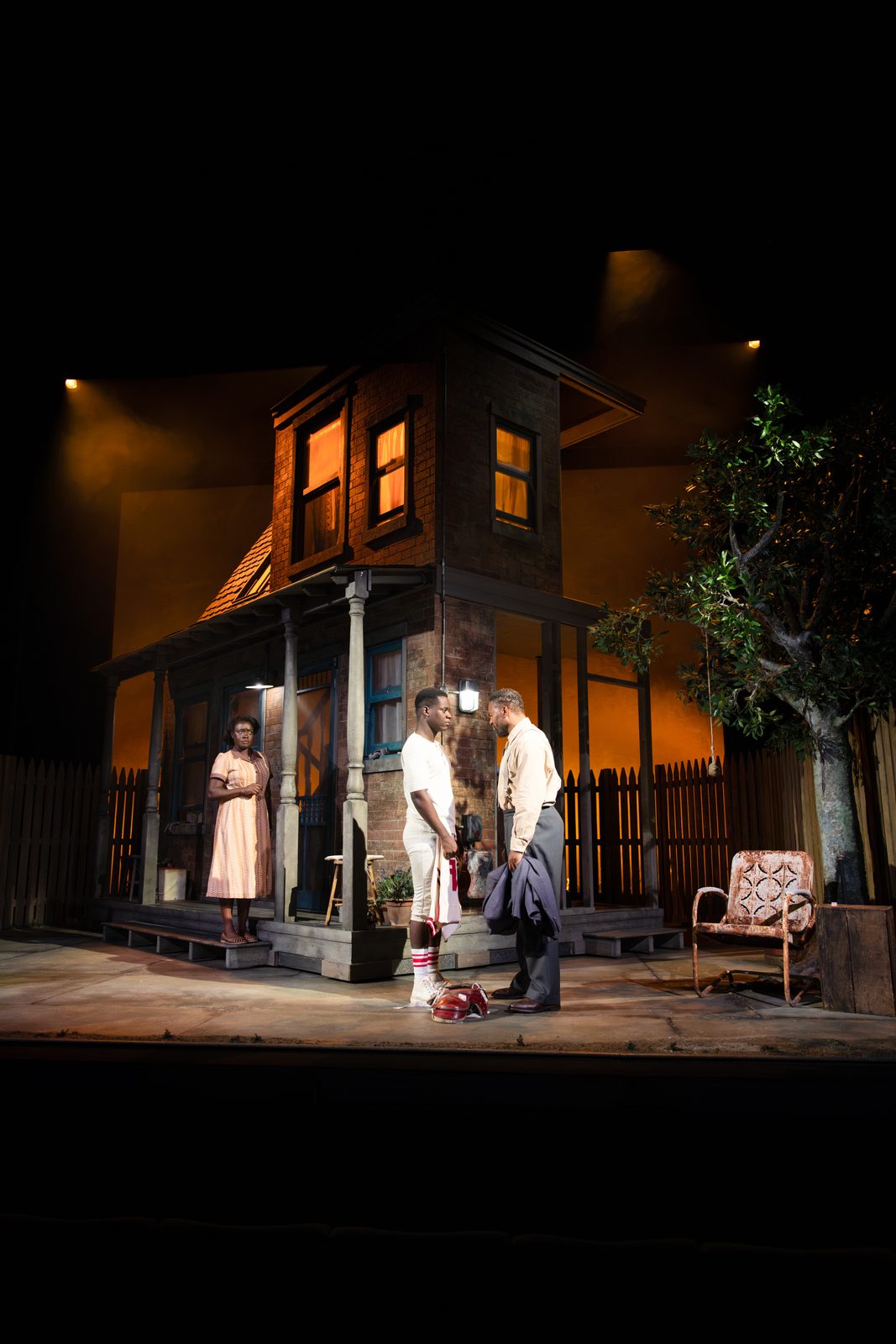
The rotating set adds movement and energy, while the bright LED lighting works particularly well with the live music, creating a more heightened atmosphere as the family's tensions reach breaking point. The production suddenly feels more visually ambitious, and the design starts to work hand-in-hand with the emotional journey of the characters.
Images: Supplied
The fence itself is an effective recurring image, initially a practical task, but gradually becoming a representation of Troy's need for control, protection and separation. The more the story unfolds, the more the fence feels like a barrier between Troy and the people he loves.
There is a lot to admire here, particularly in the performances, and Wilson's writing remains as relevant and affecting as ever. However, I couldn't help feeling that some of the theatrical ambition found in Act 2 could have been introduced earlier.
Ultimately, Fences is a moving and thought-provoking evening, with a particularly strong second half. For me, it was Act 2 that turned a solid production into a genuinely memorable one.
Running until 23 September at Leeds Playhouse, get your tickets here.

 Sophie Smith -
8th November 2021
Sophie Smith -
8th November 2021