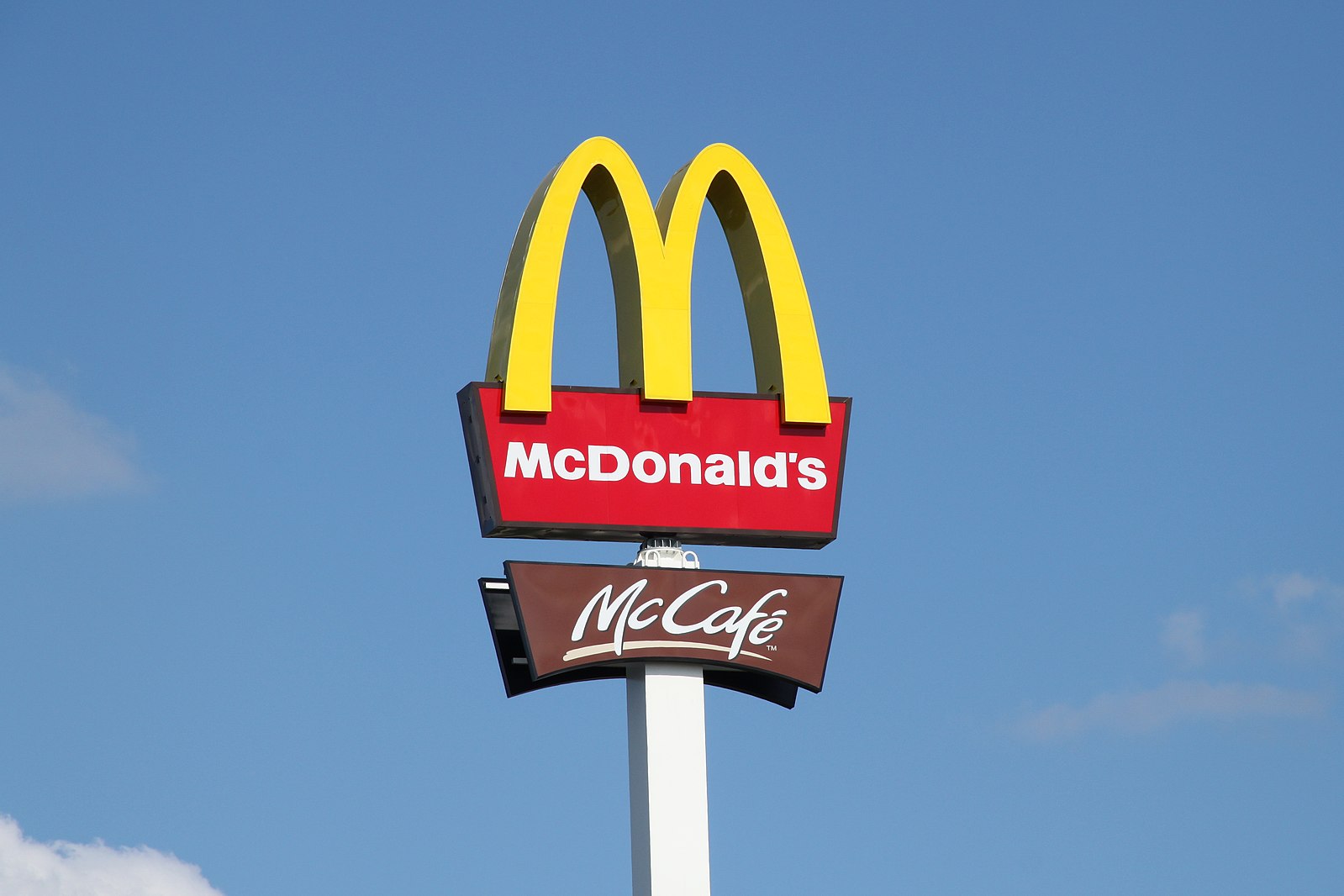
McDonald's has revealed this afternoon that it will permanently quit Russia over the war in Ukraine.
The company has said it will be selling off its locations in the country and 'de-Arching' the new owners, citing the ongoing 'humanitarian crisis' caused by the conflict.
McDonald's has said that its position in Russia is ‘no longer tenable, nor is it consistent with McDonald’s values', reports The Manc.
Whilst many companies have announced temporary sanctions on Russia. this move by McDonald's makes it one of just a handful of global brands to permanently pull out of the country in protest of the war.
When bosses initially shut down operations on 8 March following the initial invasion, the measures were only intended to be temporary.
In spite of this, it has emerged that McDonald's still plans to look after its 62,000 Russian staff and has promised that they will continue to have jobs with the stores' new owners as part of any future deal.
The company has also pledged to keep paying its Russian staff until new agreements are signed.
CEO Chris Kempzcinski said that the Russian staff's dedication and loyalty to McDonald’s 'make today’s announcement extremely difficult', adding that he was ‘exceptionally proud’ of them.
‘However, we have a commitment to our global community and must remain steadfast in our values.
‘And our commitment to our values means that we can no longer keep the Arches shining there.’
By writing off all of its assets in Russia, the company will instantly lose £1.2 billion, it said in a statement, adding that it expects ‘significant losses’ as it also has to sell all of its assets in roubles.
In a private document obtained by The New York Times, Mr Kempzcinski admitted the move would have ‘profound consequences’ on employees, franchises and suppliers.
He said: "Some might argue that providing access to food and continuing to employ tens of thousands of ordinary citizens is surely the right thing to do.
"But it is impossible to ignore the humanitarian crisis caused by the war in Ukraine.
"And it is impossible to imagine the Golden Arches representing the same hope and promise that led us to enter the Russian market 32 years ago."
He reportedly added: "In the history of McDonald’s, it was one of our proudest and most exciting milestones.
"After nearly half a century of Cold War animosity, the image of the Golden Arches shining above Pushkin Square heralded for many, on both sides of the Iron Curtain, the beginning of a new era."
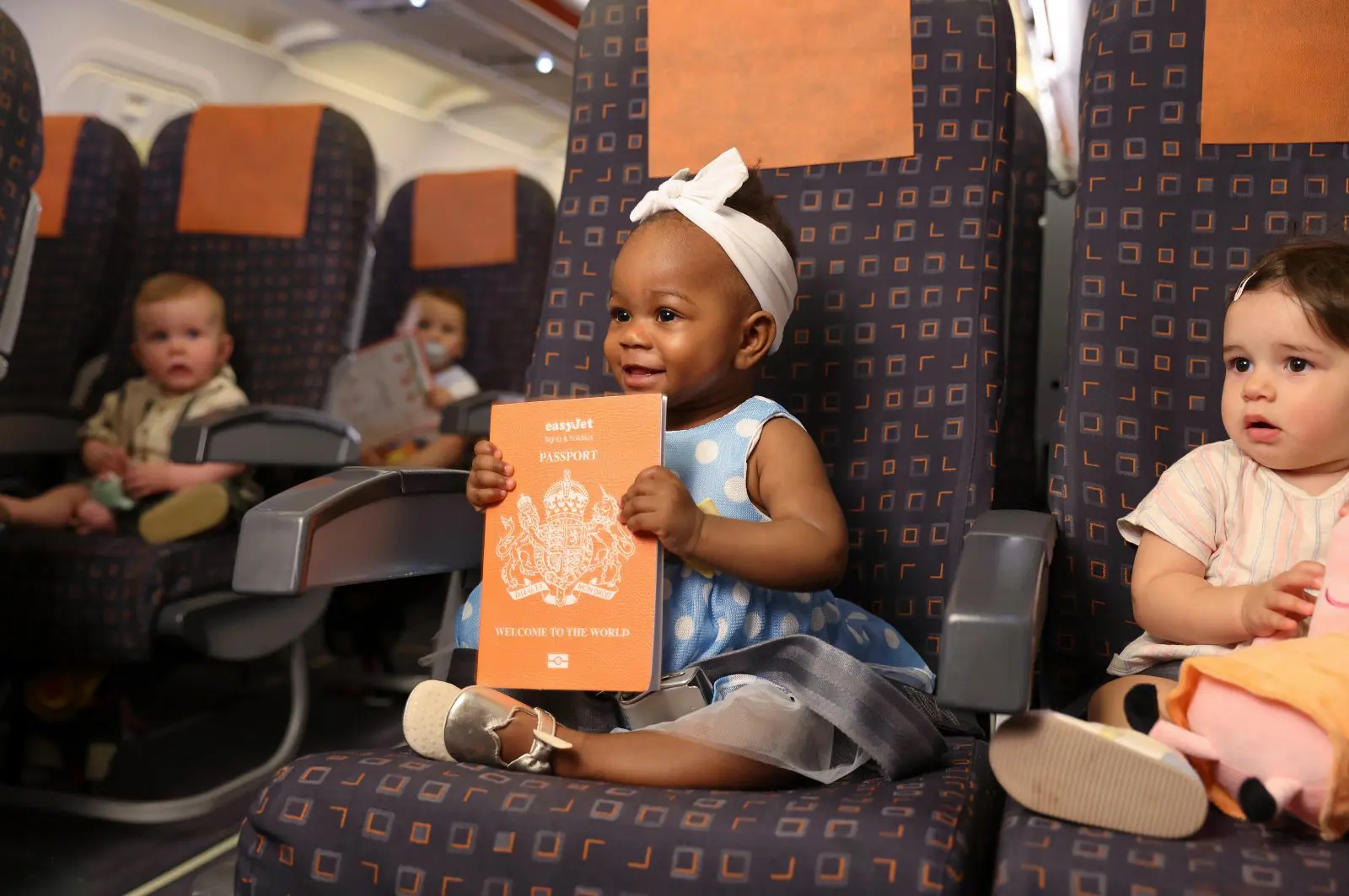
EasyJet has announced a new scheme where the airline will cover the cost of a baby’s first passport, allowing young families to take those memorable first holidays.
The company has announced that it will pay for a child’s passport (£66.50) when parents book an EasyJet holiday, making it a little easier to start those travel adventures sooner.
Research conducted by the airline and easyJet Holidays has found that 75% of parents agree the move would make a holiday with a baby feel a bit more affordable.
Their surveys also found that four in five parents believe a baby’s first holiday is a landmark family moment, and more than half called it one of their proudest parenting milestones.
But parents also said that they needed an average of four attempts to get an approved passport photo of their baby (have you tried making a newborn follow instructions…?).
easyJet holidays has reported – even this early in the year – a 10% increase in infants travelling this year compared to 2025.
And now, the thought of a holiday with your newborn is more tempting than ever, with the offer to get a free passport for your baby from easyJet.
To claim it, and save £66.50, you can use the code FIRSTPASSPORT until 26 November – find out more HERE.
easyJet Captain Kate West, said: “We carry millions of families across Europe every year, and we know that travelling with a baby brings a whole series of exciting firsts.
“We want to make travel as easy and accessible as possible for everyone, including young families, so they can enjoy all the experiences and memories that travel can bring.
“We hope that covering the cost of a baby’s first passport goes a small way towards making that first family adventure a little easier and gives our youngest travellers a warm welcome to the world.”
Stuart Wright, Customer Director at easyJet holidays, said: “Travel has a unique way of bringing families together, and a baby’s very first holiday is often one of those moments parents remember for years to come.
“By covering the cost of a baby’s first passport, we’re helping more families start making those memories that little bit sooner.”
Sheffield shortlisted in the final four to be UK City of Culture 2029
Clementine Hall
Sheffield has been shortlisted to be the UK City of Culture 2029.
It's great news for Sheffield, as the city has made it into the final four to be considered as the UK City of Culture for 2029.
Sheffield is included alongside Blackpool, Milton Keynes and Wrexham.
All four cities will now receive £125,000 to move forward with their bids, with £10 million going to the overall winner.
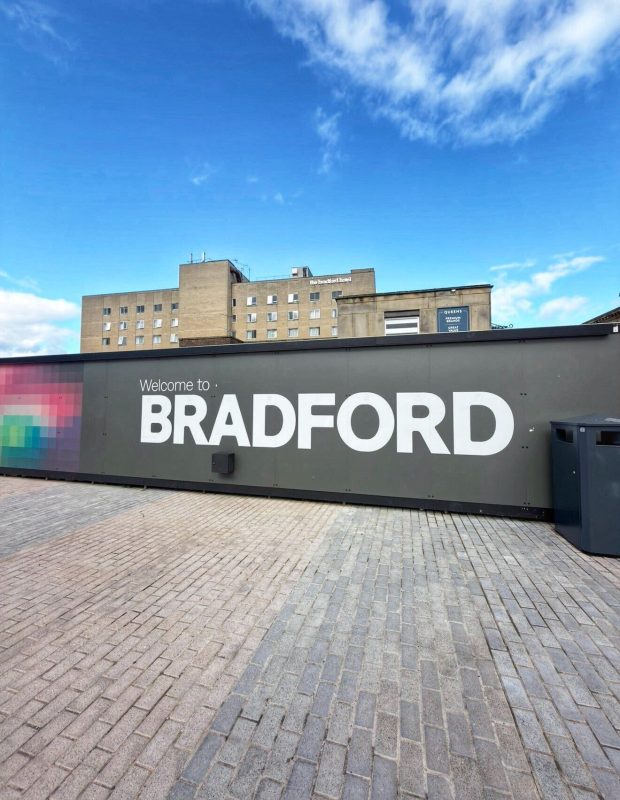
The title is currently held by Bradford, and is awarded every four years.
The brilliant news follows months of work by partners, cultural organisations, artists, communities, businesses and residents from across the city, who have come together behind a shared vision for Sheffield's cultural future.
Image: The Sheff
Sheffield's bid celebrates the city's rich industrial heritage and reputation as a place where creativity thrives.
The next step? Each shortlisted city will welcome the expert panel of judges and present their proposals, before the eventual winner of UK City of Culture 2029 is announced in early 2027
Cllr Fran Belbin, Leader of Sheffield City Council, said: "Being shortlisted for UK City of Culture 2029 is fantastic news for Sheffield and a proud moment for everyone who has helped shape our bid.
"Sheffield is a city built on creativity, innovation and community spirit. From our world-renowned music heritage and vibrant independent arts scene to our festivals, libraries, theatres, museums, galleries and grassroots creativity, culture is part of who we are.
"This recognition reflects the incredible talent, energy and ambition that exists across our city. We look forward to taking our bid to the next stage and continuing to showcase everything that makes Sheffield such a special place."
Surriya Falconer, Chair of Sheffield Culture Collective, said: "Sheffield has the expertise, capability and ambition to deliver a programme that engages and benefits all communities.
"Our city has immense cultural capital and a rich heritage spanning the full spectrum of creative endeavour, making a significant contribution to our economy, our wellbeing and the quality of our lives."

 Georgina Pellant -
16th May 2022
Georgina Pellant -
16th May 2022