Yesterday, the Prime Minister made an announcement that Plan B restrictions introduced in England to combat the Delta variant would be coming to an end.
Measures being stopped include advice to work from home and the requirement to wear face masks in crowded indoor public settings, including for children within schools.
But what are the restrictions ending in England from today? Here's everything you need to know.
For the first time since Plan B measures were were introduced in England back in mid December 2021 in a bid to curb the spread of the Omicron variant, staff across the country who were able to work from home have now been told they can return to office settings “from now on”, and schoolchildren and teachers will no longer need to wear face coverings in classrooms.
The immediate lifting of these measures was announced by Prime Minister Boris Johnson to MPs in the House of Commons yesterday, and confirmed by Health Secretary Sajid Javid in a later Downing Street news conference.
While an end to the guidance to work from home was said to be expected immediately following reports, the Department for Education’s decision to, as the PM stated, “remove national guidance on their use in communal areas,” did however come as a surprise to many.
The Prime Minister also crucially announced in his statement to MPs yesterday that all Plan B restrictions in England would be lifted on 27 January, and that the legal requirement for people with COVID-19 to self-isolate would be allowed to lapse when those regulations expired on 24 March, but that date could be brought forward.
This means that from next Thursday (27 January), the wearing of face masks on public transport, in supermarket and retail settings, in communal areas of schools, and “most public indoor venues” will not be required.
You’ll also no longer need to show your NHS COVID Pass at venues and events by law.
While the government says it is still recommending they are worn in “crowded and indoor spaces where you may come into contact with people you do not normally meet”, Mr Johnson said it’s time to “trust the judgment” of the British public when it comes to face masks.
He told MPs yesterday: “In the country at large, we will continue to suggest the use of face coverings in enclosed or crowded spaces, particularly when you come into contact with people you don’t normally meet, but we will trust the judgment of the British people and no longer criminalise anyone who chooses not to wear one.”
He also said in his statement that we can expect restrictions on visits to care homes to be eased shortly too, with Health Secretary Sajid Javid said to be setting out plans “in the coming days”.
The Prime Minister said the decision to legally lift all Plan B restrictions on 27 January comes after Omicron cases were seen to be falling across the UK, and on the basis that he believes the wave had likely peaked nationally.
According to the Office for National Statistics (ONS), the highest number of new cases reported on a single day during the current wave was 218,724 on 4 January, but the body said COVID infection levels have now fallen in most parts of the UK for the first time since early December, and official figures showed that only 108,069 positive cases of COVID-19 and 359 COVID-related deaths were recorded in the latest 24-hour period as of 9am on Wednesday, which suggests that the peak may have passed.
Mr Johnson suggested he would start treating COVID more like the flu, saying: “There will soon come a time when we can remove the legal requirement to self-isolate altogether, just as we don’t place legal obligations on people to isolate if they have flu.
“As COVID becomes endemic, we will need to replace legal requirements with advice and guidance, urging people with the virus to be careful and considerate of others.”
He said the government would set out its long-term strategy for “living with COVID”.
While the decision to lift Plan B restrictions may have please a number of the Prime Minister’s Tory backbenchers amid the ongoing ‘partygate’ scandal and growing pressures for him to resign, a number of senior medics, however, have criticised the decision and said it’s “not guided by data”.
Dr Chaand Nagpaul – Chair of the British Medical Association (BMA) Council – said scrapping the measures at such a fast pace “risks creating a false sense of security” while the NHS is still under crippling pressure
Matthew Taylor – Chief Executive of the NHS Confederation representing health bodies – also cautioned that now “is not the time for complacency about this virus”.
Featured Image – Flickr | Unsplash
Leeds
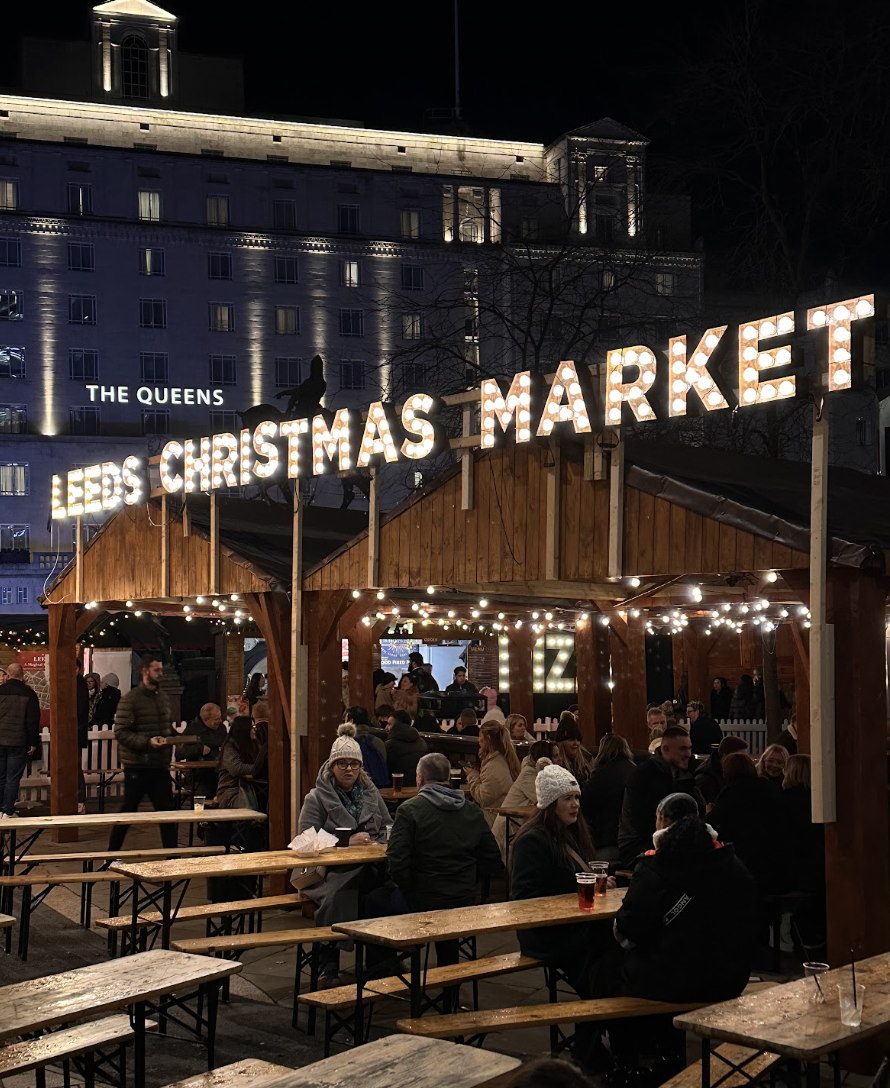
Everything you need to know about the Leeds Christmas Markets 2026
Leeds Christmas Markets is returning to the city centre in just a weeks time, and we've got everything you need to know.
This year, the markets are looking a little bit different than before as outdoor events company Thor’s Tipi have stepped up as the all-new operators of this Christmastime spectacular.
They're organising a market where 'even if you’re not from Yorkshire, you’re going to leave being from Yorkshire'.
Although Leeds locals already know that Yorkshire is 'God's Own Country', the Leeds Christmas Markets team are making sure that the county is represented through its food, drinks and wider stalls.
So, let's get into it...
Opening dates and timings
The Leeds Christmas Markets will kick off from Thursday 19 November and run until Wednesday 23 December. So that's almost five weeks of festivities flooding the city, and plenty of time for you to make the most of it.
The markets will be open 7 days a week, the exact timings are:
Trader Village & Leeds Street Food
Sunday-Wednesday: 10:30am-7pm
Thursday-Saturday: 10:30am-8pm
THOR’S Highland Lodge & Folié Ski Bar
Sunday-Tuesday: 11am-9pm
Wednesday-Saturday: 11am-11pm
Images: The Hoot Leeds
Locations
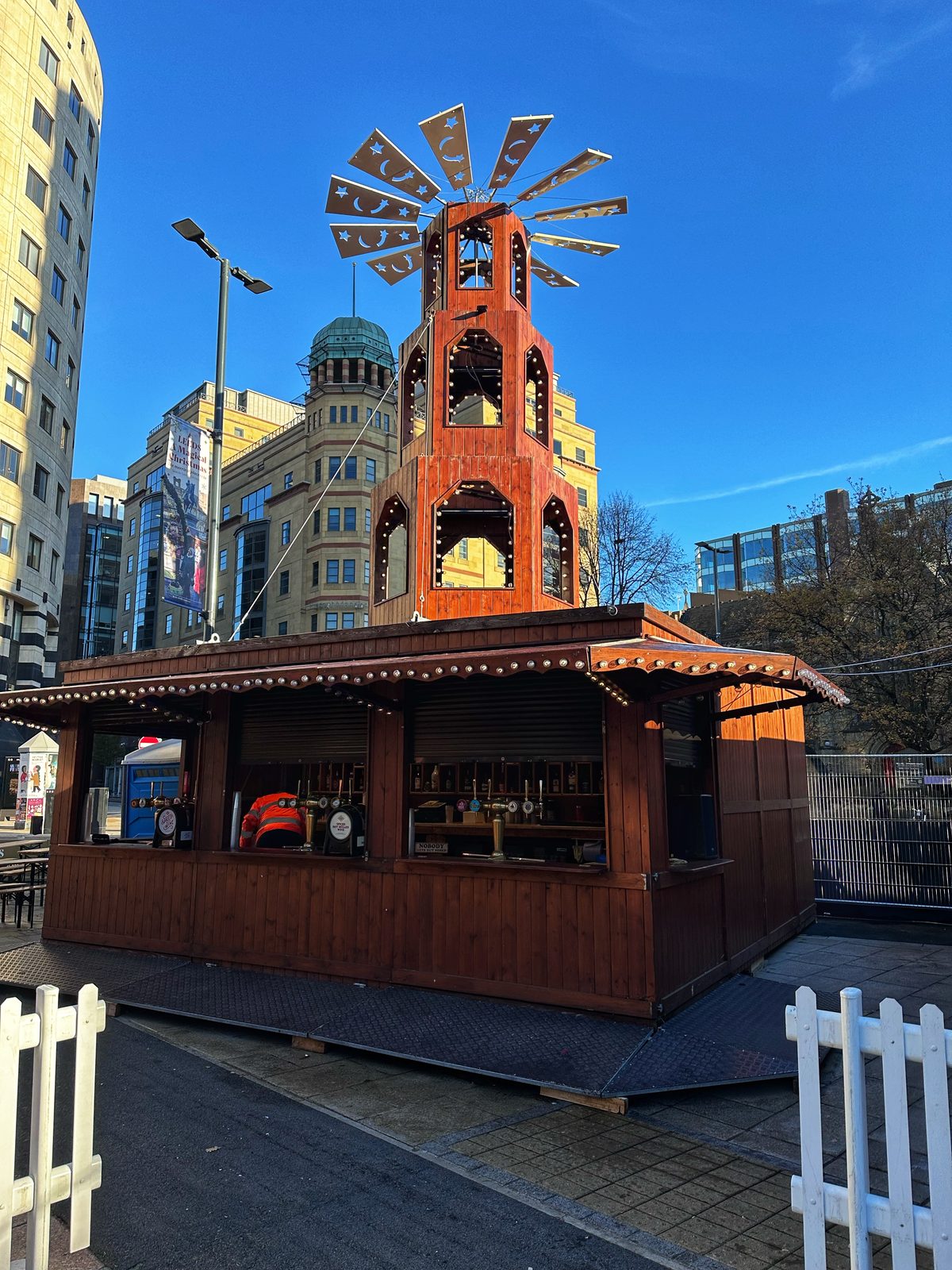
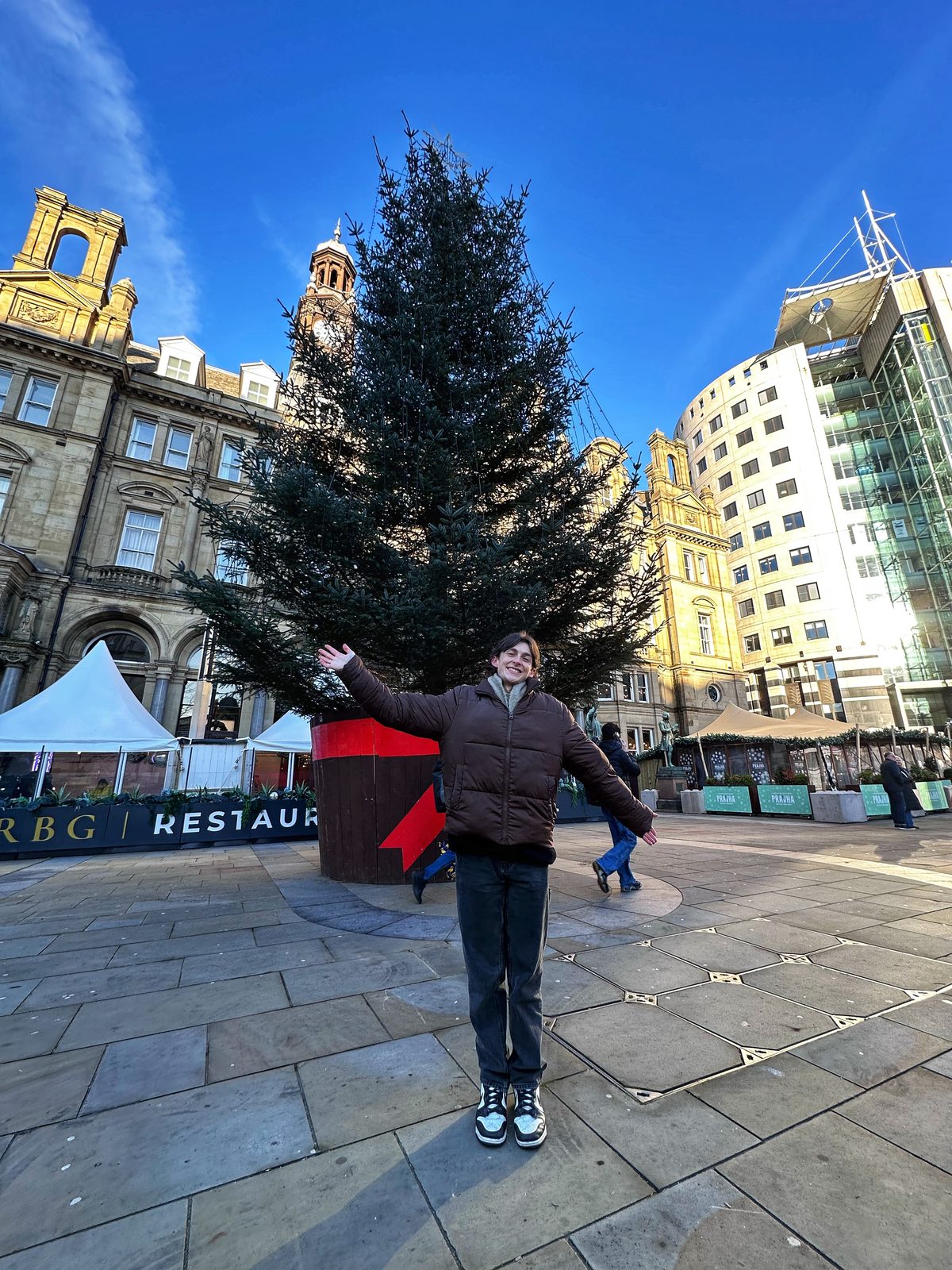
The main stalls and street food will be located at City Square, here you will also find the main Christmas tree and two THOR's bars.
Ice Cube at Millennium Square will also be making a return, here you'll find rides, an ice rink and more food and drink. This is separate to what is being run by THOR's this year, though.
There will be plenty of other festive activities taking place throughout the city throughout November and December, you can find out more and view the Leeds Christmas map here.
Food
Okay, now we can get onto the good stuff.
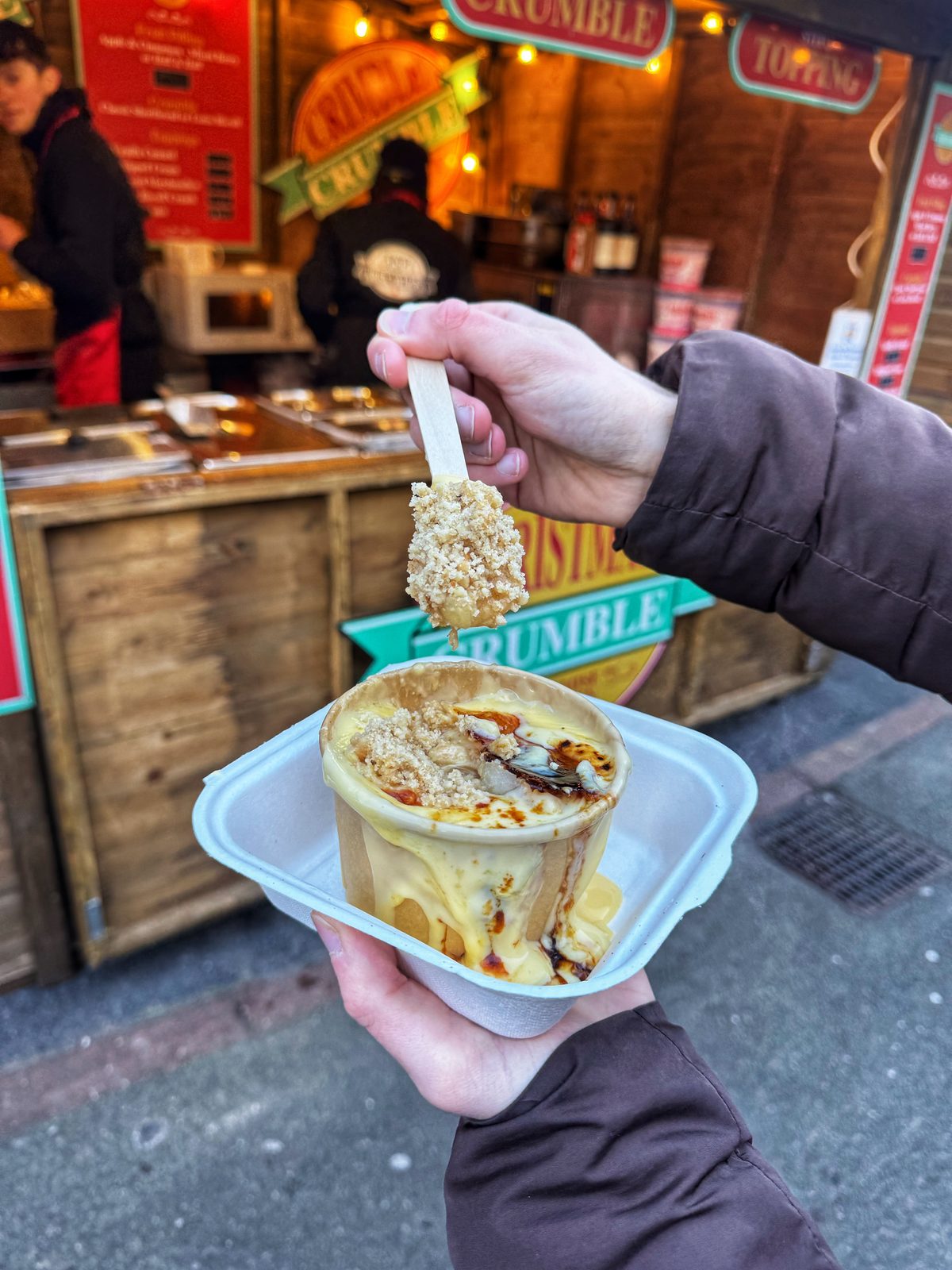
We all know that the highlight of the markets is the food, and this year there's going to be more independent and local trader than ever before.
Images: The Hoot Leeds
From Leeds' very own Italian street food restaurant Stuzzi to homemade mini tiramisu drawers, you're going to want to arrive feeling very peckish at these markets that's for sure.
The current full list of street food vendors at City Square is as follows:
Cut & Craft (steak and chips)
Beth Bakes Cakes (hot chocolate fudge cake)
Misu Tiramisu (mini tiramisu drawers)
Crumble pots (crumble)
La Grassa (Italian-American sandwiches)
Chocolate Circus (stacked hot chocolates)
Stuzzi (Italian street food)
Street Kings Bratwurst (traditional bratwurst)
Johnsons' Toffee (homemade toffee and fudge)
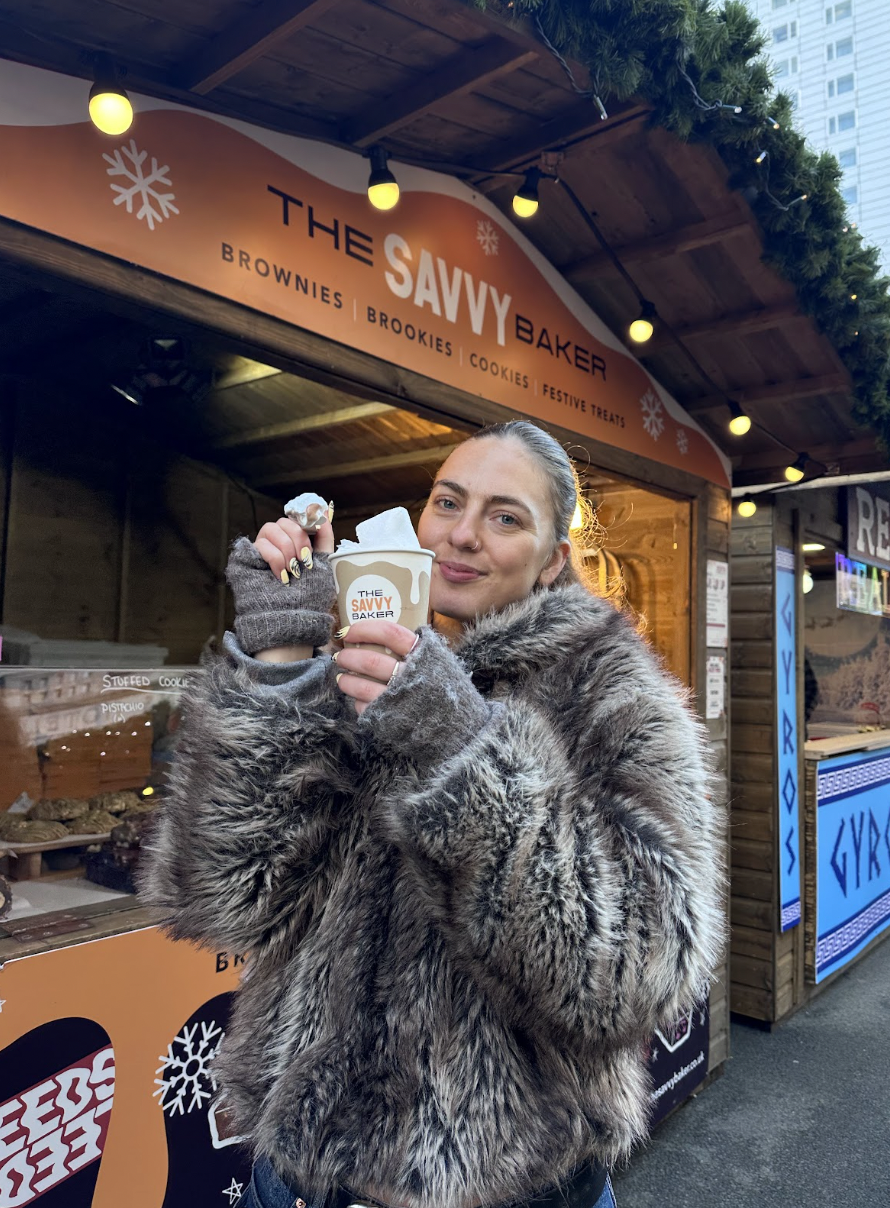
The Savvy Baker (sweet treats and hot cookie dough)
Irish spice bags
Churros
Drink
Closely following behind food, a good old tipple is what many of us venture to the markets for.
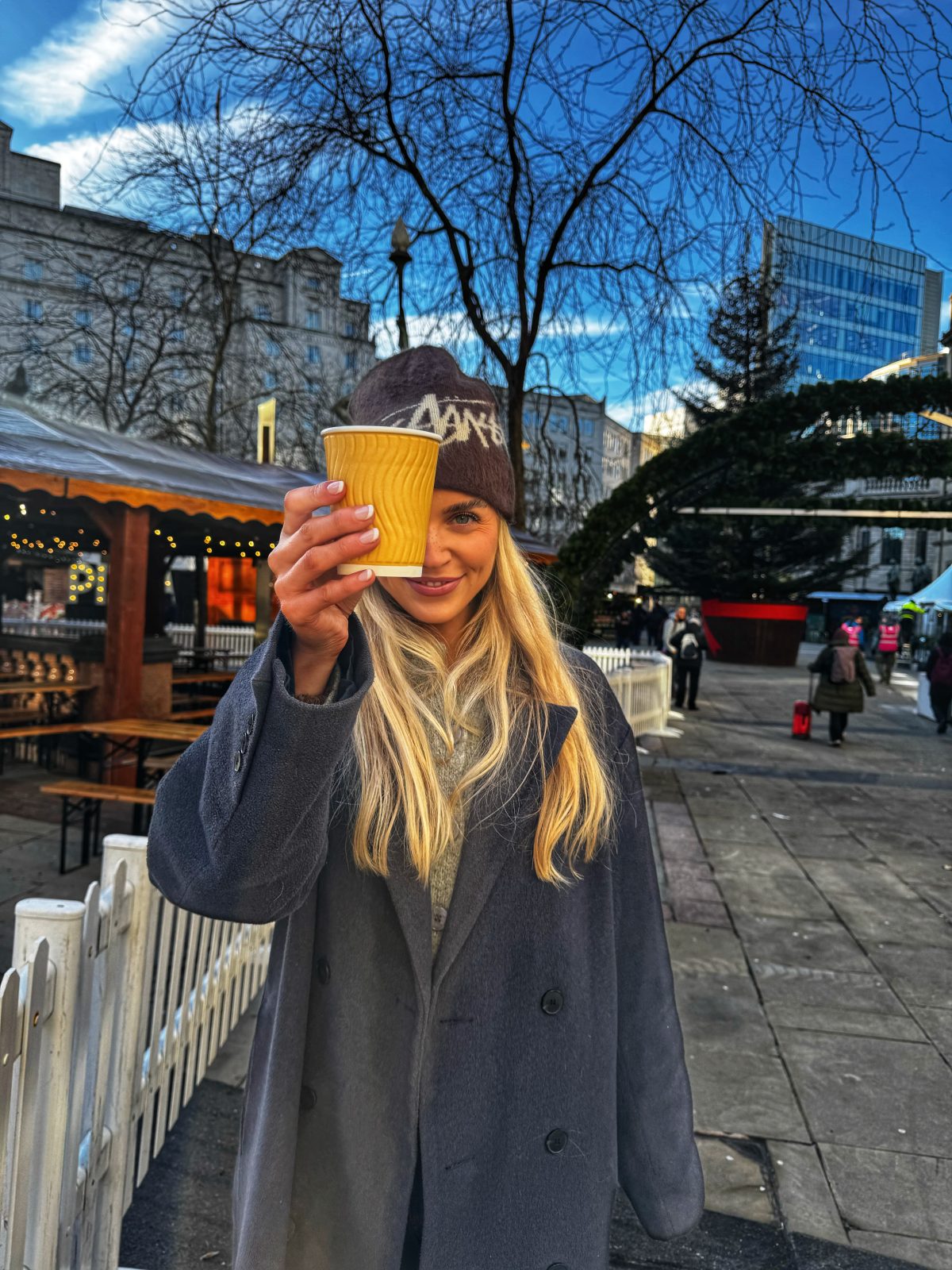
This year, alongside a few mulled wine stalls in city square, THOR's will be doing what they do best and opening two brand-new outdoor bars to really get you in the spirit.
Image: The Hoot Leeds
You can pick from a Scottish Highland Lodge and a Folie Ski Bar, both designed to welcome large groups with their own themed drinks and cosy interiors. You can read more about these bars here.
Not only that, but they'll be a specialist coffee trader as well as a matcha trader if you don't fancy anything alcoholic.
Shopping
The Leeds Christmas Markets isn't just about eating and drinking, it's also about browsing and shopping for those last minute Christmas gifts or gorgeous knick-knacks to decorate your home with over the festive season.
Here's your list of traders to buy gifts from at City Square:
Stump Cross (natural crystal jewellery, fossils and more)
House of the Trembling Madness (festive craft beer cans)
Real Markets Yorkshire (lots of goodies made in Yorkshire)
Yorkshire Print Company (Yorkshire-inspired artwork)
Paper Starlights (handmade paper lanterns)
Scents of Christmas (handcrafted decorations)
Kakuwi (homemade crafts sourced across India and Nepal)
Leeds has been named one of the most ‘pet-friendly’ cities in the UK
Emily Sergeant
A new index has revealed the best cities for pet owners in the UK, and it’s great news for Leeds.
Millions of us share our home with a pet, and making sure we give them the best possible life is often at the forefront of our minds, right?
While there’s a lot people can control about their pet’s lifestyle, many of the factors that affect their happiness are determined by location, and sadly for the 83% of the UK population who live in more urban areas, the challenges to give a pet a good life can feel even greater – with less access to green space, and fewer social spaces to take dogs, for example.
But when it comes to cities, which are the best ones to own a pet in? Well, pet insurance firm Lassie has decided to get to the bottom of this and do some updated research.
Lassie analysed data across nine metrics that determine a pet’s wellbeing to create a ‘Pet-Friendliness Index’, and using this index, the UK’s five most populous cities were each assigned a score out of 100 and ranked to determine which is the most and least pet-friendly.
The index looks at four main categories to gauge how suitable each city is for pets – green space, environment, health, and infrastructure.
Then, within these, experts compared a range of measures, including air quality, temperature, costs, access to vets, road safety, pet-friendly rental housing, social opportunities, and many others.
And Leeds has taken the fourth spot.
The UK’s Most Pet-Friendly Cities
Manchester
Birmingham
Liverpool
Leeds
London
“We tend to think that being a good pet owner comes down to what we do at home, but your postcode could be playing a much bigger role in your pet’s happiness and health than you realise,” commented Hedda Båverud Olsson, who is the CEO and co-founder of Lassie.
“Our findings show that not all cities are created equal when it comes to pets. The difference between living in Manchester and London isn’t just about green space or somewhere to walk your dog, it can mean higher vet bills, poorer air quality and fewer veterinary practices nearby.”

 The Hoot -
20th January 2022