When was the last time you had a hangover that you really could have done without?
For as little as £1, Myrkl is billed as “the first product in history to break down alcohol effectively” and has been dubbed the first hangover prevention pill.
The brand claims to leave people feeling "their best" the next day.
Myrkl was first invented back in 1990 by scientist Johan de Faire, and has been "perfected over 30 years of research and design" by Swedish pharmaceutical firm De Faire Medical before Brits are now able to get their hands on it.
Although it won't be available to grab in stores, the Myrkl supplement can be purchased in the UK online - with a pack of 30 capsules costing £30.
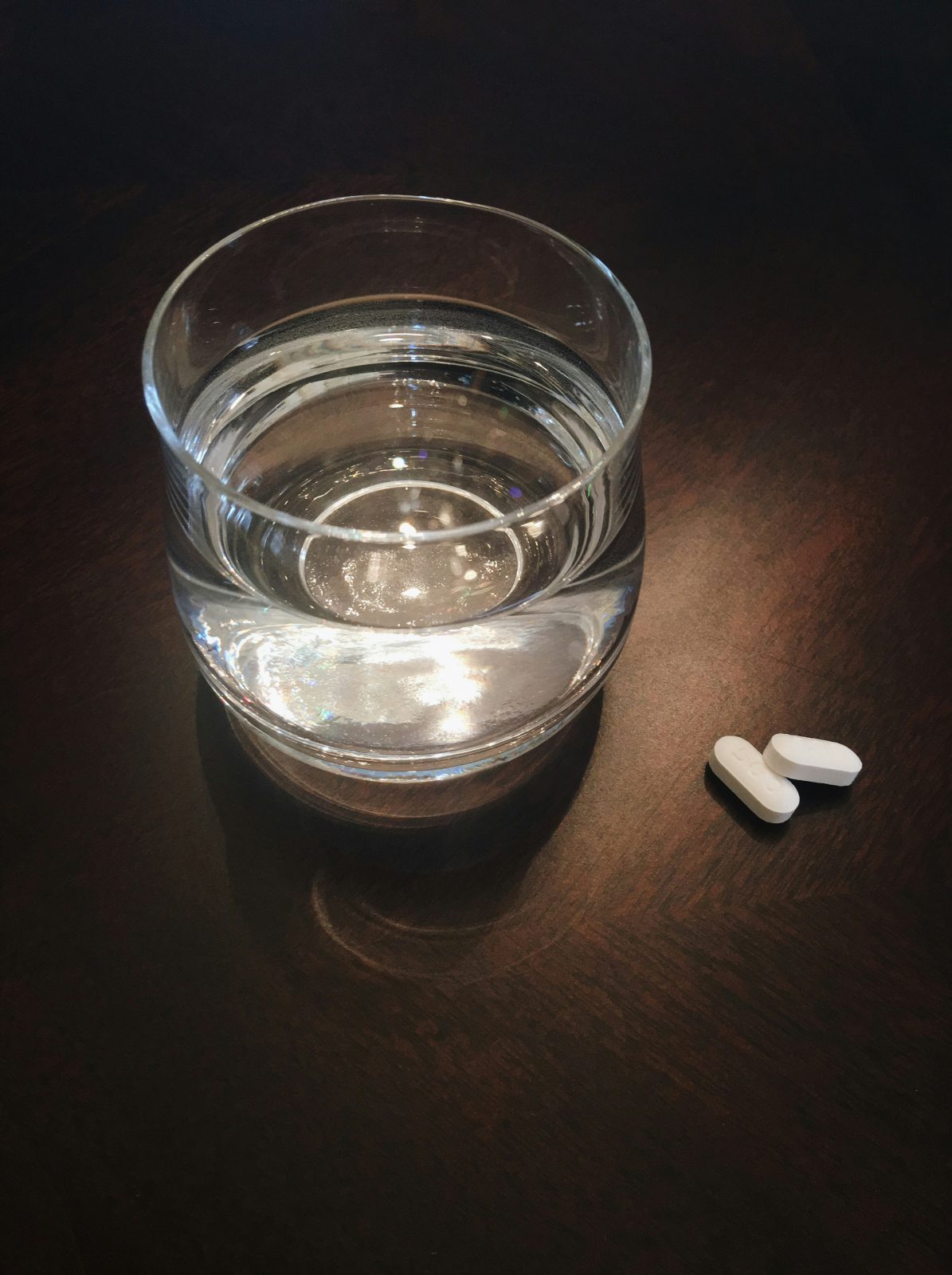
Scientists say two pills should be taken an hour before drinking for maximum effect.
So, how exactly does it work then? Well, the probiotic pill contains bacteria that rapidly break downs bacterias named Bacillus coagulans and Bacillus subtilis, as well as two common vitamins (L-Cysteine and Vitamin B12), and the manufacturer says that all the ingredients are safe for consumption and have approval from the necessary food standards agencies.
As the Myrkl tablets are not actually classed as a medicine, they therefore do not need approval from the MHRA either.
Independent clinical trials of the pill last month found that preemptively taking the tablets reduced alcohol concentration in the blood by half within 30 minutes of having a drink.
After one hour, the reduction in blood-alcohol level was 70%.
Håkan Magnusson, CEO at Myrkl, said the trials "prove just how powerful this product is at breaking down alcohol".
Magnusson says that his product is the first pre-drinking hangover pill ever to reach the market, adding: "Marking the first time in history that a consumer product is demonstrated to effectively and rapidly break down alcohol, we are very excited to be launching this ground-breaking product in the UK and in most European markets.
"Moderate social drinking is a huge part of British culture, with the majority of British people heading out each week to enjoy a few drinks together.
"Myrkl's purpose is therefore to help those regular moderate drinkers to wake up feeling their best the next day, whether they're a busy working professional, young parents, or seniors who want to maintain an active social life."
Despite Myrkl's claims to have people waking up with a clear head the next day, Magnusson insisted that the tablets are in no way designed as "an excuse to drink beyond NHS guidelines".
He said the company is really convinced that Myrkl is "a game-changing product", and they wait for the British public to "try it out".
Featured Image - Unsplash
UK News
Northern’s ‘Flash Sale’ is back for 2026 with millions of train tickets on sale for just £2
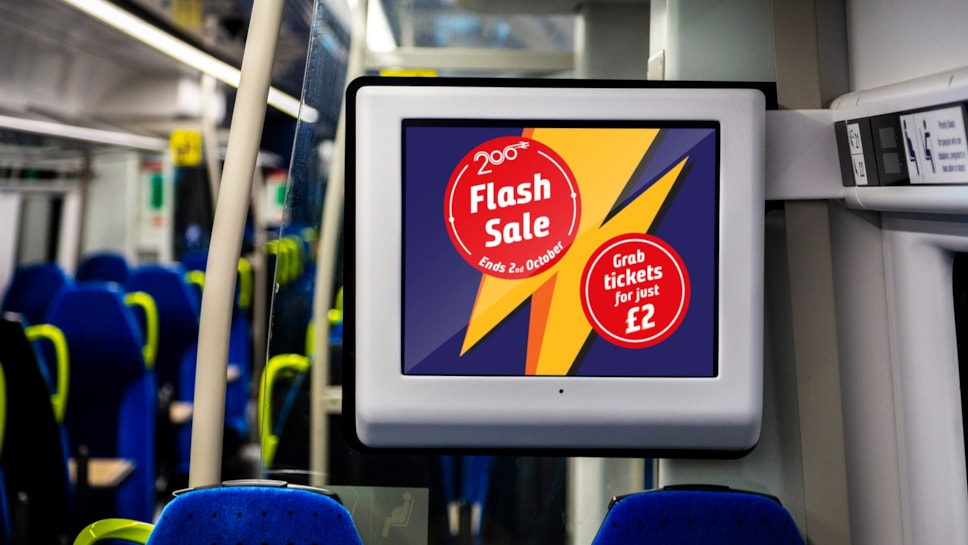
Millions of train tickets are currently on sale for just £2 each, as Northern has brought its popular ‘Flash Sale’ back for 2026.
A whopping FOUR MILLION of them, to be exact.
For the last couple of years, the rail operator has made life a little easier for train travellers by giving them the chance to grab one of several million tickets for much cheaper than normal – and now, with the cost of living crisis sadly continuing to make its impact felt, Northern has decided to kick off the autumn season by slashing prices once again.
It means that millions of people will have the opportunity to make a cut-price journey across the north of England before the end of October is out.
With the company’s regular ‘Flash Sales’ having gone onto become a, somewhat, legendary event at this point, it probably comes as no shock that you’ll need to act fast if you want to be in with a chance of get your hands tickets.
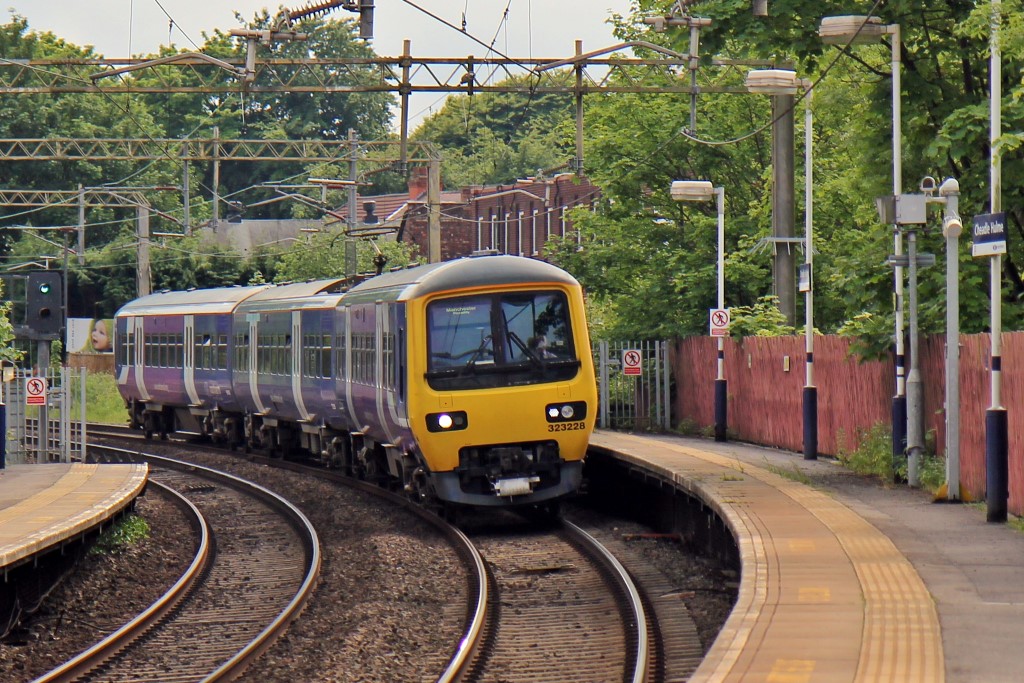
Northern’s ‘Flash Sale’ is back for 2026 with millions of train tickets on sale from £2 / Credit: Northern | Wikimedia Commons
Tickets went live today and the sale runs for three days, closing on Friday 4 September – with tickets valid for travel between 9 September and 23 October 2026.
A list of routes where tickets will be available can also be found using the ‘cheap fare finder’ tool on the Northern website here.
“With four million tickets up for grabs, this is one of our biggest Flash Sales yet, and there’s something for everyone,” commented Alex Hornby, who is the Commercial and Customer Director at Northern.
“With millions of tickets available for just £2 each, our Flash Sale will make the railway even more appealing, and we believe it will inspire everyone to explore everything our fantastic region has to offer, from bustling cities to countryside and stunning coastlines.
“Customers will need to book early to avoid disappointment, as once they’re gone, they’re gone.”
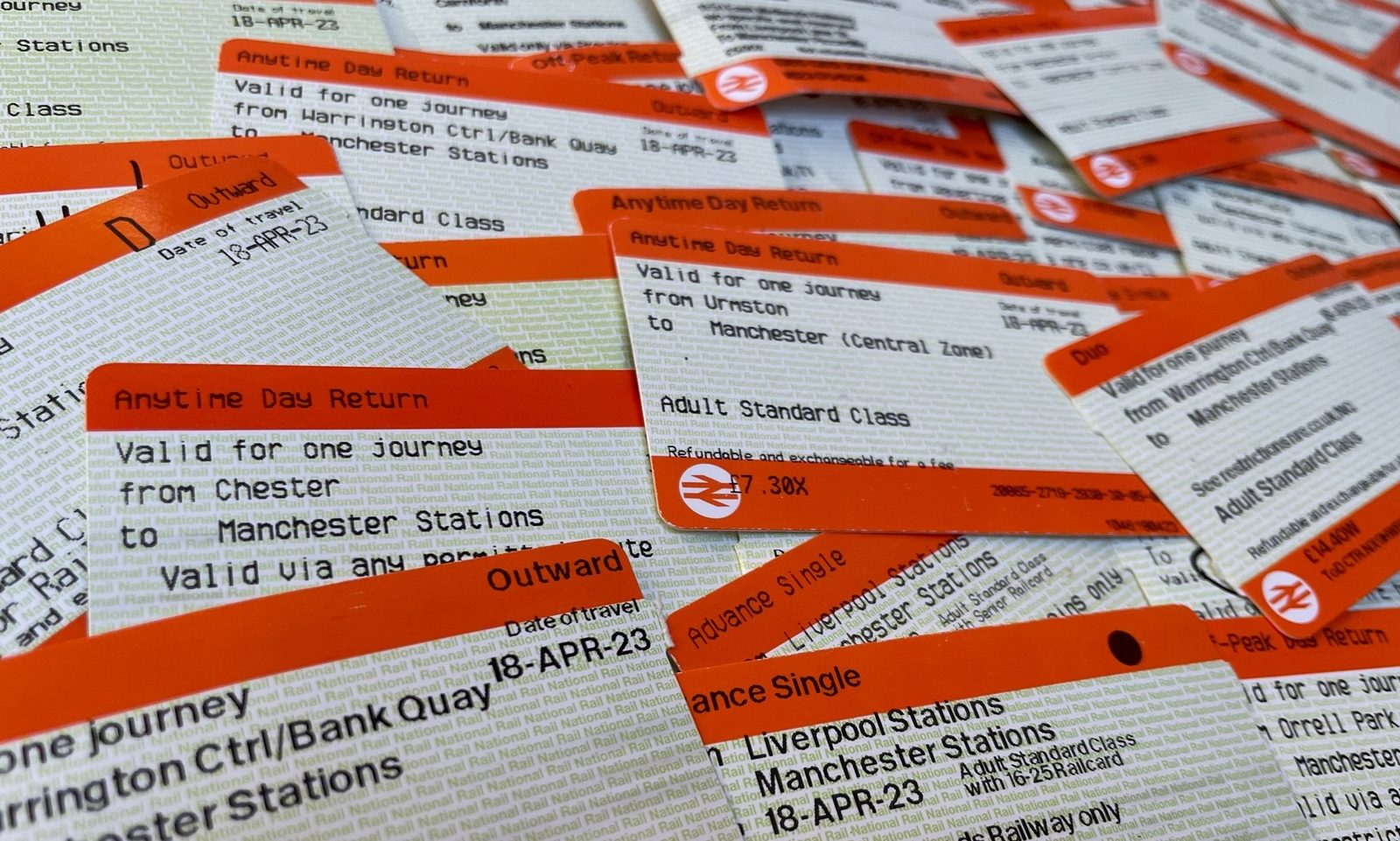
Tickets are available to buy on Northern’s app, online, at ticket offices, and on ticket machines at stations managed by Northern.
Leeds cinemas are offering tickets to see big blockbusters for just £4 this weekend
Emily Sergeant
You can watch some of the year’s biggest blockbusters for just £4 this weekend.
That’s because, to celebrate National Cinema Weekend (5-6 September), Vue has announced that it’ll be offering cut-price tickets to everything from the latest blockbusters and family favourites, to indie horrors and classic re-releases so you don’t have to break the bank to enjoy the full cinematic experience this autumn.
Some of the highlights currently showing that you’ll be able to see for just £4 include summer hits like Spider-Man: Brand New Day, The Odyssey, and Toy Story 5, as well as the recent release of Ridley Scott’s latest film, The Dog Stars, starring Jacob Elordi.
Family favourites such as Harry Potter and the Chamber of Secrets,Paw Patrol: The Dino Movie, and Cars will also be screening over National Cinema Weekend.
Meanwhile, horror fans can also catch new releases Insidious: Out of the Further, and indie horror Leviticus, or see the year’s biggest horror hit, Obsession, if you haven’t already.
The best bit about the offer? It applies to every seat on every showing, all weekend long. Just pass us the popcorn now.
This means that film lovers can enjoy Vue’s biggest and comfiest seats, Ultra Lux, which are strategically positioned to give the best possible view of the big screen – with extra-wide armrests, back and leg rests that recline independently, a personal table for snacks and beverages, and a state-of-the-art wine cooler, all for just £4 each.
“We encourage everyone to make the most of the celebration and enjoy a film at Vue.”
National Cinema Weekend returns for 2026 this Saturday 5 and Sunday 6 September, and you can book tickets on the Vue website here.

 Emily Sergeant -
24th December 2024
Emily Sergeant -
24th December 2024