The majority of UK companies that took part in the world’s largest four-day work pilot have said they will continue with it now the trial has ended.
More than 60 businesses and 3,300 workers signed up to the trial which was run by 4 Day Week Global, in partnership with think tank Autonomy, the 4 Day Week UK Campaign and a number of university researchers.
The companies involved spanned from a variety of industries - with companies in banking, hospitality, care, IT, software training, and even animation studios taking part in the trial.
The trial began in June 2022 and ran for a total of six-months before it was brought to a close earlier this year.
Staff taking part in the trial were given 100% of their pay for 80% of their time on the understanding that they maintain maximum productivity over the four days.
With the trial now complete, the feedback from participating companies provided, and the results determined, 4 Day Week Global has revealed that almost every organisation from the trial will stick to a four-day week – with 91% saying they will definitely continue or are planning to continue, and a further 4% leaning towards continuing.
IT WORKS.
⁃ 92% of companies keep it ⁃ Burnout down by 71% ⁃ Sick days down by 65% ⁃ Revenue up 1.4% on avg.
No question about it - the UK’s 4-day week trial was a 𝙝𝙪𝙜𝙚 success.
Only 4% of participating organisations in the UK said they wouldn’t continue.
Companies rated their overall experience of the six-month trial an average of 8.5 out of 10.
Business productivity and business performance each scored 7.5 out of 10, while revenue rose by 35% over the trial period when compared to similar periods from the previous year, and hiring increased and employee absentees decreased.
The health and wellbeing of employees also improved, according to 4 Day Week Global – with significant increases in physical and mental health, time spent exercising, and overall life and job satisfaction.
Rates of stress, burnout, and fatigue all fell, and problems with sleep declined.
Environmental outcomes were also encouraging, according to those running the campaign – with commuting time falling by an average of half an hour per week.
Speaking on the success of the trial, leader researcher Professor Juliet Schor of Boston College says she saw an “encouraging consistency” in the data, and added that: “Results are largely steady across workplaces of varying sizes, demonstrating this is an innovation which works for many types of organisations.
“There are also some interesting differences. We found that employees in non-profits and professional services had a larger average increase in time spent exercising, while those in construction and manufacturing enjoyed the largest reductions in burnout and sleep problems.”
Overall, 4 Day Week Global says the trial has been a “huge success” and a “massive breakthrough” – which ultimately signals “good news for the future of work”.
The campaign’s co-founder and managing director, Charlotte Lockhart, said the organisation is looking forward to adding its Australasian pilot results to the UK data “in the coming weeks”, as well as the results from the European, South African, Brazilian, and North American trials over the next couple of months.
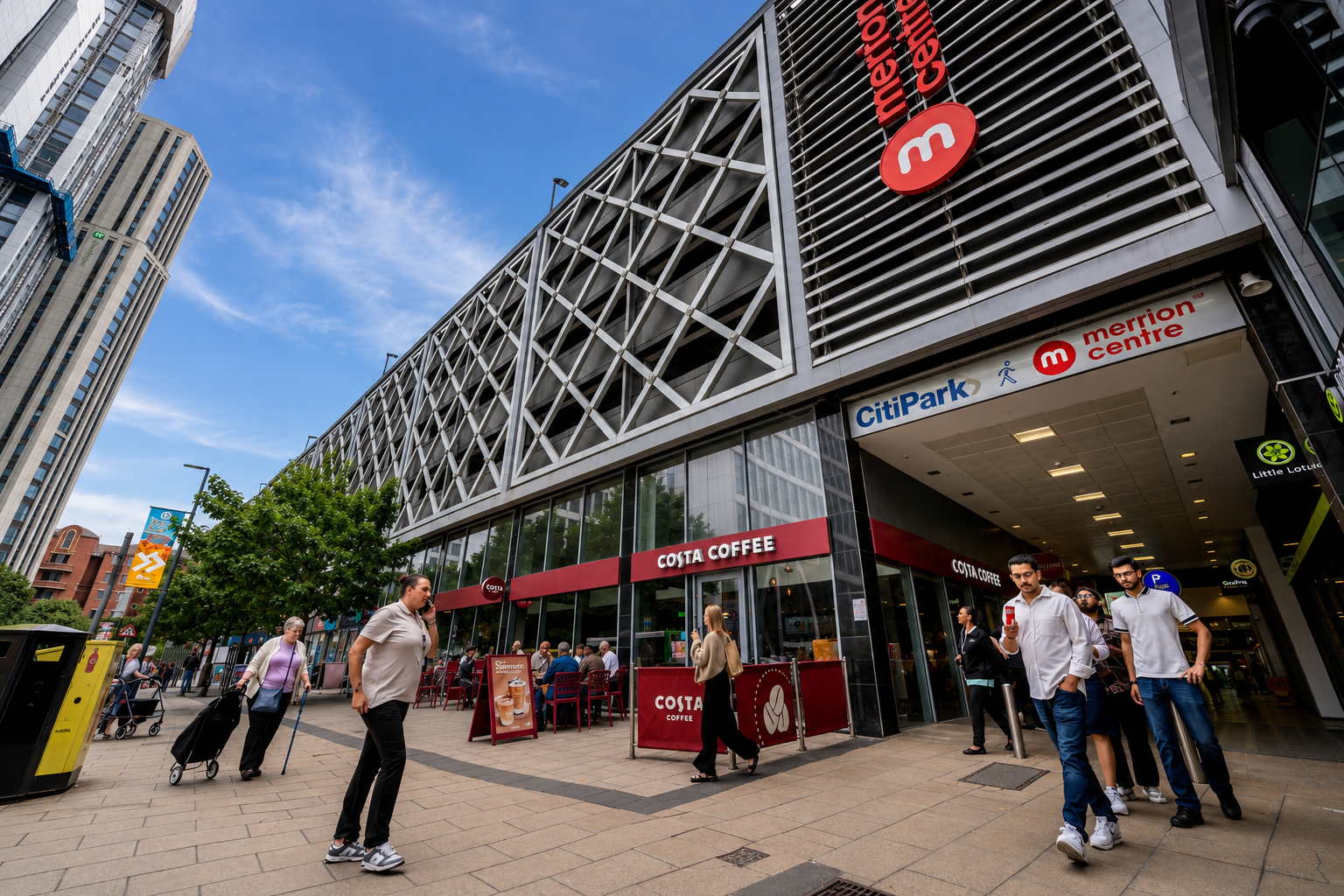
The Merrion Centre is set to become the home of an exciting new retail and food destination this summer.
Introducing The Mini Mall, an innovative retail concept designed to create a flagship city-centre destination for local brands, artisan producers and independent food traders.
The new 4,885 sq ft ground-floor space will be completely dedicated entirely to independent Yorkshire brands, artisan producers, and local food creators.
Operating as a premium 'satellite department store', The Mini Mall provides established independent businesses with fully staffed, centrally managed retail bays.
Image: Supplied
Shoppers can expect a carefully curated selection of Yorkshire-based homeware designers, fashion labels, craft producers, and street food vendors under one roof.
The Mini Mall will open on Saturday 25July with an official public grand opening featuring a ribbon-cutting ceremony, live brand showcases, and the full launch of the Mini Food Hall.to meet the makers behind the brands.
Shaz Westfield, founder of Eventszo, said: "The Mini Mall was created to give independent businesses the opportunity to trade in a prime city-centre location without the barriers that often come with traditional retail.
“Yorkshire is home to an incredible community of makers, creators and food businesses, and our goal is to provide a platform where they can grow, connect with new customers and thrive. We're delighted to be launching our flagship venue at the Merrion Centre and look forward to building a destination that champions local talent and entrepreneurship."
Charles Newman, asset management director at Town Centre Securities PLC (TCS), owners of The Merrion Centre, said: "What makes the Merrion Centre different is the breadth and character of our occupier mix. We've always championed businesses that bring something unique to the city centre, creating a destination that offers visitors experiences they won't find elsewhere on the high street."
You can find out more about Leeds' new Mini Mall here.
The Yorkshire designer who’s put together the official FIFA World Cup scarf collection
Danny Jones
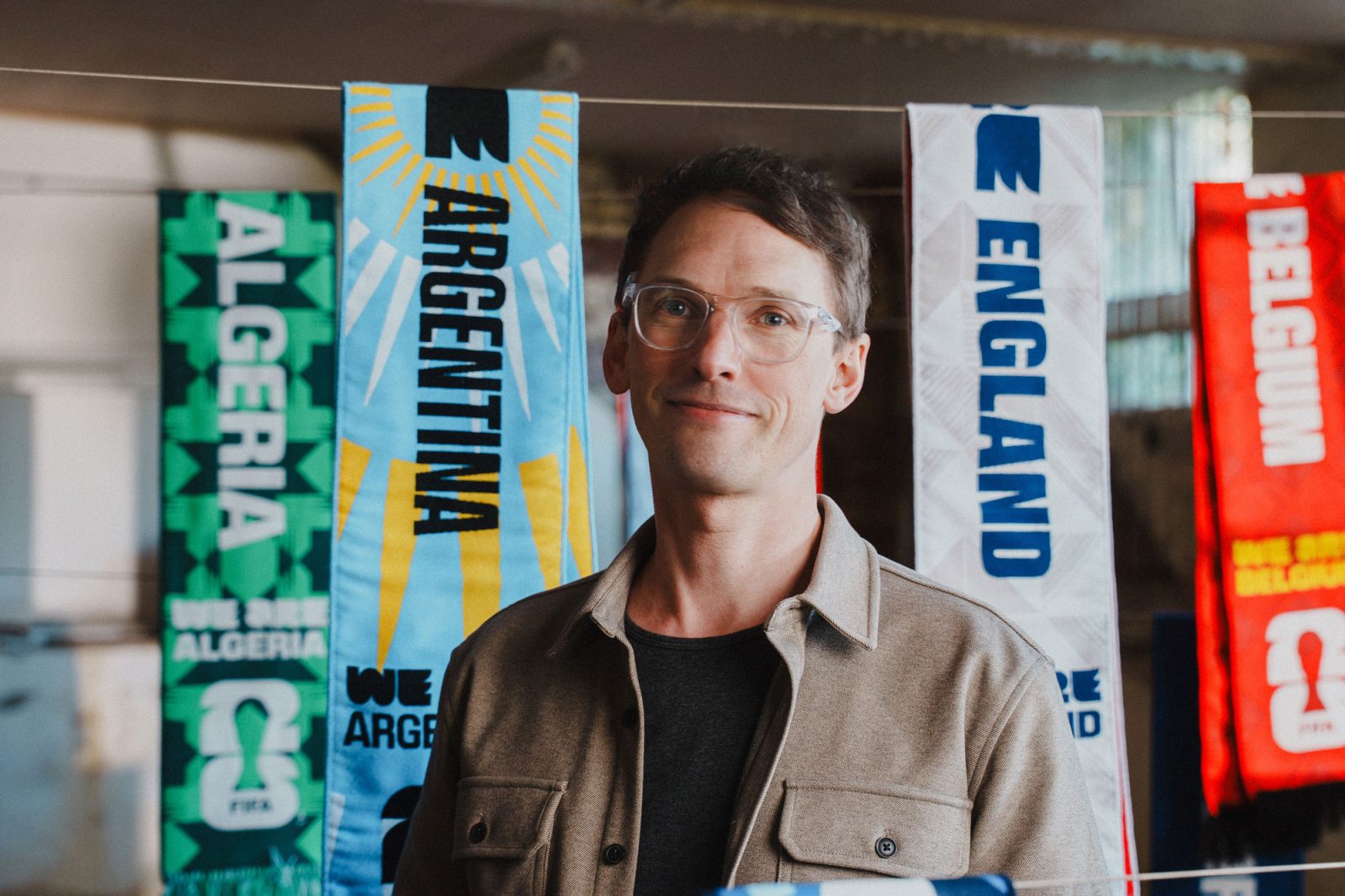
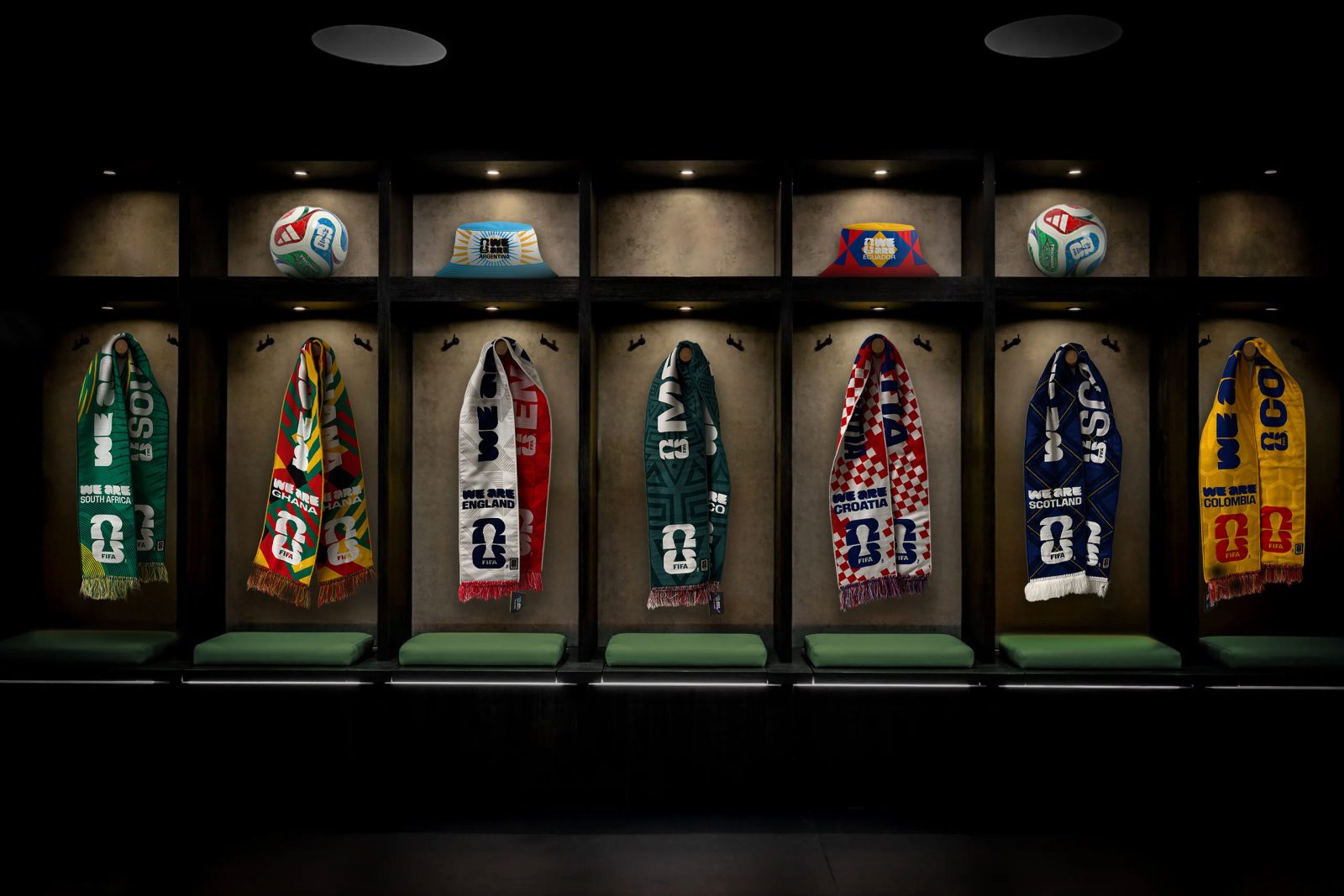
A Yorkshire-born and bred artist and his creative team have earned the huge honour of creating the official FIFA scarf collection for this year's World Cup.
Nothing short of massive for anyone from our part of the world.
The local legend in question is Tom Pitts, who was born in Sheffield and is now based just beyond Leeds, leading the campaign right from the helm.
Hand Drawn Pixels is a graphic design and digital studio based in Otley, and while you'll see plenty of folks wearing football shirts and even the odd scarf on the town's famous pub crawl, these lot are venturing on an entirely different kind of run this summer.
In fact, the work has very much already started, with Tom and co. collaborating directly with FIFA and US manufacturers, Global Scarves, to create the World Cup collection.
With this year's tournament obviously taking place across America, Mexico and Canada, they've joined up with a big LLC, but they describe themselves as "a true English custom scarf company with American parents."
In their words, "We knit scarves for clients all over the world", with a presence both near Leeds and over in Seattle, Washington.
The fixtures themselves kick off next month (England's first game coming against Croatia on 17 June), and so Hand Drawn Pixels have been hard at work meeting the briefs for each of the nations taking part.
Here's a quick breakdown of how the opportunity came about, their vision for the project, and how everything starts for them as a whole process.
You can see more of their work HERE, but as the brand name would suggest, it's pretty simple to begin with: nothing more than a pencil.
It's worth noting that the 2026 World Cup also featured the largest number of teams in the competition's history: 48 qualified national squads, to be exact. So, technically, they've had even more designing to do than they theoretically would have in any of the previous years, too.
Tom confessed that winning this bid is obviously a big deal on its own and that seeing his creations being worn in person by supporters at the stadiums will be a "surreal" experience.
Speaking exclusively with The Hoot, he said: "It’s been an amazing creative challenge for us to truly reflect the individuality and diversity of the nations competing in this prestigious tournament on such an iconic product as the football scarf."
He went on to add that "the whole project has been a huge learning experience, gaining deeper cultural insight into every nation involved."
We can't wait to cast eyes upon a sea of colour and finely crafted fabric in unique but somehow universally familiar patterns, all designed right here in 'God's Own Country'.

 The Hoot -
23rd February 2023
The Hoot -
23rd February 2023