Washing up, dusting, taking the bins out – we’re really not short of household chores to dislike, let’s be honest.
Doing the chores is, well, a chore… or is it? Surprisingly though, a new YouGov poll says different, as it’s been revealed that there are only a few household tasks that large numbers of Britons actively loathe, with many more liked that disliked, in fact.
While it probably has to be said that most chores and household tasks are not exactly what we’d choose to spend our time doing, the reality is they have to be done whether we like it or not.
The new survey, however, has revealed the some of us do actually ‘like’ it though.
YouGov asked a total of 2287 British adults for their opinions on a selection of chores in a bid to find out what the best and worst household task is.
Credit: Pixahive | Haberdoedas II (via Unsplash)
Cooking came out on top as the most popular chore of those polled, with a clear majority of Brits (57%) saying they like rustling up a meal, alongside a further 21% who neither like nor dislike it, and only 18% saying it’s a task they openly dislike.
Nearly half of Brits (46%) say they enjoy decluttering or clearing out their house, alongside 24% who are not bothered either way. Similarly, 40% say they like tidying up, with nearly as many (35%) neither liking nor disliking it.
In both cases, only roughly a quarter (22-27%) actively dislike making things neat and tidy.
On the other end of the spectrum, the chore that takes the top spot for being the most disliked across the board is ironing.
Four housework staples stand out as having the fewest outright fans – ironing, cleaning the bathroom, dusting, and taking the bins out, with just one in six Brits (16-18%) claiming to like doing any of them.
Although similar numbers of survey respondents dislike dusting, ironing, or cleaning the bathroom (41-45%), it’s ironing that has the strongest claim to being the most-hated chore overall, as not only do a higher proportion say they dislike it a lot (25% vs 16-18% for the other two chores), roughly three times as many Brits avoid doing the ironing altogether (20% vs 7%).
This makes it the only chore where the number of dislikers (43%) outnumber the combined total of those with a positive or neutral opinion of the chore (37%).
How does gender come into the conversation? Well, taking the bins out is the chore polled with the biggest gender divide.
According to YouGov, while men are equally likely to say they like (24%) and dislike taking the bins out (22%), only 9% of women say they relish the task, which is relative to 42% of them who dislike having to do it.
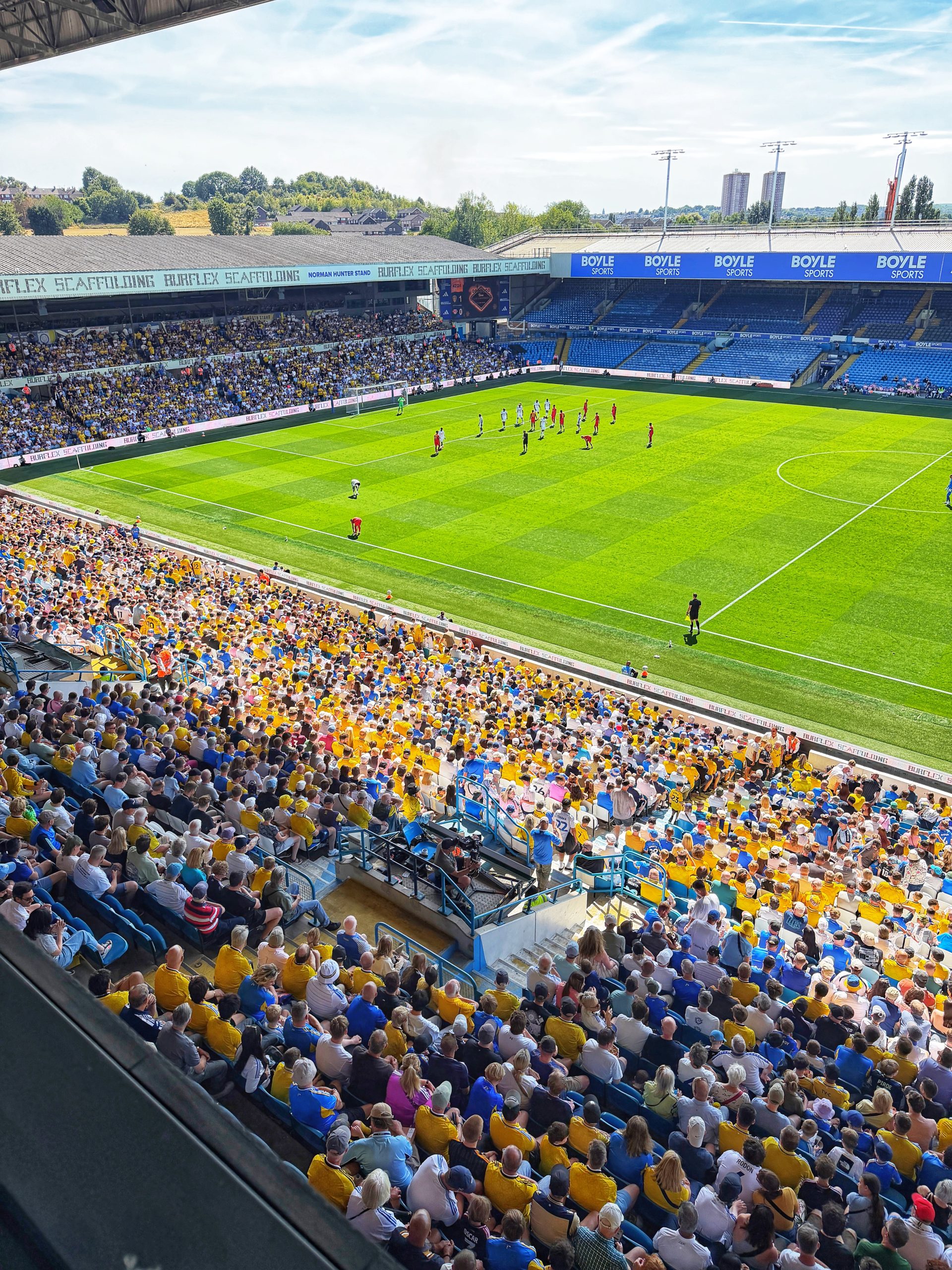
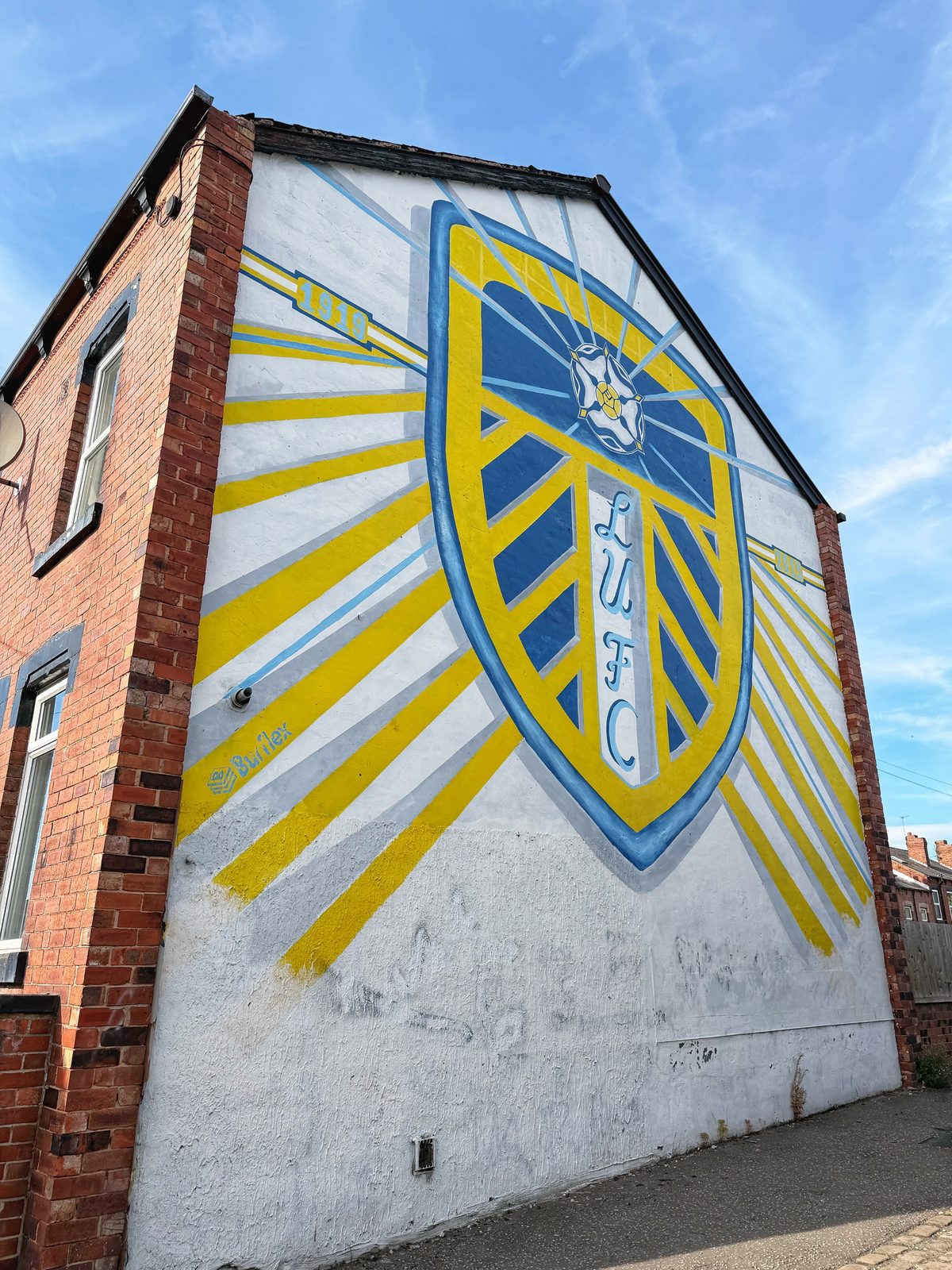
Leeds United fans looking for a crisp pre-match pint, you're in luck.
Why? Because new data has revealed Leeds United as one of the Premier League clubs offering the cheapest pints in their stadium
And it's all down to credit card provider Zable, who analysed the average price of a pint at every Premier League stadium.
You'll be glad to know that Leeds United ranked a very respectable eighth among the Premier League teams with the cheapest pre-match pints, with fans paying an average £5.60 at Elland Road.
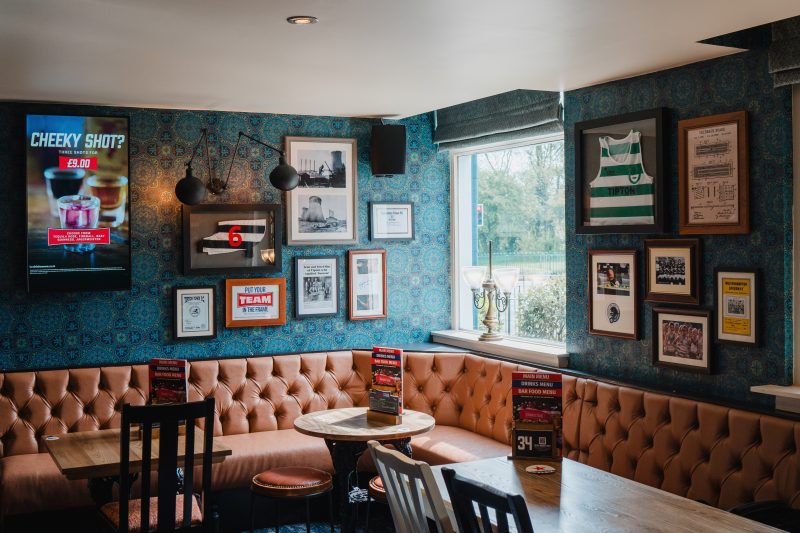
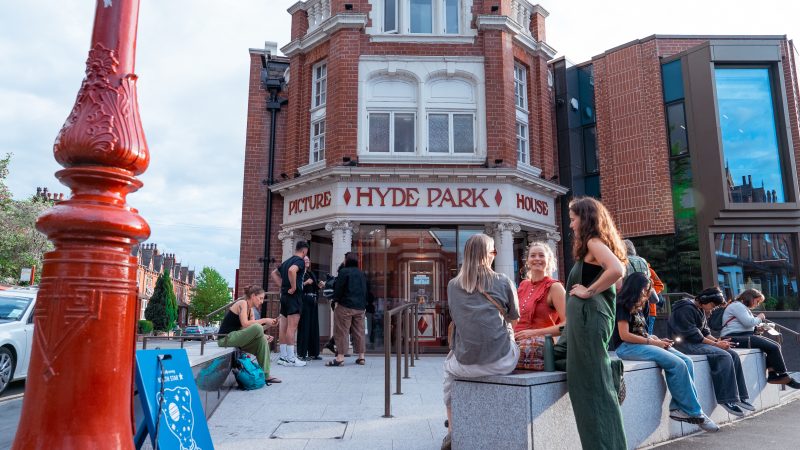
Images: The Hoot Leeds
However, supporters can currently get a cheaper drink at pubs around the stadium, where the average pint costs £4.74.
Ipswich Town have the cheapest pint at £3.50, followed by Coventry at £3.60 and Hull City at £3.90.
The top 10 cheapest stadium match day pints:
Ipswich (£3.50)
Coventry (£3.60)
Hull City (£3.90)
Liverpool (£4.80)
Sunderland (£5.00)
Everton (£5.50)
Newcastle United (£5.60)
Leeds United (£5.60)
Bournemouth (£5.60)
Brighton & Hove Albion (£5.80)
Adam McAllister at Zable says: "For many fans, grabbing a pint before kick-off is part and parcel of the matchday experience, but our research shows that where you choose to drink can make a noticeable difference to the price. While stadium pints are often assumed to be more expensive, that's not always the case.
"With the cost of attending football continuing to add up, from tickets and travel to food and drinks, small differences like these can make a real impact on the overall cost of a matchday. Taking a little time to compare prices before heading to the stadium this season could help fans make their money go further, whether they choose to have a pint at the pub or inside the ground."
Leeds Bradford Airport workers to strike over half term, as industrial action escalates in dispute over pay
Clementine Hall
Strikes by almost 130 workers at Leeds Bradford Airport are set to escalate.
If you're planning on catching a flight from Leeds Bradford Airport, then you may want to double check the date.
Last week it was announced that workers were set to strike and bring the airport to complete standstill in a dispute over pay.
Today it has been announced that thestrikes are set to escalate and a second set of strikes have been announced.
The Unite members planning on going on strike are a mixture of air traffic control workers, customer experience staff, security staff and cleaners.
The workers involved in the dispute have recently come out of a four-year pay deal, with some of the departments having fallen behind other airports in equivalent roles.
Pay talks have been happening since December 2025, with the airport's formal offer not going far enough to address the lack of pay parity.
Unite general secretary Sharon Graham said: "It is wrong that workers at Leeds Bradford Airport are paid far less than those doing the same job at another nearby airport.
"These are essential workers who play a vital role in ensuring the smooth running of the airport and the safety of passengers and deserve fair pay. Unite will always fully back our members taking action at Leeds Bradford Airport.”
The original strikes were due to take place from 03:00 this Friday 16 October to 06:00 Sunday 18 October for hourly paid staff and from 06:00 Friday 16 October to 06:00 Sunday 18 October for air traffic control workers.
The next round of industrial action will now take place from Monday 23 October to Wednesday 2 November, which coincides with the busy half term period.
Unite regional officer Neil Whitaker said: “We appreciate those travelling to and from Leeds Bradford Airport will be concerned to hear that there are further strike dates, but the situation is completely the fault of the airport’s management. It can end this dispute, but that relies on it coming back to the table with a fair deal for our members.”

 Emily Sergeant -
17th October 2025
Emily Sergeant -
17th October 2025