The Treasury have confirmed there will be a 6.6% increase for adults in this week's budget.
The national living wage, currently set at £8.91 is set to increase to £9.50 according to the Treasury.
The wage will apply to all workers ages 23 or over, with a lower minimum wage for younger workers.
21-22 year olds will see a rise from £8.36 to £9.18, pushing them over the £9 an hour mark with an 83p increase in their hourly wage.
In addition to this, those aged between 18 and 20 will see their £6.56 hourly rate of pay increase by 27p to £6.83.
The rate will also rise for workers aged under 18, taking their £4.62 rate to £4.81, a 19p increase per hour.
Apprentices will still have the lowest hourly wage but will see their rate of pay matching those aged 18, increasing their £4.30 pay by 51p to £4.81.
This comes after recent cuts to universal credit and increasing rise in consumer prices and soaring cost of energy bills. It is thought that this increase will help to balance out the financial strain put on the public from the pandemic.
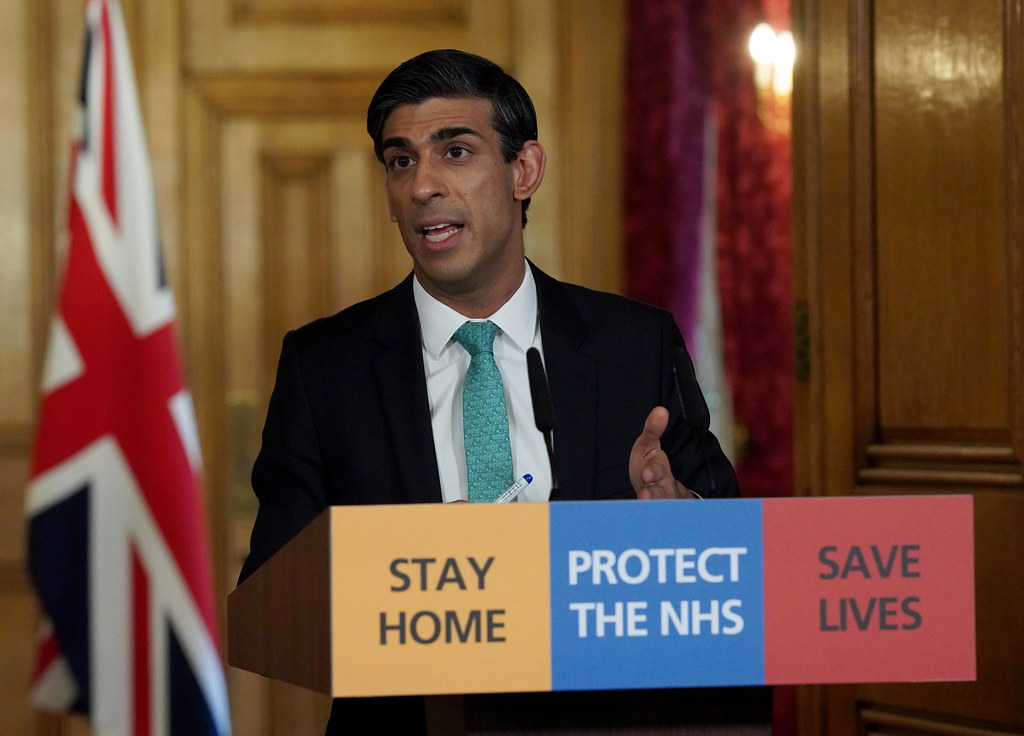
Rishi Sunak spoke at many of the pandemic briefings about the financial implications of Covid-related-restrictions. / Image: Number 10
Rishi Sunak, the Chancellor of the Exchequer, will officially set the budget this Wednesday and the government believe that it should give full-time workers an additional £1000 per year.
Those living in London will also see an increase in the London living wage, which accounts for the higher cost of living in the capital. This is set to reach £10.85 an hour.
Additional promises expected to be fulfilled over the week include investing £435,000,000 for victim services, crime prevention and the Crown Prosecution Service and a six-month extension to the Covid-19 recovery loan scheme to make June 2022 the new deadline.
The full details of the budget will be announced throughout the week as Rishi Sunak addresses concerns about a post-pandemic and post-Brexit economy and sets the financial plan, known as the budget, for 2022.
New regulations are set to be put into place as part of the Briggate Action Plan.
Proposals for the plan, aimed at making some of the city centre’s busiest areas safer for everyone, received a huge amount of support during a public consultation last year.
Since then, the council have been drawing up the necessary regulations and signage, with the new rules now due to officially come into place over the next few months.
Once implemented, the action plan will mean a requirement to walk bicycles and e-bikes within the city centre’s pedestrianised shopping area from 10.30am until 8pm every day.
That means no surprise bicycles will try and run you over as you're doing your shopping, hooray!
The action plan will also introduce prohibitions around certain street trading activities in targeted areas, including mobile street traders.
Extended restrictions will be put into place during major city centre events including Leeds Pride, Light Night Leeds and the Leeds Christmas Market.
Anyone breaking the new rules could be given a £100 Fixed Penalty Notice.
A spokesperson for Leeds City Council, said: “The city centre welcomes hundreds of thousands of visitors each year, and our aim is for every one of them to have the best and safest possible experience of Leeds.
“Through this action plan, we’ve taken important and meaningful steps to address issues which the public have consistently told us were impacting their enjoyment of the city centre whilst also creating potential safety issues for shoppers and pedestrians.
“With these new regulations in place, our hope is that both day-to-day visits and major events will now be even more enjoyable, successful and welcoming.”
The new restrictions on pedlars are expected to be in place from Thursday 1 October, with restrictions on bikes in pedestrianised areas due to be in place by the end of the year.
Everything you need to know about the Government’s new digital ID alternative for alcohol sales
Emily Sergeant
Licensed venues across England and Wales now have the choice to be able introduce digital proof of age for alcohol sales alongside physical.
Instead of having to hand over physical ID that contains personal information, such as names and home addresses, customers now have the choice to simply provide confirmation that they are 18 or over on their phone - helping to better protect privacy and personal safety in the process.
This means that, no matter whether you're buying a drink at your favourite pub, heading to a festival, or enjoying a night out at a concert, you won’t need to worry if you've left your ID at home.
According to the Government, this new change will benefit businesses greatly too, as certified digital services are able to check that an ID is genuine and belongs to the person presenting it much easier than the alternative can, which therefore helps to reduce the risk of any fake or borrowed IDs going undetected.
Well, according to the Government, it could be as simple as a customer showing a QR code for staff to scan, or tapping their phone against a compatible reader, where staff will then receive a clear confirmation on their device that the customer has passed the age check.
This change follows a 2024 Government consultation where it was reported that 72% of respondents supported the use of digital identities for age verification when buying alcohol.
Digital Government Minister Stephanie Peacock reiterated that 'it will remain an individual or business’ choice whether to use or adopt [digital ID]' and that physical ID will 'still remain a valid way' for customers to prove their age.
"This groundbreaking change in the law will mean you do not need to carry a physical ID, nor hand over sensitive personal information such as your name or address just to prove your age, allowing everyone to feel safer on a night out," she concluded.

 Sophie Smith -
25th October 2021
Sophie Smith -
25th October 2021