Prime, which was created by YouTubers KSI and Logan Paul, had shoppers queueing up outside shops from the crack of dawn when it launched in October.
The energy drink was initially only sold in Asda, where demand was so high the supermarket giant had to introduce a three-bottle limit on all purchases.
The energy drink that went so viral supermarkets had to put security tags on them is now available in Aldi - and there have been mad scenes in shops across the UK, reports The Manc.
It also had to start putting security tags on them to prevent anyone stealing bottles of Prime, which were selling on eBay for hundreds of pounds.
There have been similar scenes outside Aldi stores today, with shoppers seen queueing outside from 5am to buy the £1.99 drink.
One person joked that they 'drop kicked a granny and threw a child out of the window' to buy a bottle, saying their local store sold out in just 20 minutes.
Others have reported their local branch of Aldi selling out of Prime within just three minutes.
Aldi shared the news yesterday, tweeting: "THIS IS NOT A DRILL. @PrimeHydrate will be in stores from tomorrow! You'll be able to grab one of each flavour while stocks last! @KSI meet you there?"
KSI - a YouTube star turned boxer and rapper - responded: "Na I can’t, I’m training but glad there’s other options besides just Asda now."
Prime is available in Aldi in three different flavours - Blue Raspberry, Lemon and Lime and Ice Pop.
But once again, there are rules on how much you can actually buy.
Aldi is limiting shoppers to one of every flavour of Prime from today, which it's rolling out as part of its Specialbuy offers.
Aldi said: "The viral hydration drink created by two popular YouTube stars, KSI and Logan Paul, is available to buy for just £1.99 in Aldi stores nationwide on 29th December.
"The drink will be a Specialbuy – and as with all Specialbuys, once they’re gone, they’re gone!
"The supermarket is expecting high demand so a purchase limit of one of each variant per customer has been set to ensure as many people as possible get the opportunity to buy the product."
One shopper said their local Aldi ran out of Prime within four minutes, comparing it to the golden tickets in Charlie and the Chocolate Factory.
The Prime Tracker Twitter account, which helps people track down the drinks, has been sharing videos and photos from around the country.
It's shown checkouts full of the colourful bottles, queues winding across car parks, and what appears to be videos of full-grown adults snatching drinks off children.
1,500 miles of roadworks have now been lifted across the UK.
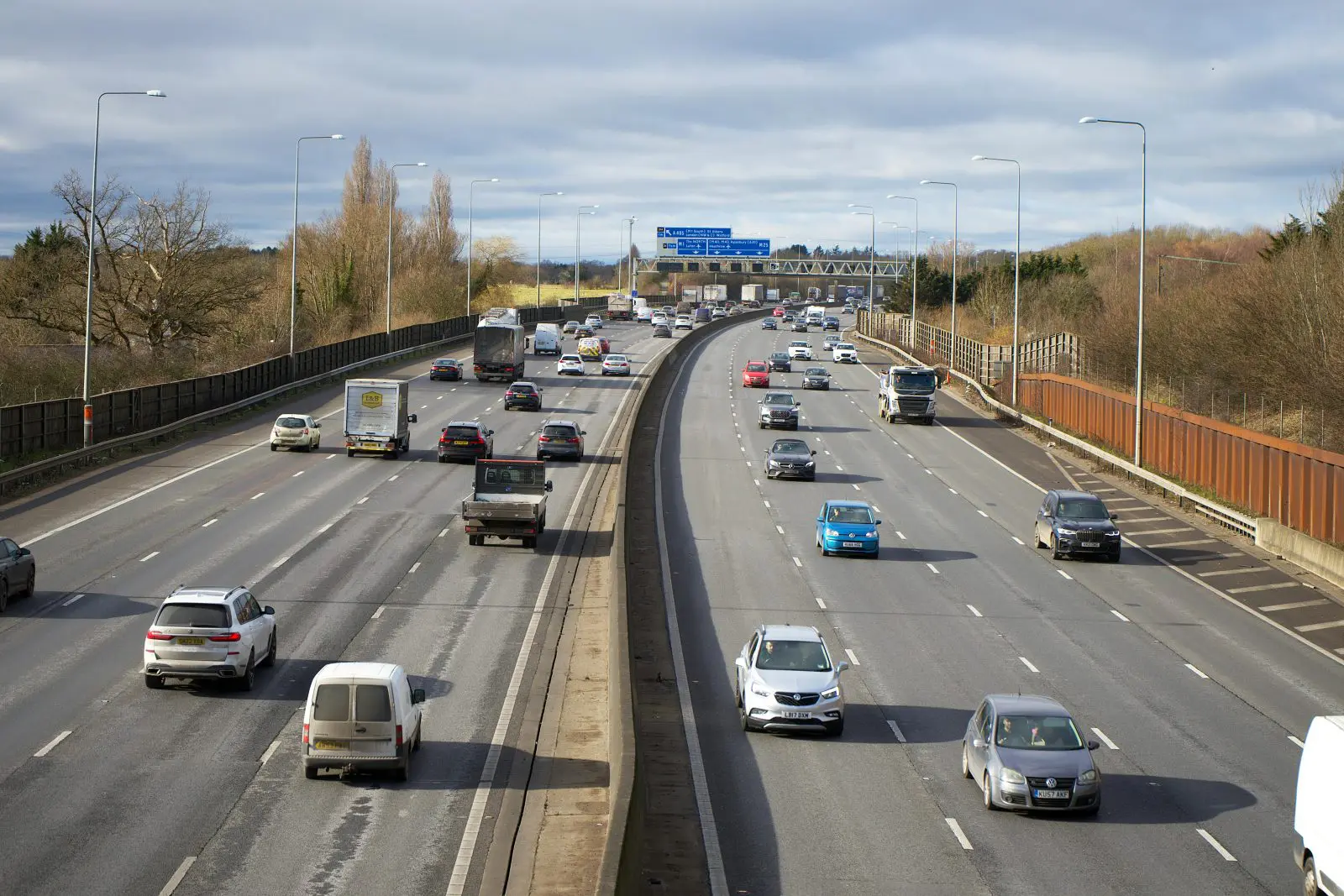
With half term well underway already, and now millions of drivers set to hit the road over the next five days as Easter bank holiday weekend arrives, giving Brits two extra days off, National Highways has now confirmed that, as of today (Thursday 2 April), around 1,500 miles of roadworks have been lifted nationwide.
Roads are expected to be ‘especially’ busy tomorrow in particular (Good Friday), National Highways predicts, as this is the day people are most likely to head on a spring getaway.
So, in a bid to help ease congestion for drivers up and down the motorways, roadworks have been removed up until Bank Holiday Monday (6 April).
“By keeping 98% of routes clear, we’re supporting the wider economy where it matters most to tourism, freight, and local businesses,” National Highways said in a statement.
1,500 miles of roadworks have been lifted to help ease congestion for drivers this bank holiday weekend / Credit: pxfuel
The decision to lift the roadworks comes as a new national survey revealed a total of 71,254 breakdowns were recorded in spring (March–May) last year, compared with 56,702 in 2022.
It also showed that more than one in two (53%) UK drivers have broken down on a motorway or major A-road in their lifetime, highlighting how common the experience is for both drivers and passengers, and why it’s important to take relevant safety precautions from all sides.
29% of drivers think their breakdown could have been prevented with simple vehicle safety checks, but 17% admit to rarely or never conducting these.
National Highways echoes the statement that most of these incidents could be avoided through ‘quick and basic’ checks, and is urging drivers heading away this bank holiday weekend to familiarise themselves with how to do these before hitting the roads, so they can reach their destinations safely, saving costs and reducing delays for all road users in the process.
“Millions of people will be hitting the roads over Easter, and we want everyone to have a safe and smooth journey,” commented Colin Stevenson, who is the Road Safety Information Lead at National Highways.
“A few simple checks can help to prevent many of the breakdowns we see each year and help drivers avoid unexpected delays, cost and stress.
“Our teams work around the clock to keep motorways and major A-roads moving and these small steps from drivers can make a big difference.”
Millions of UK workers to receive pay rises from today as National Living and Minimum Wage increases
Emily Sergeant
Millions of workers across the UK are set to begin receiving substantial pay rises from today.
After the Government announced back in November that it would take the recommendations made by the Low Pay Commission, and increase both the National Minimum Wage and National Living Wage, those changes have now come into force in a bid to ensure people on lower incomes are ‘properly rewarded’ for their work.
If you’re unfamiliar with the Low Pay Commission, it’s an independent body made up of employers, trade unions, and experts whose role is to advise the Government on the minimum wage.
As mentioned, the rate recommendations introduced today were agreed unanimously by the Commission.
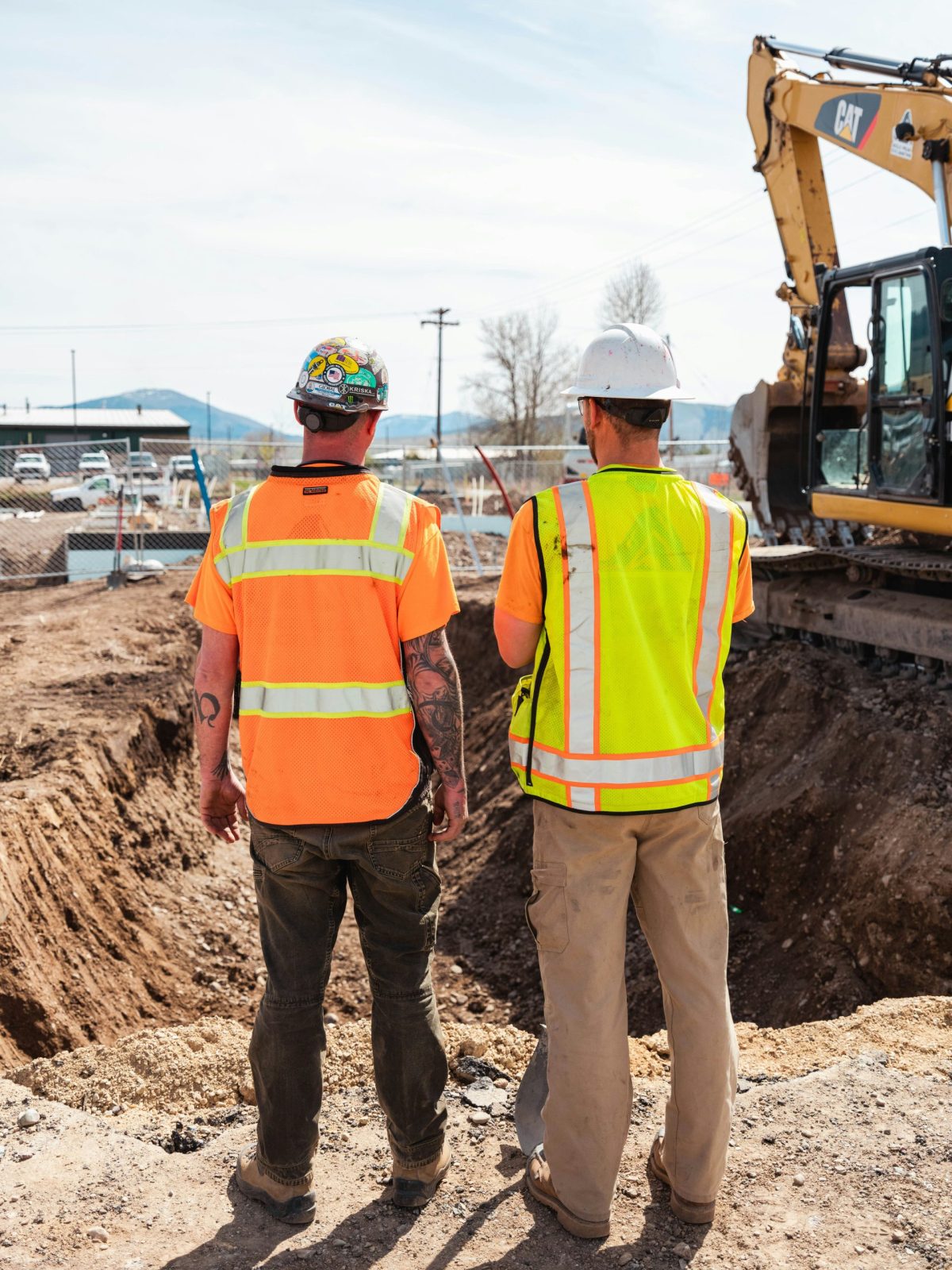
Millions of workers in the UK are getting pay rises from today / Credit: John Kakuk (via Unsplash) | Pexels
This means that the living wage, for eligible workers who are aged 21 and over, has now risen by 4.1% from today to £12.71 an hour.
For a full-time worker, that means a pay increase of £900 a year.
The National Minimum Wage rate for workers aged 18 to 20-year-olds has also increased today by 8.5% to £10.85 an hour, and then for 16 to 17-year-olds, and those on apprenticeships, the rate has increased by 6% to £8 an hour.
“The recommendations we made last autumn sought to balance the need to protect the economy and labour market, whilst providing a real-terms increase for the lowest-paid members of society,” commented Baroness Philippa Stroud, who is Chair of the Low Pay Commission.
“A lot has changed since we gave our advice to the Government last autumn, and we are now beginning to gather evidence for recommendations later this year.
“The current economic uncertainty makes it essential that the Commission hears from those affected by the minimum wage and builds consensus for evidence-based recommendations.
Workers aged 21 and over are now legally entitled to the National Living Wage after the age threshold for the highest rate was lowered from 23 in 2024.
National Minimum Wage rates are available to workers aged 16 upwards.

 The Hoot -
29th December 2022
The Hoot -
29th December 2022