Go on then, how many speed cameras would you guess are active across England?
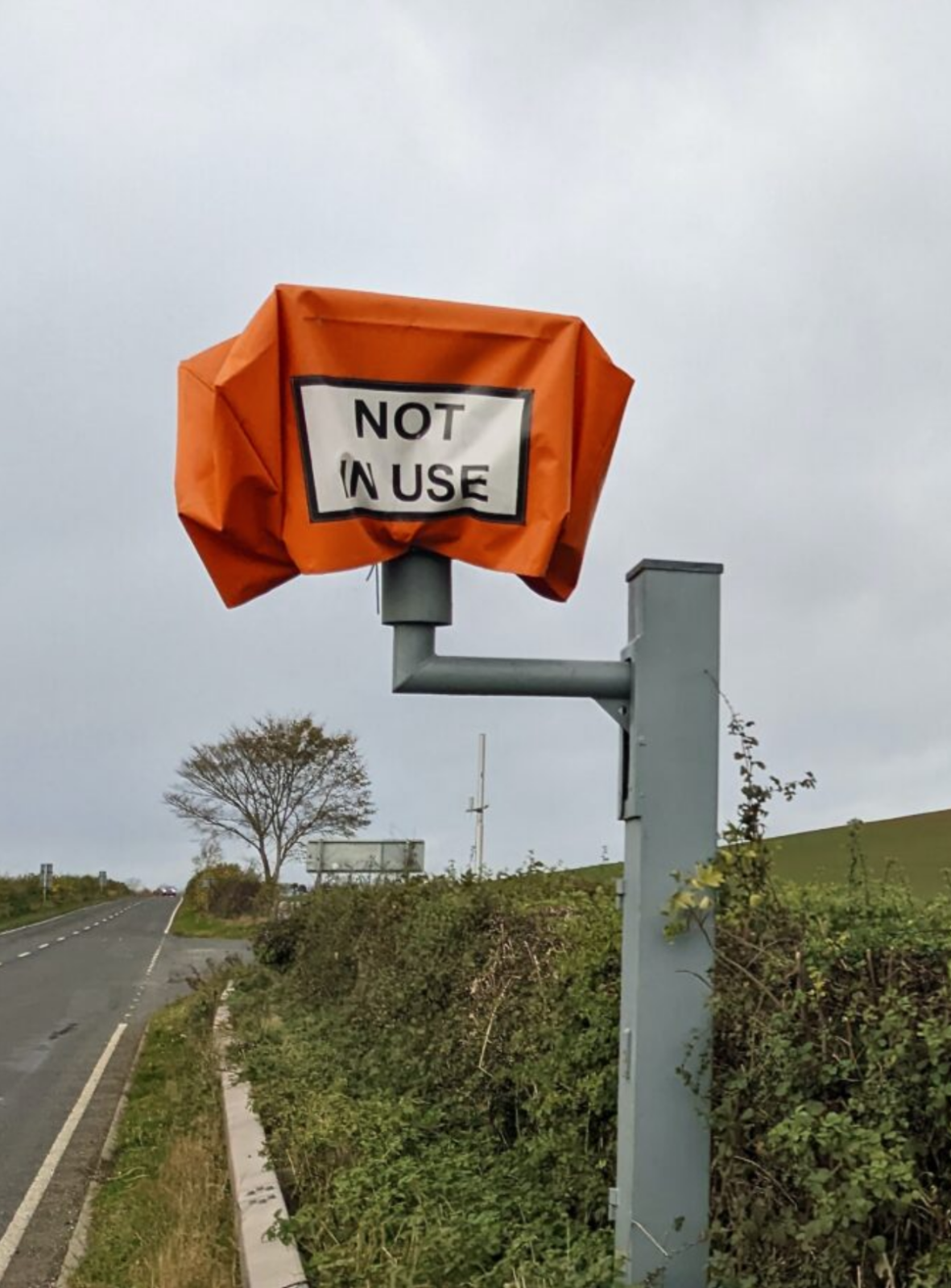
Well, shocking new research study has found that 46% of speed cameras in England may not even be operational, reports The Manc.
It's all according to freedom of information requests (FOI) answered by 25 out of 44 UK police forces.
This equates to almost half of all the speed cameras currently on England's roads.
The research - which comes from dash camera manufacturer, Road Angel, and is all according to freedom of information requests (FOI) answered by 25 out of 44 UK police forces - found that, despite the fact most motorists will immediately adjust and lower their speed the second we see a bright yellow speed camera, we probably don't need to do so as there's nearly a 50% chance the camera's not even working anyway.
When it comes to the areas of England where the least speed cameras are in operation, Northamptonshire has come out on top, as the research found that all eight fixed speed cameras in the region were inactive.
Derbyshire has more fixed speed cameras out of action than any other region (93), with only 20 of the 113 across the county capable of catching speeding motorists.
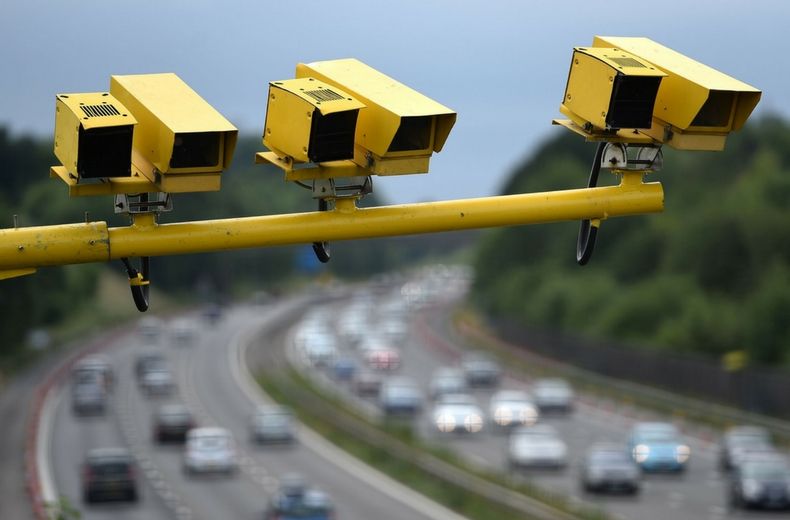
New study finds almost half of all speed cameras in England are inactive / Credit: The AA | Josh Turpie (via Unsplash)
Along with Derbyshire, Essex (110), and Devon and Cornwall (110), are the regions with the highest number of fixed speed cameras - however, each region currently has at least 40% incapable of catching speeding drivers.
Staggeringly, only two police forces that responded to the FOI request had all speed cameras working.
At the other end of the spectrum, all speed cameras in Suffolk are operational, with the next best region being the West Midlands - which currently has only 5% of its speed cameras standing inactive, meaning that 62 out of 65 devices are currently operational.
"If a camera is inactive and remains so for many months or even years at a time then it begs the question, why is it there?," Road Angel founder, Gary Digva, commented on the findings from the new research study.
"Yes, it may still play a part in encouraging traffic to slow down, but it could also act to distract drivers and potentially cause an accident.
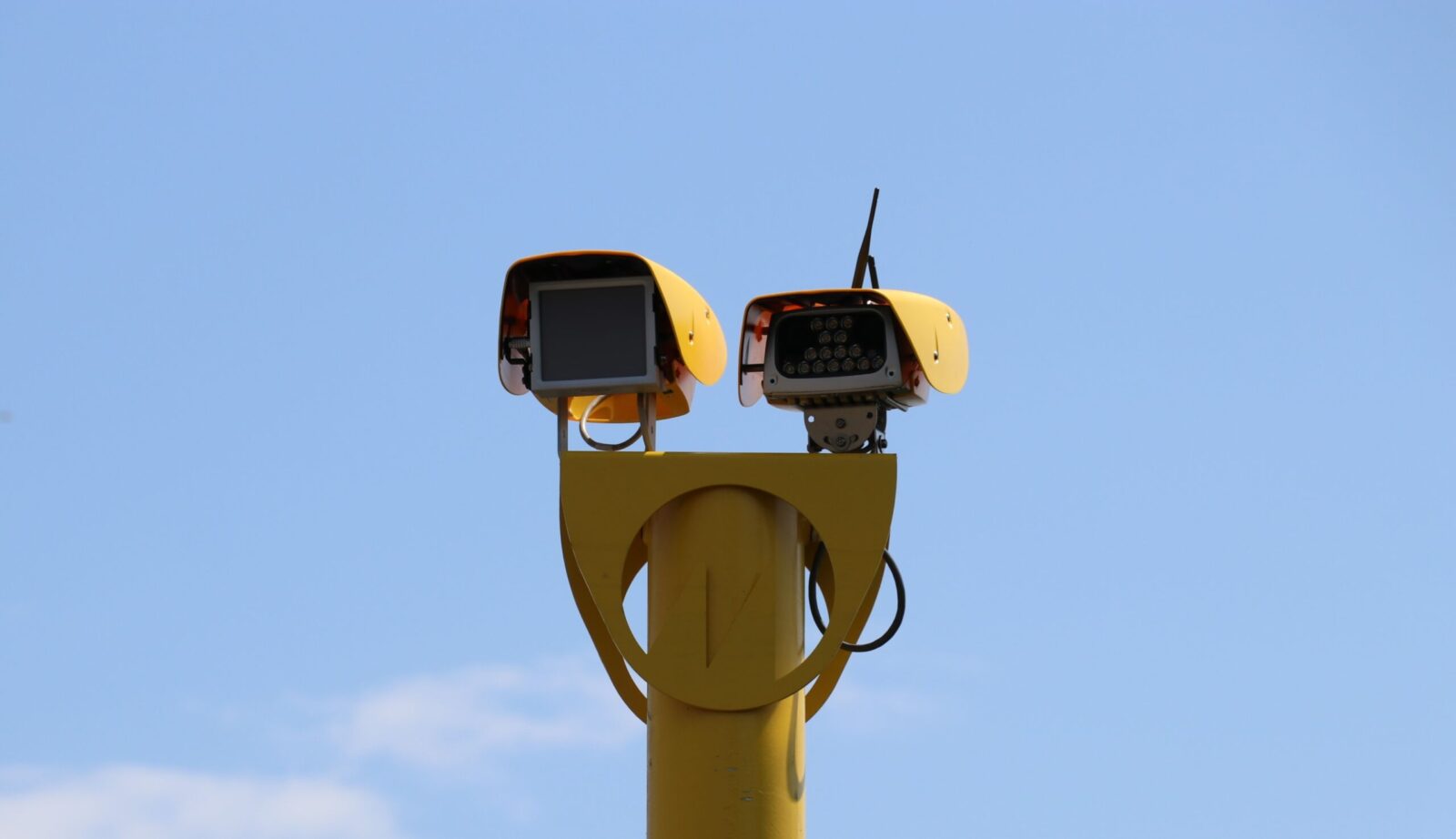
It's all according to freedom of information requests (FOI) answered by 25 out of 44 UK police forces / Credit: Jenoptik & TfGM
"Our view is that if cameras are present then drivers should be able to feel assured that they are working. If they are non-operational then they should be removed, and that is why we are calling on police forces and local authorities across the country to carry out an audit of cameras and remove any non-operational devices as quickly as possible."
Speeding drivers were warned they’re more likely get caught, as although these new 'spot speed' VECTOR-SR cameras - which are developed by Jenoptik, and have been funded through the Mayor’s Challenge Fund (MCF) - are are also painted an eye-catching bright yellow and will be in operation 24/7 like the speed cameras were all familiar with, they do work slightly differently.
Unlike older-style cameras, these new ‘ultra’ speed cameras don’t require painted lines on the road, and also use infra-red low-light technology - which means they no longer ‘flash’ at speeding drivers.
Featured Image - The RAC
Trending
A look inside the trendy Catalonian café and bar coming to Sheffield
There's a brand-new Catalonian-inspired café and bar venue coming to Sheffield where you can grab a coffee or a pint at the same time.
This is Cats, a combined café and bar space that's making its way to Broomhill and offering anyone visiting the chance to experience a taste of Spain without having to fork out the cost of a plane ticket.
Catalonia is famous for many notable like impressive architecture such as La Sagrada Familia, legendary performers like Rosalía and phenomenal all-day hospitality which this new site is hoping to emulate.
Although we might not be able to judge their skills as vocalists, when it comes to construction and deconstruction they're excelling, as can be seen in their renovation progress documented across their socials.
Taking shape in the former Nibbles Pizza site on Ashdell Road, although you might not be able to order a 12 inch meat feast anymore, Cats will be offering a range of interesting wines, beers and bar snacks.
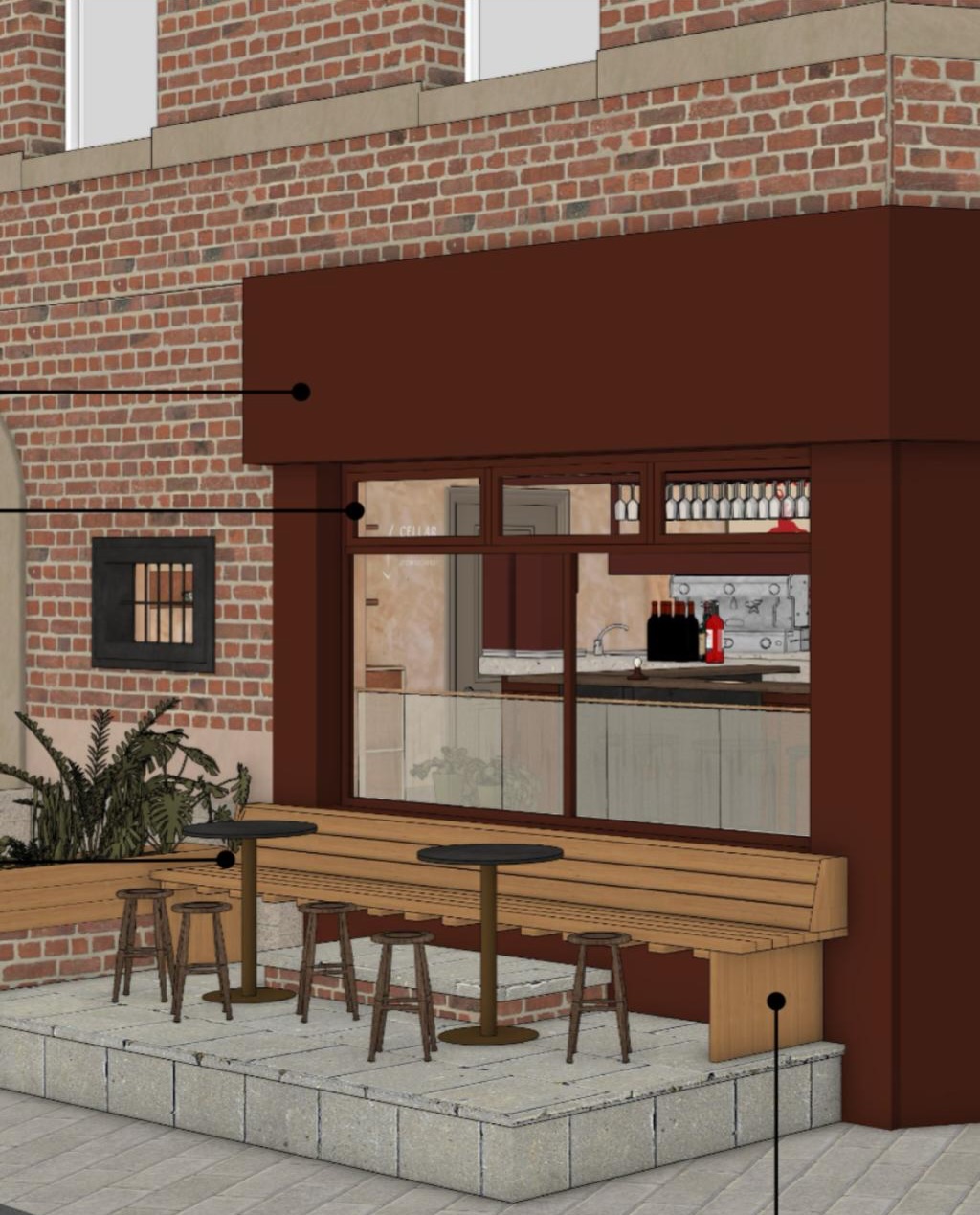
In newly-released rendered images, a fitting wine-red colour has been used throughout both interior and exterior, the latter having a small seating adjacent to the front door.
Inside, you'll find lightbulbs dotted around the almost-180 degree-spanning window seating with small warm lights to set the mood.
Directly opposite will be the bar with a muted-concrete countertop that has a coffee machine on one end and draught beers on the other - the ultimate dream.
There's even a cellar area downstairs with banquette seating and those familiar tabletop lamps which help keep the atmosphere as relaxed and intimate as intended.
As the name may suggest, this place isn't exclusively for feline lovers as this Sheffield venue is promising to be a dog-friendly site stocking 'Cats' branded dog treats and water bowls.
Of course, this won't be exactly how this café and bar space will end up looking like as working with an older may pose some potential challenges, but these plans shouldn't differ too much.
We can't wait to get our claws on a glass of vino.
Featured Images - Cats Sheffield via Instagram (Supplied)
Trending
Trains from Leeds ‘extremely limited’ amid record-breaking heatwave
Daisy Jackson
‘Extremely limited’ train services are running across Yorkshire this week as the country melts in a record-breaking heatwave.
Northern has reached out to passengers to warn that a ‘significantly reduced’ number of trains are operating in and out of Leeds.
They’re urging people to avoid travelling at all unless your journey is ‘absolutely essential’.
And if you do have to travel, they’ve warned of ‘significantly longer waiting times, busy trains and short-notice cancellations’.
The disruption is set to continue all day today and into tomorrow, Friday 26 June, as temperatures up north are forecast to hit 34ºC and an Amber weather warning for extreme heat covers much of the country.
Northern has assured passengers that they ‘are doing everything we can to keep people moving as efficiently as possible’.
Passengers are encouraged to check their journey before setting off, carry water, and avoid peak times where possible.
If you chose not to take a planned journey, you can claim a full refund on your ticket, or travel on another day using Northern’s ticket easement.
You can see the full travel advice for Northern HERE.
Northern said in a notice to passengers: “Due to the continued extreme heat, we have significantly reduced the number of trains running on routes in and out of Manchester, and services remain in high demand. This will now continue into Friday, 26 June.
“We strongly recommend customers consider whether their journey is necessary and if customers do choose to travel this week, they are advised to prepare for significantly longer waiting times, busy trains and short-notice cancellations.
“We would ask all customers to only travel if your journey is absolutely essential and to check your full journey before setting off.”

 Emily Sergeant -
20th December 2023
Emily Sergeant -
20th December 2023