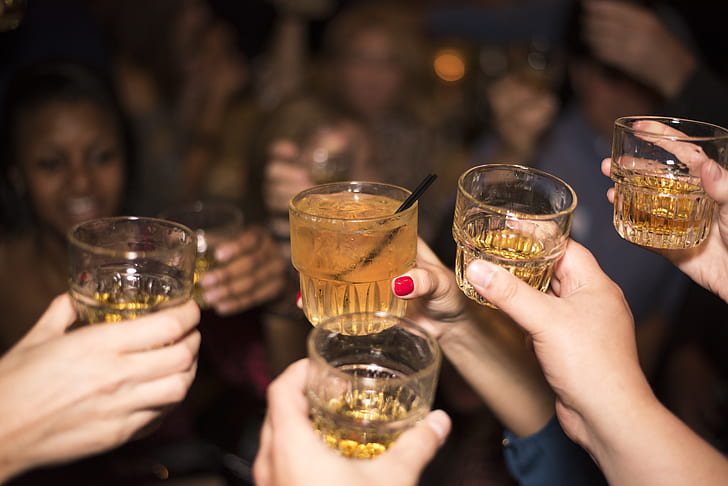
When was the last time you had a hangover that you really could have done without?
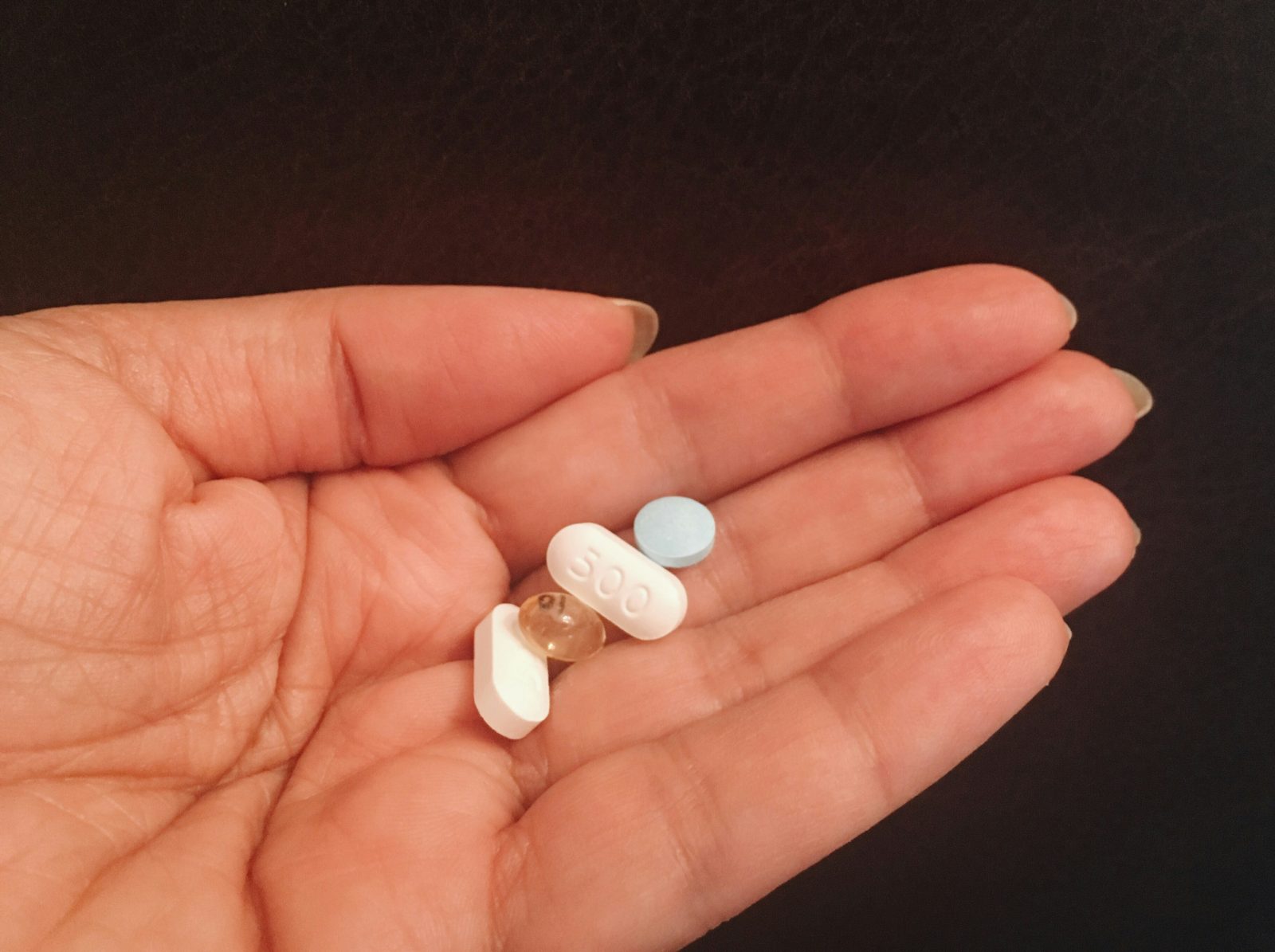
For as little as £1, Myrkl is billed as “the first product in history to break down alcohol effectively” and has been dubbed the first hangover prevention pill.
The brand claims to leave people feeling "their best" the next day.
Myrkl was first invented back in 1990 by scientist Johan de Faire, and has been "perfected over 30 years of research and design" by Swedish pharmaceutical firm De Faire Medical before Brits are now able to get their hands on it.
Although it won't be available to grab in stores, the Myrkl supplement can be purchased in the UK online - with a pack of 30 capsules costing £30.
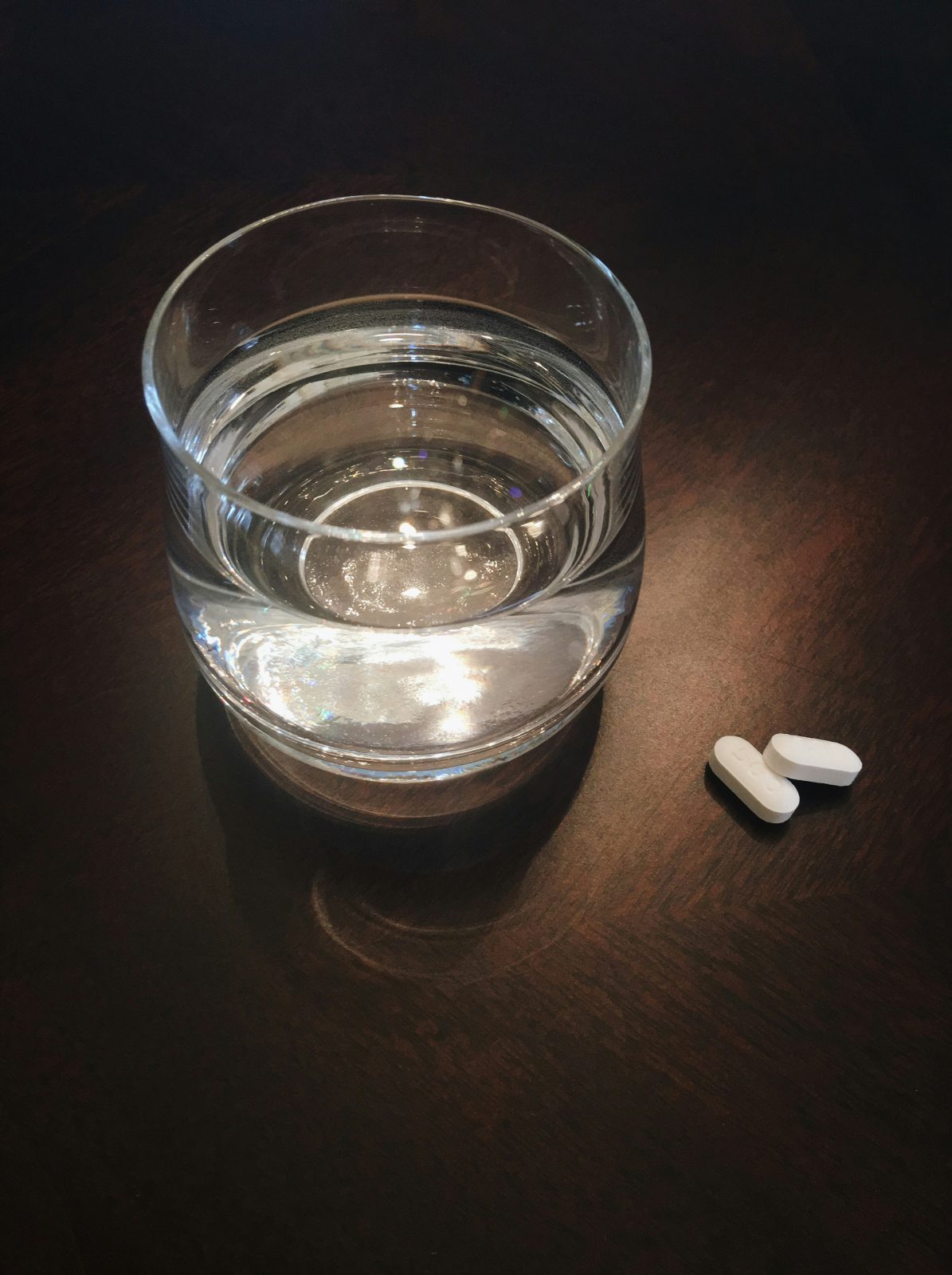
Scientists say two pills should be taken an hour before drinking for maximum effect.
So, how exactly does it work then? Well, the probiotic pill contains bacteria that rapidly break downs bacterias named Bacillus coagulans and Bacillus subtilis, as well as two common vitamins (L-Cysteine and Vitamin B12), and the manufacturer says that all the ingredients are safe for consumption and have approval from the necessary food standards agencies.
As the Myrkl tablets are not actually classed as a medicine, they therefore do not need approval from the MHRA either.
Independent clinical trials of the pill last month found that preemptively taking the tablets reduced alcohol concentration in the blood by half within 30 minutes of having a drink.
After one hour, the reduction in blood-alcohol level was 70%.
Håkan Magnusson, CEO at Myrkl, said the trials "prove just how powerful this product is at breaking down alcohol".
Magnusson says that his product is the first pre-drinking hangover pill ever to reach the market, adding: "Marking the first time in history that a consumer product is demonstrated to effectively and rapidly break down alcohol, we are very excited to be launching this ground-breaking product in the UK and in most European markets.
"Moderate social drinking is a huge part of British culture, with the majority of British people heading out each week to enjoy a few drinks together.
"Myrkl's purpose is therefore to help those regular moderate drinkers to wake up feeling their best the next day, whether they're a busy working professional, young parents, or seniors who want to maintain an active social life."
Despite Myrkl's claims to have people waking up with a clear head the next day, Magnusson insisted that the tablets are in no way designed as "an excuse to drink beyond NHS guidelines".
He said the company is really convinced that Myrkl is "a game-changing product", and they wait for the British public to "try it out".
Featured Image - Unsplash
UK News
Leeds Bradford Airport set for complete ‘shutdown’ as 130 workers go on strike
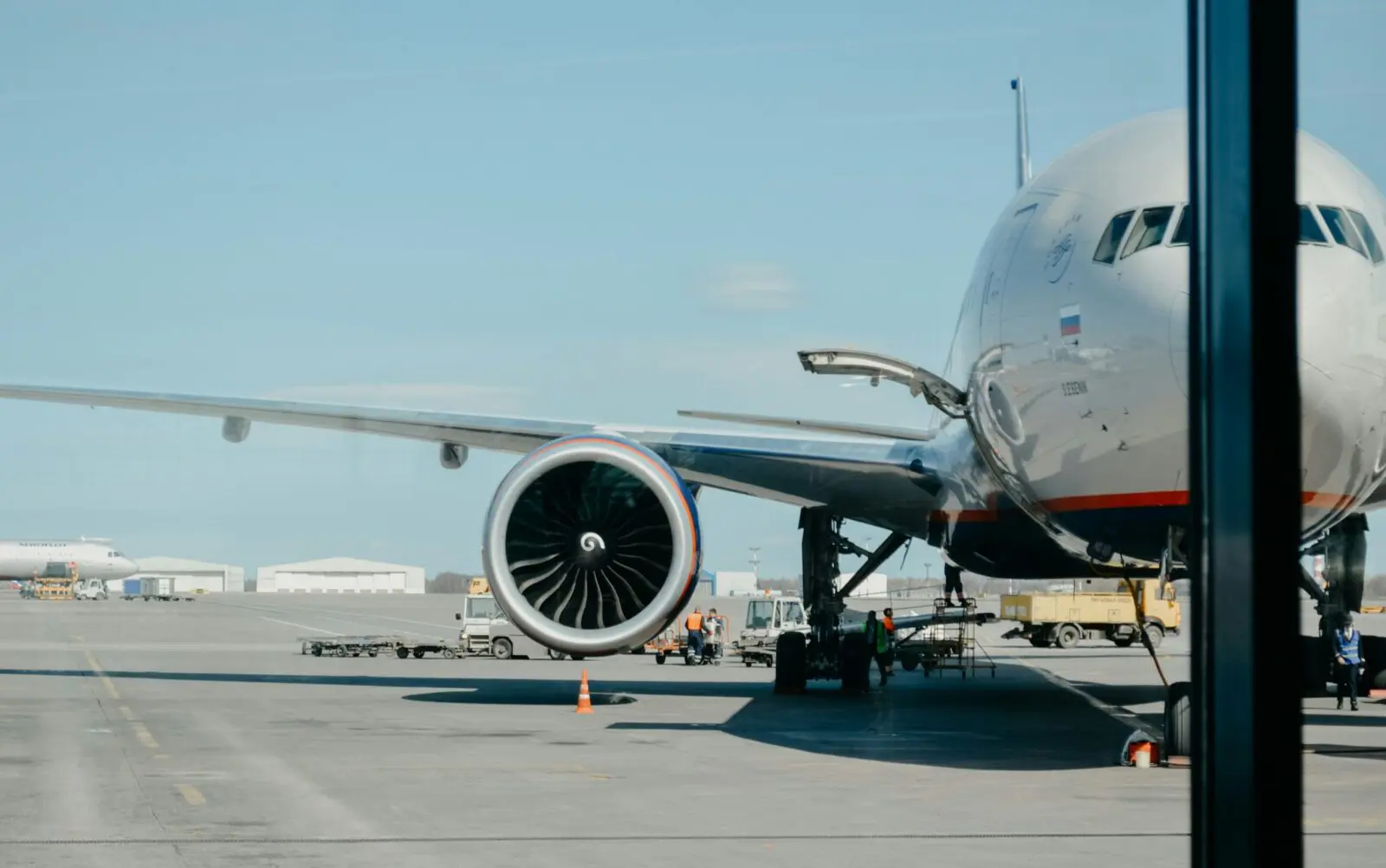
Leeds Bradford Airport is set for a standstill as almost 130 workers are set to take industrial action over pay.
If you're planning on catching a flight from Leeds Bradford Airport, then you may want to double check the date.
The Unite members planning on going on strike are a mixture of air traffic control workers, customer experience staff, security staff and cleaners.
The workers involved in the dispute have recently come out of a four-year pay deal, with some of the departments having fallen behind other airports in equivalent roles.
Pay talks have been happening since December 2025, with the airport's formal offer not going far enough to address the lack of pay parity.
Strikes will take place from 03:00 Friday 16 October to 06:00 Sunday 18 October for hourly paid staff and from 06:00 Friday 16 October to 06:00 Sunday 18 October for air traffic control workers.
Strike will mean the entire airport will shut down.
Unite general secretary Sharon Graham said: "Leeds Bradford Airport is very profitable and can more than afford to come back to the table with an offer that doesn't fall short of our members' expectations.
"Our hardworking members should not be paid less than those doing the same jobs at other airports. Workers taking action at Leeds Bradford Airport have Unite's full support in their fight for fairer pay."
Unite regional officer Neil Whitaker said: "We know people who have flights planned to and from Leeds Bradford Airport will be concerned to hear of industrial action, however our members have no choice but to strike.
"The airport is profitable, passenger numbers are growing and our members are a major part of its success. They deserve a fair pay rise, and management must come back to the table to deliver this."
Loads of famous spooky films are returning to Leeds cinemas this Halloween
Emily Sergeant
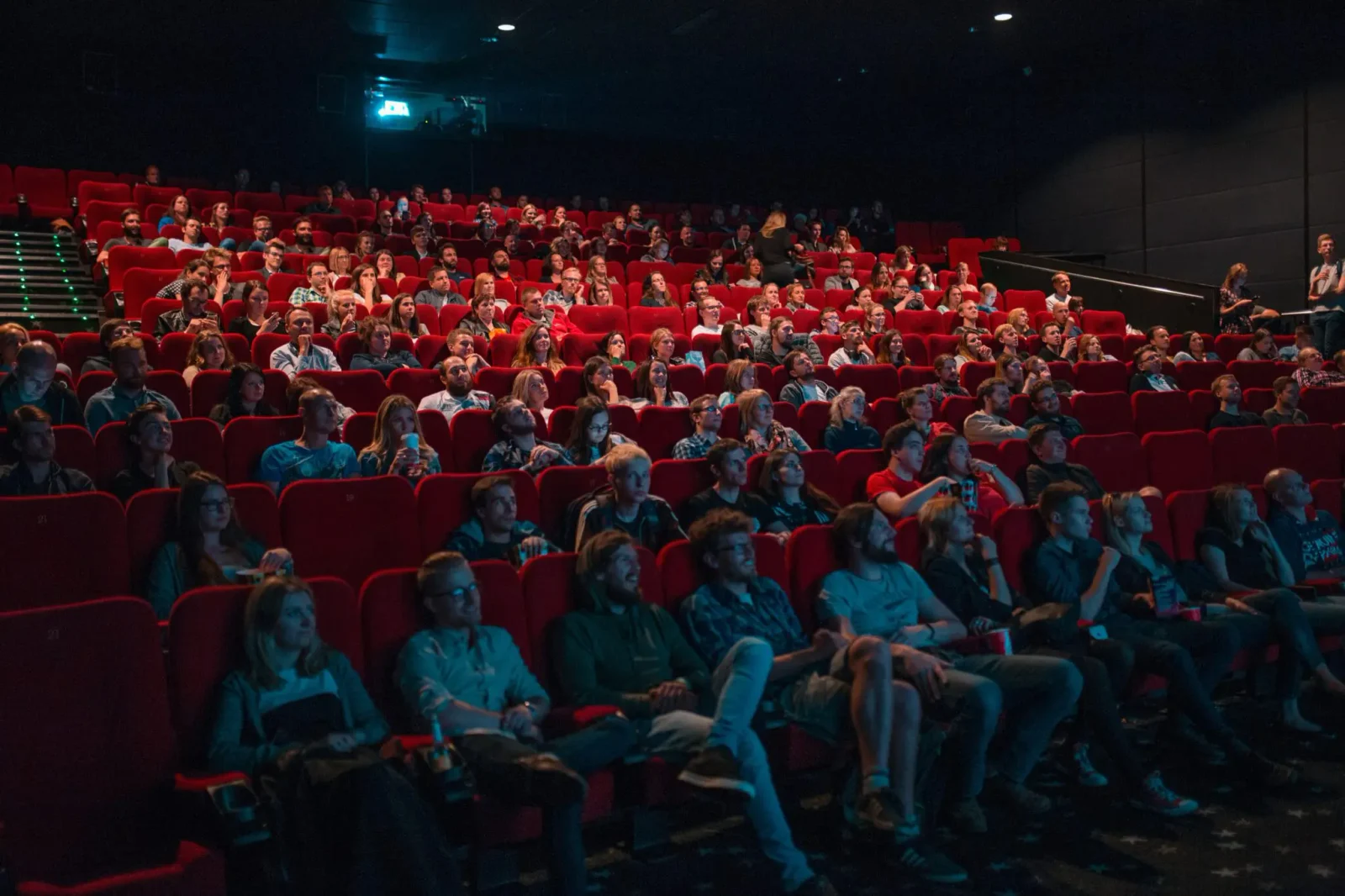
Lots of iconic spooky films are returning to Leeds cinemas this Halloween, alongside some new releases.
Now that October is here, there’s no denying that the spooky season is right around the corner, and Vue has announced that a whole host of creepy classics and the latest frightening flicks set to hit the big screen over the next couple of weeks – ranging from undeniable horrors, to family-friendly gems perfect for viewers of all ages.
Several cinemas across Leeds ill be taking part, including inside the Light and at Kirkstall.
Disney’s much-loved Hocus Pocus kicks off the lineup this month, before supernatural classics The Others and The Craft are back to terrify moviegoers from 16 October.
Iconic slasher film Scream – which is celebrating its 30th anniversary this year – also returns to cinemas from 23 October.
Image: Unsplash
Cult-classic Donnie Darko and Guillermo Del Toro’s masterpiece Pan’s Labyrinth round out the re-releases on 30 October, to celebrate their 25th and 20th anniversaries, respectively.
Then, when it comes to new releases, you can settle in to watch new psychological thriller, Verity, adapted from the acclaimed Colleen Hoover novel of the same name and starring Anne Hathaway and Dakota Johnson.
Meanwhile, Ghosts: The Possession of Button House, based on the beloved and award-winning BBC comedy, arrives on 23 October.
Other new releases include The Other Mommy, DC’s Clayface, and Crawlers.
And if the lineup wasn’t good enough as it is on its own, film lovers at Vue Quayside, Printworks, and Bolton can also enjoy Vue’s biggest and comfiest seat, the ‘Ultra Lux’ – which are strategically positioned to give the best possible view of the big screen with extra-wide armrests, a personal table for snacks and drinks, and a state-of-the-art beverage cooler.
“This October, we’re thrilled to be able to put on a raft of new and classic films for fans of scary and spooky films,” commented Mike Anton, who is the General Manager at Vue Manchester Printworks.
“From family-friendly comedy horrors to cult favourites, we know how gripping scary films can be and want to provide the very best big screen experience for people to enjoy every laugh and every scare this Halloween, leaving them with an experience they’ll feel forever.”
Find out the full lineup of films near you and book tickets online here.

 Emily Sergeant -
24th December 2024
Emily Sergeant -
24th December 2024