A bird's-eye view of Leeds, Sheffield, and Yorkshire
X
UK News
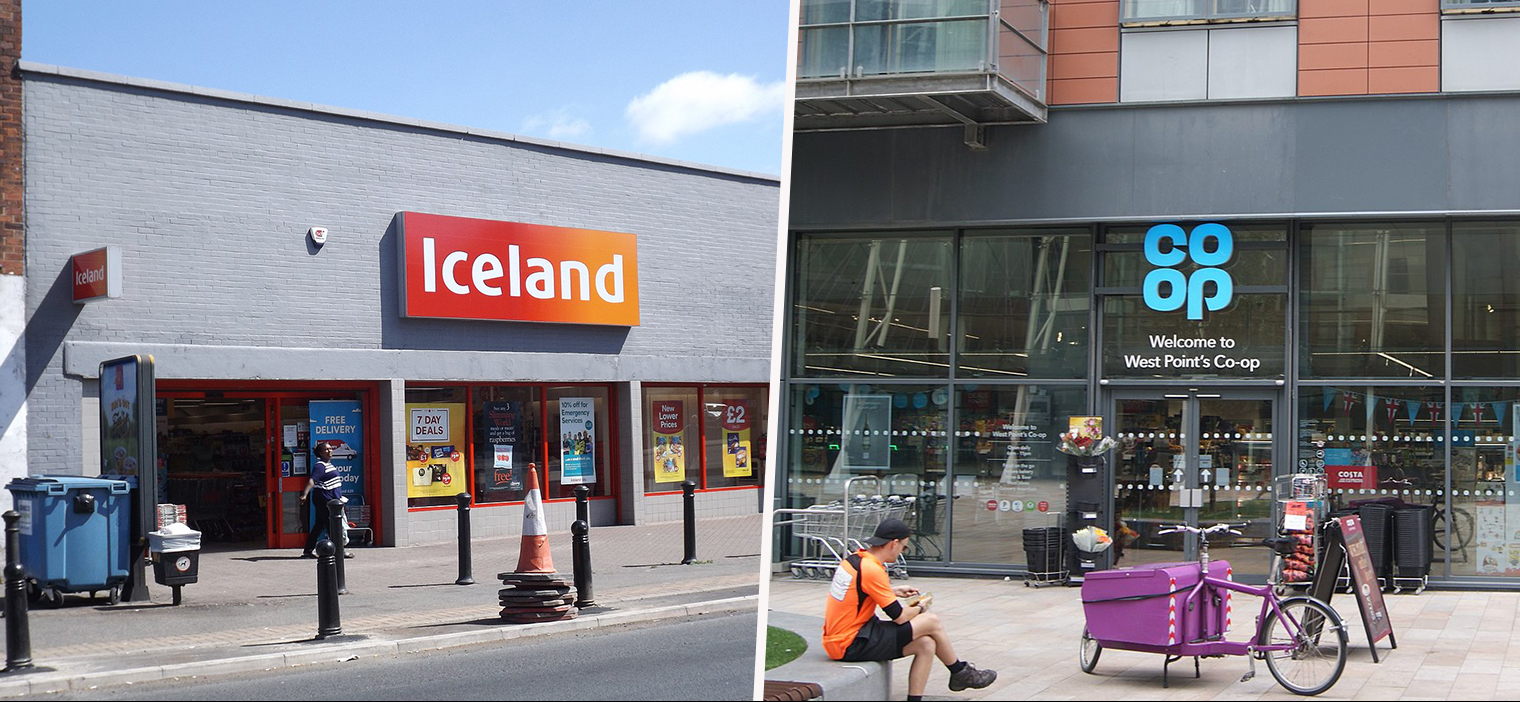
Iceland and Co-Op won’t force customers to wear masks in store
Despite new rules on mask wearing in shops and on public transport coming into force this week, the supermarkets say staff won't force customers to comply
Responding to new rules coming into force around mask wearing, supermarket bosses at Co-Op and Iceland have both said that their staff won't force customers to wear masks when shopping in stores.
In spite of new Covid rules coming into force from Tuesday this week, the supermarkets have said they won't be asking staff to enforce them.
Citing the "long-term recovery of the high street", Iceland's managing director Richard Walker said his staff could not and should not be asked to intervene if they see a customer in the store who is not wearing a mask.
He added: "we need to continue to encourage people to shop in stores if they feel comfortable".
The Co-Op has also said it would not be enforcing the use of face coverings and that customers will not be refused service at checkouts if they are not wearing one, reports The Sun.
Speaking to the Daily Mail, Mr Walker said: "We fully support the reintroduction of compulsory face masks in shops, however, we won't be asking our store colleagues to police it.
"Our store teams, alongside all retail workers, have shown heroic efforts in terms of ensuring safety for customers and building back consumer confidence and it's crucial that we stay focused on the long-term recovery of the high street.
"We need to continue to encourage people to shop in stores if they feel comfortable, and I'm hopeful that the latest guidelines won't discourage customers from doing so."
What are the new rules on mask wearing in England?
The comments come in response to announcements made over the weekend that rules on mask-wearing will be made stricter from Tuesday, 30 November 2021.
The public will be required once again to wear masks on public transport and in shops, banks and post offices, with police given renewed powers to issue those seen not to be complying with fines of between £200 and £6,400.
The new rules do not apply in bars and restaurants, however, nor in school classrooms, theatres, or cinemas.
What other measures are being brought in?
The Prime Minister has said that anyone arriving in England will need to take a PCR test for Covid-19. This must be taken on the second day of their arrival.
Travellers to England must then self-isolate until they have provided a negative test result.
Why have the measures on mask wearing been brought in now?
The new restrictions have been brought in in response to a new variant of Covid called Omnicron, which was named a "variant of concern" by the World Health Organisation on Friday.
So far, two cases have been detected in the UK and six in Scotland. The new variant is thought to be more transmissible, with scientists pointing to mutations in its spike protein.
They will be reassessed in three weeks time, on 21 December.
1,500 miles of roadworks have now been lifted across the UK.
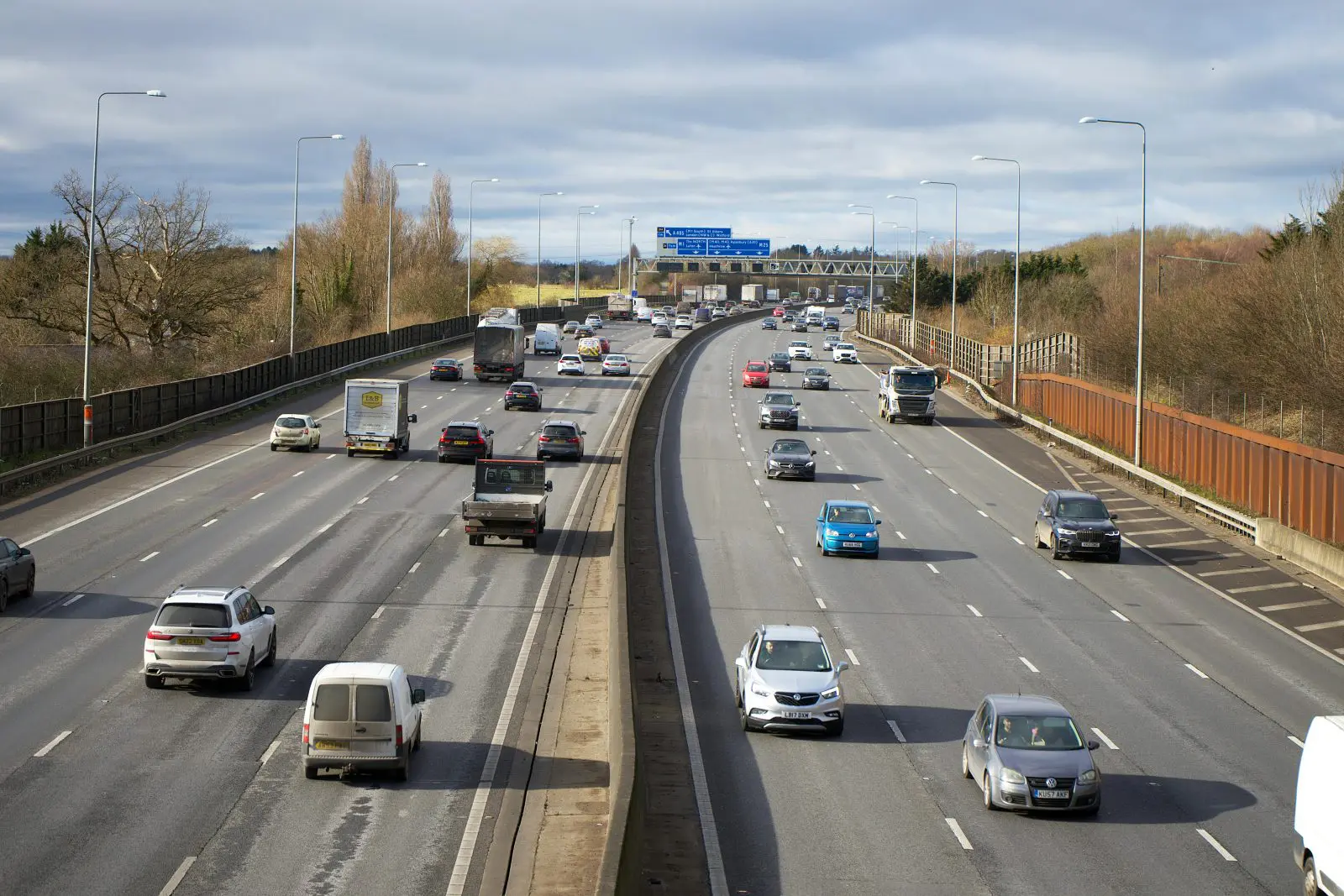
With half term well underway already, and now millions of drivers set to hit the road over the next five days as Easter bank holiday weekend arrives, giving Brits two extra days off, National Highways has now confirmed that, as of today (Thursday 2 April), around 1,500 miles of roadworks have been lifted nationwide.
Roads are expected to be ‘especially’ busy tomorrow in particular (Good Friday), National Highways predicts, as this is the day people are most likely to head on a spring getaway.
So, in a bid to help ease congestion for drivers up and down the motorways, roadworks have been removed up until Bank Holiday Monday (6 April).
“By keeping 98% of routes clear, we’re supporting the wider economy where it matters most to tourism, freight, and local businesses,” National Highways said in a statement.
1,500 miles of roadworks have been lifted to help ease congestion for drivers this bank holiday weekend / Credit: pxfuel
The decision to lift the roadworks comes as a new national survey revealed a total of 71,254 breakdowns were recorded in spring (March–May) last year, compared with 56,702 in 2022.
It also showed that more than one in two (53%) UK drivers have broken down on a motorway or major A-road in their lifetime, highlighting how common the experience is for both drivers and passengers, and why it’s important to take relevant safety precautions from all sides.
29% of drivers think their breakdown could have been prevented with simple vehicle safety checks, but 17% admit to rarely or never conducting these.
National Highways echoes the statement that most of these incidents could be avoided through ‘quick and basic’ checks, and is urging drivers heading away this bank holiday weekend to familiarise themselves with how to do these before hitting the roads, so they can reach their destinations safely, saving costs and reducing delays for all road users in the process.
“Millions of people will be hitting the roads over Easter, and we want everyone to have a safe and smooth journey,” commented Colin Stevenson, who is the Road Safety Information Lead at National Highways.
“A few simple checks can help to prevent many of the breakdowns we see each year and help drivers avoid unexpected delays, cost and stress.
“Our teams work around the clock to keep motorways and major A-roads moving and these small steps from drivers can make a big difference.”
Millions of UK workers to receive pay rises from today as National Living and Minimum Wage increases
Emily Sergeant
Millions of workers across the UK are set to begin receiving substantial pay rises from today.
After the Government announced back in November that it would take the recommendations made by the Low Pay Commission, and increase both the National Minimum Wage and National Living Wage, those changes have now come into force in a bid to ensure people on lower incomes are ‘properly rewarded’ for their work.
If you’re unfamiliar with the Low Pay Commission, it’s an independent body made up of employers, trade unions, and experts whose role is to advise the Government on the minimum wage.
As mentioned, the rate recommendations introduced today were agreed unanimously by the Commission.
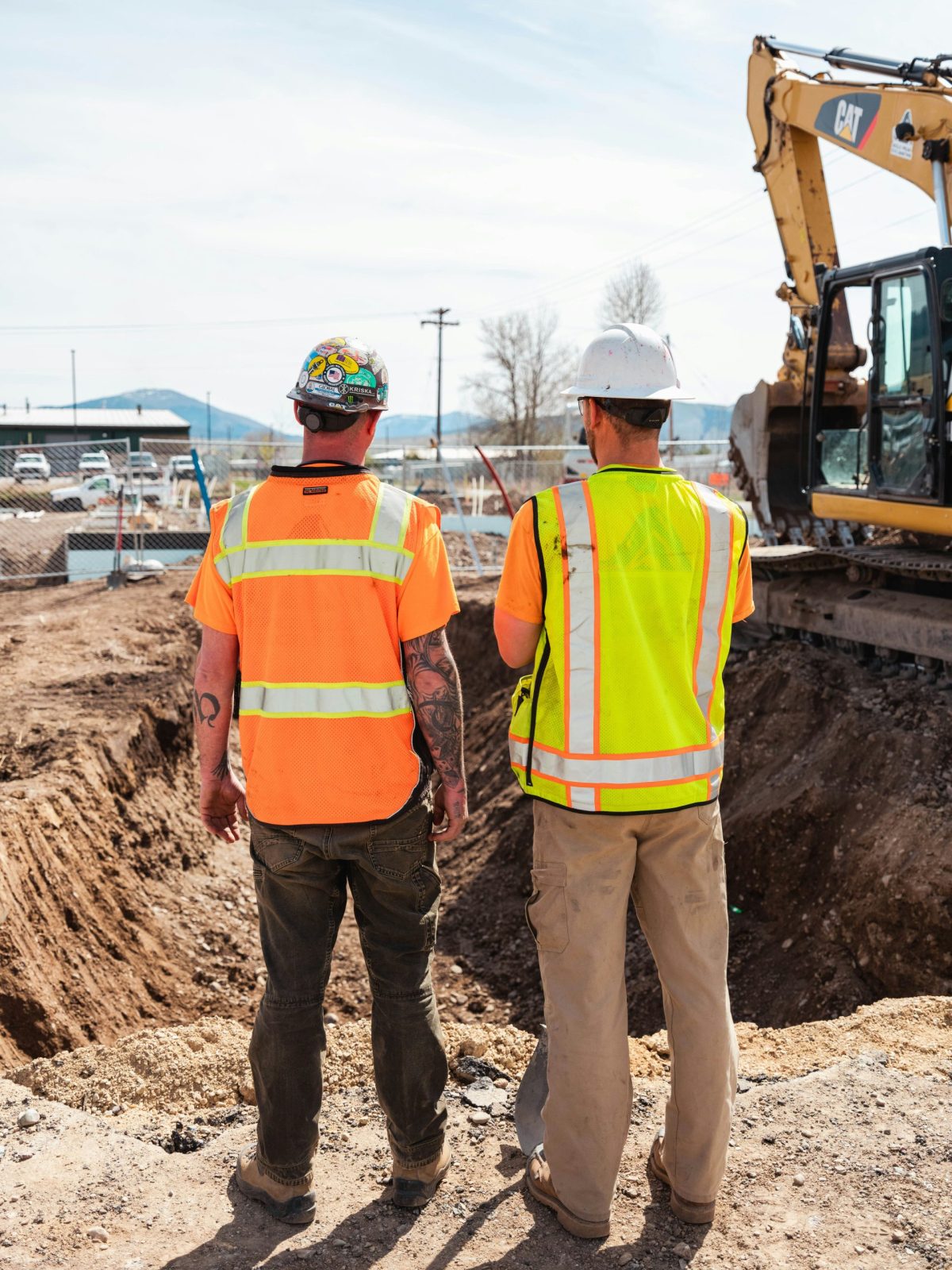
Millions of workers in the UK are getting pay rises from today / Credit: John Kakuk (via Unsplash) | Pexels
This means that the living wage, for eligible workers who are aged 21 and over, has now risen by 4.1% from today to £12.71 an hour.
For a full-time worker, that means a pay increase of £900 a year.
The National Minimum Wage rate for workers aged 18 to 20-year-olds has also increased today by 8.5% to £10.85 an hour, and then for 16 to 17-year-olds, and those on apprenticeships, the rate has increased by 6% to £8 an hour.
“The recommendations we made last autumn sought to balance the need to protect the economy and labour market, whilst providing a real-terms increase for the lowest-paid members of society,” commented Baroness Philippa Stroud, who is Chair of the Low Pay Commission.
“A lot has changed since we gave our advice to the Government last autumn, and we are now beginning to gather evidence for recommendations later this year.
“The current economic uncertainty makes it essential that the Commission hears from those affected by the minimum wage and builds consensus for evidence-based recommendations.
Workers aged 21 and over are now legally entitled to the National Living Wage after the age threshold for the highest rate was lowered from 23 in 2024.
National Minimum Wage rates are available to workers aged 16 upwards.

 The Hoot -
29th November 2021
The Hoot -
29th November 2021