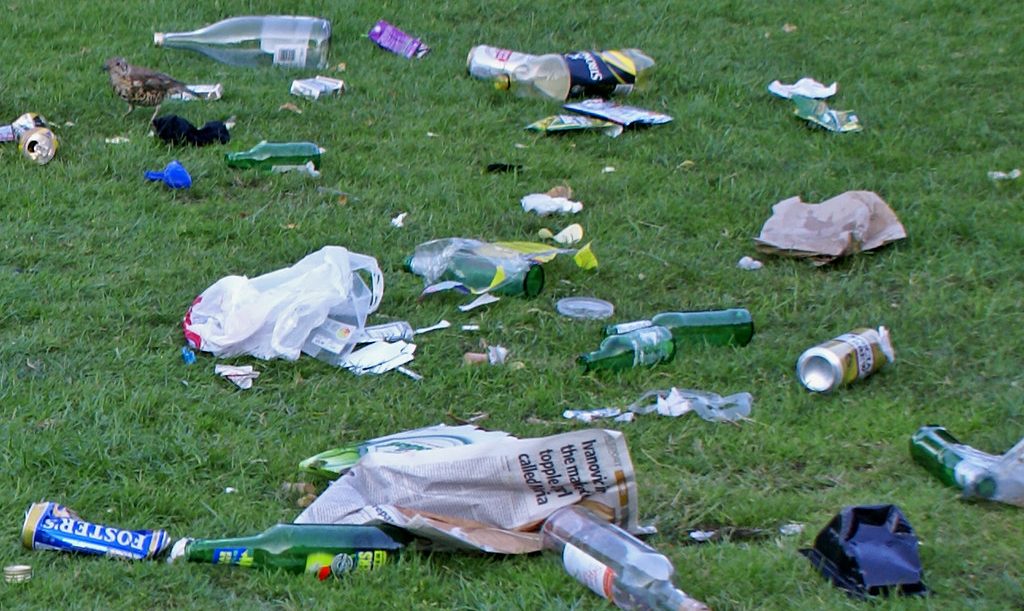
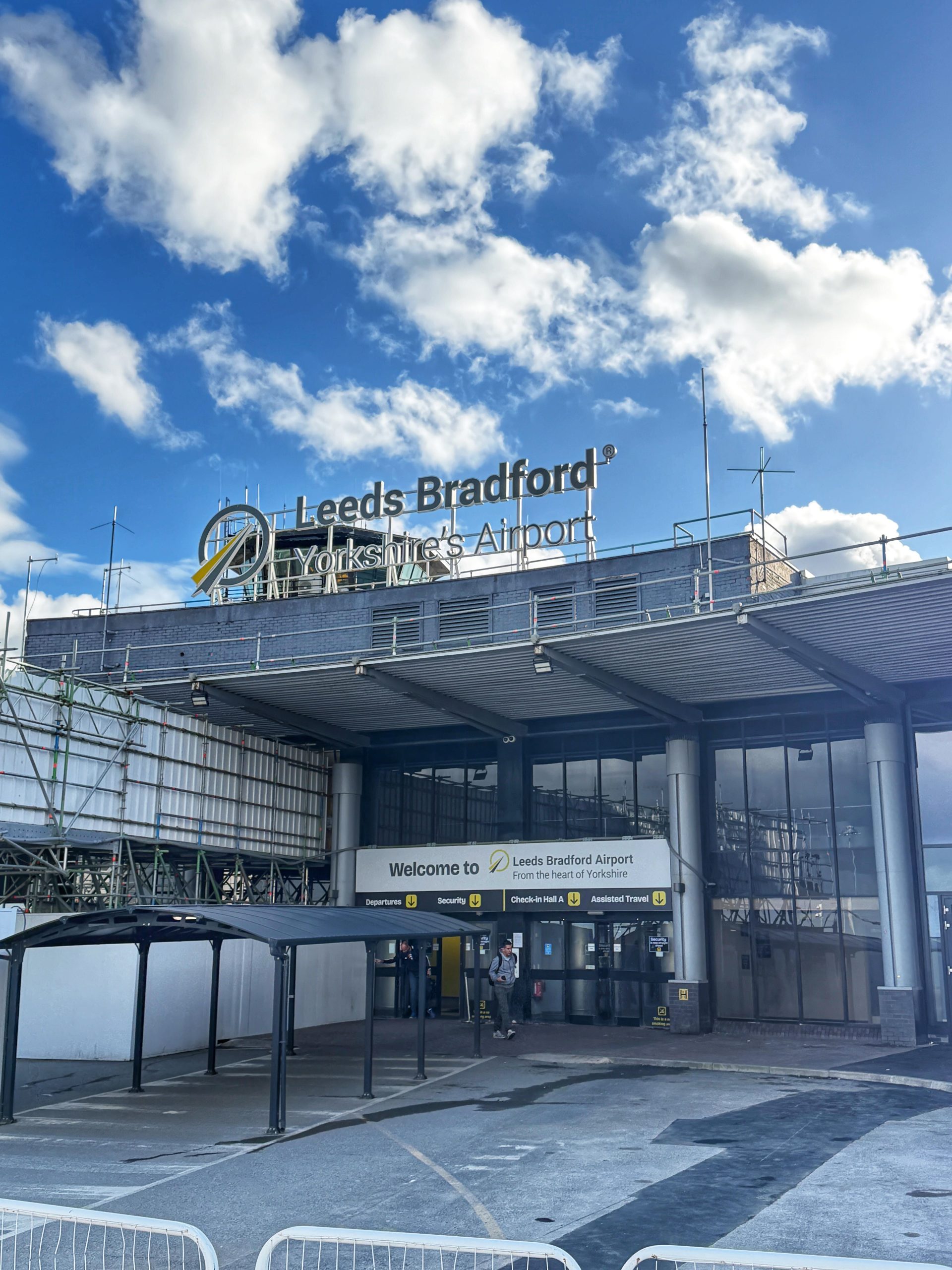
It has been revealed that Leeds City Council has dished out a fifth fewer fines for littering in 2020, compared to the year previous.
The figures - which have been revealed as part of InYourArea.co.uk’s 'Don't Trash Our Future' campaign launched last summer that aims to address the epidemic of littering in the UK - show that the council has issued a total of 2,331 fines last year.
This is compared to 2,958 fines handed out the year before.
A survey conducted of more than 7,500 people then also found that 85% saw litter as a big or major issue in their area, and almost two-thirds (64%) thought that the levels got worse as lockdown restriction eased.
Littering is a criminal offence, which carries a maximum fine of £2,500 and can be tried in a magistrates' court, but councils often instead issue £100 fines with discounts for paying quickly, instead of taking people to court.
Failure to pay can lead to prosecution.
John Read - Founder of Clean Up Britain - said that "serious fines and serious enforcement" are needed to tackle littering across the country - but Leeds social entrepreneur Rob Greenland thinks a long-term cultural shift is needed instead to ensure people take pride in the city's green spaces.
Mr Read said that £100 fines are "pathetic" and added that: "Councils need to understand that only behavioural change will resolve Britain's litter epidemic.
"A £100 fine, reduced to £50 if paid in 14 days, is not going to change anyone's behaviour.
"If local areas are to stop being litter-ridden - which most are - then we need serious fines and serious enforcement in this country.
But Mr Greenland argued that enforcement of littering laws should be a last resort, and said he'd be worried to see more fines handed out, stating: "I would have a bit of a concern that teenagers in skate parks are getting fined rather than a group of middle-class mums and dads having a picnic".
He continued: "The only way you can tackle this is if you get people who have pride in a place, then those who might see a lot of people who care about a place and think ‘I shouldn’t drop litter’.
"A lot of parks have got ‘friends of’ groups that are really active [and] there’s Litter Free Leeds who are picking litter all the time.
"But that’s a longer term cultural shift."
A Leeds City Council spokesperson said service disruptions caused by lockdowns, as well as lower footfall in usually-busy areas, should be taken into account when comparing yearly figures, and added that while the council aims to provide "more normal levels of litter clearance and prevention", COVID restrictions mean that services may still be limited.
The spokesperson said: "Local community litter picking is also a growing resource in the city with Litter Free Leeds ‘Womble’ groups doing more and more to tackle litter in local neighbourhoods,
"We continue to take a zero tolerance policy to littering in Leeds [and] the issuing of fines is one of the many tools that we use to tackle littering in the city.
"We believe the best way to tackle the issue of littering is to engage positively and constructively with people of all ages to ensure people understand their responsibilities in relation to litter and waste and that sustainable behaviour change remains a priority [but] unfortunately, there are some people who will ignore these type of messages and continue to litter.
"Therefore we are committed to using our full range of legal enforcement powers to tackle such waste and litter crimes."
David Renard - Environment Spokesperson for the Local Government Association - added that councils "work hard" to keep public spaces clean, but the pandemic has "undoubtedly" impacted the number of fines handed out.
"Responsibility for clearing up litter lies with the person dropping it or leaving it behind," he said.
"The COVID-19 lockdown restrictions over the past year will have undoubtedly impacted the number of these handed out [and] each council has to decide the best way to tackle litter in their individual communities.
"But whilst we recognise that responses have to be proportionate, measures must be robust enough to tackle abuse of the local environment".
Featured Image - Flickr
Trending
1,500 miles of roadworks lifted to help ease traffic this bank holiday weekend
1,500 miles of roadworks have now been lifted across the UK.
With half term well underway already, and now millions of drivers set to hit the road over the next five days as Easter bank holiday weekend arrives, giving Brits two extra days off, National Highways has now confirmed that, as of today (Thursday 2 April), around 1,500 miles of roadworks have been lifted nationwide.
Roads are expected to be ‘especially’ busy tomorrow in particular (Good Friday), National Highways predicts, as this is the day people are most likely to head on a spring getaway.
So, in a bid to help ease congestion for drivers up and down the motorways, roadworks have been removed up until Bank Holiday Monday (6 April).
“By keeping 98% of routes clear, we’re supporting the wider economy where it matters most to tourism, freight, and local businesses,” National Highways said in a statement.
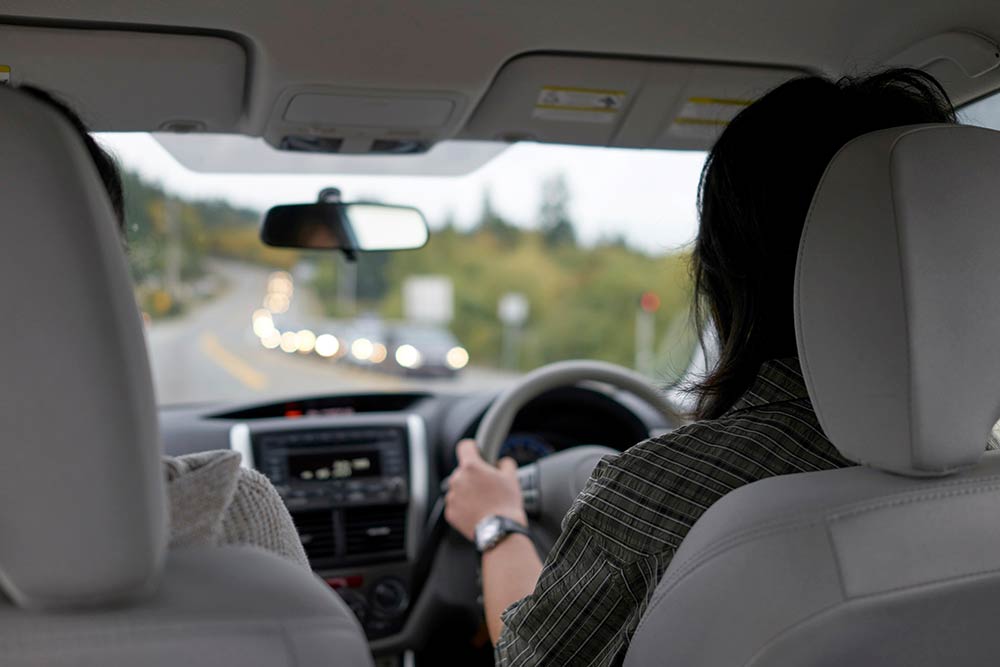
1,500 miles of roadworks have been lifted to help ease congestion for drivers this bank holiday weekend / Credit: pxfuel
The decision to lift the roadworks comes as a new national survey revealed a total of 71,254 breakdowns were recorded in spring (March–May) last year, compared with 56,702 in 2022.
It also showed that more than one in two (53%) UK drivers have broken down on a motorway or major A-road in their lifetime, highlighting how common the experience is for both drivers and passengers, and why it’s important to take relevant safety precautions from all sides.
29% of drivers think their breakdown could have been prevented with simple vehicle safety checks, but 17% admit to rarely or never conducting these.
National Highways echoes the statement that most of these incidents could be avoided through ‘quick and basic’ checks, and is urging drivers heading away this bank holiday weekend to familiarise themselves with how to do these before hitting the roads, so they can reach their destinations safely, saving costs and reducing delays for all road users in the process.
“Millions of people will be hitting the roads over Easter, and we want everyone to have a safe and smooth journey,” commented Colin Stevenson, who is the Road Safety Information Lead at National Highways.
“A few simple checks can help to prevent many of the breakdowns we see each year and help drivers avoid unexpected delays, cost and stress.
“Our teams work around the clock to keep motorways and major A-roads moving and these small steps from drivers can make a big difference.”
Millions of UK workers to receive pay rises from today as National Living and Minimum Wage increases
Emily Sergeant
Millions of workers across the UK are set to begin receiving substantial pay rises from today.
After the Government announced back in November that it would take the recommendations made by the Low Pay Commission, and increase both the National Minimum Wage and National Living Wage, those changes have now come into force in a bid to ensure people on lower incomes are ‘properly rewarded’ for their work.
If you’re unfamiliar with the Low Pay Commission, it’s an independent body made up of employers, trade unions, and experts whose role is to advise the Government on the minimum wage.
As mentioned, the rate recommendations introduced today were agreed unanimously by the Commission.
Millions of workers in the UK are getting pay rises from today / Credit: John Kakuk (via Unsplash) | Pexels
This means that the living wage, for eligible workers who are aged 21 and over, has now risen by 4.1% from today to £12.71 an hour.
For a full-time worker, that means a pay increase of £900 a year.
The National Minimum Wage rate for workers aged 18 to 20-year-olds has also increased today by 8.5% to £10.85 an hour, and then for 16 to 17-year-olds, and those on apprenticeships, the rate has increased by 6% to £8 an hour.
“The recommendations we made last autumn sought to balance the need to protect the economy and labour market, whilst providing a real-terms increase for the lowest-paid members of society,” commented Baroness Philippa Stroud, who is Chair of the Low Pay Commission.
“A lot has changed since we gave our advice to the Government last autumn, and we are now beginning to gather evidence for recommendations later this year.
“The current economic uncertainty makes it essential that the Commission hears from those affected by the minimum wage and builds consensus for evidence-based recommendations.
Workers aged 21 and over are now legally entitled to the National Living Wage after the age threshold for the highest rate was lowered from 23 in 2024.
National Minimum Wage rates are available to workers aged 16 upwards.