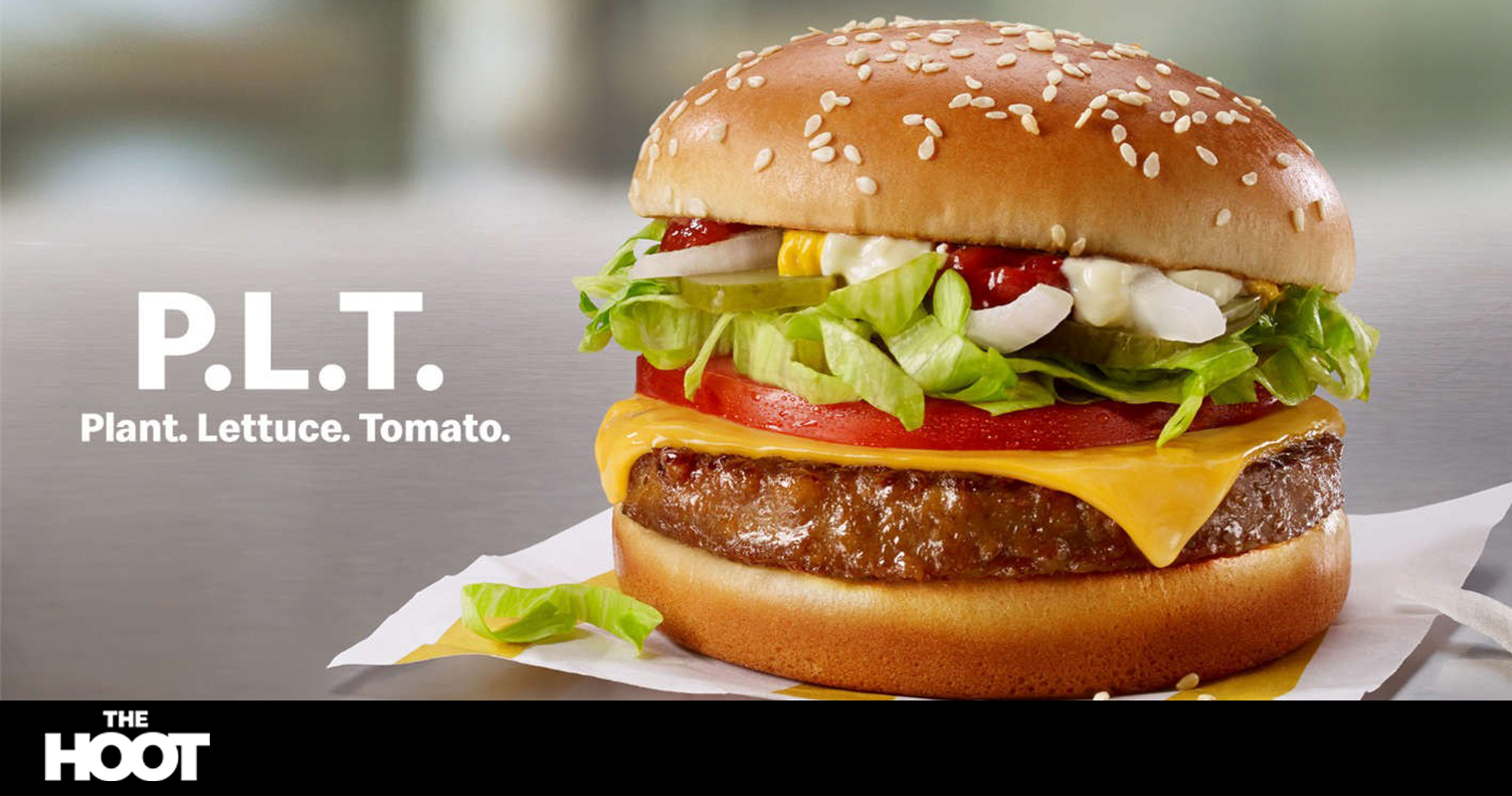
It seems that McDonald's has finally embraced the vegan burger trend, with the fast food giant announcing the release of its new McPlant burger this week.
It all began in early 2019 with a sausage roll. Now, it seems like everyone's at the vegan fast-food game - with big brands from KFC to Burger King getting in on the action.
Better late than never, McDonald's has caught up to the trend at last with the release of this new menu addition - and we expect there's going to be some very excited vegans as a result.
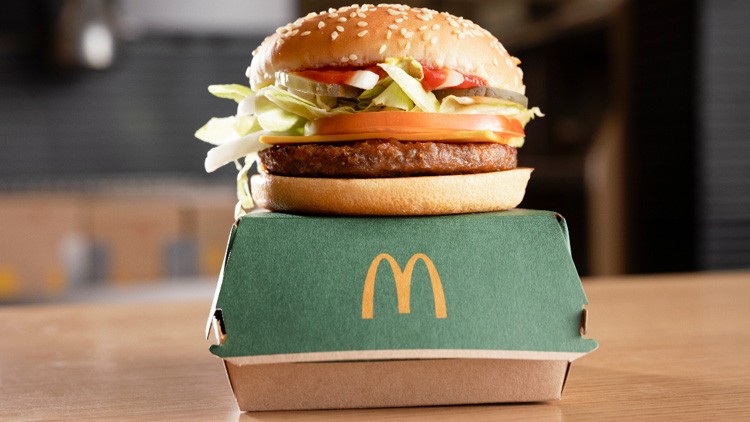
Image: The McPlant burger
Developed in partnership with vegan brand Beyond Meat, the 'McPlant' burger has reportedly been in the works for three years now and has just been certified as vegan by the Vegetarian Society.
The new menu addition mimicks McDonald's popular Quarter Pounder, coming filled with a Beyond Meat patty, ketchup, mustard, vegan special sauce, onions, pickles, lettuce, tomato and vegan cheese on a vegan sesame-seed bun.
The chain has assured customers that the vegan burgers will be kept separate from its meat and dairy products, and will be cooked on a separate grill to ensure that the vegan meal isn't contaminated with meat.
Staff will also use dedicated utensils for the new plant-based offerings.
McDonald’s signed a three-year partnership with Beyond Meat earlier this year, and it is expected that the McPlant burger is just the first product to come of a range of plant-based offerings - such as plant-based chicken burgers and vegan egg breakfast sandwiches.
Previously only available to try in European countries like Sweden, Denmark and Austria, it's finally landing in Leeds next month as part of a UK-wide rollout.
It will first launch in 10 select McDonald’s locations in Coventry on 29 September, before expanding out to over 250 UK locations on 13 October - with some Leeds sites expected to be included.
It will roll out to all McDonald’s restaurants in the UK fully next year.
News
Leeds farm welcomes five calves from one of the UK’s rarest cattle breeds
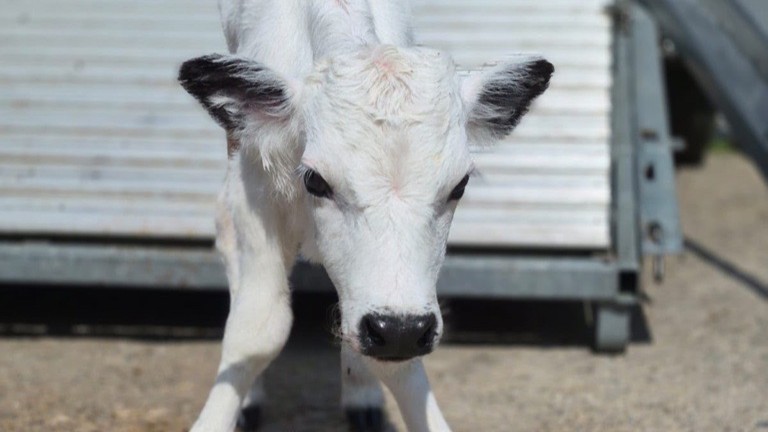
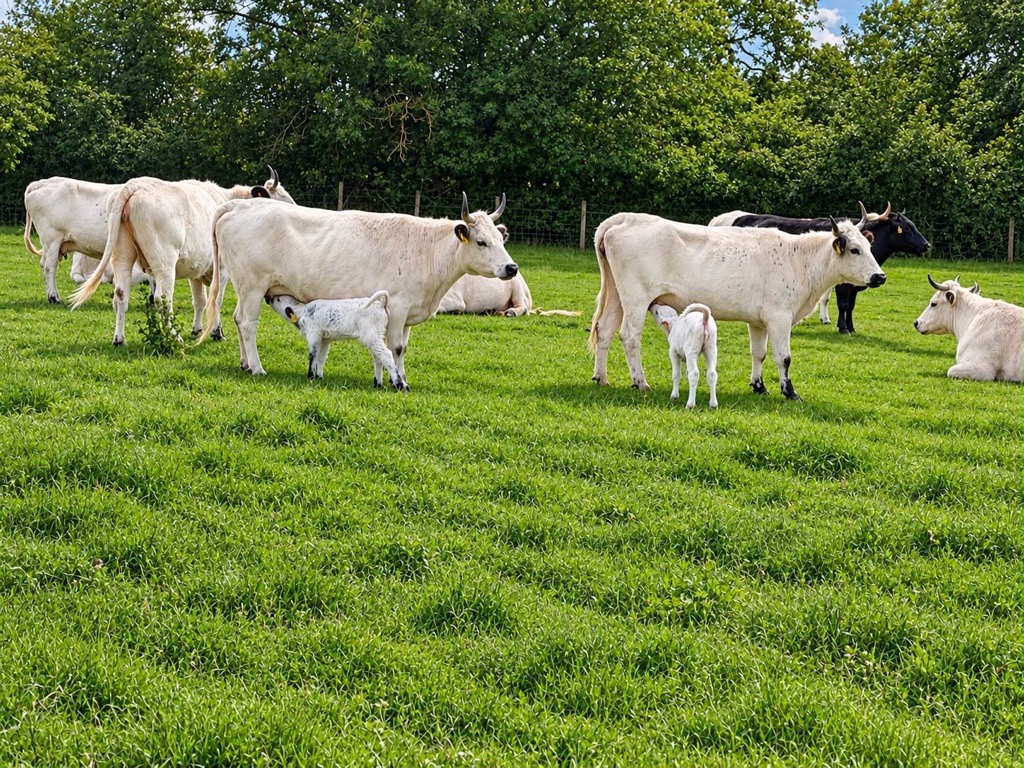
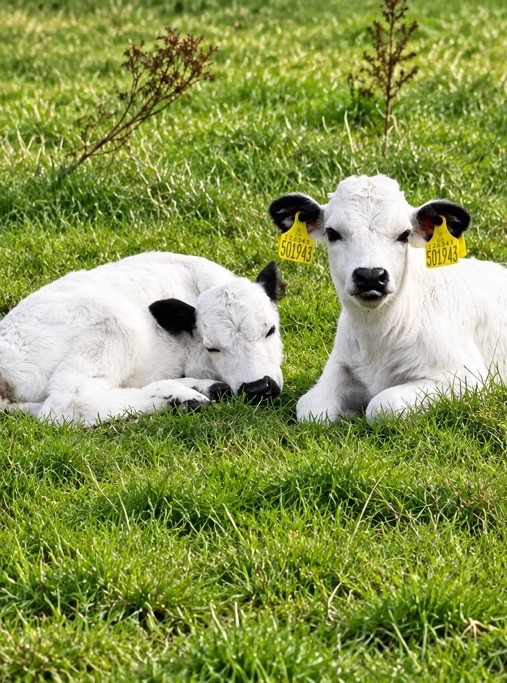
One of the rarest cattle breeds in the UK has had calves at Temple Newsam’s farm.
We think this might be the cutest story we've written about all year.
Categorised as ‘priority’ by the Rare Breed Survival Trust (RBST), Vaynol cows originate from North Wales and were first established in the late 19th Century.
The herd over at Temple Newsam stems directly from that first herd, having lived there since the 1980’s.
Images: Leeds City Council
And now, they've welcomed five new calves - and the beautiful new arrivals are just five of 150 animals in the UK.
Vaynols can now be found in five locations in the UK, with Temple Newsam’s Home Farm currently home to one bull, 14 breeding cows, five heifers these amazing new calves.
Richard Aldis, farm manager at Temple Newsam, said: “We’re so thrilled to have welcomed these little ones to the farm.
“The team here works hard to protect these rare breeds that the farm is home to and it’s always wonderful when we can successfully grow the herd. The calves are settling in well and we’re just thinking about names for them.”
Councillor James Gibson, Leeds City Council’s executive member for environment, said: “It’s wonderful to hear the news about these rare little calves being born, it is truly a testament to the important work that is done by the team at Temple Newsam’s Home Farm in preserving these breeds for future generations.
“There is so much for visitors to enjoy at the estate. Alongside the farm and its wonderful animals, people can explore the magnificent Temple Newsam House, enjoy the new bike park, and visit the recently opened play barn. It really is a fantastic day out for the whole family.”
Government announces all national museums across the UK will remain FREE for everyone to visit
Emily Sergeant
Dozens of national museums across the UK are set to remain free for everyone to visit, it has been confirmed.
Funded by the Department for Culture, Media and Sport (DCMS), the 14 national museums of the UK are all located in England – including the Royal Armouries in Leeds – and free entry to was first introduced all the way back in 2001, with millions of visitors having benefitted since.
National museums are said to add more than £1 billion a year to the economy, and bring in visitors from all over the world.
In fact, seven of the UK’s 10 most visited museums are national museums, and 7.1 million people visited the Natural History Museum and 6.4 million visited the British Museum in 2025 alone.
Earlier this year though, the Government committed to working with local leaders and the museum and tourism sectors to explore whether charging overseas visitors could help museums’ finances.
But following this, it’s now believed that charging could deter visitors, and that the impacts and benefits would ‘not be felt equally’ across the sector.
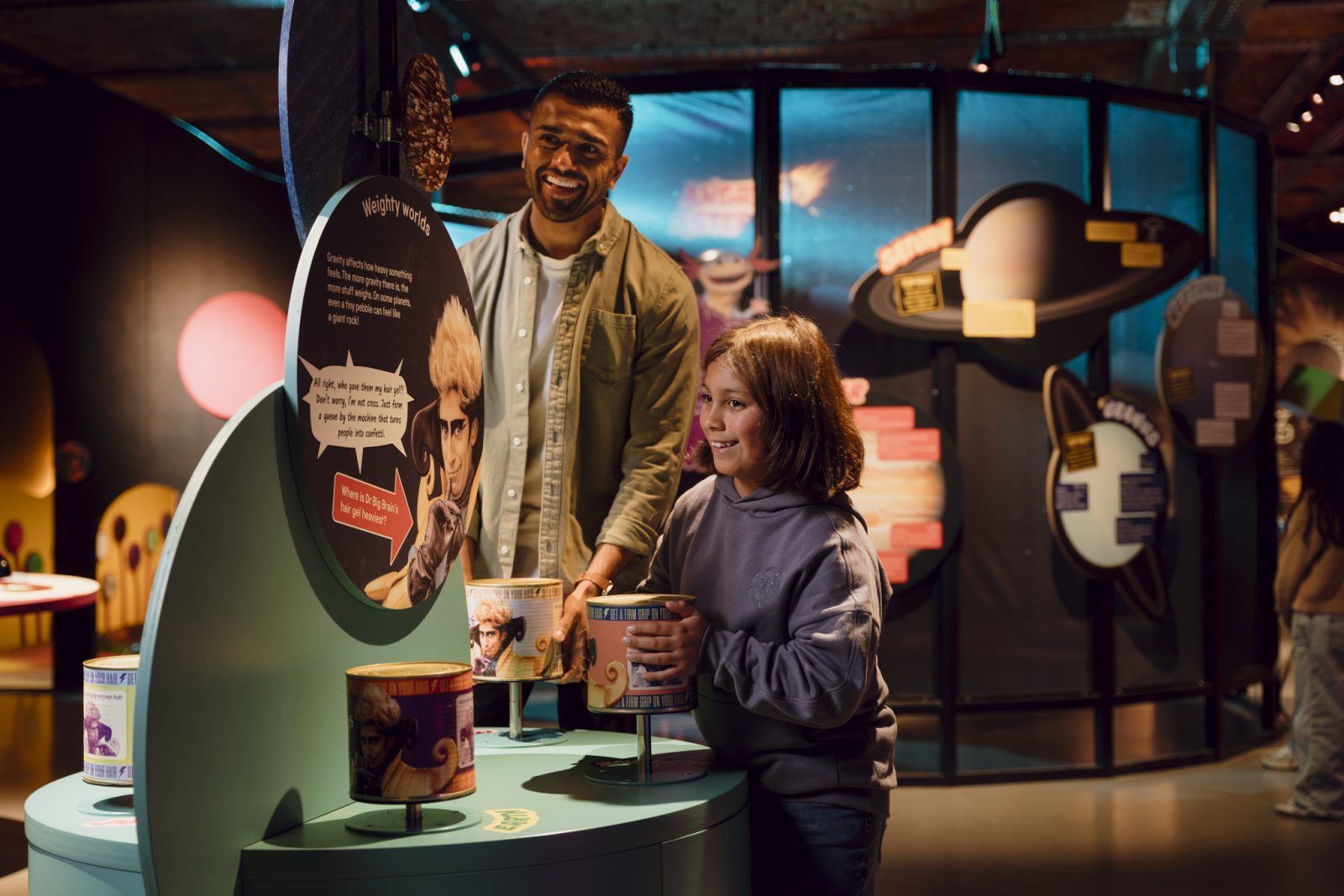
The Government has announced that all national museums in the UK will remain free for everyone to visit / Credit: Science Museum Group
Instead, the free entry will be funded by the £1.5 billion Arts Everywhere Fund – which is providing £760 million for museums – while £600 million of infrastructure funding is supporting national museums and DCMS-sponsored cultural organisations.
The latter funding will be used to address critical maintenance and works to estates, and enable institutions to deliver on their commitments to share collections with visitors from around the world.
A further £160 million is coming from The Museum Estates and Development Fund to help museums tackle maintenance backlogs.
On top of that, the Government will work with Arts Council to develop a long-term strategic plan for the future of museums.

 Georgina Pellant -
9th September 2021
Georgina Pellant -
9th September 2021