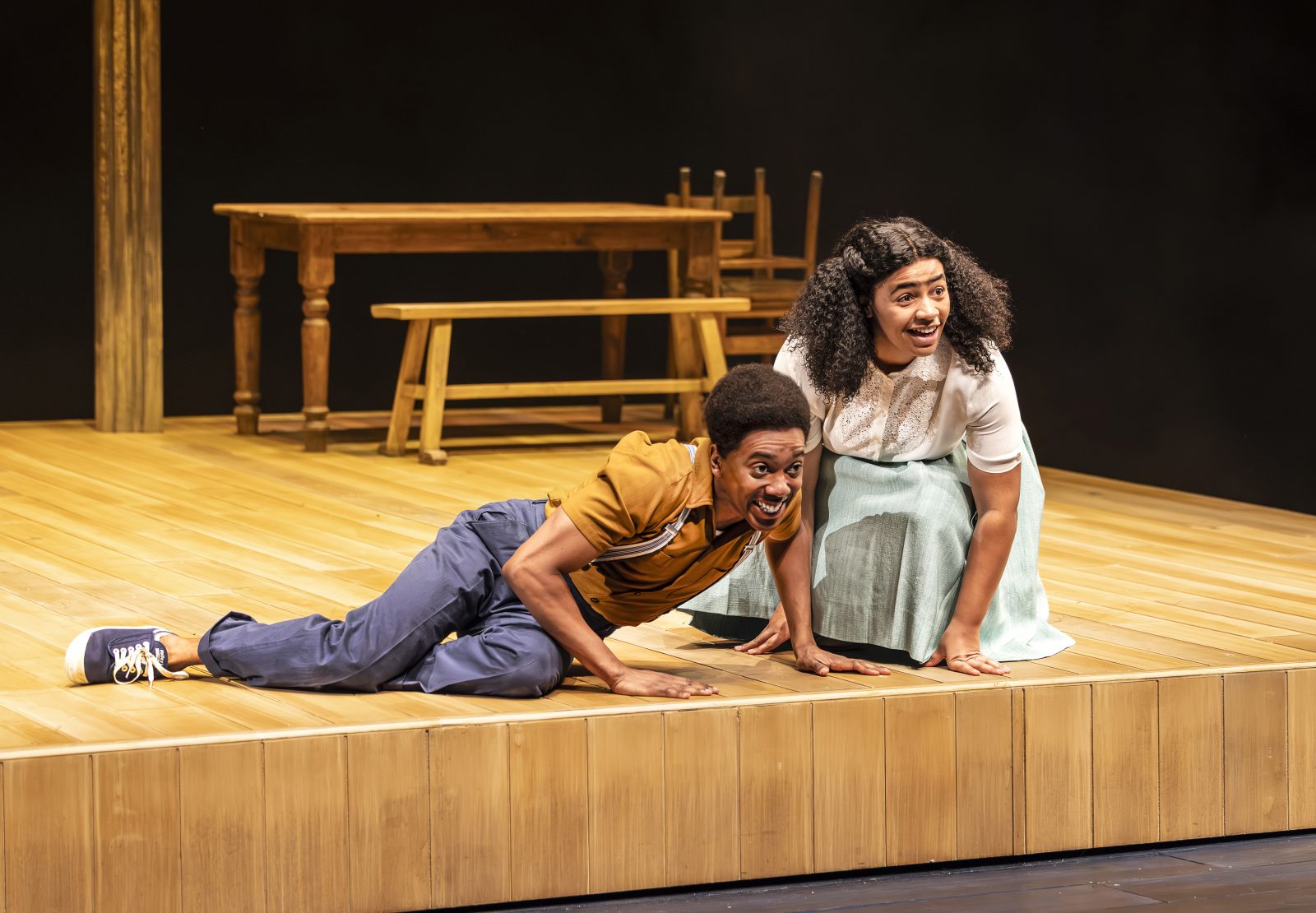
Leeds Playhouse’s latest production brings a vital and often underrepresented chapter of British history powerfully to the stage.
Small Island, directed by Olivier Award-winner Matthew Xia, serves as a compelling microcosm of the migrant experience during the Windrush generation, placing memory, dreams, empire, and entitlement firmly at its core.
This bold and deeply affecting staging expands Andrea Levy’s celebrated novel into a rich, immersive theatrical experience that feels both epic in scope and strikingly intimate. Moving fluidly between Jamaica and postwar London, the production captures the dislocation, resilience, and quiet courage of those who arrived with hope, only to be met with hostility and exclusion.
Image: Supplied
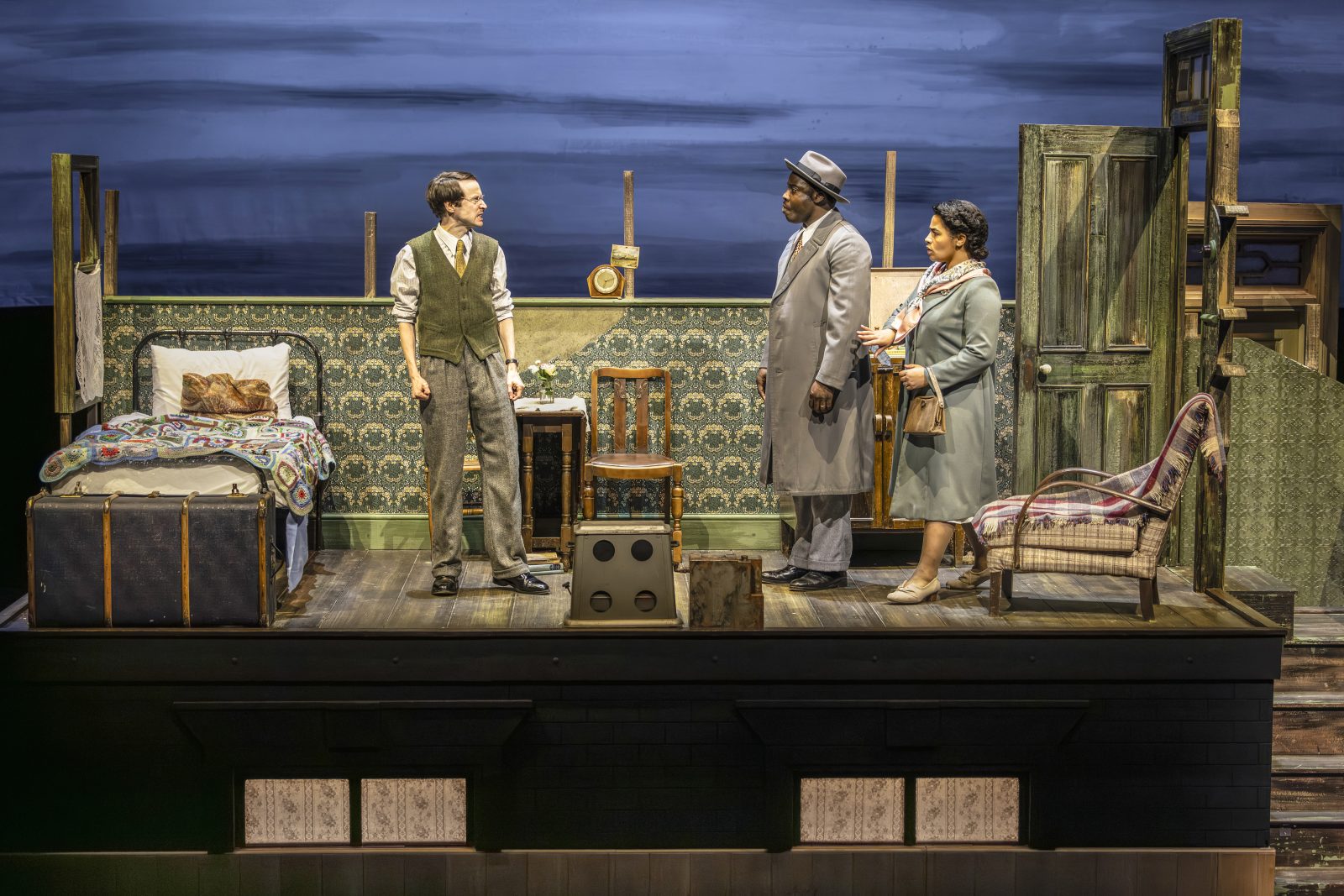
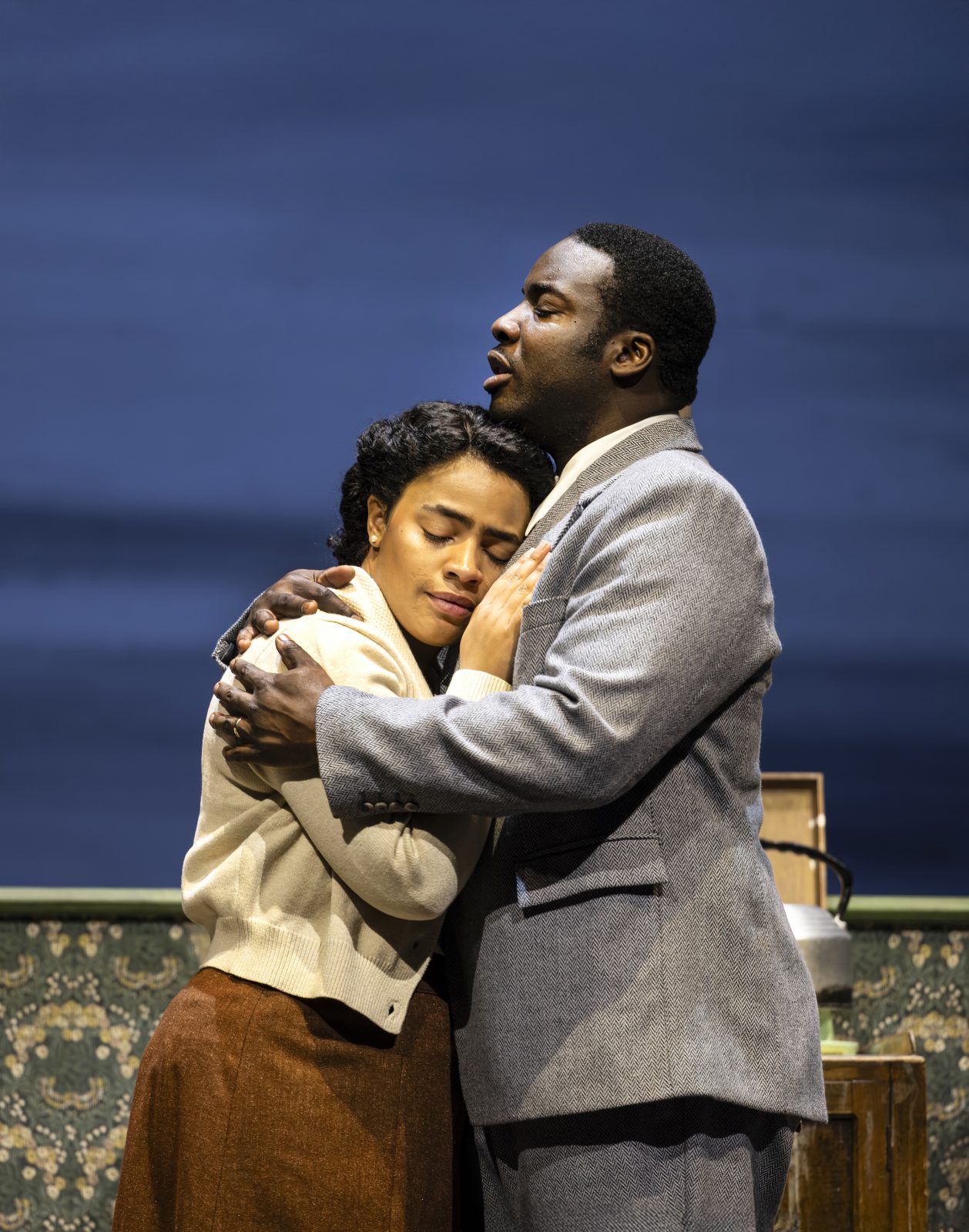
Hortense and Gilbert’s pursuit of dignity and opportunity is portrayed with warmth and nuance, while Queenie’s compassion and Bernard’s unease reflect a nation grappling with profound social change. The play weaves together multiple narratives shaped by the Windrush era, each driven by a desire for a better life, and each revealing the emotional and physical toll of that journey.
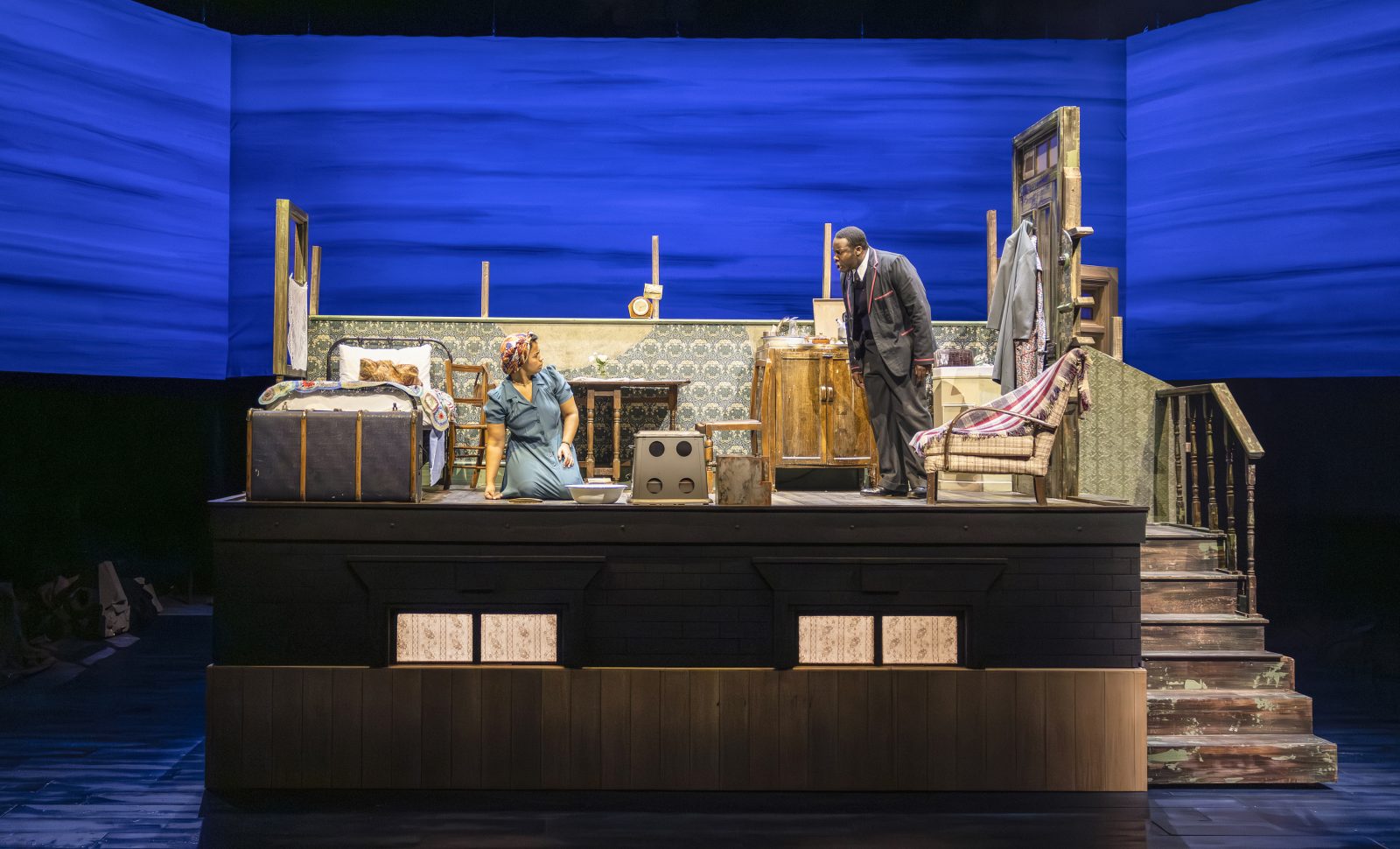
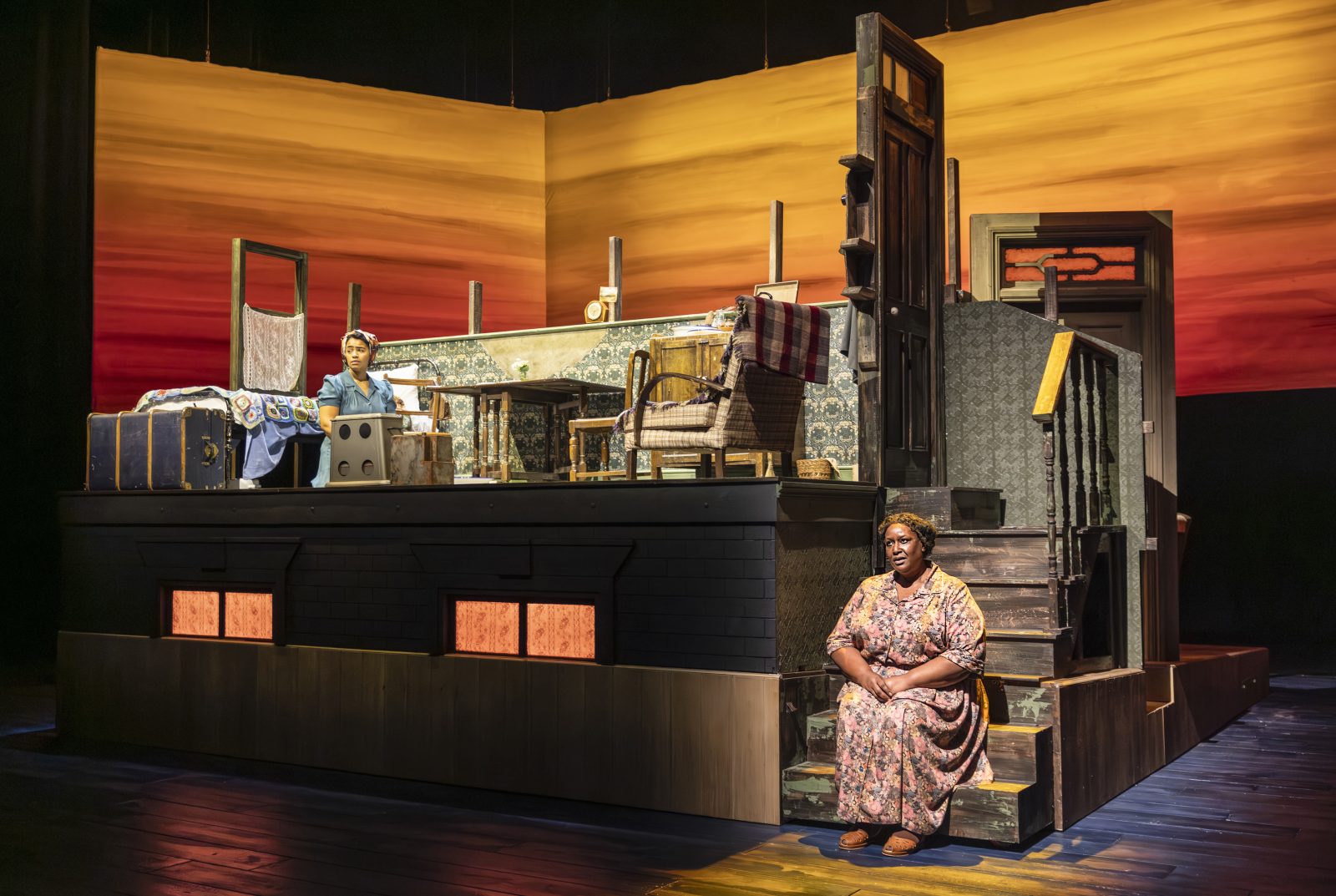
What sets this production apart is its remarkable balance between sweeping historical scope and emotional intimacy. The lilting rhythms of calypso infuse the piece with moments of joy and nostalgia, while stark staging and visual contrasts underscore the bleak realities of 1940s Britain. The parallel lives of the characters highlight the shared struggles faced by many Caribbean migrants of the time.
Image: Supplied
One of the most striking elements is the rotating house in Act Two, which becomes a powerful visual metaphor for division and displacement, physically embodying the discomfort and fractured realities of the characters’ lives. Meanwhile, the use of projection reminiscent of archival broadcast footage transports the audience across continents, deepening the sense of time, place, and lived experience.
At times, the play is harrowing, bringing the struggles of the Windrush generation into sharp focus and leaving the audience in disbelief at the treatment endured. There are moments so charged that you feel compelled to respond to challenge, to question, to intervene. Yet amid the hardship, there remains a strong sense of warmth and the enduring promise of hope. Bronte Barbe delivers a compelling performance as Queenie, portraying her compassion with sincerity and strength.
Image: Supplied
However, the standout performance comes from Anna Crichlow as Hortense, offering a powerhouse portrayal that beautifully captures a character driven by ambition, resilience, and deep self-respect.
For those who may have only briefly encountered the Windrush generation in education, this production feels especially vital. It not only illuminates the trials and tribulations faced by a generation but also resonates with ongoing conversations about migration and belonging today.
There is a force in its vision that allows the audience to feel both the physical and emotional realities of the story. Though it does not shy away from bleakness, it ultimately offers connection, reflection, and a reminder of the enduring human capacity for hope.
Image: Supplied
Overall, Small Island is a captivating and emotionally rich production from start to finish. The cast skillfully balances moments of humour with deeply moving scenes, creating a theatrical experience that lingers long after the final curtain. The stories it tells of resilience, injustice, and aspiration feel more relevant than ever.
Theatre continues to act as a powerful lens through which we can better understand both our history and our present, and this production stands as a compelling reminder of why these stories must continue to be told.
Running at Leeds Playhouse, Quarry Theatre until 28 March and you can get your tickets here.
One of Leeds' most iconic brands is expanding with two city centre openings.
Coffee lovers, you're going to love this one.
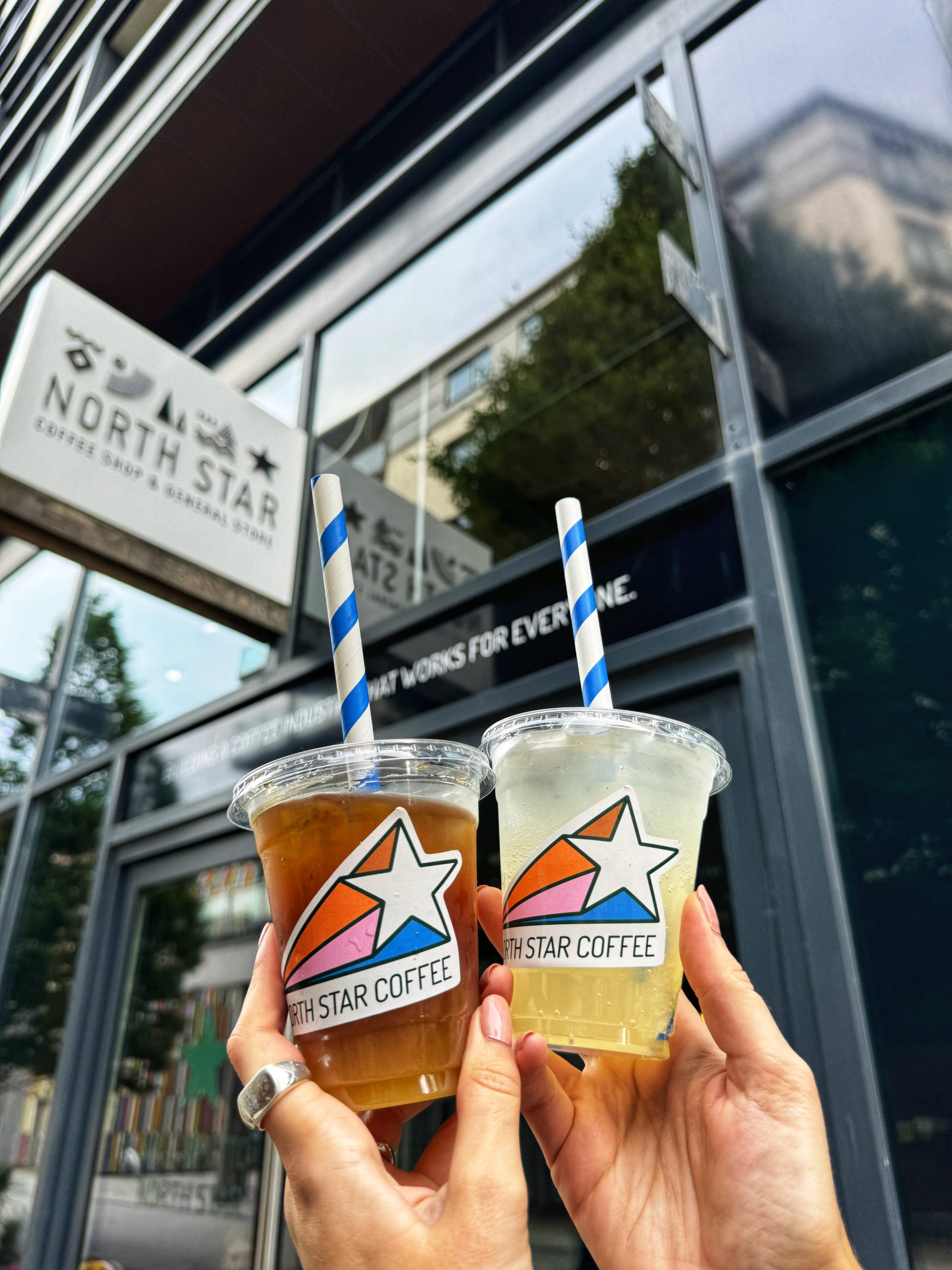
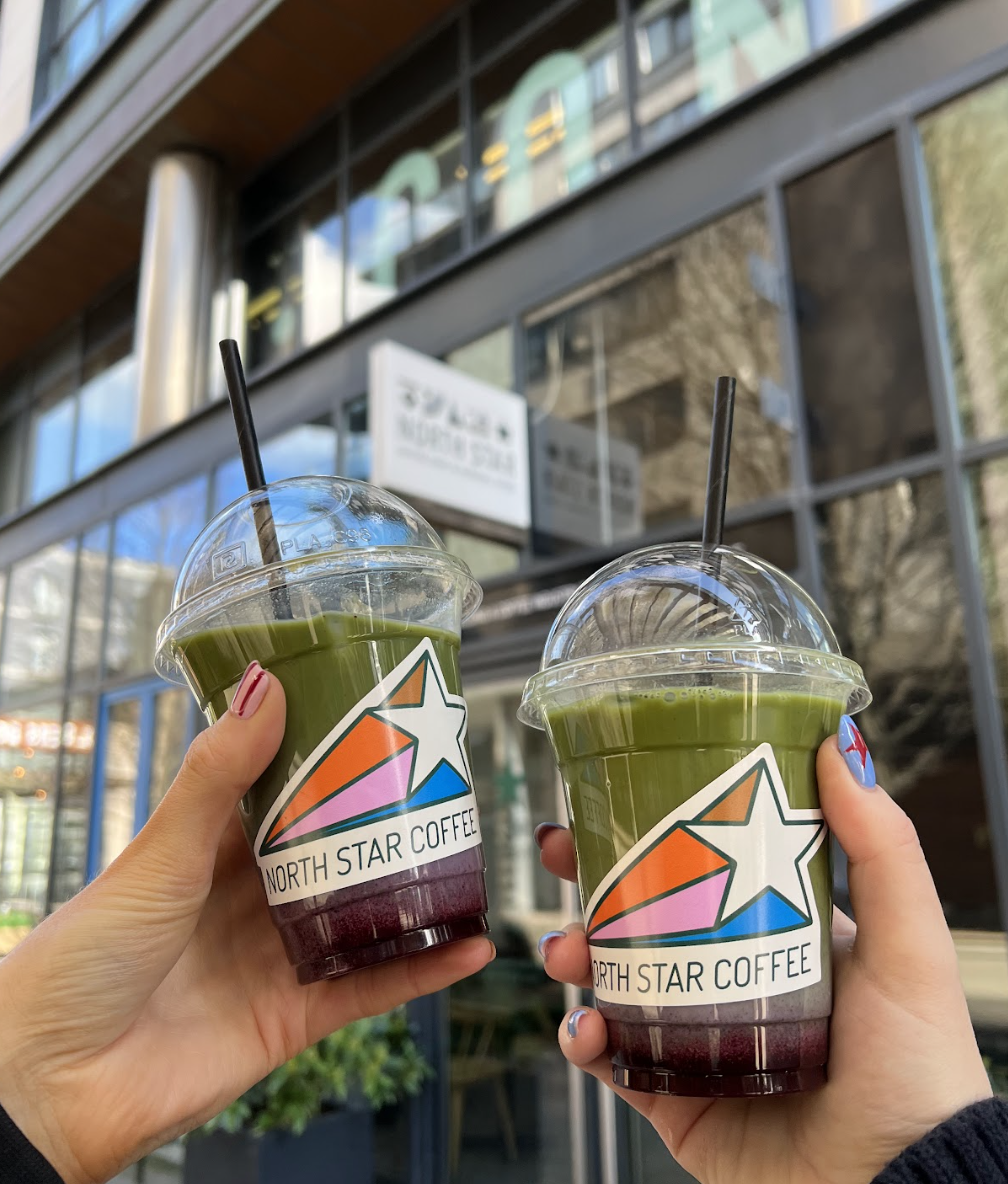
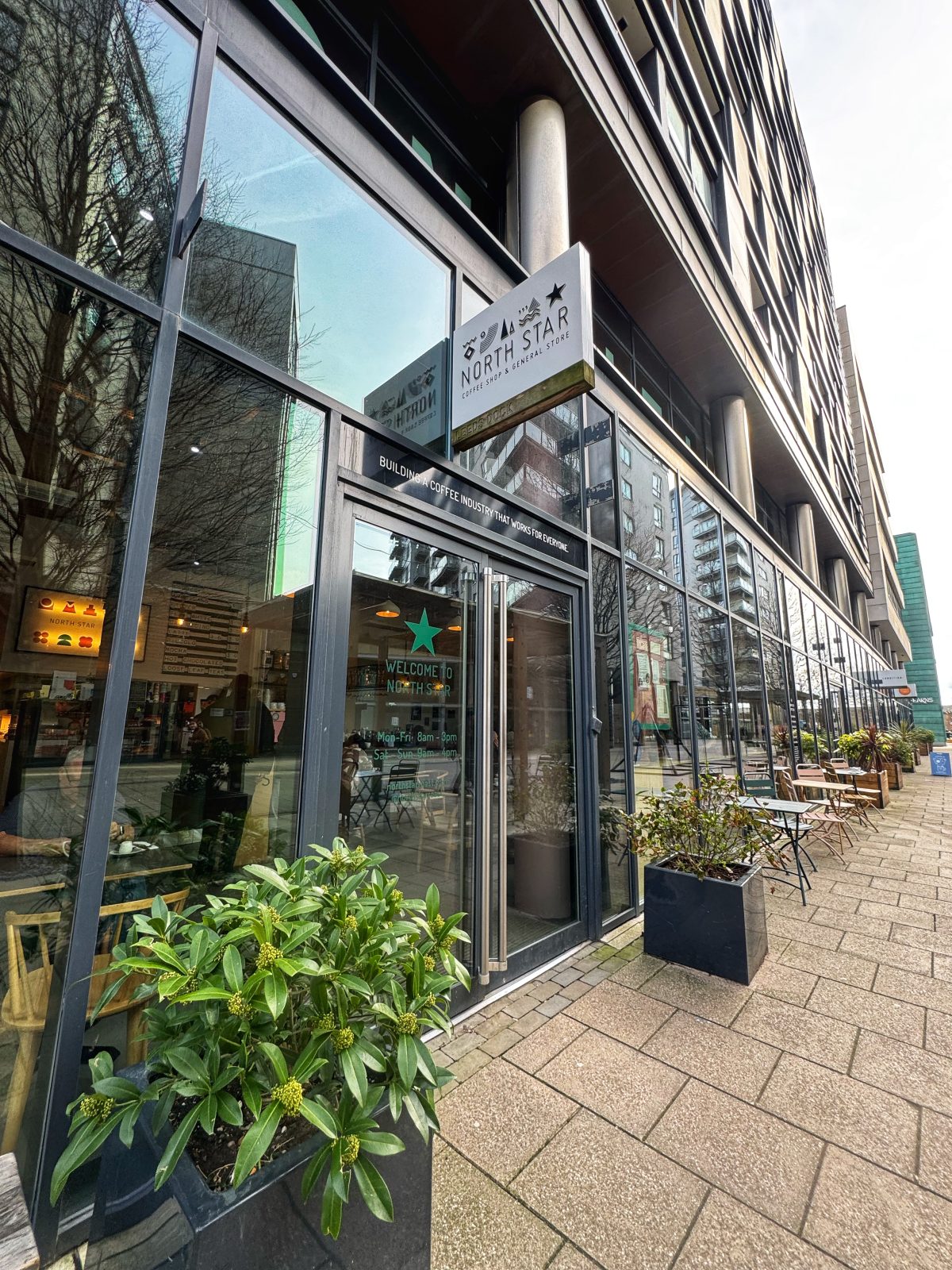
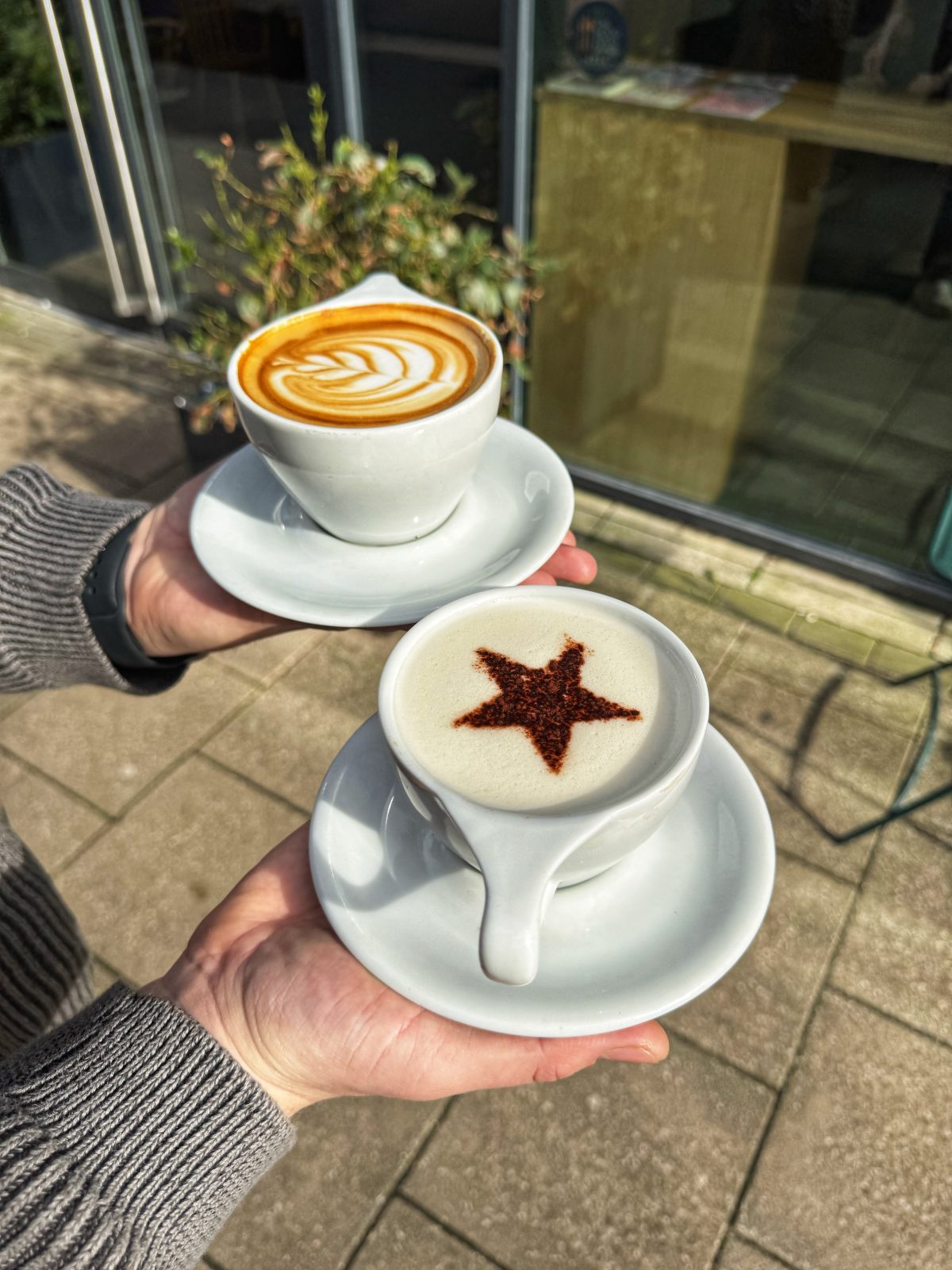
North Star Coffee Roasters are one of the early pioneers of specialty coffee in the North of England and among the UK’s first B Corp-certified coffee roasters.
They've been keeping the people of Leeds awake since 2013, and you'll find their coffee across the country as well as at their current city centre locations.
Images: The Hoot Leeds
And there's just no stopping them, as North Star is expanding into both Great George Street and the historic Victoria Quarter. Hurrah!
The Great George Street site will open as a takeaway-focused kiosk and retail store, designed to slot into your every day morning routine for that quick on-the-go brew.
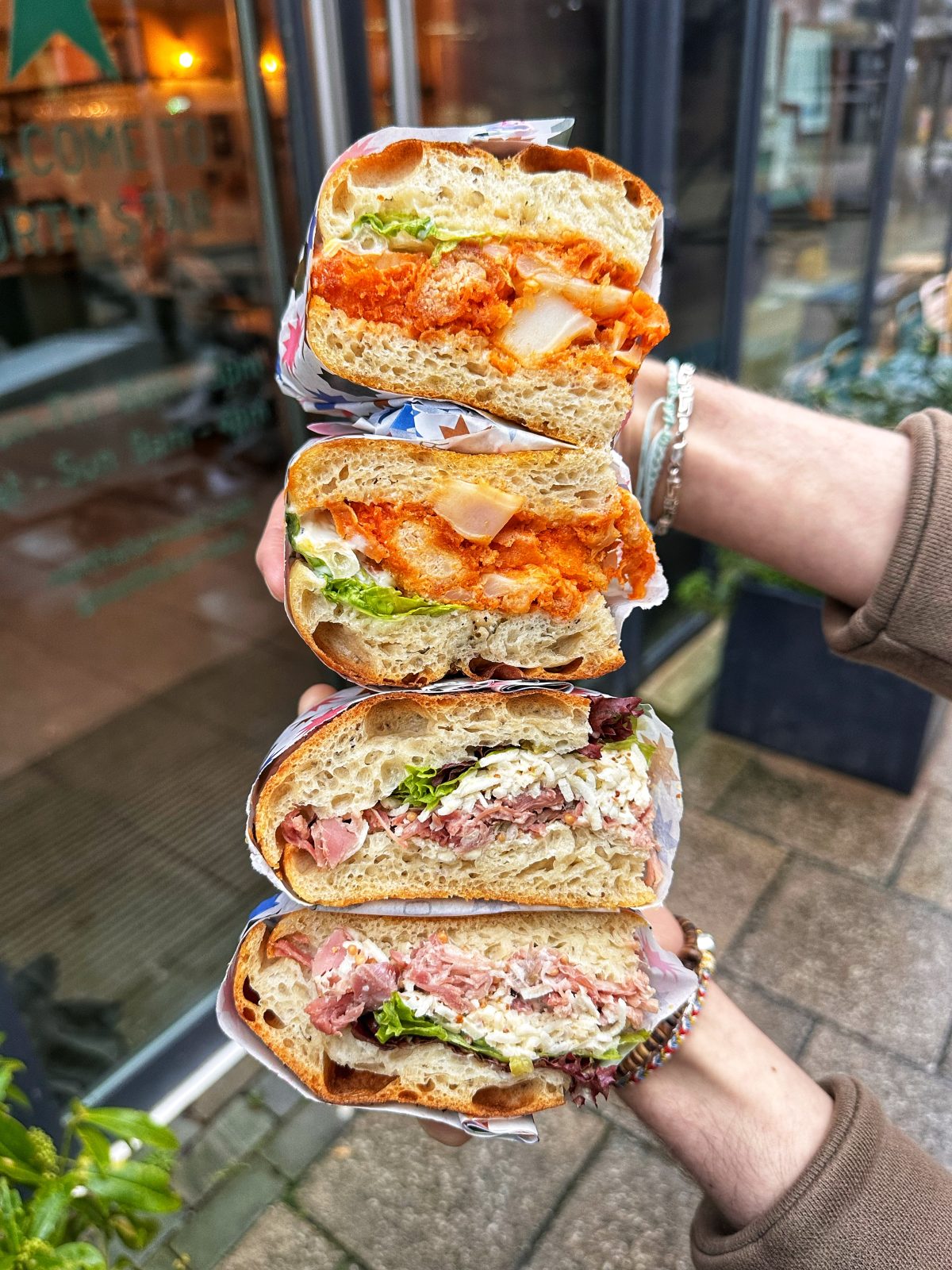
They'll also be serving up house-made breakfast and lunch sandwiches, bakes, and a curated selection of retail coffee, brewing equipment, and accessories.
The Victoria Quarter location will offer similar, set amongst the Quarter’s tiled arcades and heritage storefronts, the site will reflect a more visible presence for the business within Leeds’ evolving food and drink landscape.
Images: The Hoot Leeds
“While it’s easy to focus on the challenges facing hospitality, we still believe deeply in the role that cafés play in our city's community,” said Holly Kragiopoulos, CEO of North Star Coffee Roasters.
“They are places where people come together, to meet, to pause, to connect. Choosing to invest now is a reflection of our belief in Leeds, and in the long-term value of creating spaces people genuinely want to spend time in.”
“These new sites allow us to create meaningful opportunities for both new and existing team members,” Holly added.
“Hospitality is ultimately about people - both those we serve and those who make the experience possible.As a Leeds-born business, we’re incredibly proud to continue investing in our city. The support we’ve had from day one is what’s made this growth possible.”
Rick Astley at First Direct Arena, Leeds – tickets, times, setlist and more for UK tour
Thomas Melia
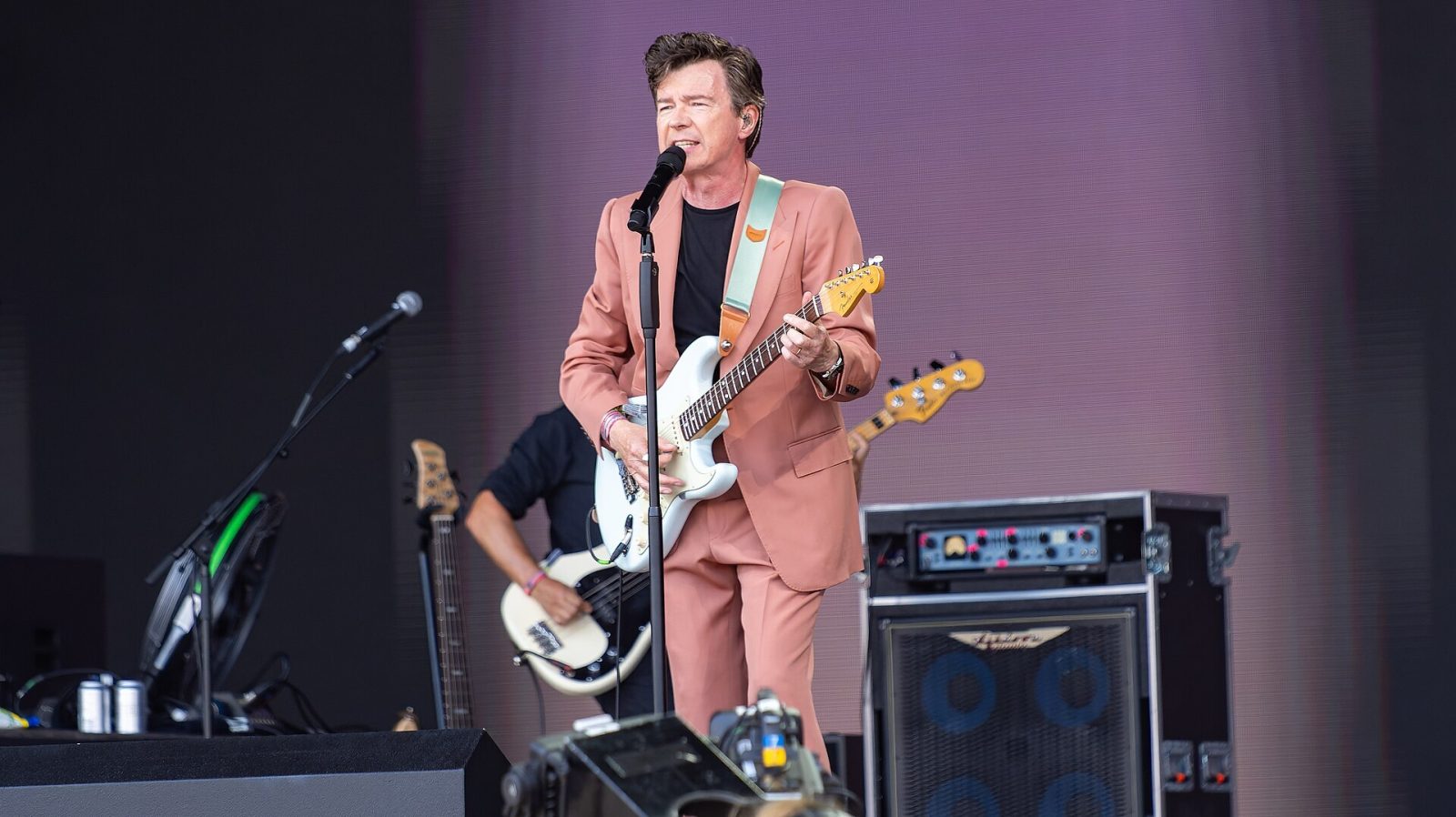
Pop hitmaker Rick Astley is playing a few UK shows and is treating Leeds to a night of live music as part of The Reflection Tour.
Newton-le-Willows-born singer Rick Astley has achieved worldwide success, most notably with his work in the 80s alongside songwriting and production duo Stock-Aitken and Waterman.
Astley's album Whenever You Need Somebody has amassed 15 million sales across the globe and is a pivotal record that many would use to define 80s music.
On this LP is his huge hit 'Never Gonna Give You Up' which dropped back in 1987, with the track gaining more attention courtesy of social media trickery.
The worldwide recognition of this hit is all down to people online who deliberately link to the music video for this song, with the term being coined 'The Rickroll'.
Now, Rick Astley is returning to Leeds and ready to play out to over 13,500 people at one of Leeds' biggest indoor arenas First Direct Arena this April.
Gig guide | Rick Astley at First Direct Arena, Leeds - all you need to know
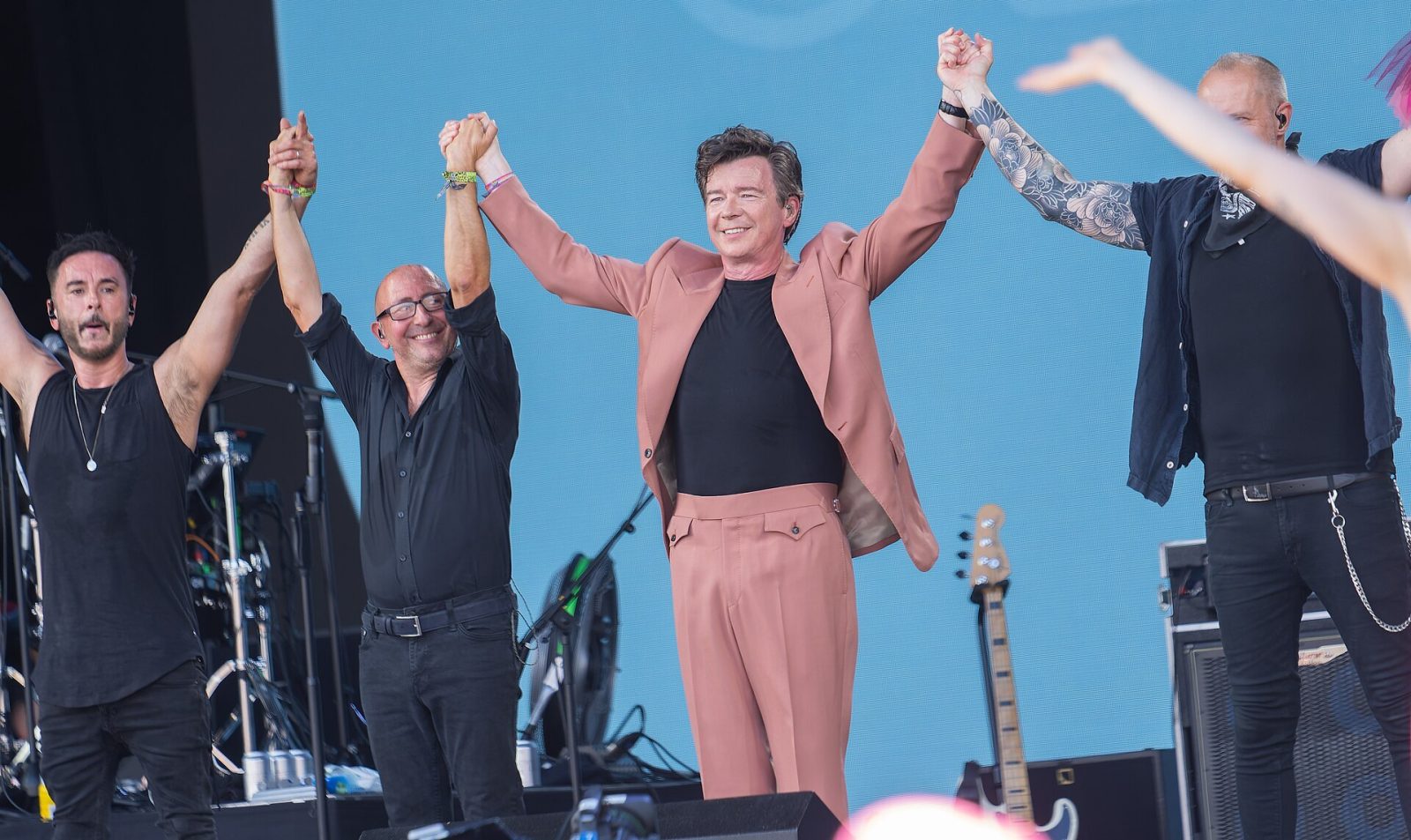
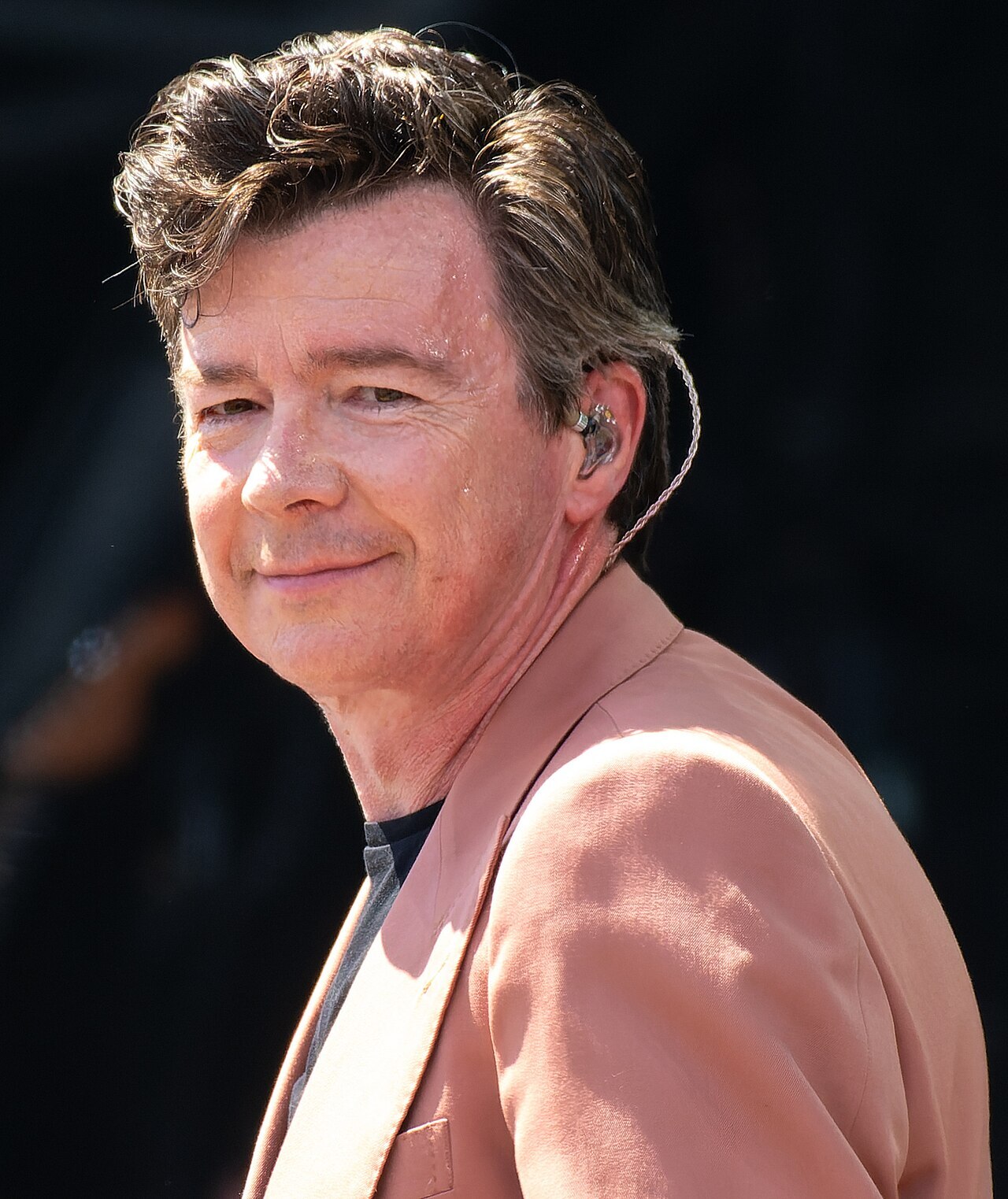
Rick Astley is bringing The Reflection Tour to Leeds this April / Wikimedia Commons via Raph_PH
Rick Astley UK tour dates
Fri 10 April - Glasgow, UK - OVO Hydro
Sat 11 April - Newcastle, UK - Utilita Arena
Mon 13 April - Belfast, UK - SSE Arena
Tue 14 April - Dublin, IE - 3Arena
Thu 16 April - Liverpool, UK - M&S Bank Arena
Fri 17 April - Manchester, UK - Co-op Live
Sat 18 April - Leeds, UK - First Direct Bank Arena
Mon 20 April - Bournemouth, UK - Bournemouth International Centre
Tue 21 April - Cardiff, UK - Utilita Arena
Wed 22 April - Nottingham, UK - Motorpoint Arena
Fri 24 April - Birmingham, UK - BP Pulse Live
Sat 25 April - London, UK - The O2
Fri 5 June - Scarborough, UK - Scarborough Open Air Theatre
Fri 19 June - Newport, UK - Isle of Wight Festival
Wed 24 June - Llangollen, UK - Llangollen Pavilion
Thu 25 June - Lincoln, UK - Lincoln Castle
Sat 27 June - Gloucester, UK - Westonbirt Arboretum
Fri 24 July - Ludlow, UK - Ludlow Castle
Sat 25 July - Sheffield, UK - Tramlines
Sat 30 August - Silverstone, UK - Carfest
Are there any tickets left for Rick Astley in Leeds?
No need to 'Cry For Help', there's plenty of tickets for Rick Astley's Leeds show at First Direct Arena and you can grab yours HERE.
It's been 'Driving Me Crazy' waiting for the right opportunity to do a little Rickrolling of my own - the actual tickets can be found HERE.
Rick Astley setlist for 2026 tour
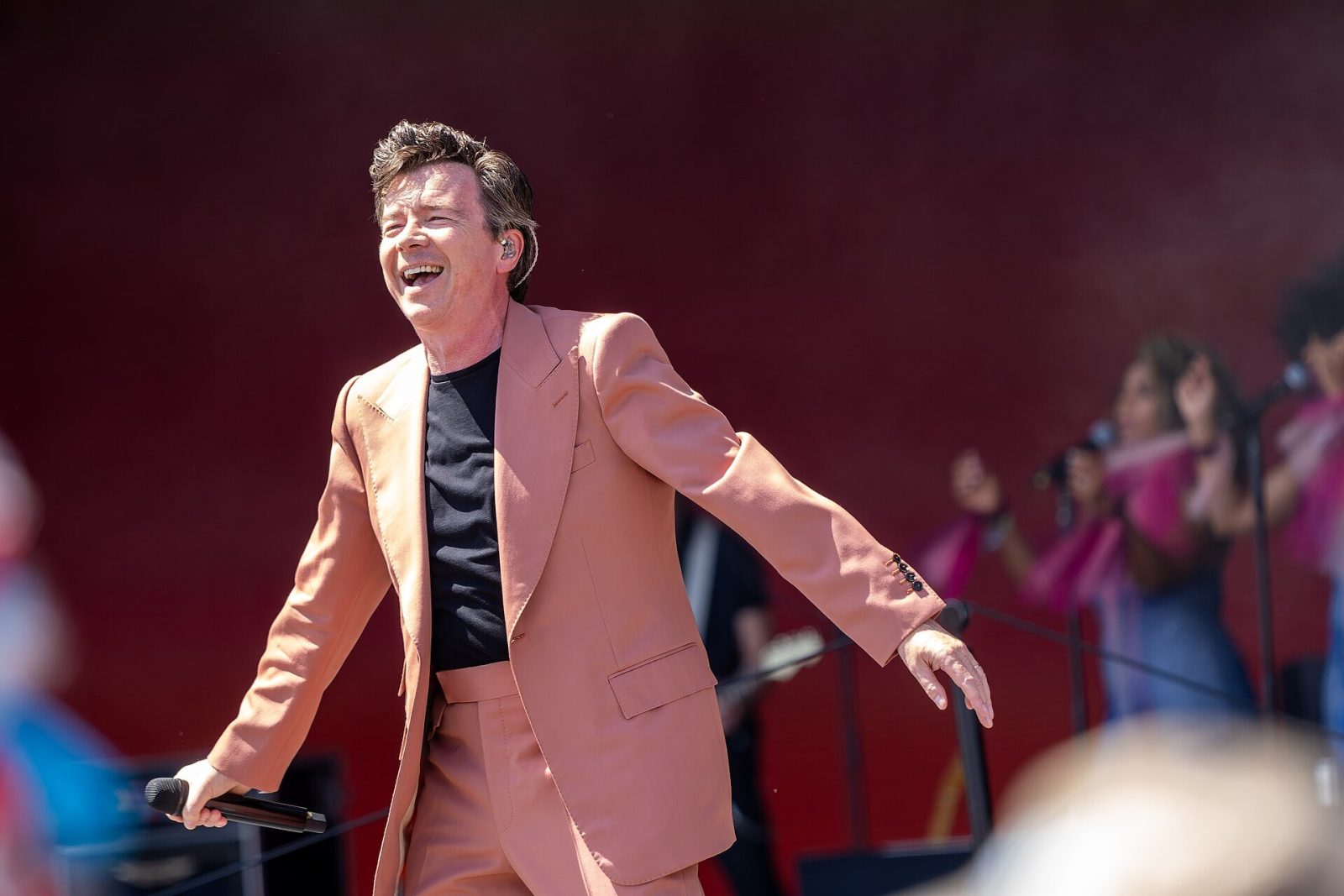
The Reflection Tour sees Rick Astley play various shows and festivals across the UK / Wikimedia Commons via Raph_PH
This year will mark Rick Astley's first official headline tour since 2024 meaning a full setlist is yet to be confirmed.
Here is a setlist from 2024 when the 80s performer played a series of festival sets:
Never Gonna Stop
Together Forever
Beautiful Life
It Would Take a Strong Strong Man
Dippin My Feet
Start Me Up (The Rolling Stones cover)
She Wants to Dance With Me
Juice (Lizzo cover)
Forever and More
Hold Me in Your Arms
Seventeen Going Under (Sam Fender cover)
Cry For Help
Dance
Angels On My Side
Whenever You Need Somebody (O 'Chi Brown cover)
Good Times (Chic cover)
Highway to Hell (AC/DC cover)
Maria Love
Never Gonna Give You Up
Stage times for Rick Astley and support act for First Direct Arena, Leeds
Doors for Rick Astley's The Reflection Tour are set to open from 6.30pm with an official starting time of 7.30pm.
Support for this show comes in the form of another celebrated UK performer who achieved prominence the decade after Astley - Gabrielle.
This R&B-pop singer is recognised for her 1993 hit 'Dreams' and is known for soundtracking the 90s and noughties with multiple chart entries throughout the decades.
Located on Dyer Street next to Leeds City Bus Station and approx. 15min walk from first direct arena and is wheelchair friendly.
Support and help for any persons with a disability is available as the station is a registered ‘Safe place’ to come into and ask for assistance.
Nearest Bus Stops
Clay Pit Lane
Wade Lane/Lovell Park Road
Woodhouse Lane
Nearest Train Station
Leeds City Station on New Station Street is around a 15min walk from first direct arena and a major hub on the national, regional and local rail network providing connections to a wide variety of destinations.
Parking
There are over 7,500 car parking spaces within a 15-minute walk of the arena. The arena doesn’t have it’s own car park however there are lots of options nearby. To receive 5% off Q Park when attending a show at first direct arena click here
The nearest Car Park with EV charging is located on Albion Street click here.
None of the above car parks are operated by the arena so for questions, queries or comments we ask that you contact the companies directly.
Hiring Bikes in Leeds
If you’re looking to hire a bike in Leeds, here are some of the best options you can try:
Beryl bikes – you’ll find the ‘Leeds City Bikes’ from Beryl stationed throughout the city. These are all e-bikes, and they’re available to hire on a pay-as-you-go basis. It costs £1 to unlock the bikes, and then 16p per minute to use them. We’d say these are great for zipping around the city and getting from A to B.
Talio – for a wider selection of electric bikes to choose from, Talio based at Buslinthorpe Green is a great option. From this company, you can hire cruiser bikes, mountain bikes, and cargo bikes. Prices start from £20 per day for rental, but if you’re hiring for a month or longer you’ll get a good discount.

 Declan Kelly -
18th March 2026
Declan Kelly -
18th March 2026