Planting for a new woodland owned by the University of Leeds has begun on the Northern edge of the city.
A new woodland situated near Golden Acre Park in Bramhope is being planted in a hope to increase Yorkshire's tree cover.
The site, owned by the University of Leeds, is a whopping 37-hectares - the equivalent of 37 rugby pitches.
It will eventually be home to 66,000 new trees, a mixture of broadleaf species including oak, elder, hornbeam, wild cherry and silver birch.
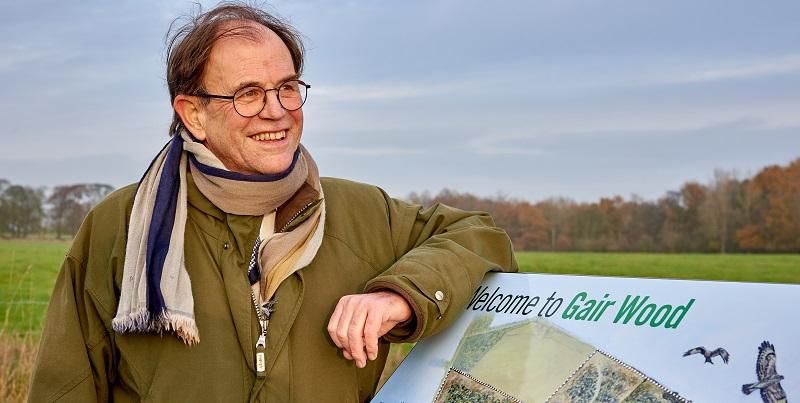
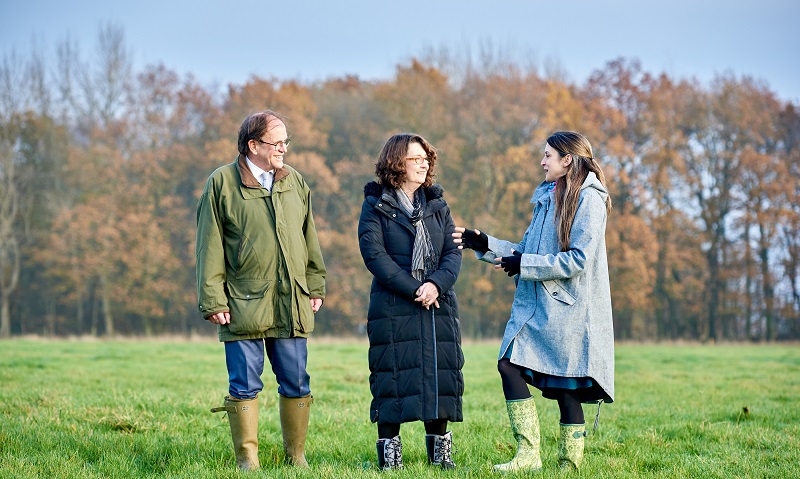
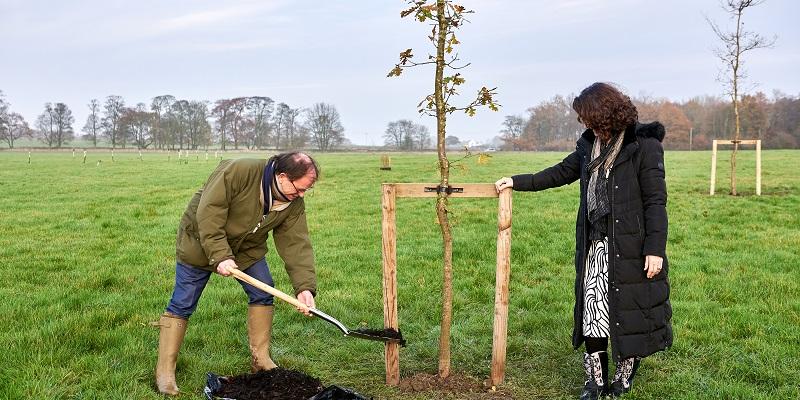
The first tree, an oak, was put into the ground by Roger Gair, who worked at the University for more than 40 years and retired last year. The woodland, called Gair Wood, takes his name.
Image: University of Leeds
The Gair Wood will contribute to the target set by the White Rose Forest - the community forest for West and North Yorkshire, for 7 million more trees by 2025.
Mr Gair said: “This means an awful lot to me. The wood will benefit the environment, the academic work of the University and the people of Leeds, and I am deeply honoured to have my name associated with it.”
Following the ceremonial planting, the focus now switches to the mass planting which will happen in early 2023, and they are asking for volunteers to help out.
No planting experience is needed and full training will be given. If this sounds like something you'd like to get involved with, book onto one of the planting sessions here.
Image: University of Leeds
Professor Simone Buitendijk, Vice-Chancellor of the University of Leeds, said: "Roger was a fantastic servant of the University for more than 40 years, calmly guiding its growth and development through periods of great change.
“The Gair Wood project also embodies the philosophy of the University. It is the result of collaboration with partner organisations, and it will be a fantastic resource for the public to enjoy for decades to come and for our researchers to use to further scientific study into climate change.”
After making a name for itself over in Leeds city centre, Alfonso's Deli 2.0 has touched down in Horsforth.
Famed for it’s toasted Cuban sandwiches, stacked subs and loaded breakfast bagels - Alfonso's Deli in Leeds' beautiful Grand Arcade serve up some of the best sandwiches in the city.
They've built up such a good reputation in fact, that they have now opened a second deli in the up-and-coming suburb of Horsforth.
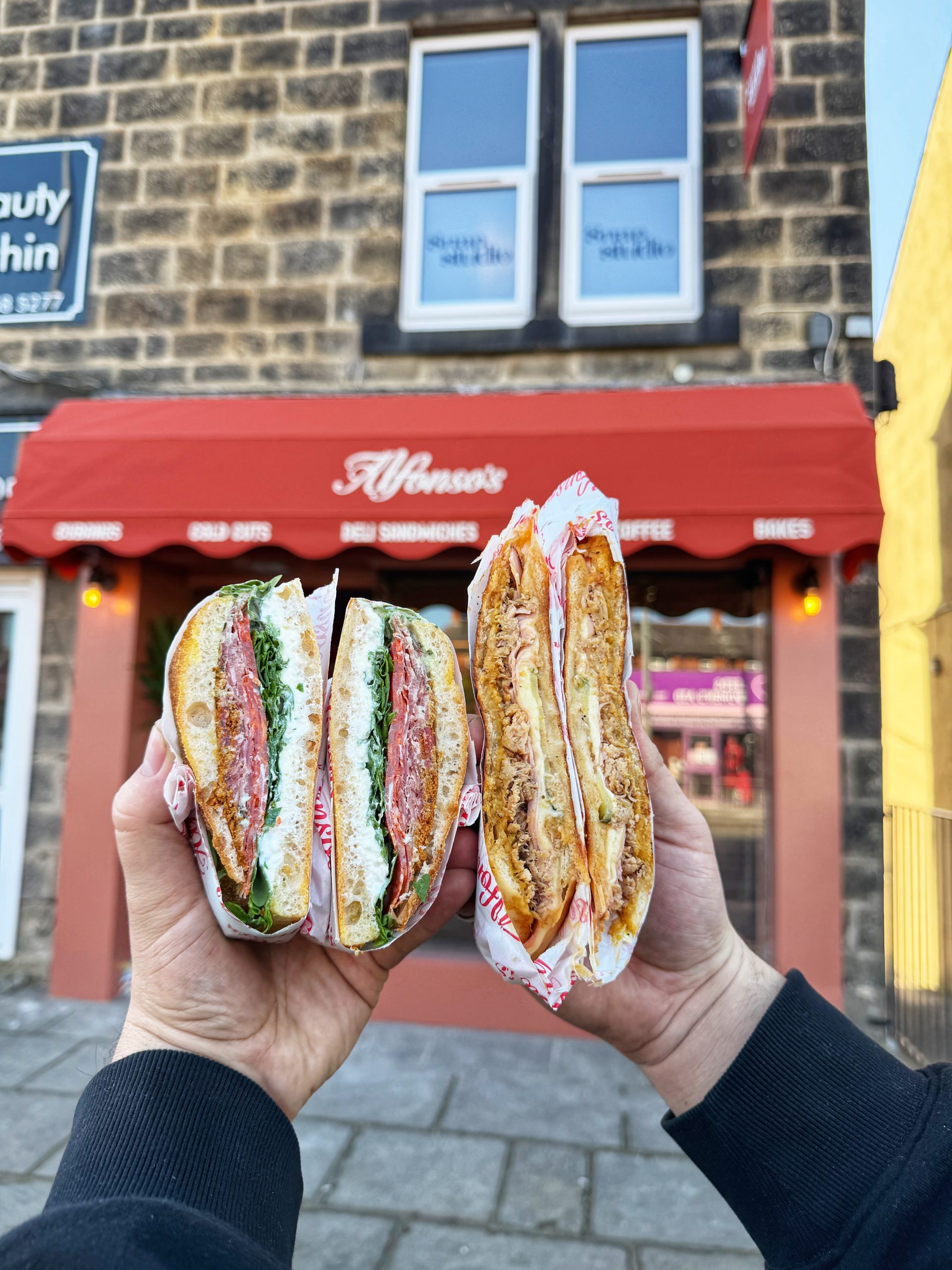
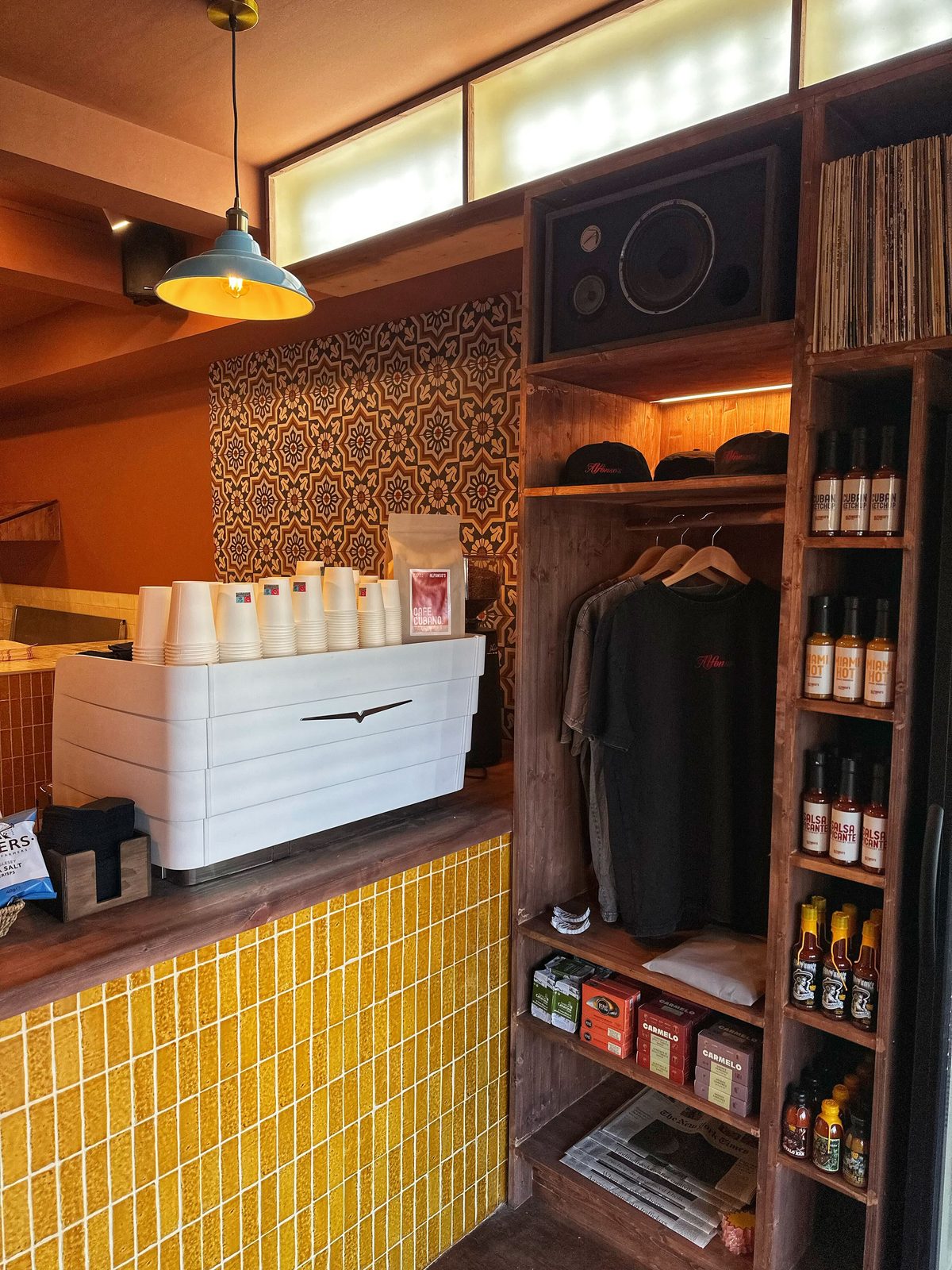
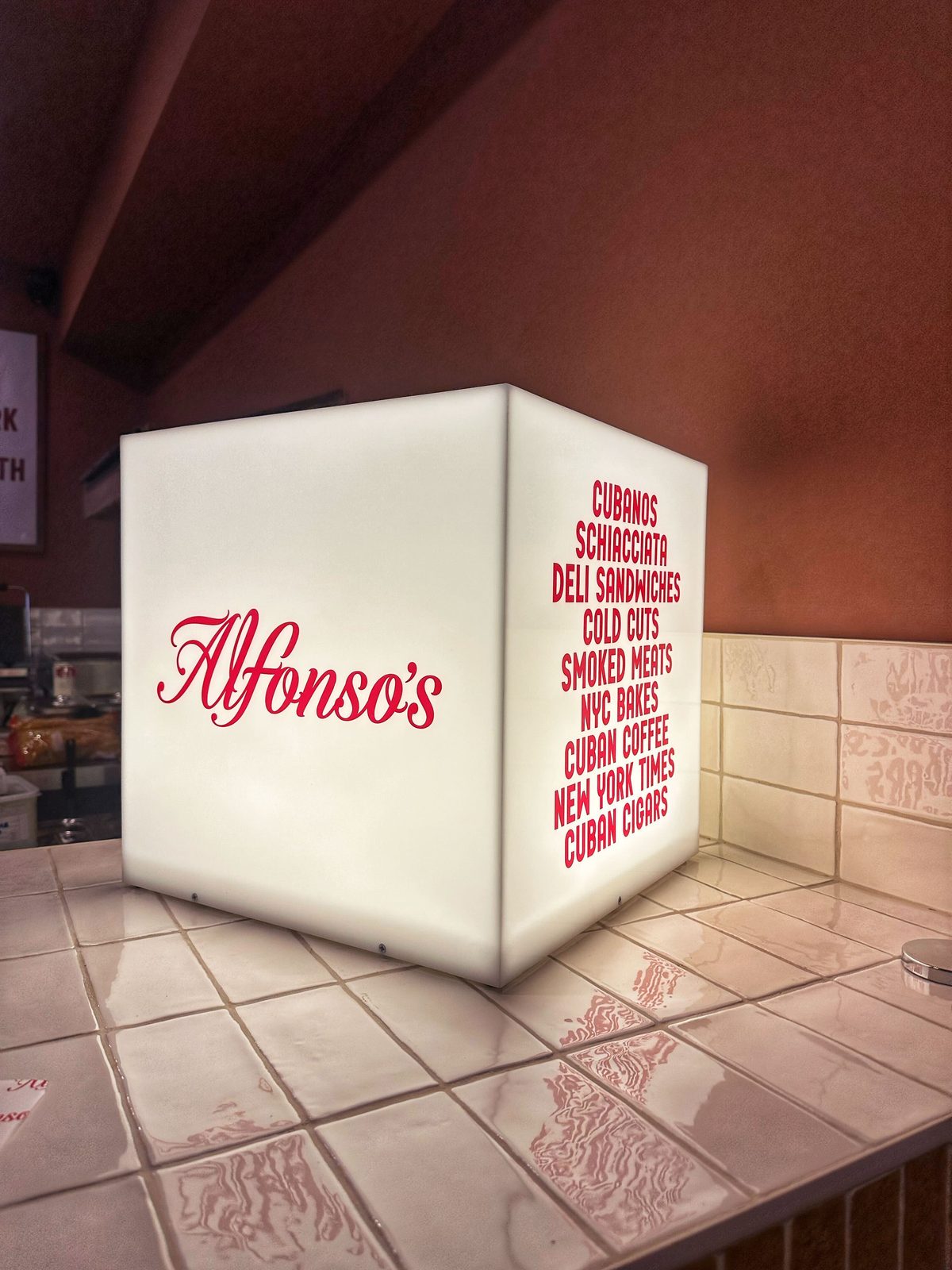
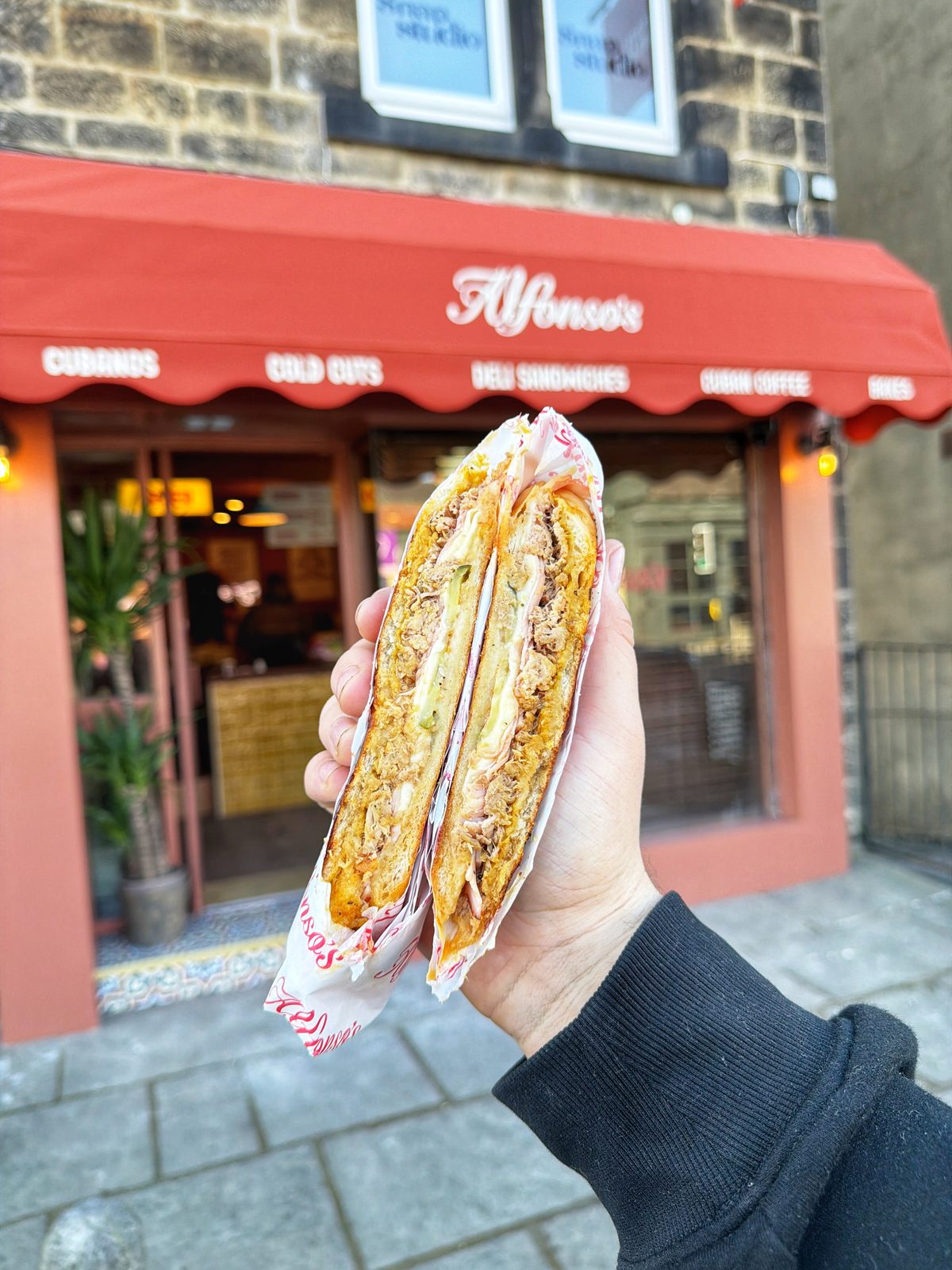
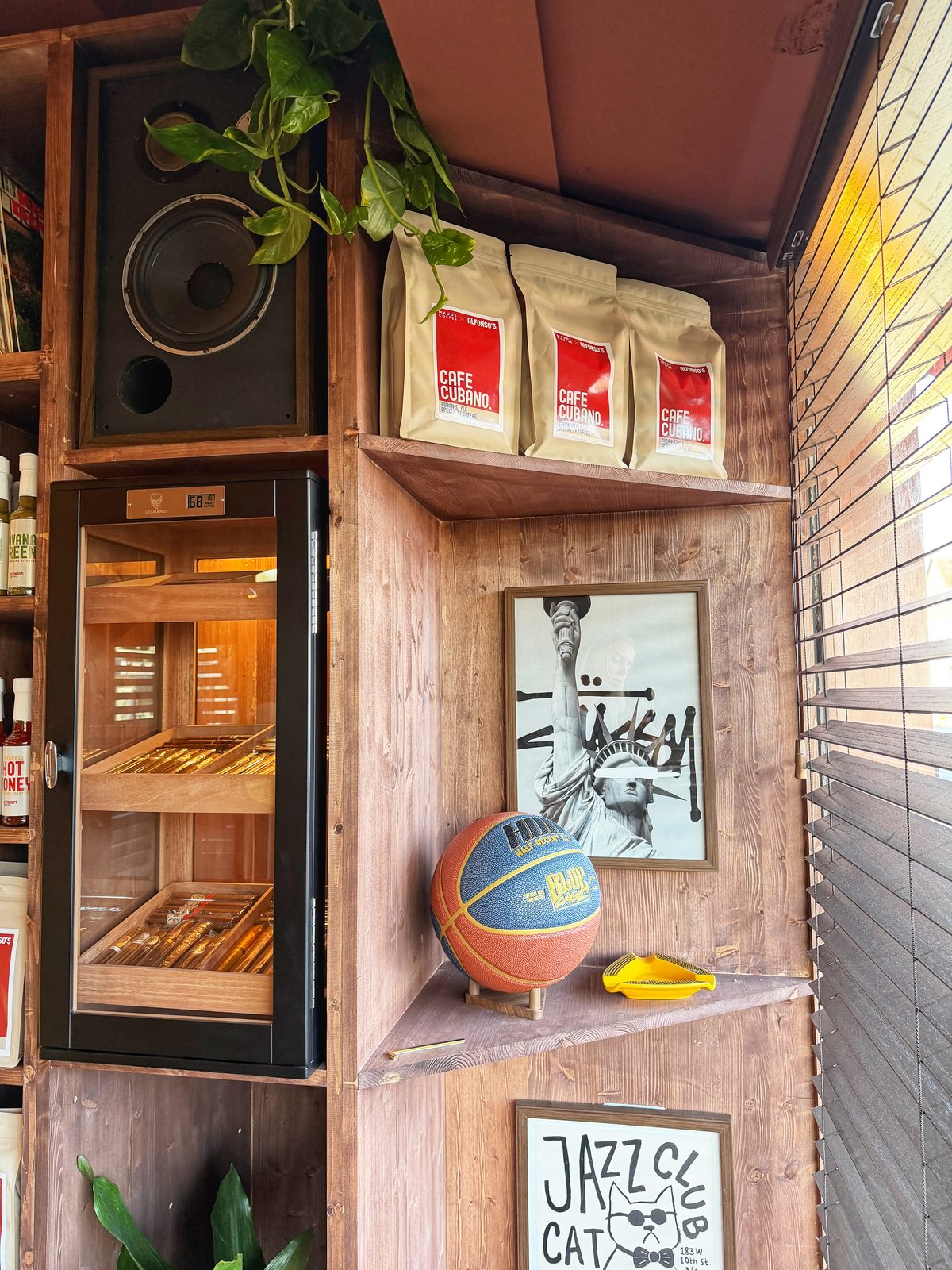
Located in a prime location on New Side Road, this deli has a slightly different look to their original space, complete with a beautiful red awning and stuffed to the brim with American memorabilia.
Images: The Hoot Leeds
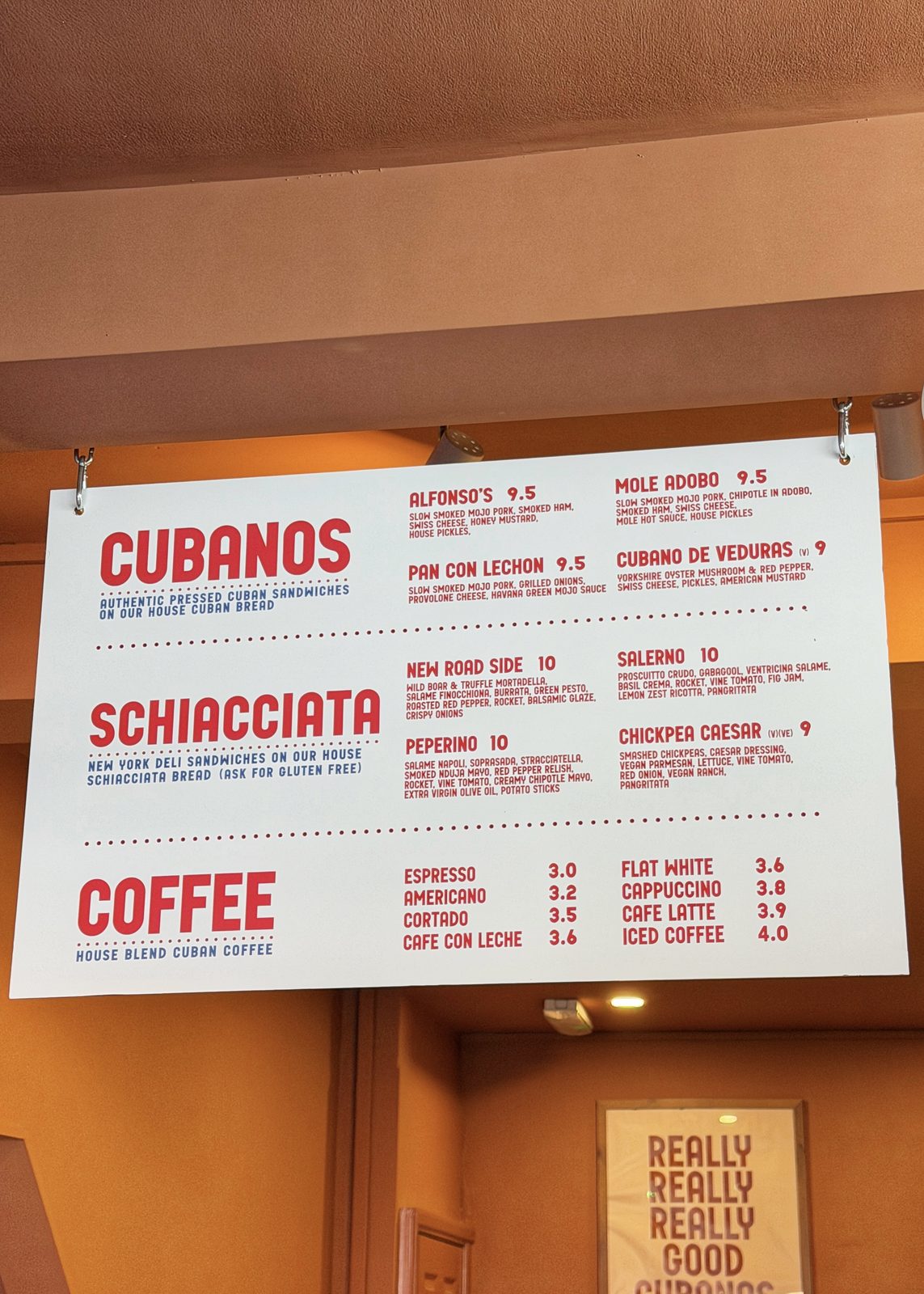
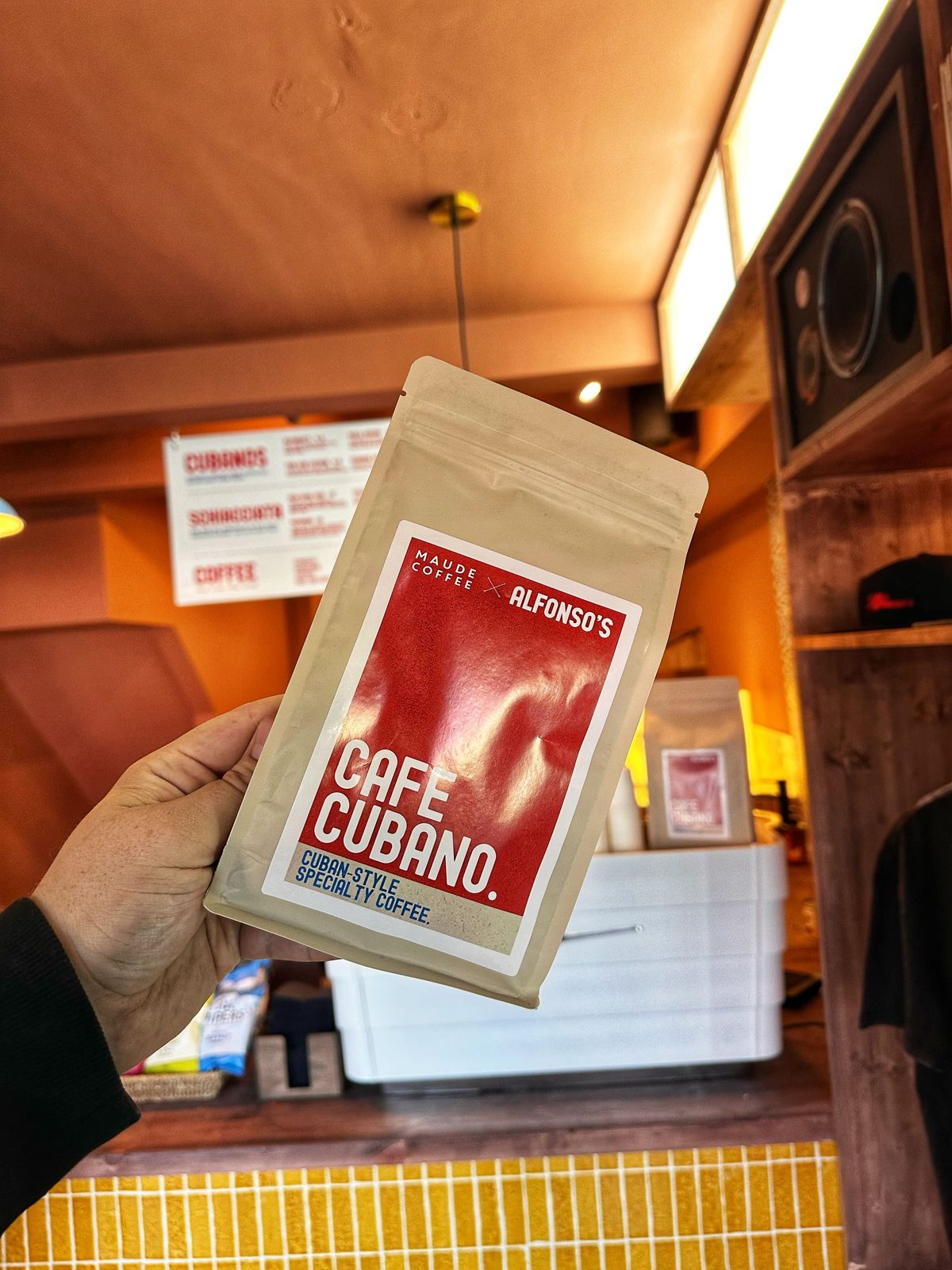
Here you can find fresh Cuban coffee which goes wonderfully with their authentic toasted Cubano sandwiches, perfectly crafted with their house-made bread which are then pressed made-to-order.
New for Horsforth, they're now serving New York deli sandwiches on brand-new house schiacciata bread.
And the bread is as fresh as it gets, made in their own bakery downstairs alongside a selection of New York deli bakes.
Images: The Hoot Leeds
Stuffed with toppings such as smoked deli meats, cold cuts, fresh cheese and whatever else you fancy.
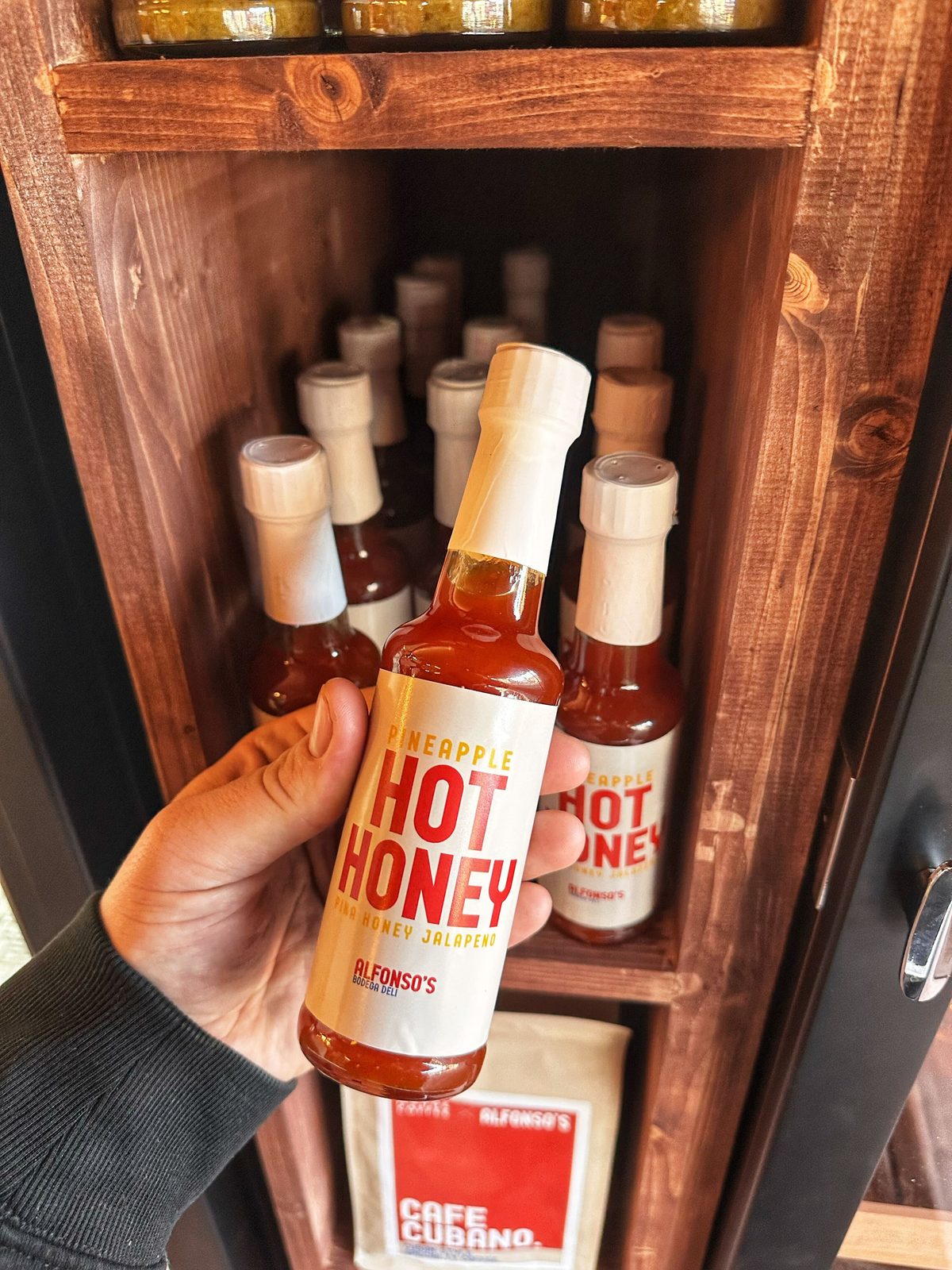
Oh and it doesn't stop there, you can also buy a cigar if you fancy it alongside a selection of merch, hot sauces and provisions like tinned fish.
So whether you're stopping by on your way to work for a morning coffee or treating yourself to a stellar sandwich for your lunch, Alfonso's Deli is here to whisk you away to Miami for the afternoon.
Images: The Hoot Leeds
They're officially opening their doors to the public this Thursday 15 October, and we just know it's going to go down and absolute storm.
Make sure to pop down and give them a big warm welcome to the neighbourhood.
A 1970s-inspired cocktail bar is coming to Leeds this month from the team behind some of the city’s best bars
Clementine Hall
We've been waiting a while for this one - and it's finally here.
If you know a thing or two about cocktails, or just drinks in general, then you're going to be just as excited as us.
The very talented team behind Roland's and The Domino Club, just to name a few, are setting their sites on a brand-new venture.
Introducing Paper Plane, an intimate new cocktail bar that will be taking over the old Casa site in the city's beautiful Grand Arcade.
Paper Plane will be inspired by the glamour of 1970s air travel and will be a vinyl-only listening bar, serving a world-inspired cocktail menu alongside a carefully curated whisky collection.
The space will be lovely and intimate, with around just 40 covers, designed to transport guests somewhere completely different from the minute they step foot through the door.
And what a location too, joining a whole host of fantastic independents in the arcade such as Alfonso's Deli, Stuzzi and Sonder.
Not only has Roland's been consistently one of the busiest bars on Call Lane since they opened back in 2014, but The Domino Club was recently crowned one of the best cocktail bars in the world. Now that is some accolade worth shouting about.
Paper Plane was announced all the way back in July, and just this week they have announced their official opening date.
Paper Plane will be opening its doors on Thursday 29 October, and we can't wait to welcome them to the city. We'll definitely see you there for a cocktail or two (or three).
Keep an eye for further updates via their Instagram page here.

 Clementine Hall -
5th December 2022
Clementine Hall -
5th December 2022