The council is closing the popular attraction in the hope to cut costs amid "unprecedented financial challenges".
At a meeting that took place last month, Leeds City Council announced they will be closing Thwaite Watermill in an attempt to cut costs.
The council is giving up the lease, and the site will be shut from Monday 1 April 2024.
The council said the move, which has been subject to public consultation, could help save between £660,000 and £756,000 over the next five years.
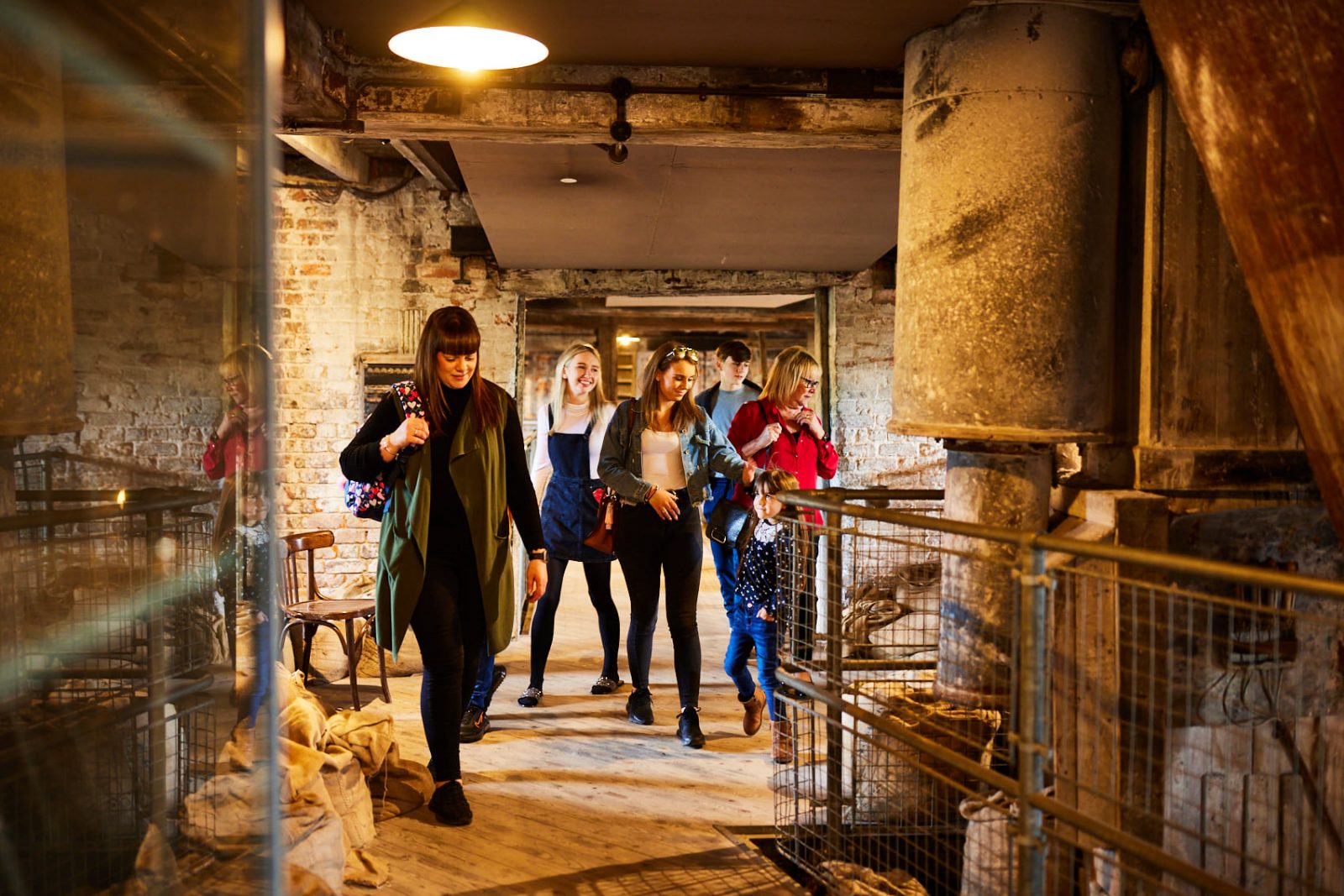
Thwaite Watermill is a unique attraction which is currently open to the general public during weekends and school holidays as well as during term time for booked groups and school visits.
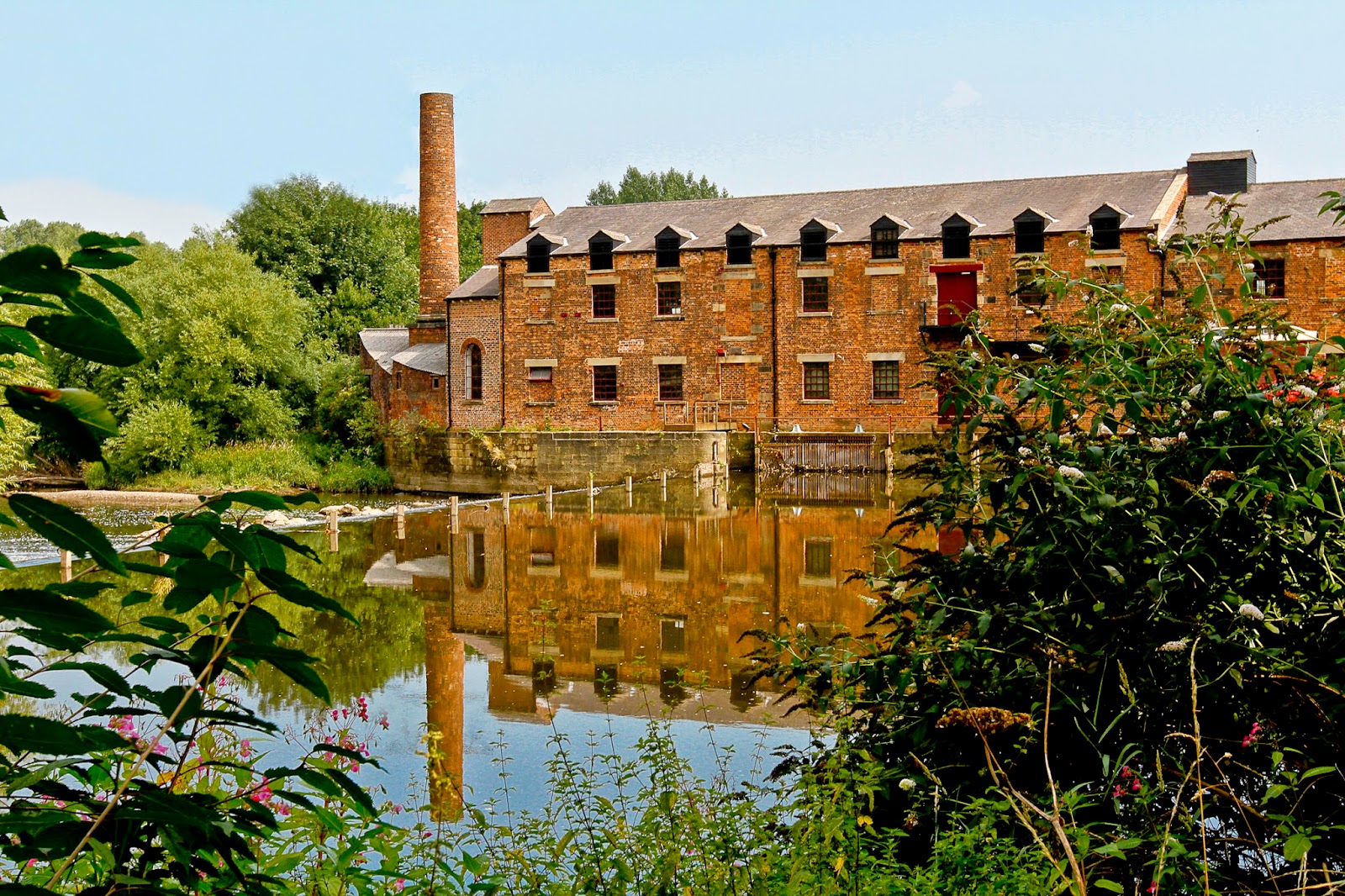
Image: Thwaite Watermill
According to the council, the attraction has seen low numbers of visitors recently having recorded only 11,114 visitors in 2022.
Dating all the way back to 1641, Thwaite Watermill began life as a textiles mill before it was used for wood, oil and corn-grinding, and then for stone-crushing and making putty.
It was closed in 1976 but is one of the last remaining examples of a water-powered mill in Britain.
All existing bookings until October 2024 will be honoured and the official surrendering of the lease will be taken into consideration over the coming months.
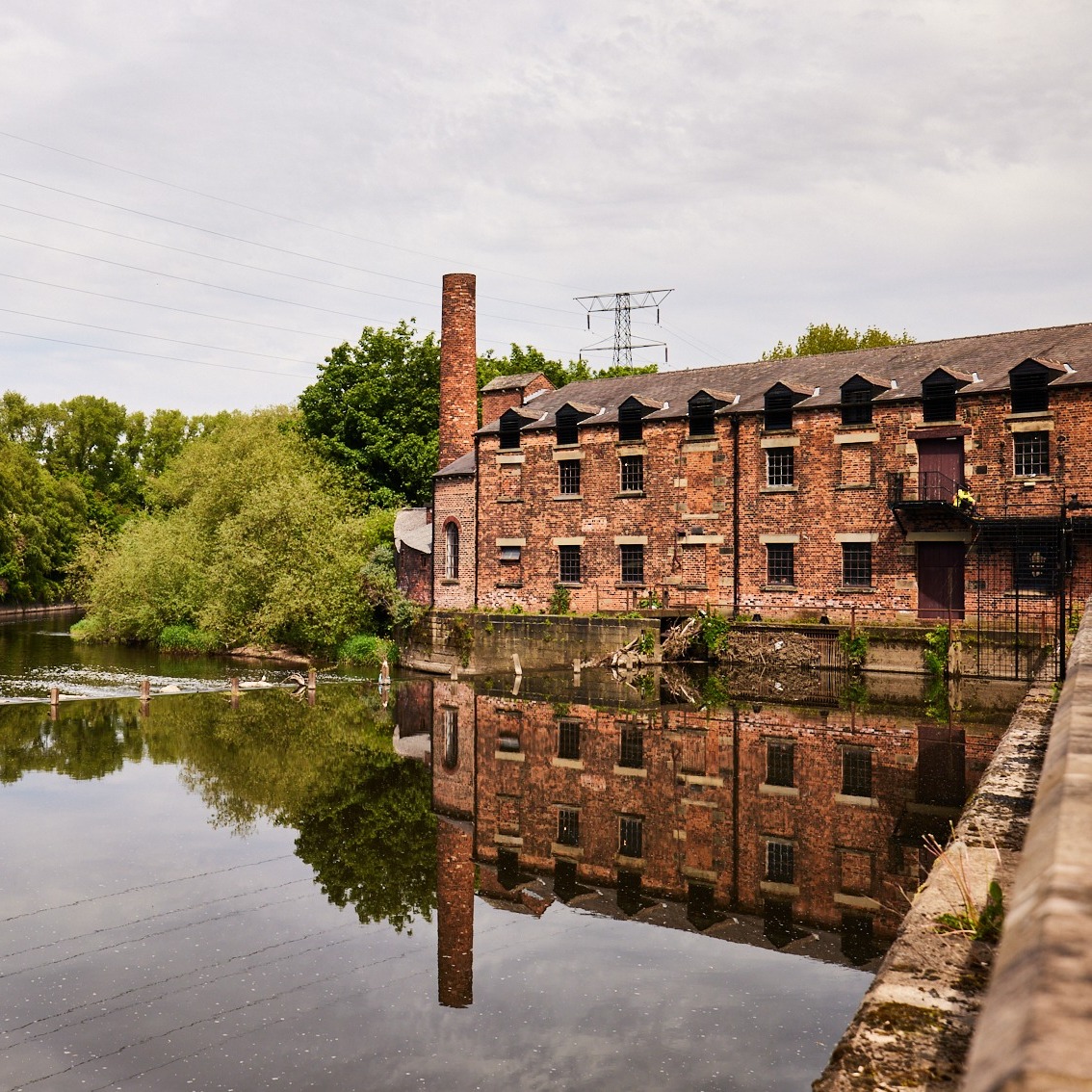
Image: Thwaite Watermill
A spokesperson for Leeds City Council said: “The council does not take any decisions affecting our visitor attractions lightly. However, the financial pressures we are now facing have forced us to look at options which would never have previously been considered.
“Ending the lease on Thwaite allows us to balance the urgent and unavoidable need to make cost savings with continuing to provide a diverse, high quality, accessible experience for our visitors at Leeds Museums and Galleries’ other eight sites, all of which are owned by Leeds City Council."
The Leeds Palestinian Film Festival has announced the dates for this year's festival.
This year's festival will explore the words of the celebrated Palestinian artist Sliman Mansour: "To make art is to say we are here."
These words will reflect the content of this year's festival, which aim to keep Palestinian stories alive; defy the erasure of history; and bring voices from the depths of destruction.
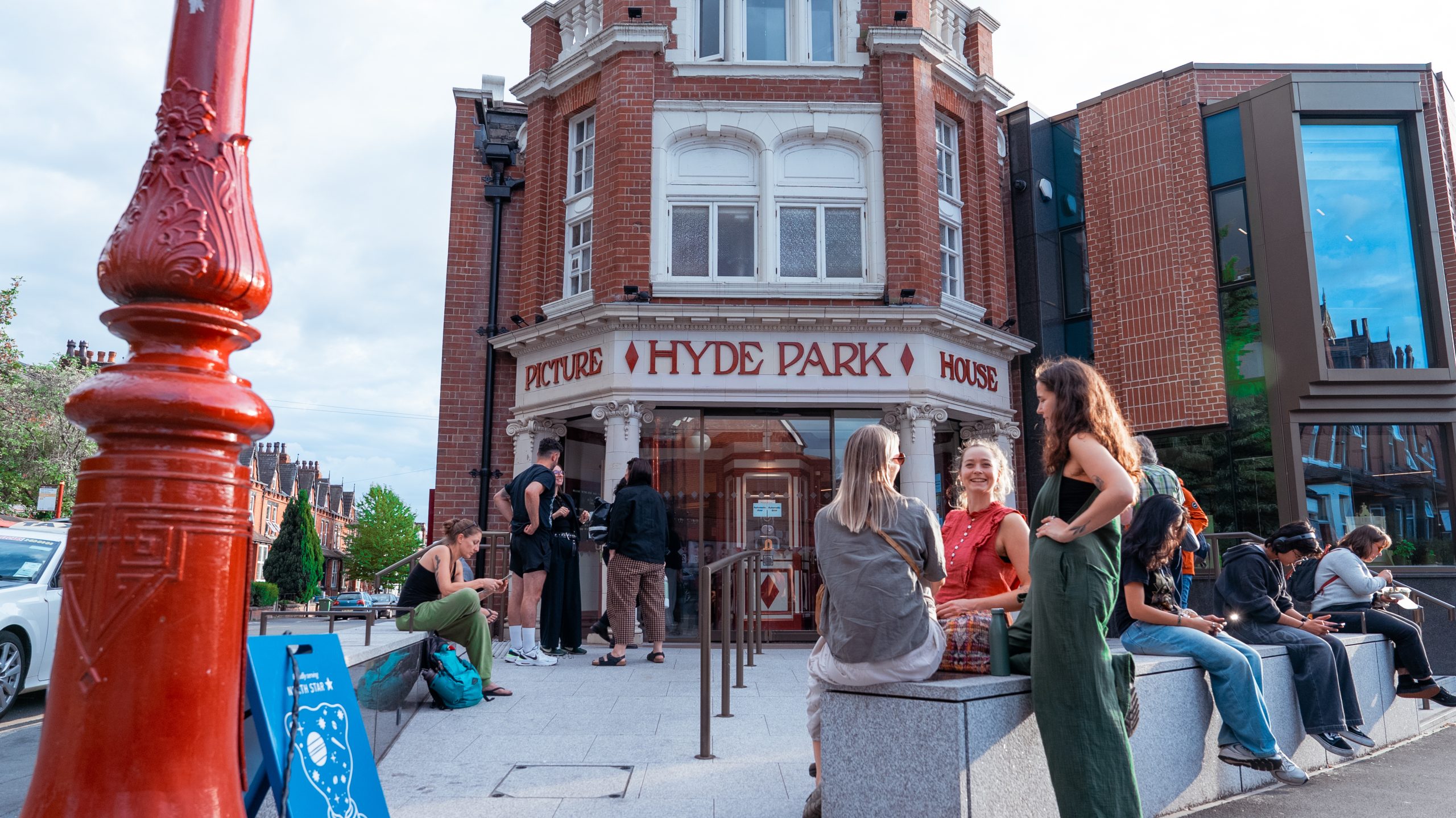
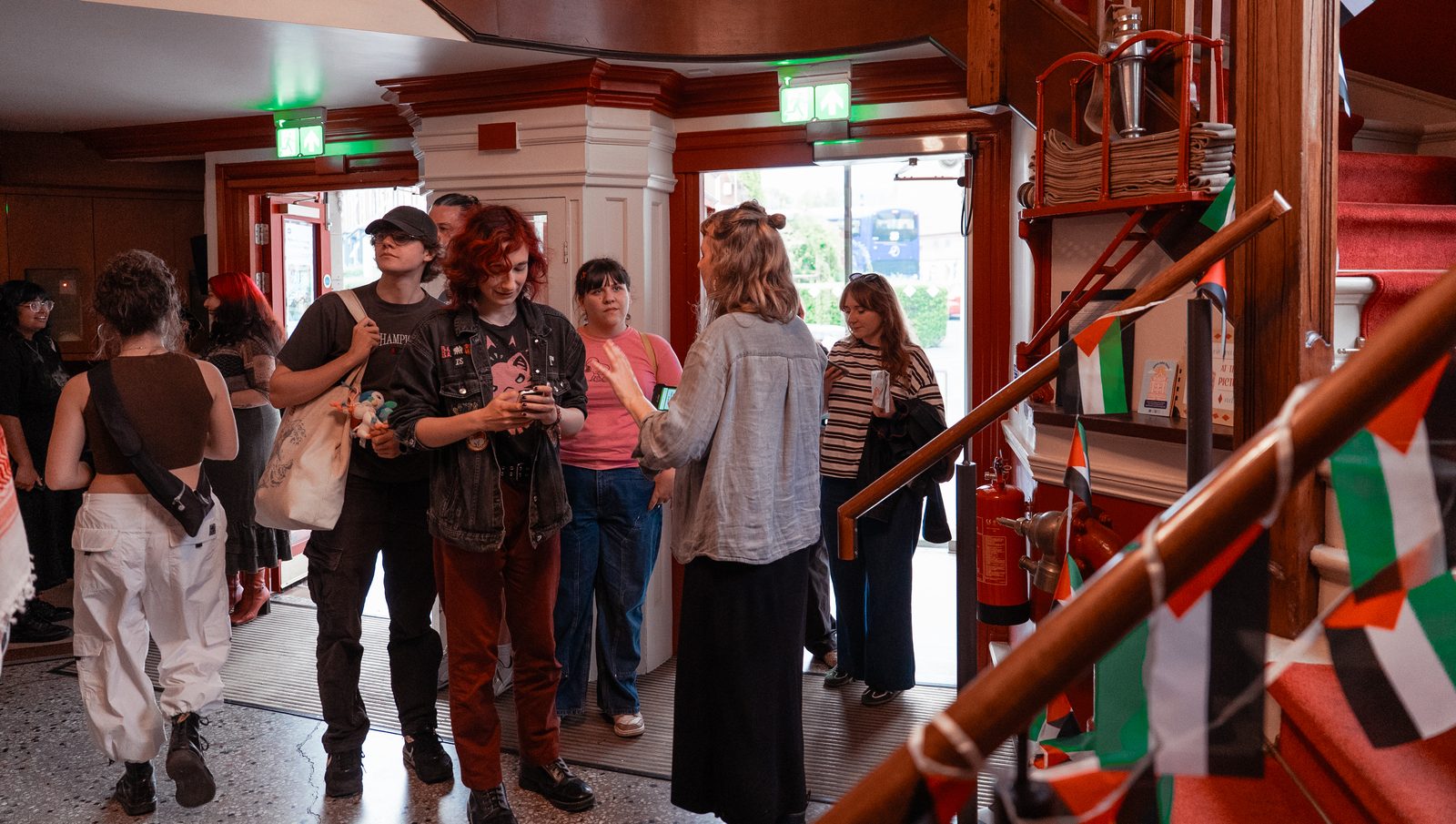
The Leeds Palestinian Film Festival will open Friday 13 November at the iconic Hyde Park Picture House with Life Support, a documentary about doctors in Gaza directed by Daniele Rugo.
Image: Supplied
The screening will be followed by a live Q&A with the director and doctors from the film, chaired by Healthworkers4Palestine.
Early programme highlights include the UK premiere of Conversation with the Sea, Muayad Alayan's family drama in which a 60-year-old Palestinian man in Jerusalem, ordered by an Israeli court to pay a debt allegedly owed by his son who drowned decades ago, sets out to discover what happened.
Also showing will be Maggie Lemere's documentary, Land of Canaan, follows Palestinian farmers and their olive trees, some more than 1,000 years old, and the fair-trade movement led by Dr Nasser Abufarha to protect them.
Image: Supplied
Frances Bernstein, Festival Director, said: “To make art is to say we are here. We chose the words of the celebrated Palestinian artist Sliman Mansour as this year's theme because they reflect what the programme is for: keeping Palestinian stories alive, defying the erasure of Palestinian history, culture and identity, and bringing voices from the depth of destruction to audiences in Leeds."
The full programme, guests and ticket information will be announced in the coming weeks. You can find out more here.
Viral Yorkshire shop urges visitors to avoid weekends as huge queues form
Clementine Hall
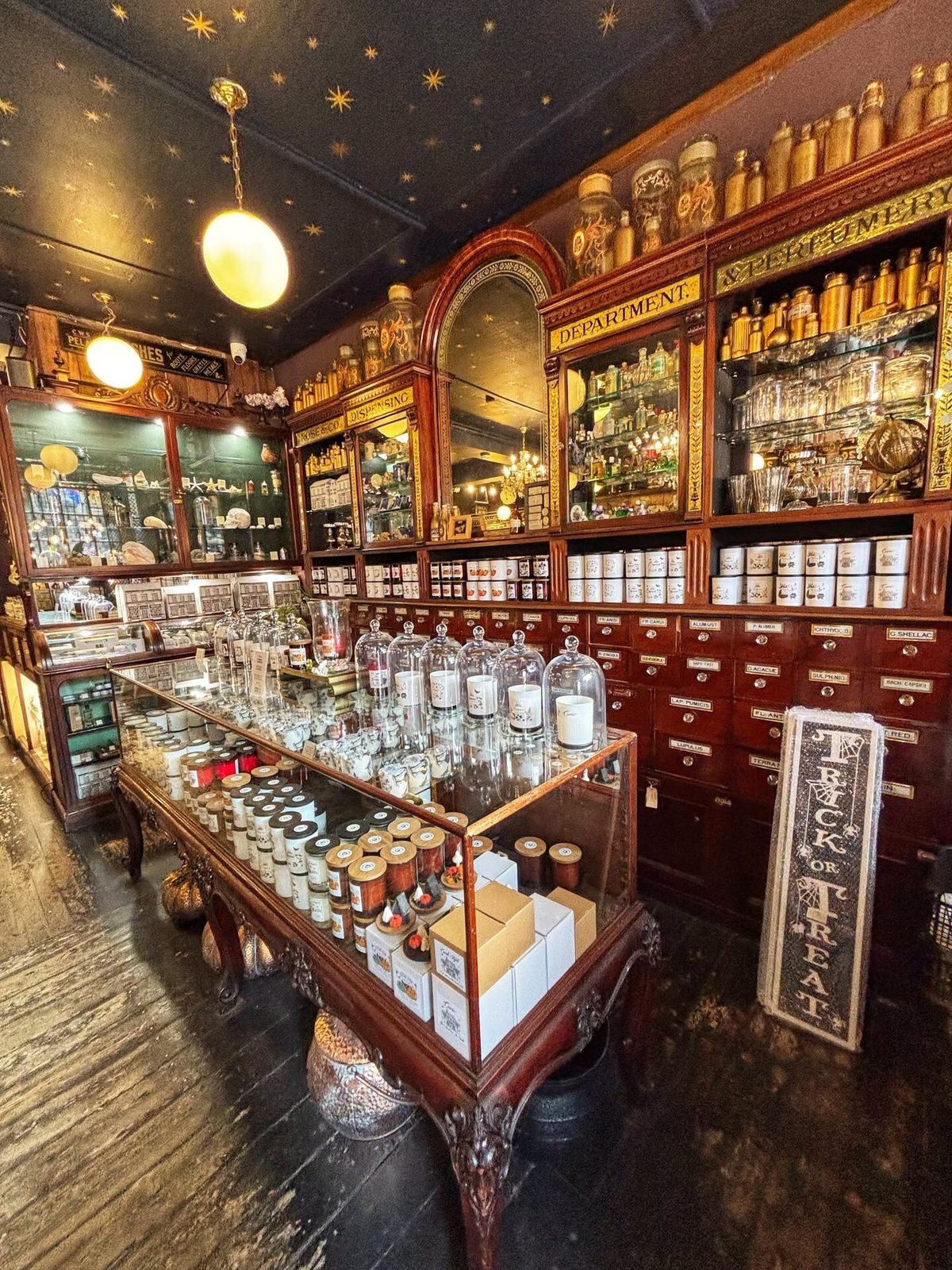
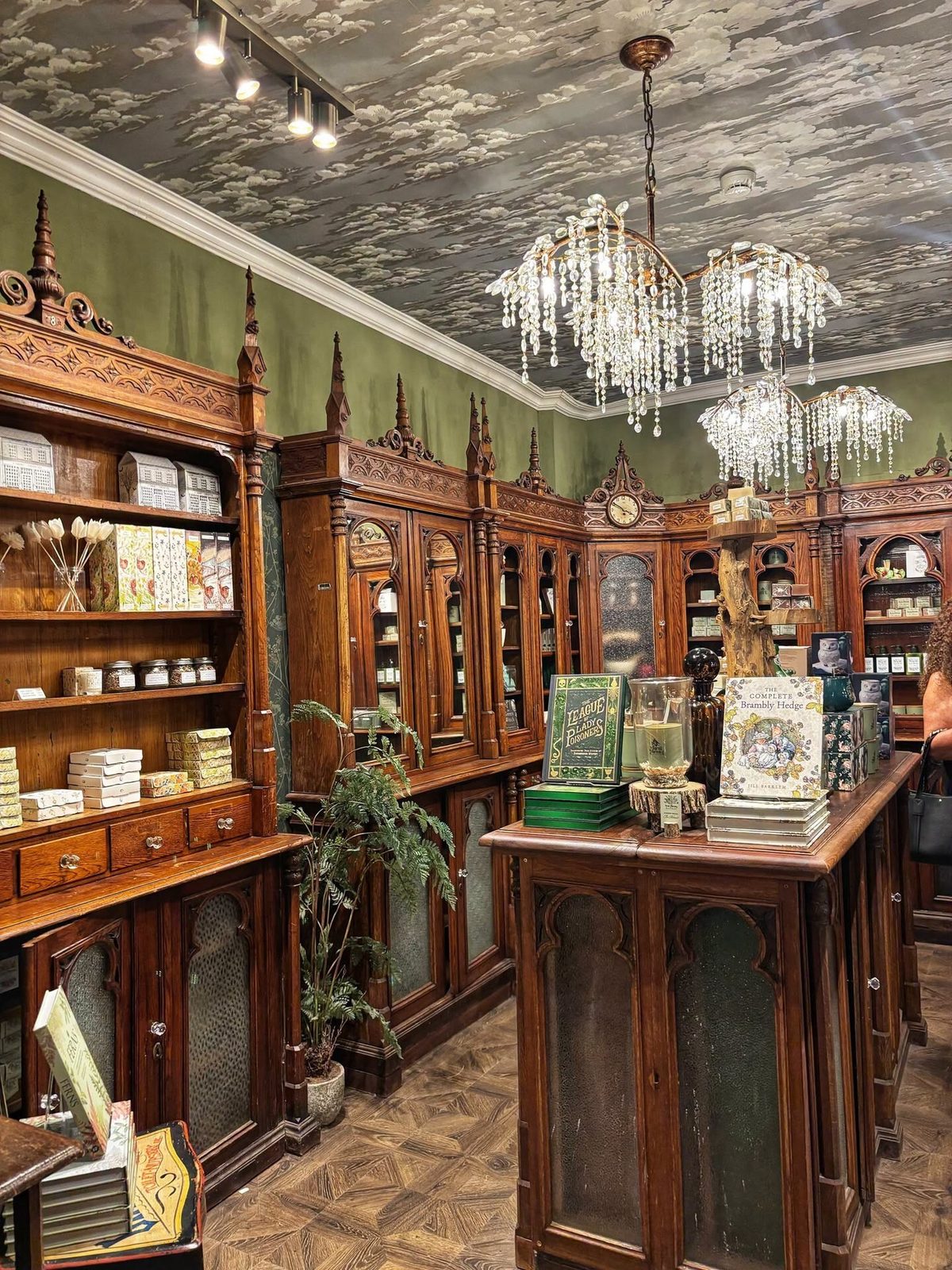
A viral apothecary shop in Yorkshire has warned visitors about huge queues forming outside its doors, urging people to visit during the week if they want to avoid the crowds.
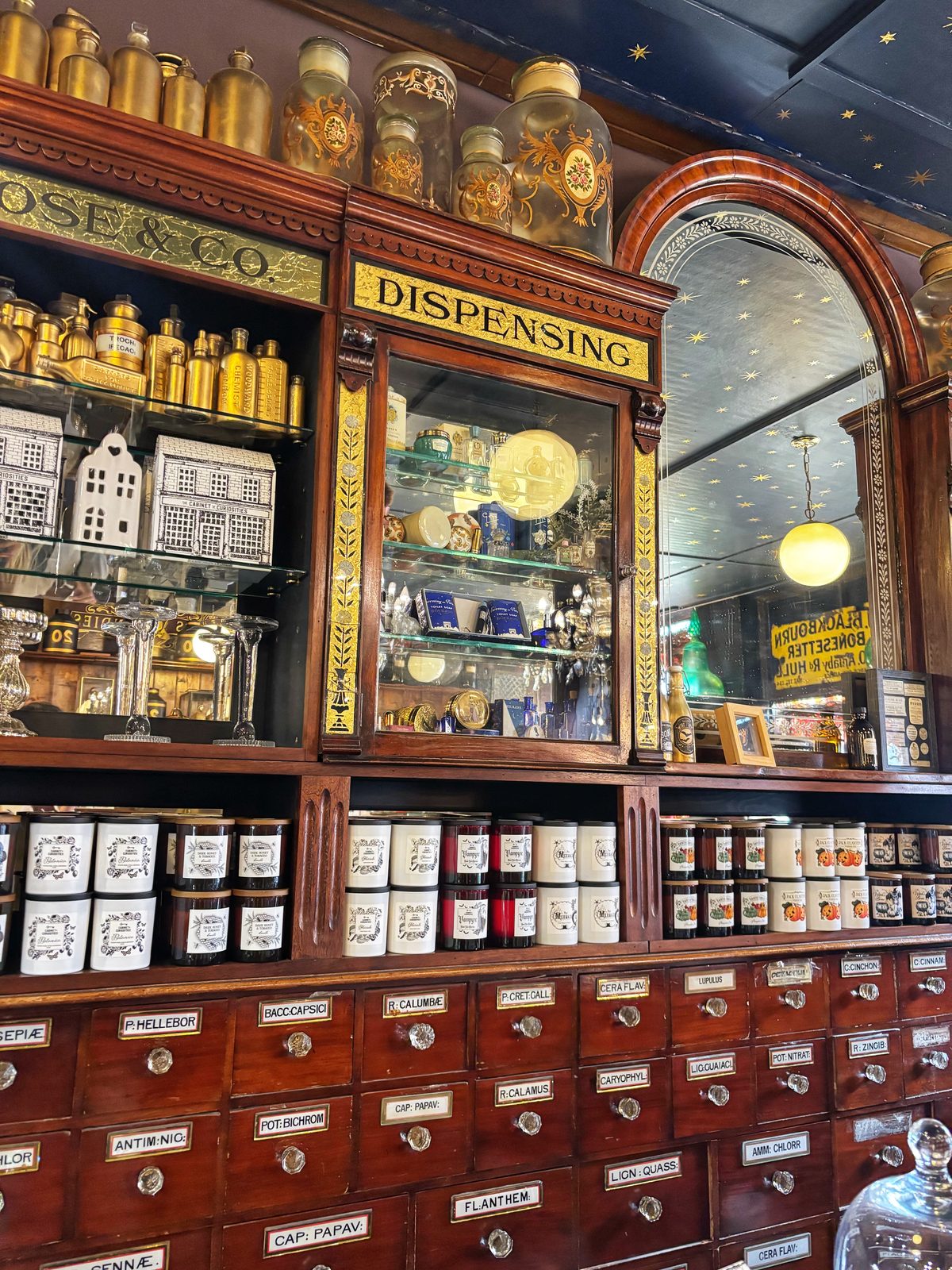
The Cabinet of Curiosities in Haworth has become a popular destination for those looking to really get into the autumn spirit.
And it seems like there's a lot of people who are looking to do so, as huge queues have been forming along the quaint cobbled streets of Haworth.
So much so, that owner Carolin had to issue a statement via The Cabinet of Curiosities Instagram page.
Images: The Hoot Leeds
It reads: "Weekends in Haworth have become particularly busy during Autumn and we are so grateful to all those lovely souls who have patiently queued to visit the shop.
"We are so honoured that you are happy to wait to come in to our magical apothecary shop, and I can’t quite believe it when I look out of the windows and see the queue snaking up the cobbles. Be assured that the queue does move fast and it makes for a far more pleasurable visit if there are fewer people in the shop at once.
Images: The Hoot Leeds
"If you would rather avoid the busy times it’s best to visit during the week if you can. Our shop is open 7 days a week 10-5, but to make sure all the shops in Haworth are open then Wednesday, Thursday and Friday are probably the best days to visit.
"We are doing our best to keep up with restocking and our fabulous workshop witches are busy blending, filling and packing every day to keep to keep the shelves stocked. We are humbled and forever grateful that you love our little shoppe, and hope you enjoy your potions and your visit to The Cabinet of Curiosities."

 Clementine Hall -
11th March 2024
Clementine Hall -
11th March 2024