The Scottish government has announced plans to trial a new four-day working week, with no loss of wages or cut hours for staff - meaning that their take-home pay will stay the same.
It comes as many are realising that the return to work will take some time, given the events of the past year and a half.
Some are seeing this as an opportunity to implement new working practices, with trials for a four-day working week now officially being floated in Scotland.
Holyrood has commissioned a report, out today, which draws on the experience of similar schemes in New Zealand and Iceland for inspiration.
The report seeks to provide some evidence to support why a four-day working week would be a good thing to introduce, with benefits ranging from increased employee productivity to overall staff happiness and wellbeing.
IPPR Scotland (the Institute for Public Policy Research) has said that there would be a system to assess who will qualify for reduced hours, and these could be given as a mix of annual leave entitlement, more public holidays, and parental leave.
The new Scottish trial will reportedly seek to discover how a Low Hours Commission, as recommended by IPPR Scotland, will benefit those in non-office employment and on lower pay.
Those with part-time or condensed working hours will also be included in the trial.
The report also suggests that maximum hours should be capped, and a minimum hours floor introduced.
This idea is not a new one, and has been floated by politicians in the UK before - notably by former Labour leader Jeremy Corbyn as well as by Scottish First Minister Nicola Sturgeon.
Speaking to The Independent earlier this year, Ms. Sturgeon promised to trial the four day working week - and now it appears she is about to deliver on that promise.
She said: “Before the pandemic struck, many people were already worried about work-life balance. We want to do more to support people to achieve a better balance and help businesses employ as many people as possible.
“As part of that, we will establish a £10m fund to support willing companies to explore and pilot the benefits of a four-day working week.”
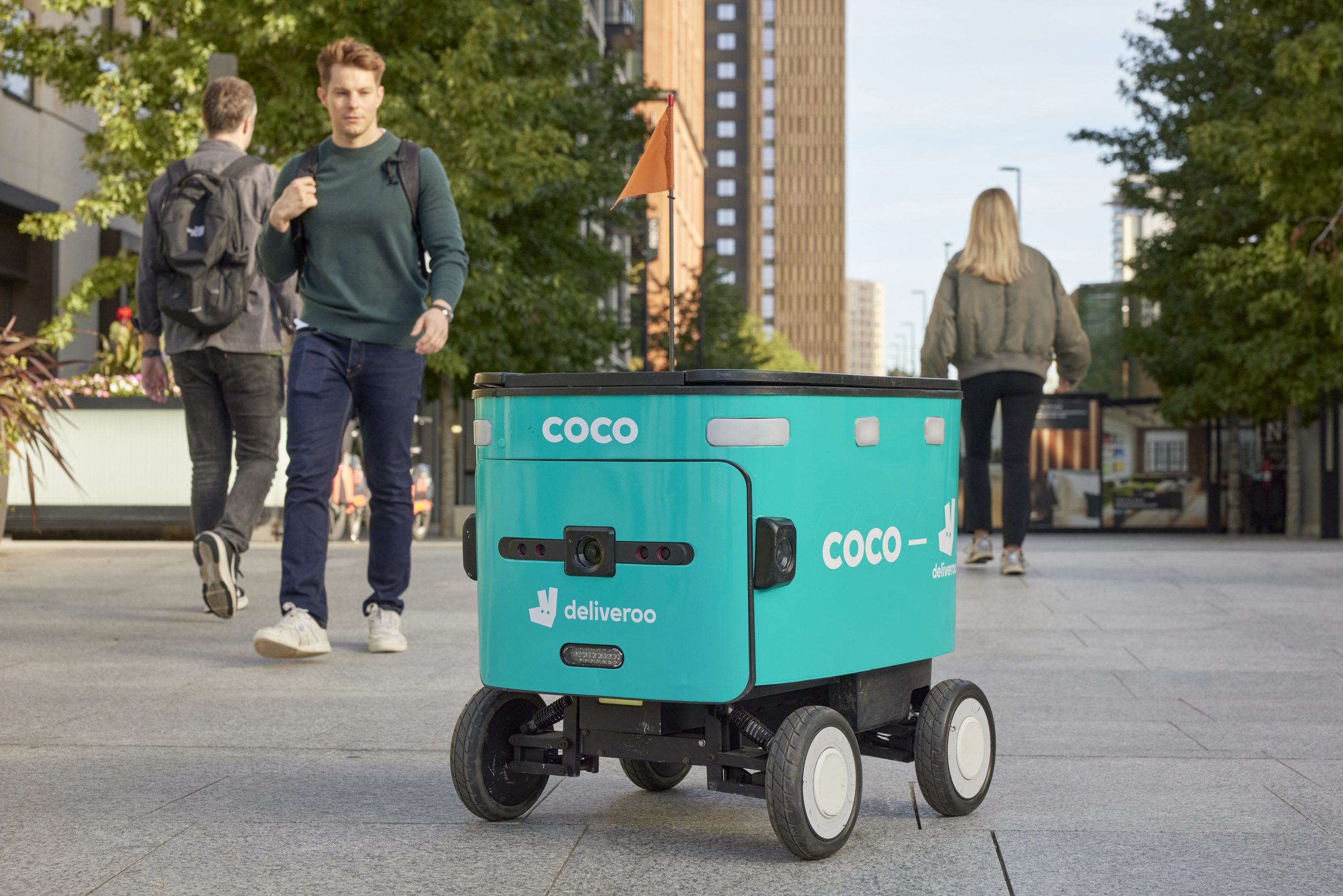
Deliveroo and Coco Robotics are set to bring robot deliveries to Leeds through a new strategic partnership.
Next time you order a takeaway...let's just say, it could look a little different.
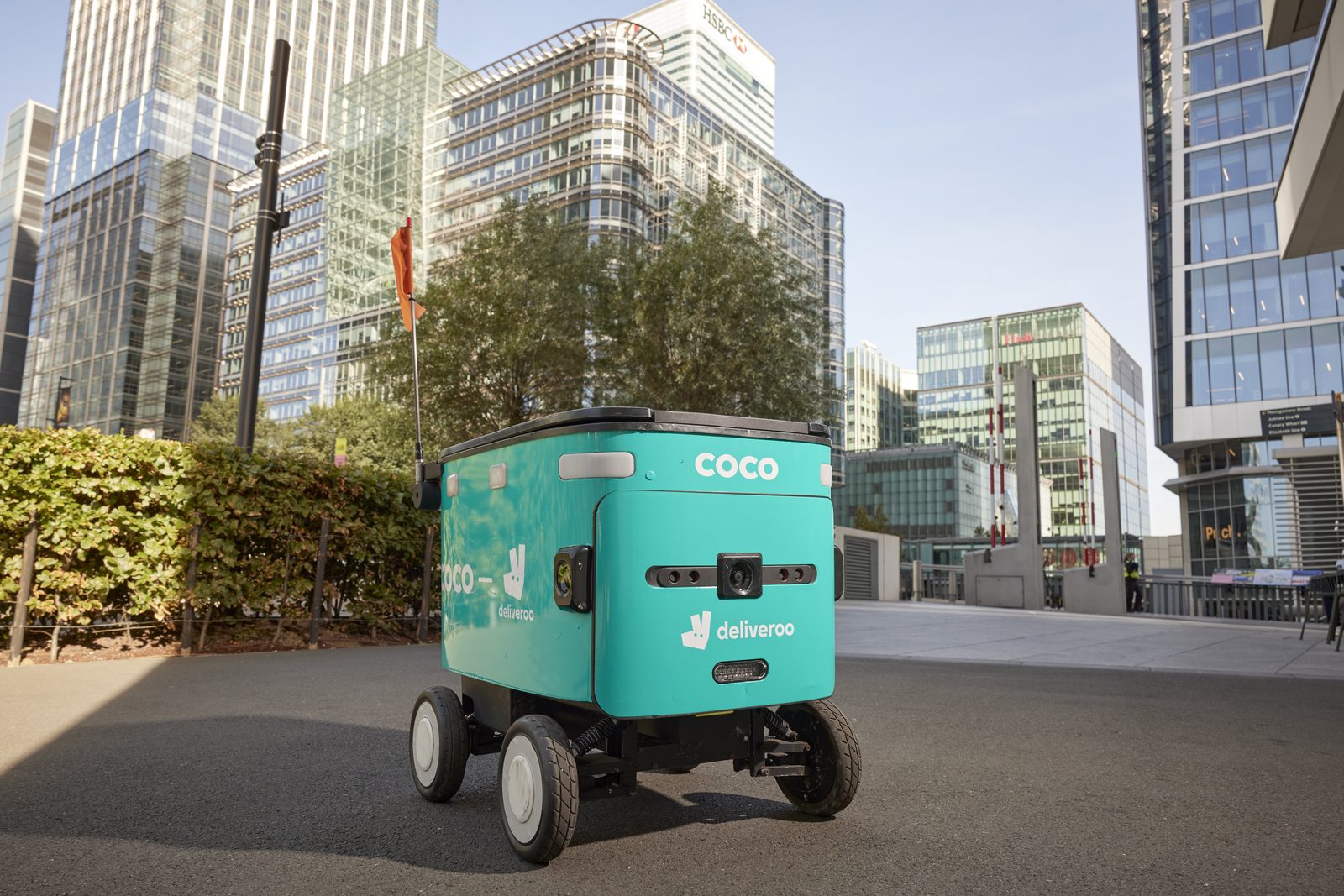
In the new exclusive partnership, Deliveroo and Coco Robotics are launching in multiple locations, beginning with Canary Wharf in London this October, before launching here in Leeds as well as Milton Keynes, Stockton on Tees and Nottingham in the coming weeks and months.
The rollout marks Coco Robotic's entry into the UK, extending the company’s broader expansion across Europe.
While the majority of orders will continue to be fulfilled by Deliveroo’s rider network, Coco’s fully electric robots are suited to short-distances and navigating urban environments, offering additional flexibility to local businesses on Deliveroo’s platform.
The robots operate at walking place, meaning they're able to move safely through busy streets whilst carrying orders directly to customers.
Image: Supplied
Miki Kuusi, CEO at Deliveroo and Head of DoorDash International: “London is where Deliveroo was born, so it feels fitting that we’re launching our first UK autonomous delivery service with Coco Robotics here before expanding our exclusive partnership to more towns and cities nationwide, building on our partnership in other geographies.
“We see huge potential in autonomous delivery and we are looking forward to working with Coco to bring more flexibility to our delivery network, helping local restaurants and shops meet increasing consumer demand. We firmly believe that robot and drone technology should benefit High Street businesses of all sizes, helping them remain competitive and meet consumers in new ways.”
Councillor Tom Hinchcliffe, Leeds City Council’s executive member for transport and planning, said: "Our council is determined to embrace the opportunities offered by emerging technology. This approach has already helped establish Leeds as a location for hosting and advising on robot delivery trials.
“Supporting innovation means attracting investment. That's why we are now pleased to be working with Coco Robotics regarding the city’s future involvement in the UK rollout of their partnership with Deliveroo.
“We look forward to exploring the benefits that the rollout can bring to Leeds and its residents.”
Tesco unveils Christmas Meal Deal menu for 2026 and confirms official launch date
Emily Sergeant
Tesco has officially unveiled its Christmas Meal Deal menu for 2026, and has revealed when it’ll be arriving in stores.
Spooky season may not have even arrived yet, but it won’t be long before the most wonderful time of the year is here and most of the UK’s major supermarkets have already started stocking their shelves with Christmas food, drink, and gifts galore.
Tesco has now unveiled all the sandwiches and snacks forming part of its iconic lunchtime meal deal selection.
10 new seasonal mains and sides have been launched this year, as well as some classics and returning fan favourites too.
Images: Tesco
The retailer says its food on-the-go experts have worked hard to bring a variety of festive flavours and great-quality ingredients together this year, with something on offer to cater to all tastes and preferences.
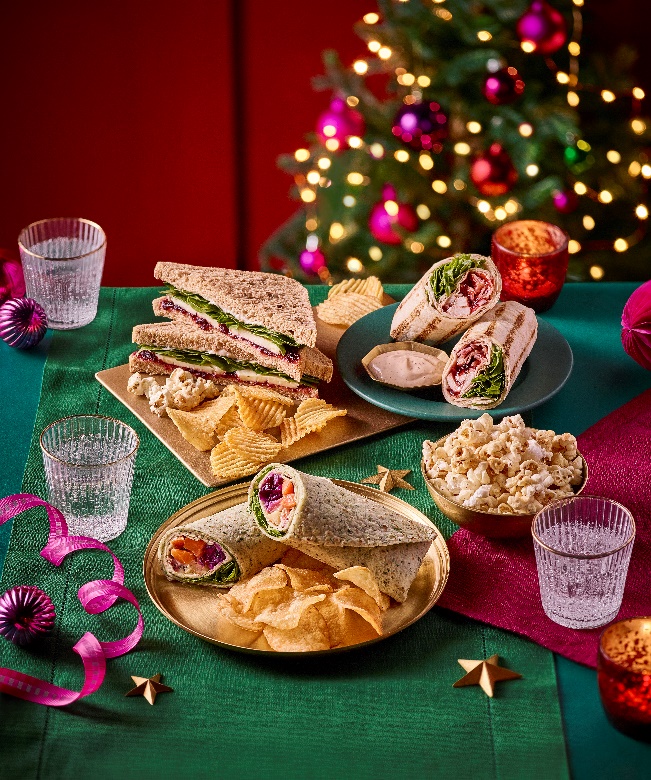
Available in stores and online from next week, with Tesco Clubcard members paying just £3.80 or £5.50 to upgrade to a Premium Meal Deal, some of the all-new main options you can choose from in 2026’s festive lineup include the Fully Loaded Chicken, Stuffing, Braised Red Cabbage & Cranberry Sauce Sandwich, the Christmas Triple Sandwich, and the Pork Meatball Wrap with smoky sage and onion mayonnaise.
Other returning favourites include the Brie and Cranberry Sandwich, the Currywurst Sausage Sub, and the absolute classic Turkey & Trimmings Sandwich.
For veggies and vegans, there’s a new Tesco Plant Chef Christmas Veg Fest Wrap, and for those who follow a gluten free diet, you can grab the Gluten Free Festive Chicken & Trimmings sandwich.
When it comes to snacks to accompany those mains, the festive Mini Pork Pies and Pig in Blanket Sausage Rolls are returning to the lineup this year, alongside some new additions like the Pretzels with Salted Caramel Soft Cheese Dip, and Mini Cheese Twists.
The 2026 Tesco Christmas Meal Deal range will be in stores across the UK from Monday 12 October, and there’s thousands of combinations to try.

 Georgina Pellant -
1st September 2021
Georgina Pellant -
1st September 2021