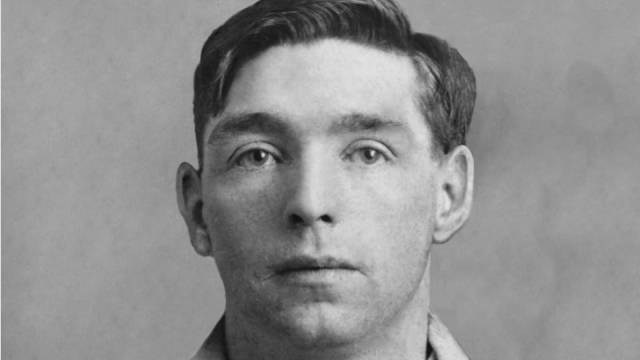
There are two elements that make the life of Owen Vincent Madden unique.
One, he didn’t die behind bars. Two, he was from Yorkshire. Pick a mobster from early 20th century New York out of a hat and it’d take you a while to find one who isn’t Italian, Irish or possibly Jewish. Gangsters at that time, in that area, didn’t tend to be from the West Riding of Yorkshire.
Enter Owney “the Killer” Madden. The mob boss with the most straightforward nickname in history. Born in Leeds on Christmas day 1891 to Irish parents Francis and Mary Madden, he later moved Stateside in 1903, after the death of his father. They settled in the Hell’s Kitchen district of Manhattan, at the time highly violent, and young Owney wasted no time settling in.
Described by pals as “that banty little rooster from hell,” Owney committed his first crime aged fourteen by clubbing and robbing a man of $500. He became a part of, before taking over completely, the Gophers gang where his reputation grew and grew or fell and fell, depending on your moral slant. He earned his nickname after shooting an Italian gang member in the streets. “I’m Owney Madden!” he shouted. “10th Avenue!” No-one came forward as a witness such was the power he had.
With the power, came women, lots of women. It wasn’t unusual to see Owney accompanied by several and he ebbed and flowed through New York’s bars. But he was jealous. So jealous that one time he shot and killed a store clerk called William Henshaw for asking out one of his girls while on board a trolley.
It helped Owney’s rise that he was apparently immortal. On November 6, 1912, he was shot eleven times outside a 52nd Street dance hall by three members of rival gang the Hudson Dusters. Owney refused to identify his attackers to police. “Nothing doing,” he said. “The boys’ll get ’em. It’s nobody’s business but mine who put these slugs in me!” After a week of his release, several members of the Dusters were dead.
Two years later, Owney was sentenced to 20 years at Sing Sing Prison after ambushing and and killing Little Patsy Doyle, a member of the Dusters. But he wasn’t done there. Remarkably, Owney was let out on parole after serving just nine years in 1923.
The world was different. Especially the United States. The Gopher gang had split and Prohibition - the outlawing of manufacture, transportation, and sale of intoxicating liquor — was in effect. Owney made the best of a bad situation by bootlegging. He stuck his finger in nightclubs and show business. He turned a rotting Harlem club at Lenox Avenue and 142nd Street into the famous Cotton Club. He bankrolled the careers of George Raft and Mae West, the former of whom Owney employed as his personal driver. As for the latter, she became his girlfriend. “Sweet, but oh so vicious” is how she later described him.
By the end of the decade, Owney was a millionaire, at the head of a criminal empire that covered boxing, gambling, bootlegging and real estate. He organised a “crime commission,” with Frank Costello and Charles “Lucky” Luciano among others, to expand the business as legitimately as possible, with little to no bad publicity.
On July 7, 1932, Owney was sent back to Sing Sing for parole violations, no doubt a part of New York governor and presidential nominee Franklin D. Roosevelt’s plan to crackdown on corruption in the city. Owney was released the following year. This time, Prohibition was gone but the drive that made Owney a success after his previous release, had faded. Now in his forties and sick from old wounds, he was more of a pain in the arse to the crime syndicate than some fearsome ball-buster.
Depleted and bored, he began visiting Hot Springs, which had acted as an paradise of bootlegging, prostitution and gambling. Owney chatted up a gift-shop clerk, Agnes Demby, the daughter or the local postmaster. On November 26, 1935, they married and moved into a house on West Grand Avenue. Agnes, though not involved, knew of Owney’s connections, prison record, and outlook.
Eventually Owney left New York altogether. It is not exactly clear what cemented this decision. Some believe he may have made a deal with politicians or the likes of Lucky Luciano to oversee mob operations in Hot Springs. Major Leo P.McLaughlin and Municipal Judge Vern Ledgerwood, who ran their own syndicate in Hot Springs, denied that Owney had anything to do with their activities — though it was common knowledge that he set upthe wire service that brought racing results to bookies.
Owney kept a low profile until 1940 when he purchased a share in the Southern Club which was frequently visited by his old and new associates. Six years later, McLaughlin was voted out but local rackets soared. And Owney’s rep reemerged. As a result, he was placed under constant FBI surveillance. In 1961, after a federal investigation found Hot Springs to be the location of the largest corrupt gambling operation in the country, Owney stood before the Senate Committee on Organised Crime. He invoked the Fifth Amendment until the affair was over.
Owney remained in Hot Springs, even as the state government shut down illegal operations. A year later, on April 24, 1965, he died of emphysema.
News
Audio North’s Artist of the Month: Cole LC | March 2026
The North is full of amazing artists, and we’re spotlighting one every single month – it's time to go 'Rollin' with Cole LC
Leeds' own Cole LC has got very far doing his "little music thing" and has seen him reach all new heights as his upcoming project suggests with its title West Yorkshire to Westend Show
This musician has built a pretty distinctive artistic style that fuses rap, all while making sure his West Yorkshire identity was kept in the forefront.
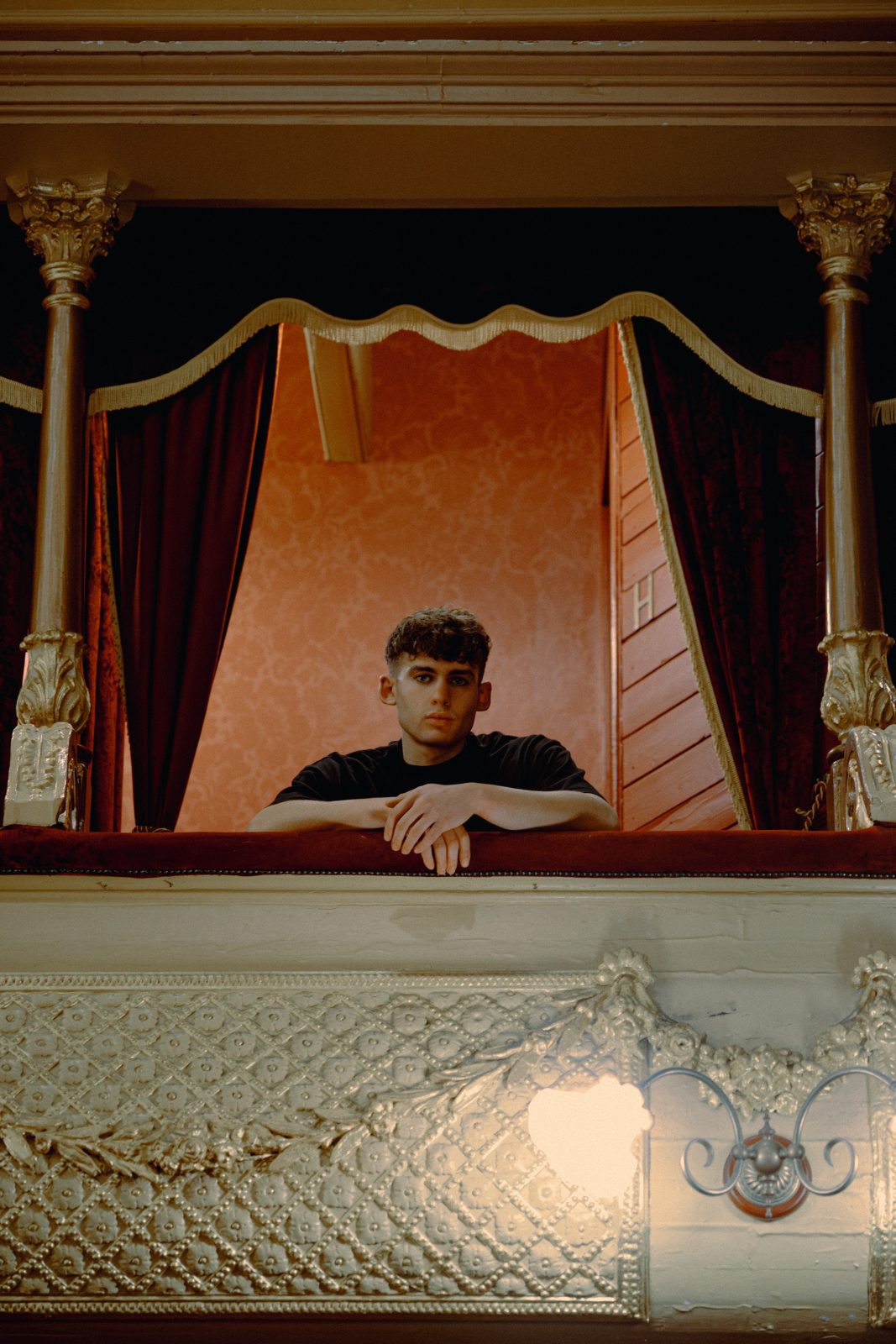
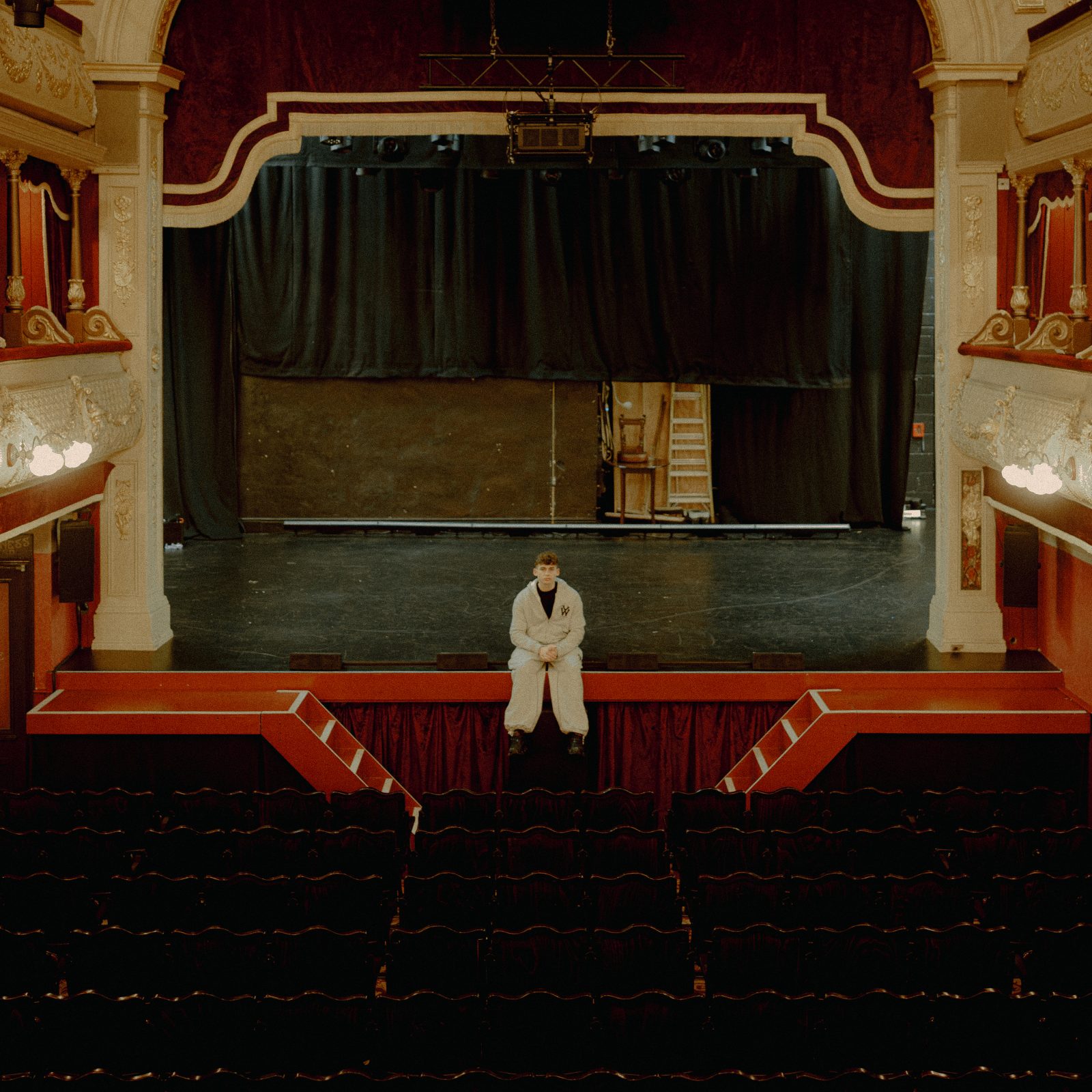
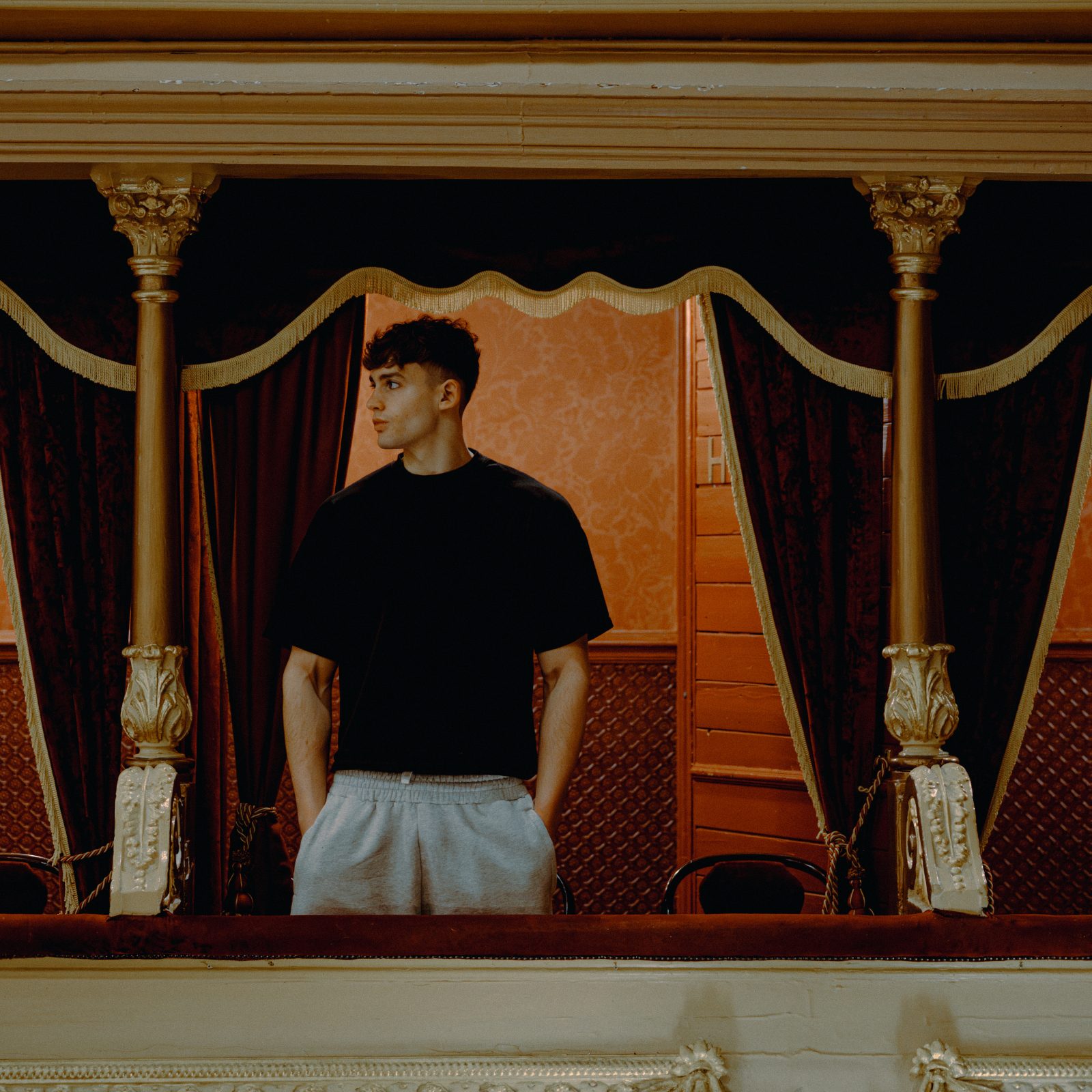
That's because, all of Cole's visuals have been filmed across the city at some pretty recognisable spots like Kirkgate Market, City Varieties and Belgrave Music Hall.
So far, this local lad has captured the attention of music lovers with songs like 'Westbrook' and 'Your Tings My Ting' both having over one million streams.
Now, Cole LC sits down to talk all about being Audio North's ‘Artist of the Month’ and shares more teasers about his highly-anticipated EP.
An interview with Cole LC - Audio North's Artist of the Month
Audio North's Artist of the Month: Cole LC | March 2026 / Credit: Supplied via Press shots
What can we expect from your upcoming EP?
This is my first big release in quite a while after the release of Favourite Version in 2023 and I've done a lot of growing. I started writing last Summer when I was going through a tough period but it's gone onto create some of my best songwriting stories. It's a one big note to self that I hope helps other people out.
What is it like being a Northern independent artist?
I grew up in Roundhay with my family and Leeds as a city has had a monumental impact on what I do as an artist. By being close to the city centre, it has allowed me to be exposed to different types of music, soaking up all these genres has helped influence what I do now.
How do you think Leeds is shaping the UK music scene?
This city is a big credit to music and it's a testament to the musicians of Leeds having that talent but also being hardworking. It's also about authenticity and that's what we've got. The climate of music in general is very intense and there's lots of competition but the sheer talent here in Leeds makes it impossible for us to go unnoticed.
Cole LC has played a key part in Leeds' music scene / Credit: Supplied via Press shots
Who are some up and coming artists you're checking out?
Ellur and you spell it "Ell-uh" because she's from Bradford. She's an Alt-pop artist who I've been listening to a lot. I've also loved Charlotte Plank, especially her latest single 'crybby blue'. There's even Aaron Rowe who supported Lewis Capaldi.
What does a performance day look like for you?
I don't have a specific routine before a show. Practicing my lyrics is a big one and having a mint tea too.
What is your ultimate dream musically?
I'd love to perform whenever I like and just know people would be there and support me. I'd love the financial freedom to be able not worry and creative new tracks whenever whereever I want. Music is so powerful and speaks to everyone, I want to keep improving my quality and progress.
If you could collaborate with anyone who would it be?
Probably Justin Bieber because of how much I love him, he's the greatest of all time, he just is. When I was 14 I was so fuming watching him and seeing how good he is, I thought he'd put be out of a job forever. He has some unreal albums.
What's next for Cole LC?
I can guarantee you new music every single month for 2026. I know a lot of people have been getting in touch regarding a headline show so I'm hoping to organise a gig. I'm also going to make sure I keep the connection with people who enjoy my music whether that's in person or online.
A popular Caribbean street food restaurant is coming to Leeds this spring
Clementine Hall
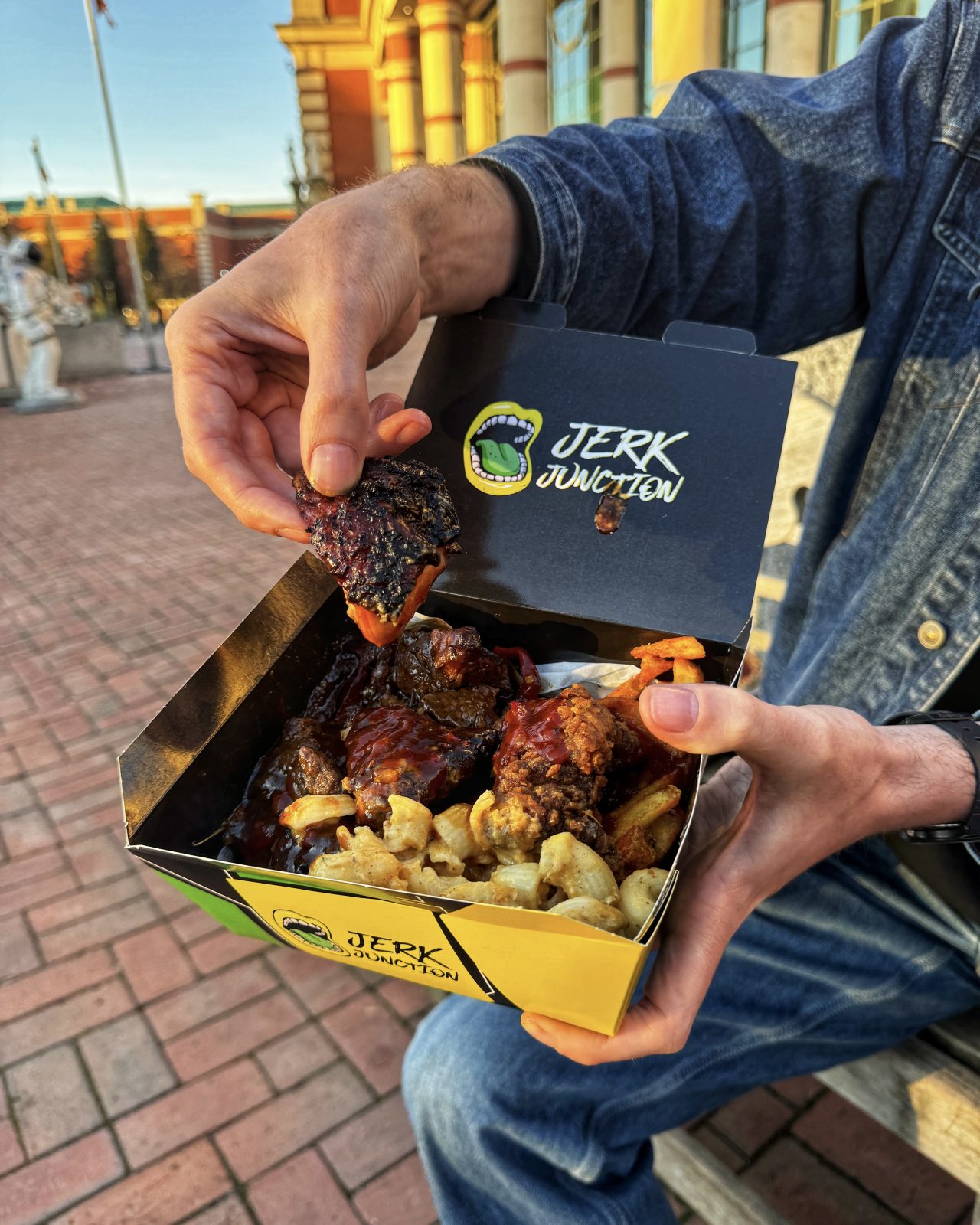
Get ready to enjoy a taste of the Caribbean as Jerk Junction is gearing up to open in Leeds.
The street food favourite has made waves in the foodie scene over in Manchester and Liverpool, so it's only right that its making its way into Trinity Kitchen.
Jerk Junction specialises in authentic Caribbean flavours, from dumplings and jerk chicken to curried goat and rice and peas, it's all flame-grilled and packed with island spices.
It is expected to open this spring.
Image: The Manc Group
Steven Foster, Centre Director at Trinity Leeds, said: “We’re so excited to be welcoming Jerk Junction to Trinity Kitchen and we’re sure it will prove very popular. Bringing an authentic Caribbean flavour to Leeds, it’s the perfect new addition and complements our already stellar line-up of street food vendors.”
Jake Shaffi, founder at Jerk Junction, said: “Jerk Junction is all about real Caribbean food and culture. Everything we do is rooted in Jamaican tradition, from bold spices and authentic cooking to dishes that bring people together.
“For us, food is family. From our kitchen to every person who comes to our counter, we want people to feel the warmth, the energy and the spirit of the islands. We can’t wait to bring those authentic flavours and good vibes to Trinity Kitchen.”
The announcement follows news that the UK’s largest independent boutique bowling brand Lane7, and footwear retailers schuh and Footasylum, would be opening at Trinity Leeds later this year, whilst the LEGO Store will be relocating to a larger space within the shopping centre.

 Josh Teal -
4th June 2021
Josh Teal -
4th June 2021