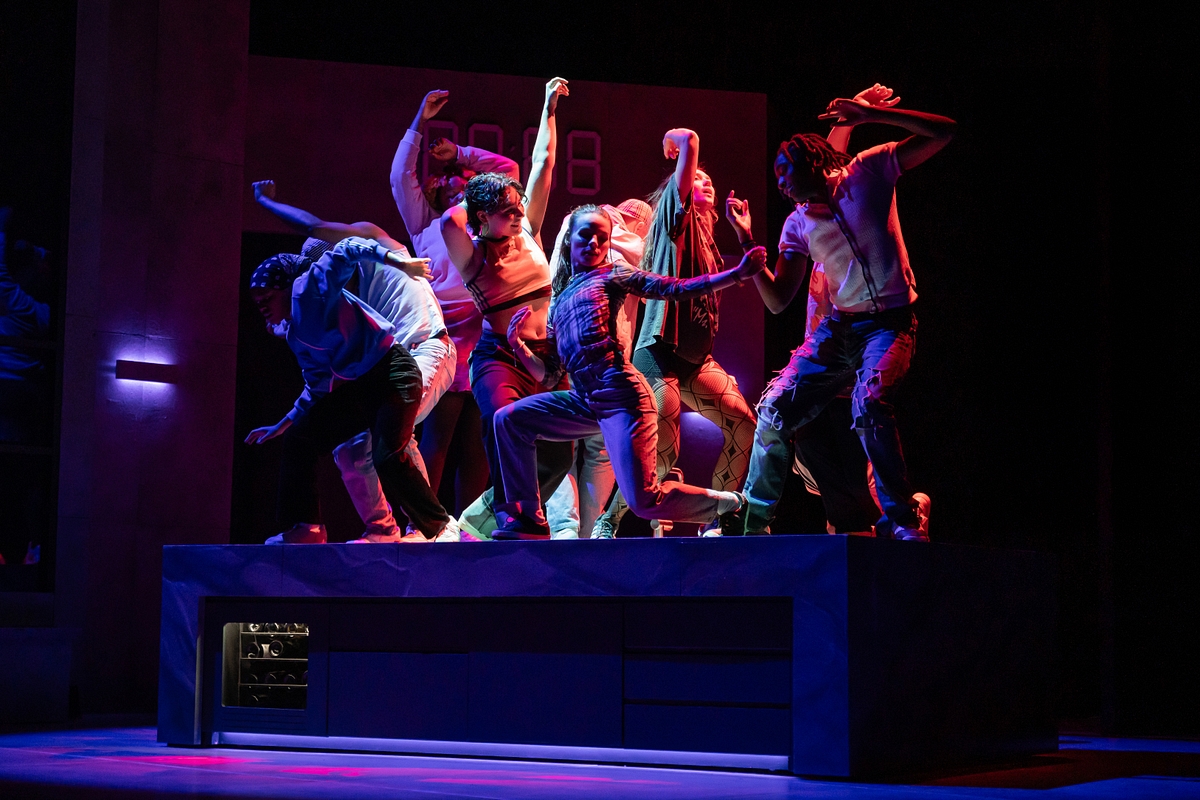
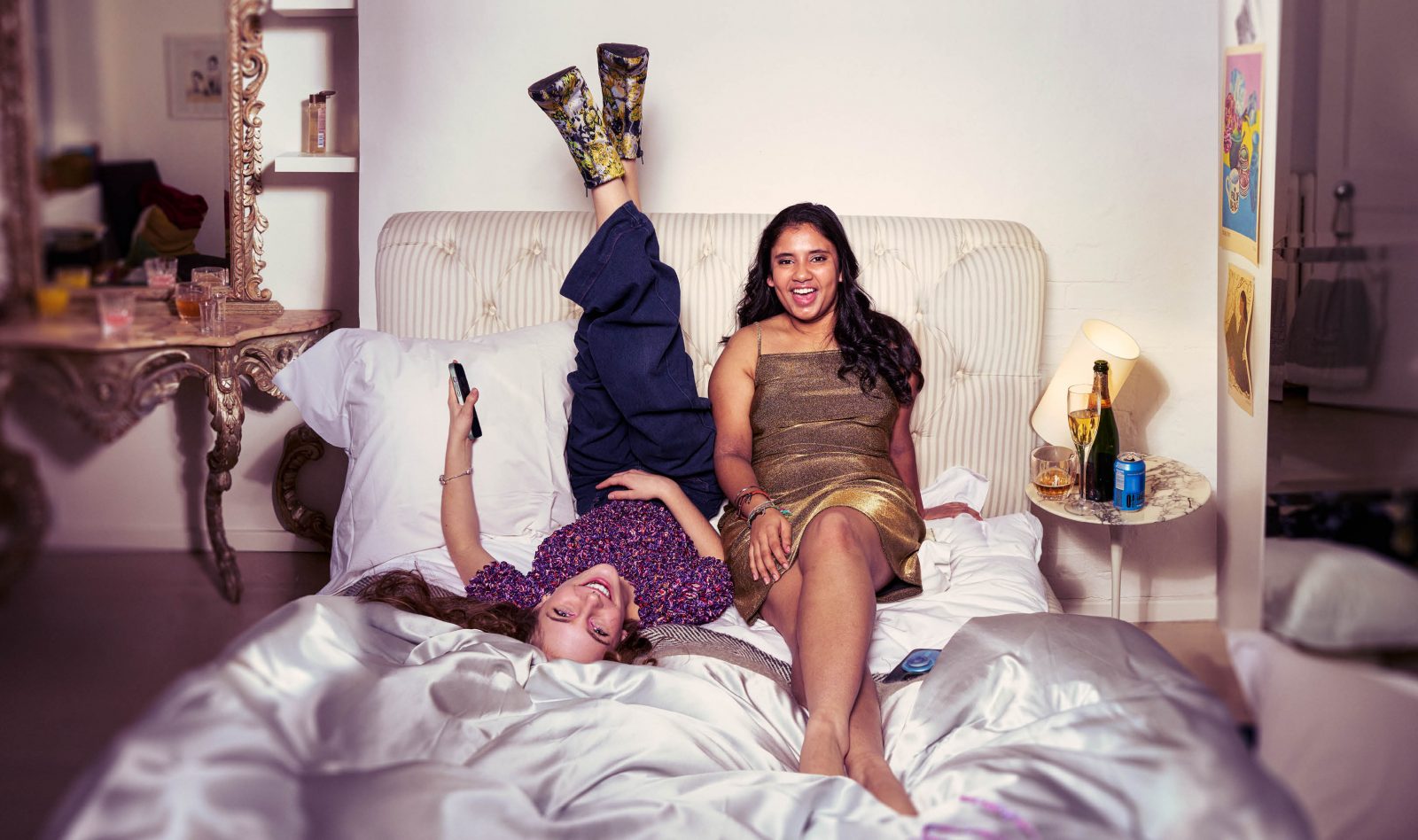
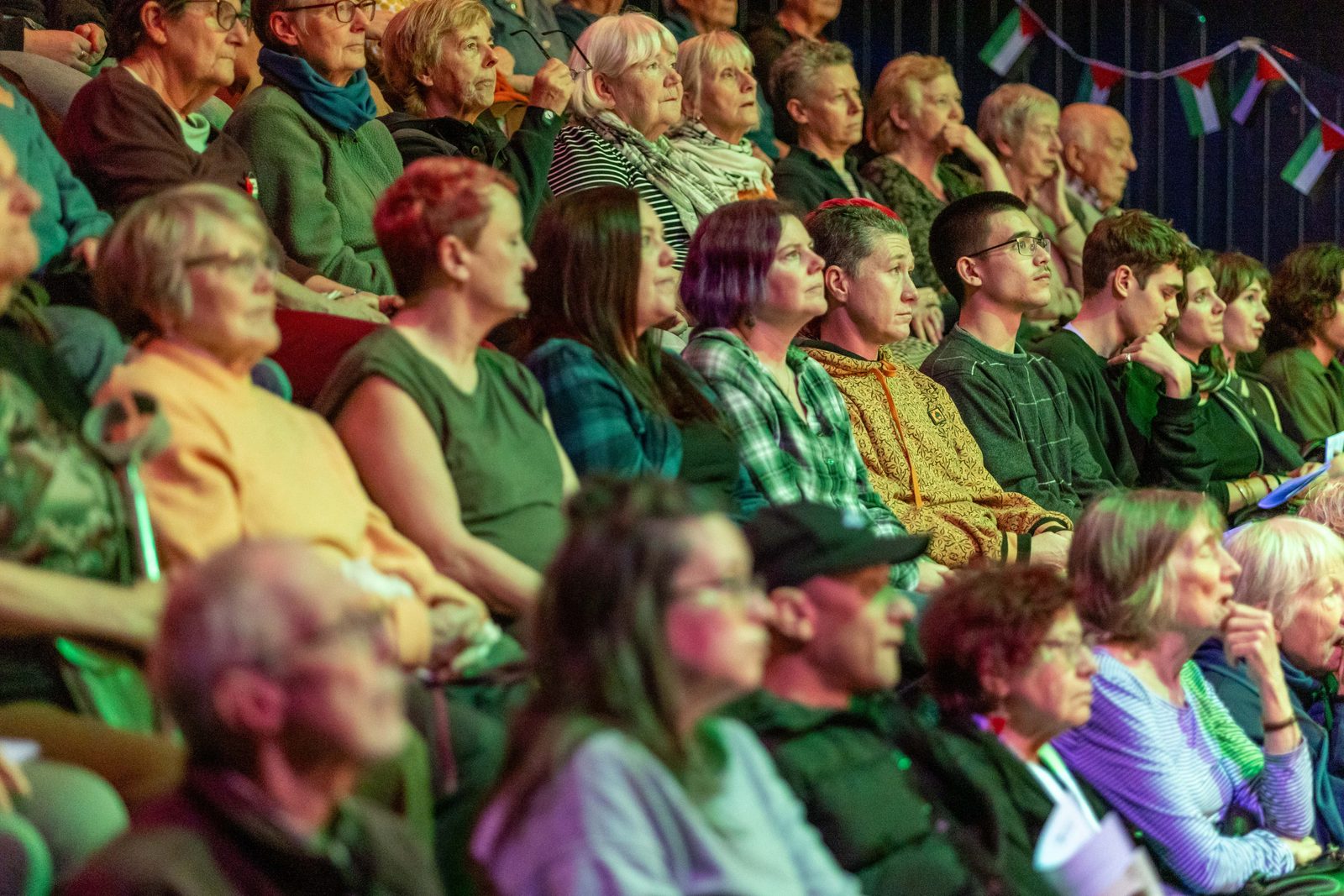
The House Party, a contemporary reimagining of Strindberg's Miss Julie, bursts with raw energy and visual spectacle.
After premiering at Chichester Festival Theatre, the play now embarks on its UK tour, making a stop at Leeds Playhouse before heading to Manchester's HOME Theatre from 25 until 29 March.
Written by Laura Lomas and directed by Holly Race Roughan, the play unfolds in a dynamic, post-modern setting that is both exhilarating and unsettling.
At the heart of this production is Julie, a young woman at a desperate crossroads in life. Her 18th birthday party becomes the catalyst for a series of charged and volatile encounters.
This collaboration between two powerhouse theatre companies - Headlong Theatre, known for its visual artistry, and Frantic Assembly, famous for its contemporary movement - results in a performance electrified by style and energy.
Movement director Scott Graham transports the audience into the chaotic, adolescent world of a house party through highly stylized choreography. The seamless blending of visual, audio, and movement is one of the production’s standout elements, crafting a playground that reflects the naivety and childlike behavior of the characters.
The House Party at Leeds Playhouse, review - one party invite you don’t want to miss
Synnøve Karlsen’s portrayal of Julie is nothing short of captivating. She expertly navigates the emotional volatility of a character who is both searching for connection and consumed by loneliness.
The play’s choreography, full of wild dance numbers and frenzied intoxication, amplifies Julie’s spiralling emotional state. Karlsen’s performance is a powerful exploration of a young woman’s internal struggles with identity, heartbreak, and the longing for validation.
The supporting cast also delivers strong performances. Sesley Hope brings a haunting depth to Christine, a woman caught between loyalty and personal aspiration, while Tom Lewis, as John, plays a quiet, longing character who is entangled in Julie’s tumultuous world. His yearning for her encapsulates the central theme of unattainable love that permeates the story.
While the production’s energy is undeniably captivating, at times it overwhelms the quieter moments of reflection that underscore the deeper themes of loneliness and isolation.
The digital clock, counting down the time of the party, serves as a stark metaphor for the fleeting nature of the characters’ lives, their brief connections, and their doomed desires. However, the relentless momentum sometimes drowns out the subtler, more poignant moments that provide emotional depth to the play.
In the end, The House Party is a compelling modern take on a classic drama. Its vibrant, high-energy atmosphere pulls the audience in, while the complex emotional currents linger long after the performance ends.
It’s a tense, occasionally uncomfortable exploration of intimacy, isolation, and the messy, often painful consequences of desire.
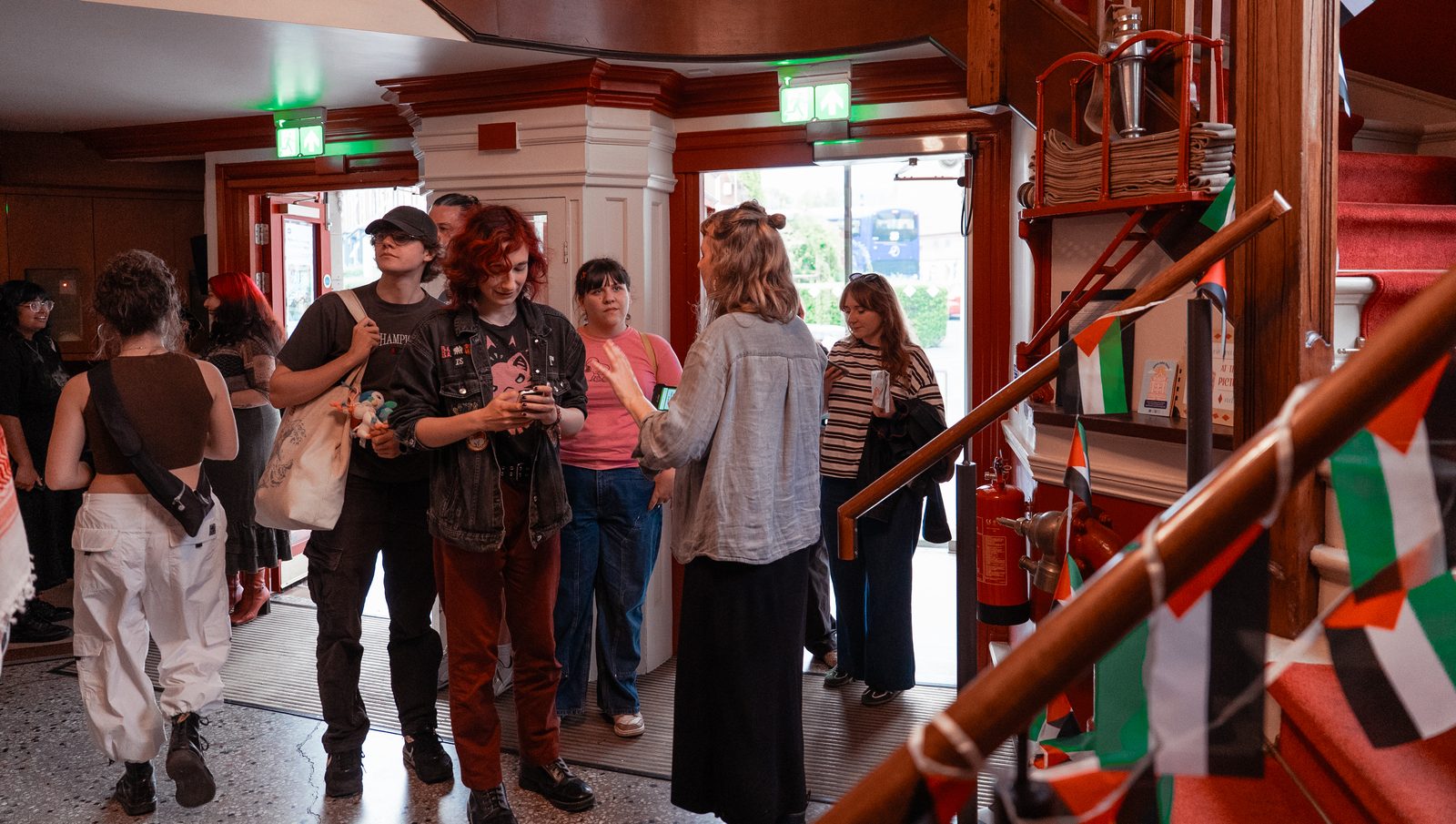
The Leeds Palestinian Film Festival has announced the dates for this year's festival.
This year's festival will explore the words of the celebrated Palestinian artist Sliman Mansour: "To make art is to say we are here."
These words will reflect the content of this year's festival, which aim to keep Palestinian stories alive; defy the erasure of history; and bring voices from the depths of destruction.
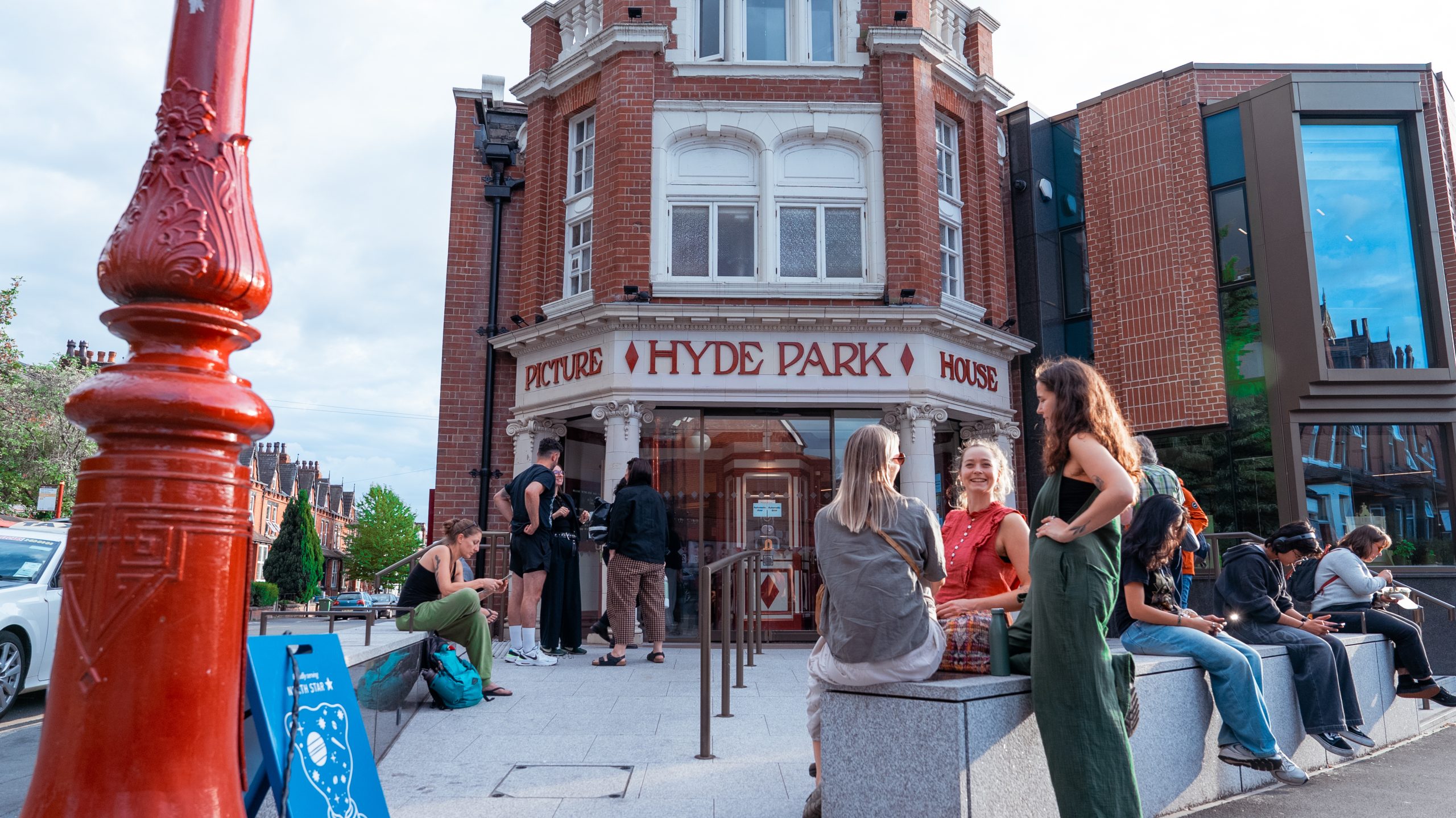
The Leeds Palestinian Film Festival will open Friday 13 November at the iconic Hyde Park Picture House with Life Support, a documentary about doctors in Gaza directed by Daniele Rugo.
Image: Supplied
The screening will be followed by a live Q&A with the director and doctors from the film, chaired by Healthworkers4Palestine.
Early programme highlights include the UK premiere of Conversation with the Sea, Muayad Alayan's family drama in which a 60-year-old Palestinian man in Jerusalem, ordered by an Israeli court to pay a debt allegedly owed by his son who drowned decades ago, sets out to discover what happened.
Also showing will be Maggie Lemere's documentary, Land of Canaan, follows Palestinian farmers and their olive trees, some more than 1,000 years old, and the fair-trade movement led by Dr Nasser Abufarha to protect them.
Image: Supplied
Frances Bernstein, Festival Director, said: “To make art is to say we are here. We chose the words of the celebrated Palestinian artist Sliman Mansour as this year's theme because they reflect what the programme is for: keeping Palestinian stories alive, defying the erasure of Palestinian history, culture and identity, and bringing voices from the depth of destruction to audiences in Leeds."
The full programme, guests and ticket information will be announced in the coming weeks. You can find out more here.
Canadian rock legends Nickelback announce Leeds gig on huge world arena tour
Clementine Hall
Nickelback announce world arena tour in support of their new album - and they're coming to Leeds.
The Canadian rockers will be bringing their biggest hits as well brand-new music to arenas around the world.
Formed in Hanna, Alberta, the band made up of Chad Kroeger, Ryan Peake, Mike Kroeger and Daniel Adair, have sold nearly 65 million albums worldwide.
Best known for rock anthems including Rockstar, Photograph and How You Remind Me, Nickelback have built up a huge global following over the course of their career.
The upcoming tour will see the band celebrate their new album, Everything Under The Sun, and they'll be kicking off the UK leg of the tour right here in Leeds at the First Direct Bank Arena.
The tour follows their record-setting Get Rollin' world tour, and will once again take them to venues across North America, Europe, and Australia.
The group have sold nearly 65 million albums worldwide, and achieved billions of streams across digital platforms.
Their new album will be released at the end of the month on Friday 30 October, so you'll have plenty of time to get to know their new tracks before they come to Leeds on Saturday 22 May 2027.
They'll be supported on the tour by Don Broco, an English four-piece featuring Rob Damiani, Simon Delaney, Tom Doyle and Matt Donnelly. Known for their genre-defying sound and dynamic approach to modern rock.
Nickelback 2027 UK Tour Dates in full
22 May - Leeds First Direct Bank Arena
24 May - London The O2
28 May - Birmingham Utility Arena
1 June - Glasgow Ovo Hydro
2 June - Manchester Co-op Live
Tickets for Nickelback at the Leeds First Direct Arena go on sale next Friday 16 October and you can get yours HERE.

 Declan Kelly -
5th March 2025
Declan Kelly -
5th March 2025