McDonald's has revealed this afternoon that it will permanently quit Russia over the war in Ukraine.
The company has said it will be selling off its locations in the country and 'de-Arching' the new owners, citing the ongoing 'humanitarian crisis' caused by the conflict.
McDonald's has said that its position in Russia is ‘no longer tenable, nor is it consistent with McDonald’s values', reports The Manc.
Whilst many companies have announced temporary sanctions on Russia. this move by McDonald's makes it one of just a handful of global brands to permanently pull out of the country in protest of the war.
When bosses initially shut down operations on 8 March following the initial invasion, the measures were only intended to be temporary.
In spite of this, it has emerged that McDonald's still plans to look after its 62,000 Russian staff and has promised that they will continue to have jobs with the stores' new owners as part of any future deal.
The company has also pledged to keep paying its Russian staff until new agreements are signed.
CEO Chris Kempzcinski said that the Russian staff's dedication and loyalty to McDonald’s 'make today’s announcement extremely difficult', adding that he was ‘exceptionally proud’ of them.
‘However, we have a commitment to our global community and must remain steadfast in our values.
‘And our commitment to our values means that we can no longer keep the Arches shining there.’
By writing off all of its assets in Russia, the company will instantly lose £1.2 billion, it said in a statement, adding that it expects ‘significant losses’ as it also has to sell all of its assets in roubles.
In a private document obtained by The New York Times, Mr Kempzcinski admitted the move would have ‘profound consequences’ on employees, franchises and suppliers.
He said: "Some might argue that providing access to food and continuing to employ tens of thousands of ordinary citizens is surely the right thing to do.
"But it is impossible to ignore the humanitarian crisis caused by the war in Ukraine.
"And it is impossible to imagine the Golden Arches representing the same hope and promise that led us to enter the Russian market 32 years ago."
He reportedly added: "In the history of McDonald’s, it was one of our proudest and most exciting milestones.
"After nearly half a century of Cold War animosity, the image of the Golden Arches shining above Pushkin Square heralded for many, on both sides of the Iron Curtain, the beginning of a new era."
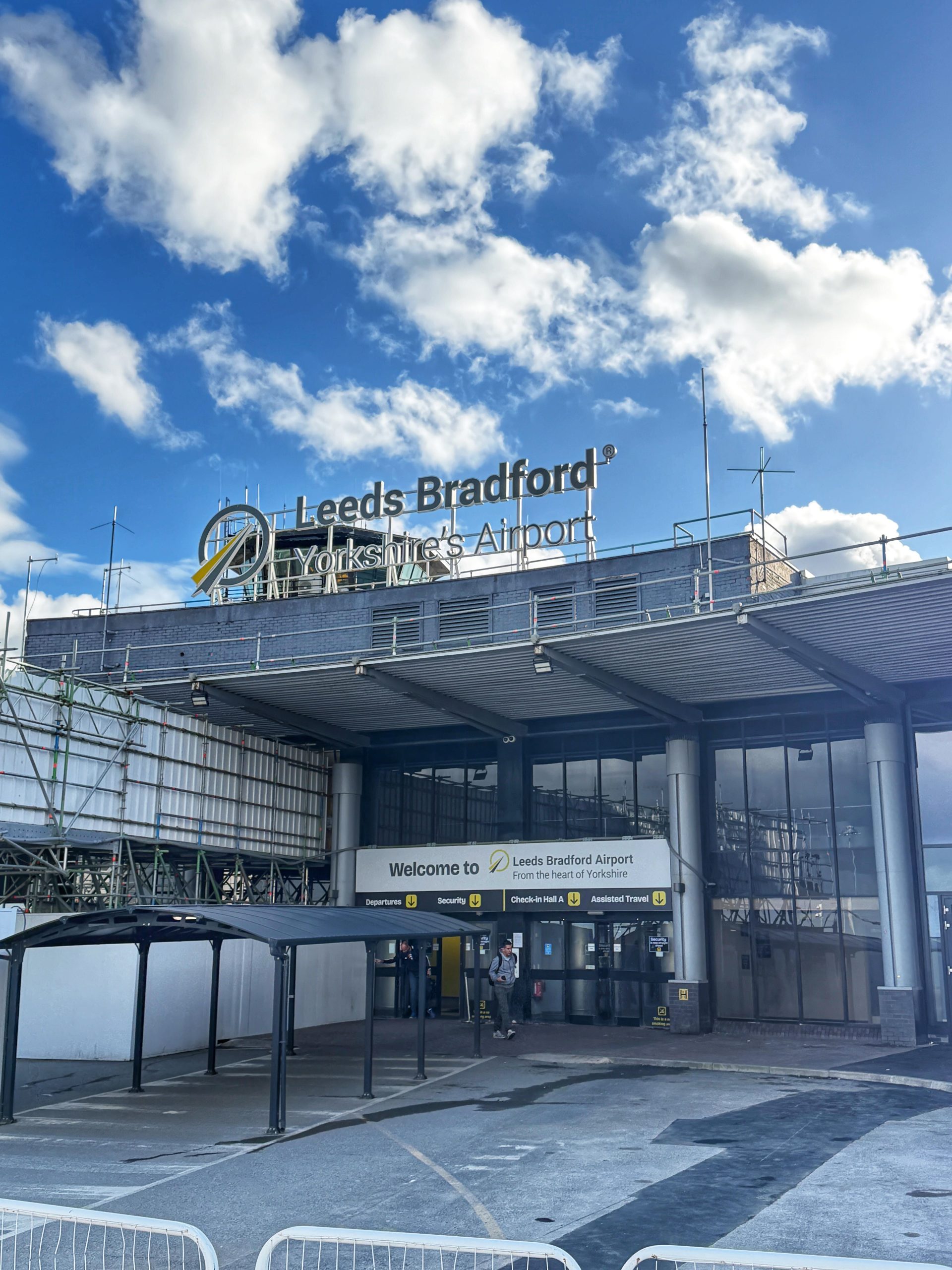
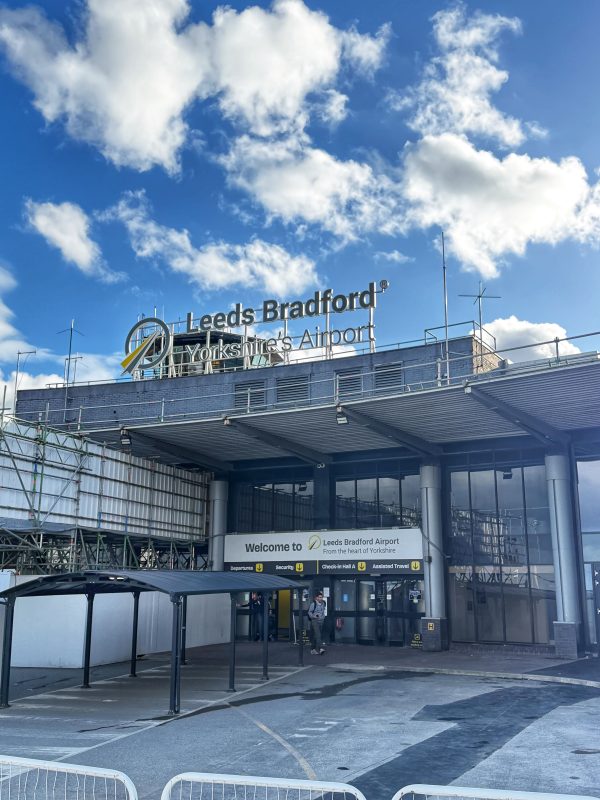
This weekend's strikes at Leeds Bradford Airport have been cancelled.
Around 130 workers were set to walk out this weekend, Unite said, but this has been suspended to allow air traffic controllers to consider a new pay offer.
The Unite members planning on to go on strike were a mixture of air traffic control workers, customer experience staff, security staff and cleaners.
The workers involved in the dispute had recently come out of a four-year pay deal, with some of the departments having fallen behind other airports in equivalent roles.
Pay talks have been happening since December 2025, with the airport's formal offer not going far enough to address the lack of pay parity which led to the decision to strike.
However, as of yesterday 15 October, the workers have been given new pay offers from the airport and the strikes will not take place to allow a ballot on the offers.
Air traffic controllers and hourly paid staff are being balloted separately on their respective offers.
Unite regional officer Neil Whitaker said: "After receiving offers from Leeds Bradford Airport, we have suspended this week’s strike action in good faith to allow members to vote on pay deals.”
In a statement, Leeds Bradford Airport said: "While the ballot process continues with certain members of our frontline colleagues, we remain hopeful that a positive outcome can be achieved and that an agreement can be reached which works for everyone involved.
"Regardless of the outcome of this ballot, LBA has a robust contingency plan in place and will be operating as normal this weekend.
"Our focus remains on supporting a smooth and reliable experience for customers while maintaining safe and efficient airport operations."
Traitors star and comedian Joe Lycett is putting cash behind the bar at a pub in Sheffield
Daisy Jackson
Comedian Joe Lycett is putting money behind the bar at a pub in Sheffield this week, as he continues to encourage people to get out and support their local boozers.
The TV favourite – who is also currently one of the stars on The Traitors – announced the news as he bid farewell to his fictional TV pub The Lycett Arms.
On the show, he said: “There are 45,000 pubs in the UK – go and give them some love.”
Joe Lycett then proceeded to list 30 brilliant pubs up and down the country, including one in Sheffield, and announced that the drinks are on him this week.
He told audiences: “[This] Friday I’ll be putting a little bit of money behind the bar in all the pubs you’ve just seen. I hope you can have a drink on me.”
The chosen pub in Sheffield is The Hallamshire House, a lovely old boozer serving real ale in Crookesmoor.
Announcing the news to social media, Channel 4 and Joe Lycett wrote: "Take this as your excuse to drop what you’re doing, call a mate, and head to your local pub. Even if you see this during the middle of a working day. Go. Be free."
Well, you certainly don't have to tell us twice.
Some pubs have even agreed to match the offer, commenting on the post: “Thank you so much for the shout out. Next time you find yourself nearby, pop in for a pint!”
So this Friday, get your friends together and have a free pint on Joe Lycett himself - you know you want to.

 Georgina Pellant -
16th May 2022
Georgina Pellant -
16th May 2022