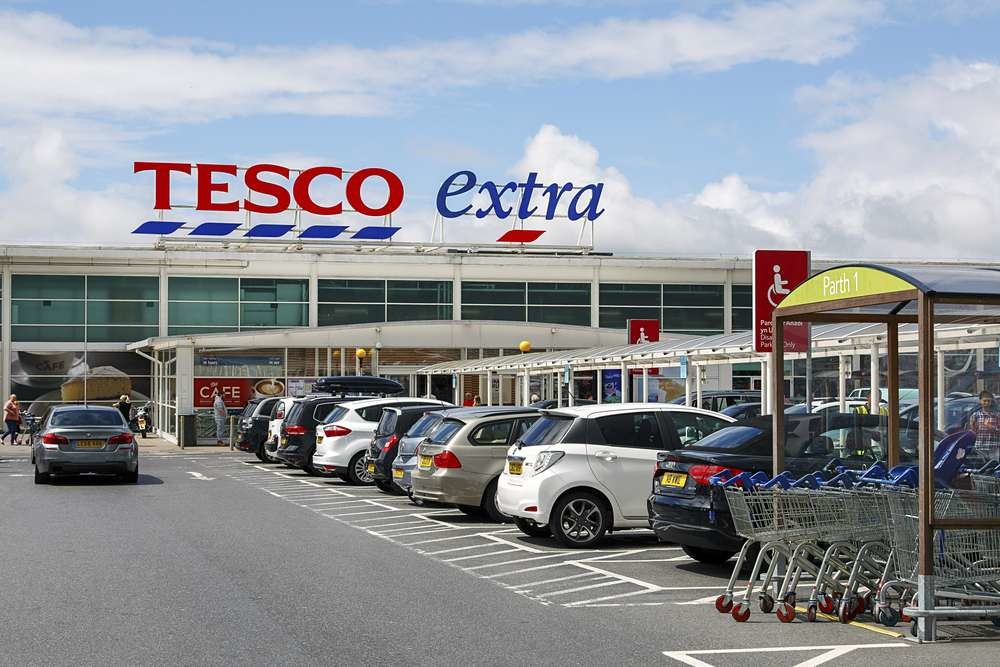
Some Tesco staff have claimed they have missed out on getting a Christmas bonus for the second year in a row, but they didn't exactly walk away empty handed.
Instead, they were given tubs of Quality Street.
The supermarket retailer is said to have given staff a 10% Christmas bonus in 2020 as an extra thank you for all their hard work throughout the COVID-19 pandemic, and in previous years has also been known to give out shopping vouchers - but in 2022, they were said to have just had to make do with some leftover festive chocolate.
The Guardian reports that Tesco staff received a plastic tub of Quality Street chocolates that were priced at £5 in store.
One worker complained to the paper that it was the second year in a row he had received only a tub of Quality Street and not a Christmas bonus, despite his particular store taking more than £10 million in December.
Tesco staff say they were given tubs of Quality Street instead of a Christmas bonus / Credit: Tesco
Tesco has addressed the claims by revealing that its staff discount was doubled to 20% on certain days during the run-up to Christmas, instead of offering vouchers or a cash bonus this past year.
The retailer said in a statement that it "would be wrong to suggest" chocolate replaced bonuses.
"We have never given a regular cash bonus at Christmas and it is wrong to suggest that we have replaced one with chocolates," Tesco said.
"To help colleagues with their Christmas shopping this year, we doubled our colleague discount to 20% in the run-up to Christmas - one of many benefits available to our colleagues, on top of the near 8% increase in base pay we invested over last year."
The tubs of festive sweets retail at £5 / Credit: Quality Street
Tesco also said bonuses were handed to shopfloor workers in April, May, and June 2020 when stores were very busy at the height of the pandemic, as well as in December 2020 to “recognise their exceptional effort during the peak Christmas trading period”.
The retailer has also pledged to invest £200 million into increasing its rate of pay for shopfloor staff to a minimum of £10.10.
It upped the rate again in October to a minimum of £10.30, taking their total pay rise last year to 8%.
Featured Image - Quality Street
Trending
Leeds farm welcomes five calves from one of the UK’s rarest cattle breeds
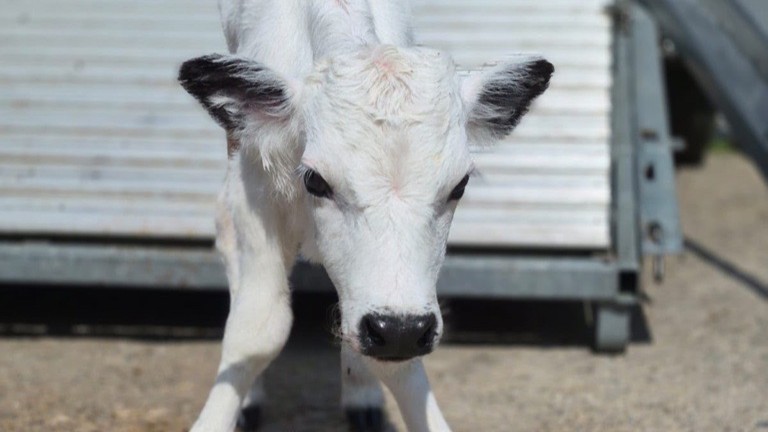
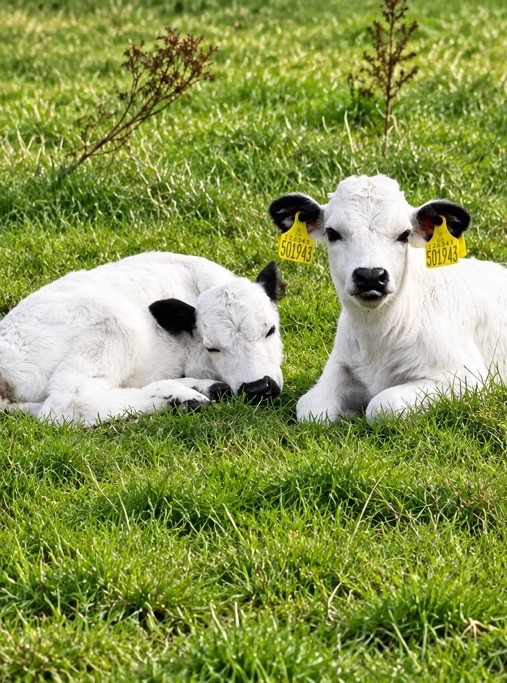
One of the rarest cattle breeds in the UK has had calves at Temple Newsam’s farm.
We think this might be the cutest story we've written about all year.
Categorised as ‘priority’ by the Rare Breed Survival Trust (RBST), Vaynol cows originate from North Wales and were first established in the late 19th Century.
The herd over at Temple Newsam stems directly from that first herd, having lived there since the 1980’s.
Images: Leeds City Council
And now, they've welcomed five new calves - and the beautiful new arrivals are just five of 150 animals in the UK.
Vaynols can now be found in five locations in the UK, with Temple Newsam’s Home Farm currently home to one bull, 14 breeding cows, five heifers these amazing new calves.
Richard Aldis, farm manager at Temple Newsam, said: “We’re so thrilled to have welcomed these little ones to the farm.
“The team here works hard to protect these rare breeds that the farm is home to and it’s always wonderful when we can successfully grow the herd. The calves are settling in well and we’re just thinking about names for them.”
Councillor James Gibson, Leeds City Council’s executive member for environment, said: “It’s wonderful to hear the news about these rare little calves being born, it is truly a testament to the important work that is done by the team at Temple Newsam’s Home Farm in preserving these breeds for future generations.
“There is so much for visitors to enjoy at the estate. Alongside the farm and its wonderful animals, people can explore the magnificent Temple Newsam House, enjoy the new bike park, and visit the recently opened play barn. It really is a fantastic day out for the whole family.”
Government announces all national museums across the UK will remain FREE for everyone to visit
Emily Sergeant
Dozens of national museums across the UK are set to remain free for everyone to visit, it has been confirmed.
Funded by the Department for Culture, Media and Sport (DCMS), the 14 national museums of the UK are all located in England – including the Royal Armouries in Leeds – and free entry to was first introduced all the way back in 2001, with millions of visitors having benefitted since.
National museums are said to add more than £1 billion a year to the economy, and bring in visitors from all over the world.
In fact, seven of the UK’s 10 most visited museums are national museums, and 7.1 million people visited the Natural History Museum and 6.4 million visited the British Museum in 2025 alone.
Earlier this year though, the Government committed to working with local leaders and the museum and tourism sectors to explore whether charging overseas visitors could help museums’ finances.
But following this, it’s now believed that charging could deter visitors, and that the impacts and benefits would ‘not be felt equally’ across the sector.
The Government has announced that all national museums in the UK will remain free for everyone to visit / Credit: Science Museum Group
Instead, the free entry will be funded by the £1.5 billion Arts Everywhere Fund – which is providing £760 million for museums – while £600 million of infrastructure funding is supporting national museums and DCMS-sponsored cultural organisations.
The latter funding will be used to address critical maintenance and works to estates, and enable institutions to deliver on their commitments to share collections with visitors from around the world.
A further £160 million is coming from The Museum Estates and Development Fund to help museums tackle maintenance backlogs.
On top of that, the Government will work with Arts Council to develop a long-term strategic plan for the future of museums.

 Emily Sergeant -
10th January 2023
Emily Sergeant -
10th January 2023