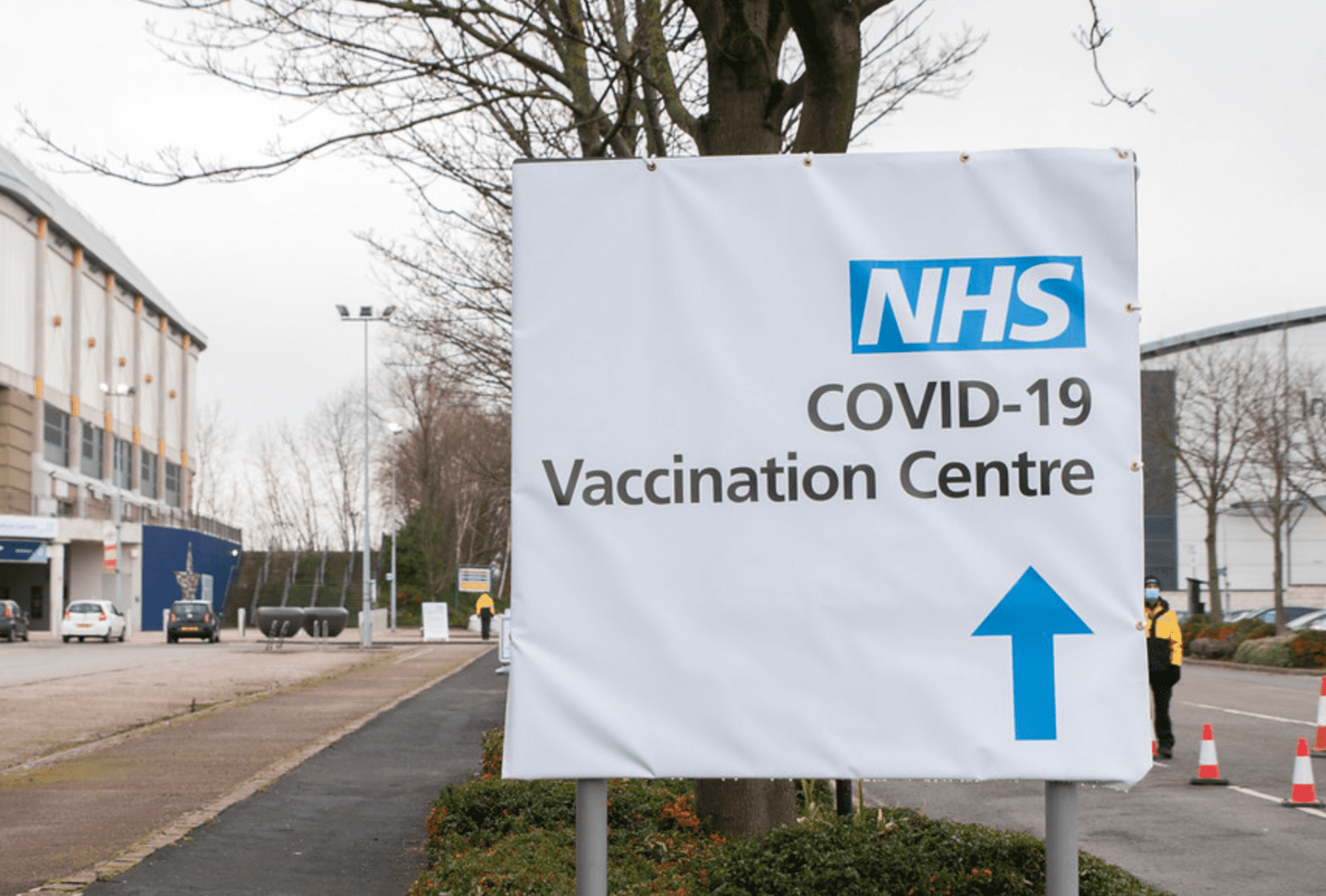
The government looks set to U-turn on its policy to introduce mandatory vaccinations for NHS staff today, according to reports.
Last November. reports emerged suggesting that the government intended to introduce the mandate for NHS staff - having already done the same for care workers up and down the UK.
But now, with the NHS under increasing pressure and already greatly understaffed, as well as the premiership of Boris Johnson coming under increasing pressure from the ongoing partygate scandals - with number 10 now the subject of a police investigation - it all looks set to change again.
There have been significant concerns that the sector could be left with a massive staffing crisis due to the number of workers refusing to be vaccinated, leading the Health Secretary to announce last week that the jabs requirement was being “kept under review”.
Government ministers will meet to decide whether to scrap mandatory COVID-19 vaccinations for NHS staff in England / Credit: Flickr
It is understood that no final decisions have been made as of yet, but Mr Javid will meet ministers on the COVID operations cabinet committee today and he is expected to confirm the U-turn later this afternoon.
Although he said that he believes it’s the “professional duty” of NHS staff to get vaccinated, Mr Javid told the Health and Social Care Select Committee last Tuesday that, when the mandatory vaccination policy was announced, the dominant COVID variant was Delta, and it was right to “reflect” now Omicron was dominant.
The Telegraph reported yesterday that the government is saying the decision to U-turn on the policy is because Omicron is milder than previous variants of the virus. However, new variants could always emerge in the future.
These recent reports that the government ministers are meeting today comes just a week after the Department Of Health And Social Care said there were no plans to change the policy as it was “the right thing to do to protect patients”, despite previous reports suggesting ministers were considering a delay in its implementation.
Both the Royal College of GPs and the Royal College of Nursing (RCN) had urged for the deadline of mandatory vaccination to be postponed and the British Medical Association called for an “urgent impact assessment” on how the policy would affect staffing numbers.
Patricia Marquis – Director of RCN in England – said: “If these reports are correct, this climbdown by government is long overdue.
“Vaccination is hugely important but this was the wrong policy, especially as it added to the current pressure on NHS and care services, and it was never in the interests of patient safety to threaten tens of thousands with dismissal in the middle of staffing crisis.
“We will continue to support government and employers to make the case for vaccination.”
Featured Image – Flickr
UK News
Leeds City Council granted £1.6m to tackle rough sleeping by Christmas
A £1.6m grant has been given by the government to Leeds City Council to help tackle rough sleeping.
The funding has been allocated to Leeds City Council as part of the Government’s national Rough Sleeping Programme.
The overall target is to help rough sleepovers off the streets by Christmas through providing safe accommodation.
The council have said that voluntary organisations and charities will be able to help them reach this target.
The council report said: "This funding will be used for immediate interventions to ensure all those rough sleeping have an offer of accommodation by Christmas and support longer term sustainment of accommodation.
“The initial target is to provide a suitable offer of accommodation for everyone who is rough sleeping by Christmas 2026.
“Providing a path into supported accommodation and independent living is the key objective and sustaining this independent living with, where necessary, ongoing support to prevent any return to rough sleeping and homelessness.”
The government announcement spoke of the scheme: "The programme is intended to support people experiencing rough sleeping.
"People experiencing rough sleeping may have differing entitlements to housing and support depending on their individual circumstances, including their immigration status and eligibility for public funds."
The funding is intended to help provide immediate support for people currently sleeping on the streets, while also helping them access longer-term accommodation and the support needed to maintain independent living.
By working with local charities and voluntary organisations, the council hopes to ensure people are not only offered a place to stay but are also given the help they need to avoid returning to the streets.
M&S launches massive recruitment drive in Leeds with hundreds of jobs available
Emily Sergeant
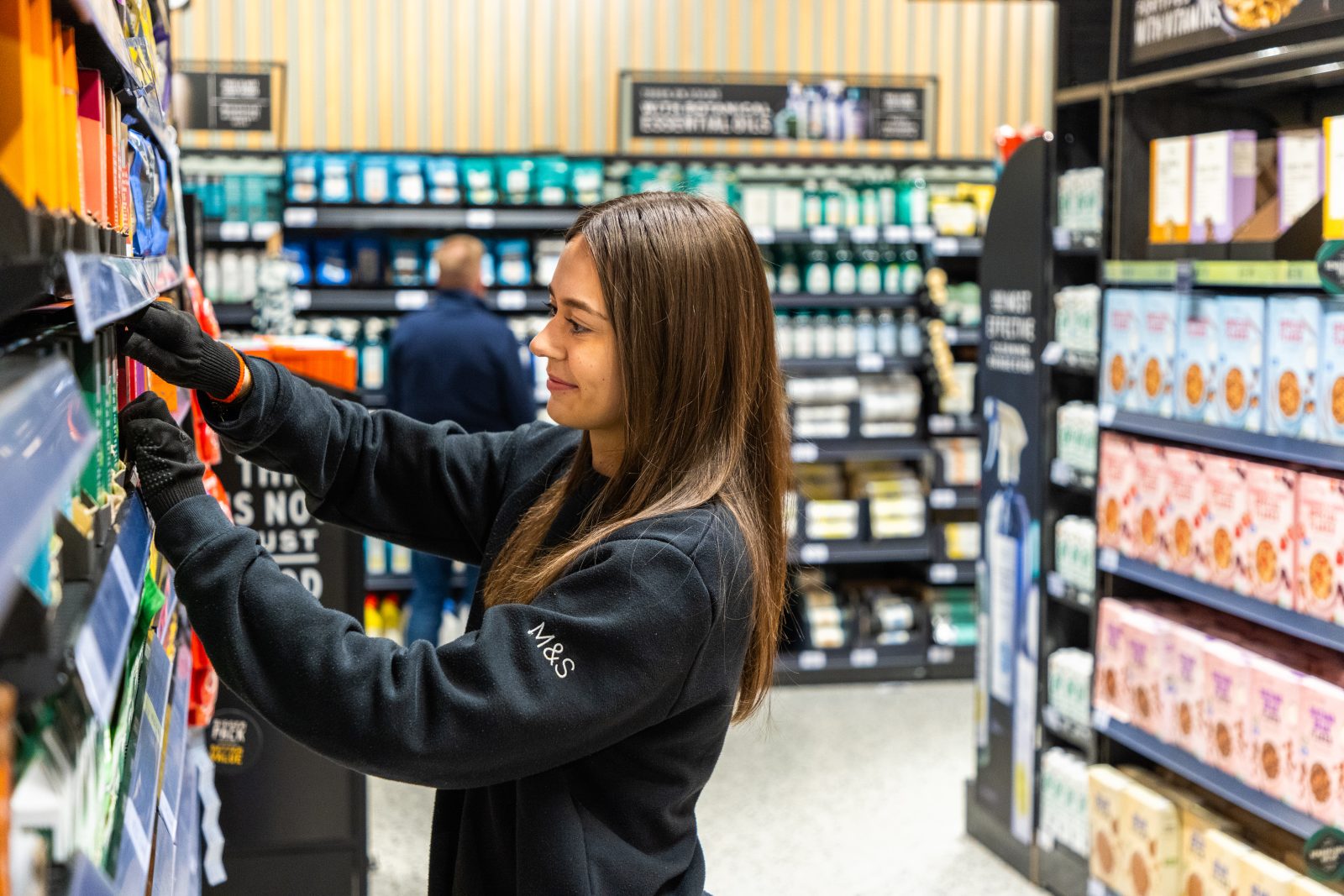
M&S has launched a massive recruitment drive across Yorkshire.
With the festive season fast approaching, and most British stores having already unveiled their Christmas ranges for 2026, one of the country’s largest brands has launched a massive UK-wide seasonal recruitment drives to gear up for what is always one of the busiest times of the year for the retail industry.
M&S has announced it will recruit for plenty of new colleagues across the UK.
As mentioned Christmas is one of the busiest moments of the year for M&S, and seasonal colleagues play a ‘vital’ part in delivering that.
Image: Supplied
New recruits will be tasked with helping M&S deliver a ‘brilliant’ service for customers.
Stores with vacancies span the whole of Leeds - including city centre, Moortown, Crown Point, White Rose Shopping Centre and Pudsey.
M&S says the roles are ‘fast-moving and hands-on’, with colleagues required to work together to make sure customers still get the very best of M&S, even at its busiest.
The roles will pay £13.41 per hour, with successful applicants receiving the training, tools and support needed to get up to speed quickly.
“We can’t wait to welcome over 300 new colleagues to our store teams here in Greater Manchester,” commented Zeba Khan, who is the Regional Manager at M&S.
“As we get ready for our busiest time of year, it’s a great opportunity to join us and help bring a magical M&S Christmas to our customers.
“We have a range of opportunities available, whether joining our city centre flagship or our fresh market-style foodhalls. We’re looking for colleagues who are passionate about delivering great customer service and being part of a team.”
Fancy it then? Applications are now open, and you can find out more and apply on the M&S Christmas careers page here.

 The Hoot -
31st January 2022
The Hoot -
31st January 2022