An announcement is expected to be made on Tuesday 10 May 2022.
E-scooters are regularly seen on the streets of Leeds- but not all of them are currently legal.
The electric scooters have made headlines aplenty this year and now, the government could soon make privately-owned e-scooters legal on roads not just in our city, but throughout England, reports The Manc.
With the popularity of electric scooters continuing to rise across the country, and the latest data from Which? and Halfords indicating there has been a 184% increase in sales for e-mobility products year on year in November 2020, Transport Secretary Grant Shapps has now told the Commons Transport Select Committee during a meeting this week that legislation to make e-scooters legal on roads will be included in the Queen’s Speech on 10 May.
“In the future, I want to crack down on the illegal use on roads of non-compliant e-scooters,” Mr Shapps told the committee.
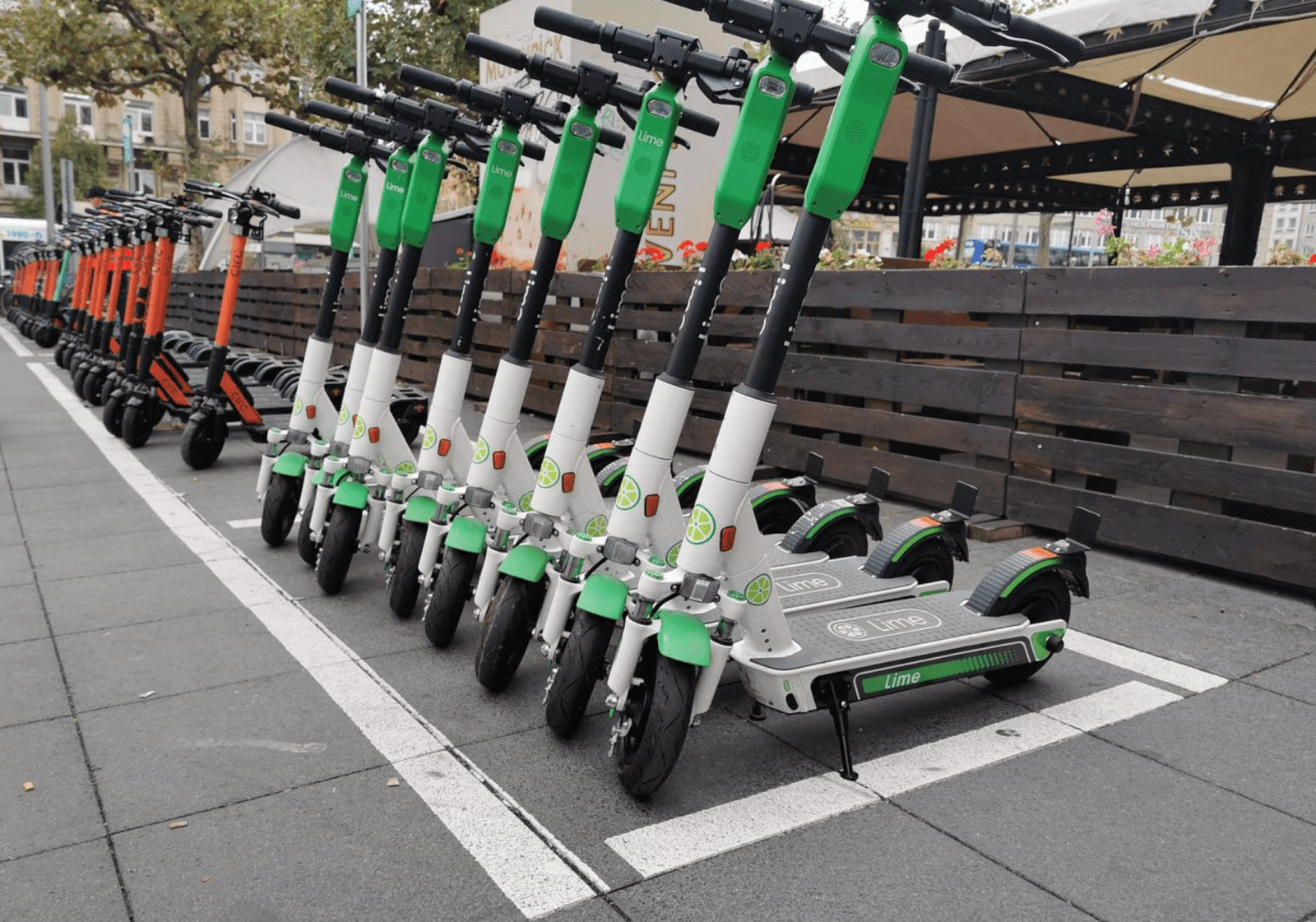
The current law states that e-scooters can only be used on roads in England if they are part of a trial rental scheme – of which there currently is, and has been, a number of in Greater Manchester over the past couple of years – and they have to have safety features including automatic lights and maximum speeds of 15.5mph.
E-scooters are actually classed as motor vehicles, which means that the same rules that apply to motor vehicles, also apply to e-scooters – including being in possession of a full UK driving license, insurance, and the need to be taxed.
Privately-owned e-scooters can only legally be used on private land with the permission of the landowner, and they cannot be ridden on a UK public road, cycle lane, or pavement.
However, they are frequently seen in cities and towns across the country.
Transport Secretary Grant Shapps told the Transport Select Committee he is looking at making e-scooters legal on roads in England / Credit: Number 10 (via Flickr)
This illegal usage is why the government and transport ministers are reportedly said to be considering ways to legalise them, with Mr Shapps telling the Transport Select Committee this week that: “We will take powers to properly regulate and then be able to decide the usage of them.
“They’re a reality, they exist. If these things exist they need to be made safe, and I think the trials have been useful in gathering data and there’s more data still to gather.”
The potential legislation to make private e-scooters road legal has been met with mixed reviews by members of the government’s Transport Select Committee, with some praising the move for the positive impact it could have on the environment, while others have raised concerns over the safety of the scooters and their growing involvement in collisions.
Committee member Ben Bradshaw said e-scooters are a “convenient, cheap and environmentally-friendly form of transport”, and asked Mr Shapps when the DfT will “get a move on and properly license these things?”
Mr Shapps answered: “I shall announce it on 10 May.”
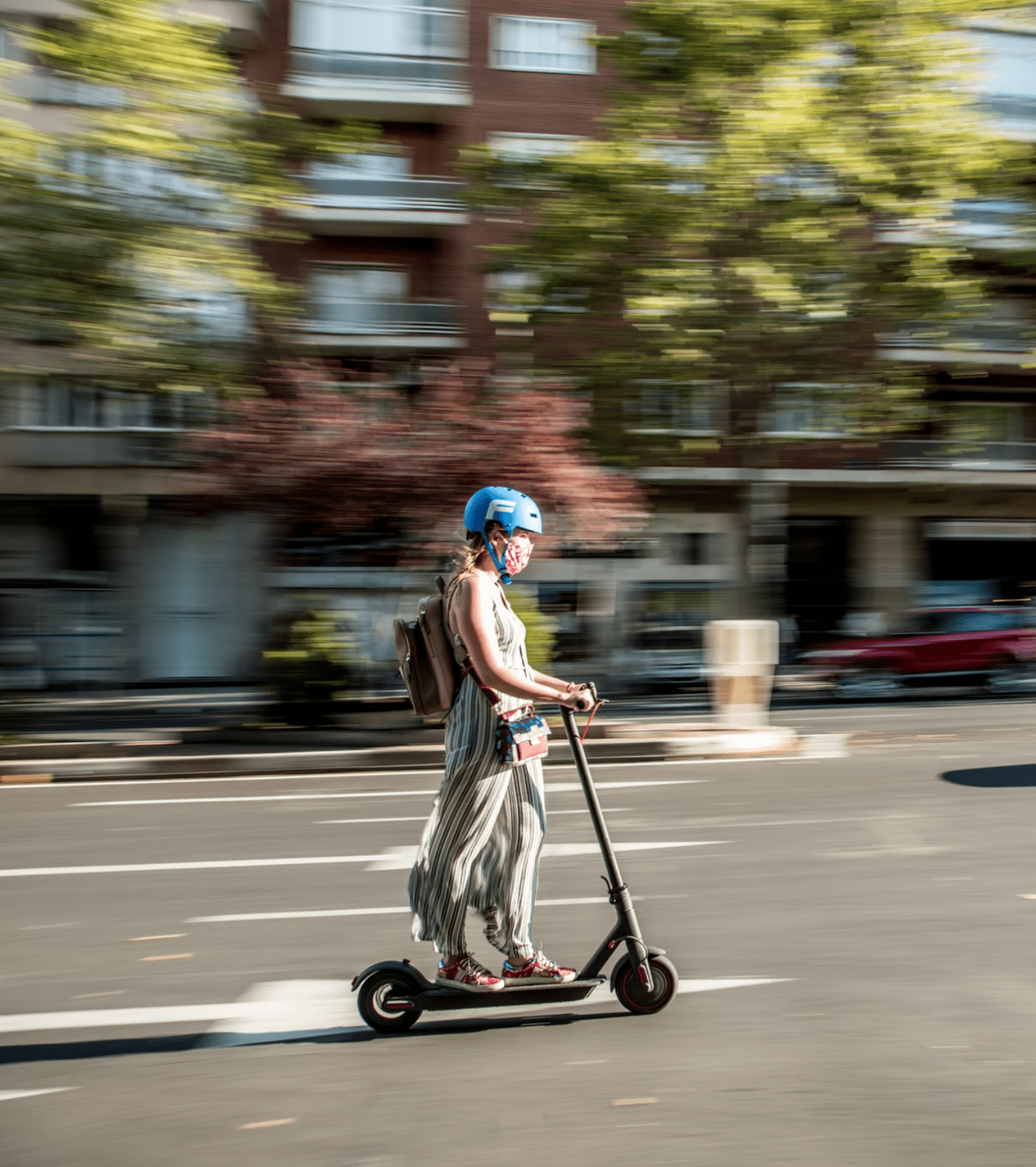
E-scooters can currently only be used on roads in England if they are part of a trial rental scheme / Credit: JavyGo & Martin Katler (via Unsplash)
Another committee member, Conservative MP Simon Jupp, on the contrary however raised concerns over e-scooters’ safety, and pointed to the fact that they have lead to “900 collisions, 11 of which were fatal”.
AA president Edmund King also aid after the meeting: “The government is right to address this issue and bring in regulations, rather than allowing some of our cities to be over-run like the Wild West with illegal scooters [as] micro-mobility and e-technology can have a positive effect on movement in our cities.
“But we must ensure that movement is safe.”
Featured Image – Pixabay
UK News
Loads of famous spooky films are returning to Leeds cinemas this Halloween
Lots of iconic spooky films are returning to Leeds cinemas this Halloween, alongside some new releases.
Now that October is here, there’s no denying that the spooky season is right around the corner, and Vue has announced that a whole host of creepy classics and the latest frightening flicks set to hit the big screen over the next couple of weeks – ranging from undeniable horrors, to family-friendly gems perfect for viewers of all ages.
Several cinemas across Leeds ill be taking part, including inside the Light and at Kirkstall.
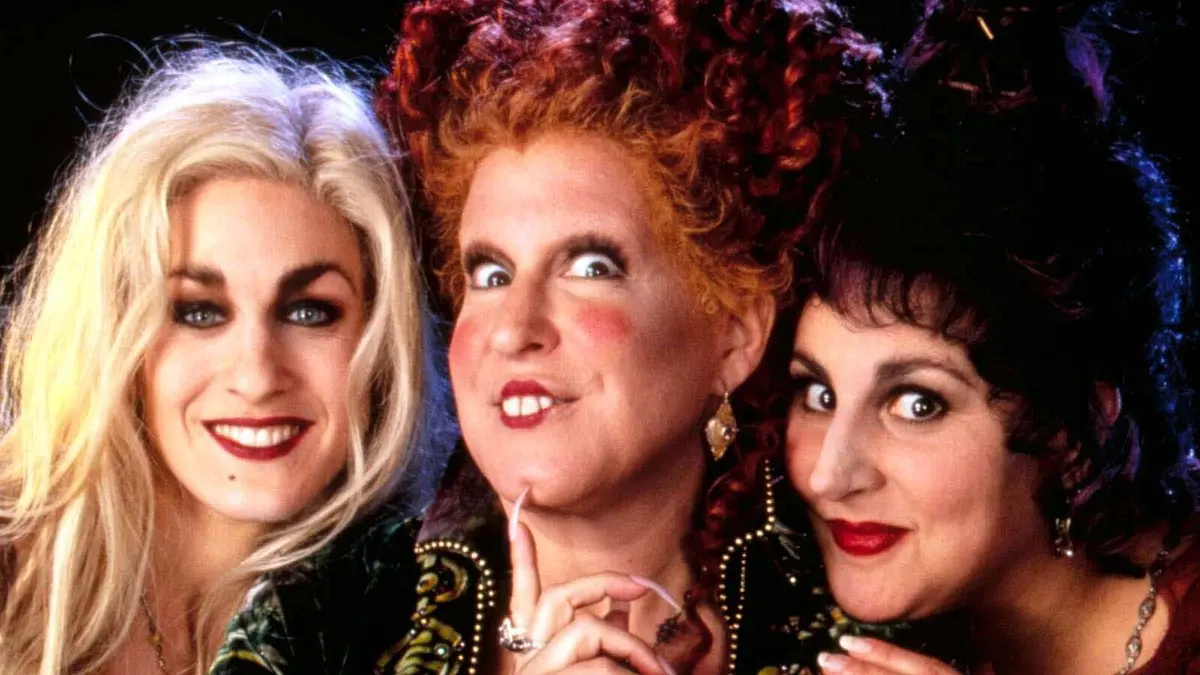
Disney’s much-loved Hocus Pocus kicks off the lineup this month, before supernatural classics The Others and The Craft are back to terrify moviegoers from 16 October.
Iconic slasher film Scream – which is celebrating its 30th anniversary this year – also returns to cinemas from 23 October.
Image: Unsplash
Cult-classic Donnie Darko and Guillermo Del Toro’s masterpiece Pan’s Labyrinth round out the re-releases on 30 October, to celebrate their 25th and 20th anniversaries, respectively.
Then, when it comes to new releases, you can settle in to watch new psychological thriller, Verity, adapted from the acclaimed Colleen Hoover novel of the same name and starring Anne Hathaway and Dakota Johnson.
Meanwhile, Ghosts: The Possession of Button House, based on the beloved and award-winning BBC comedy, arrives on 23 October.
Other new releases include The Other Mommy, DC’s Clayface, and Crawlers.
And if the lineup wasn’t good enough as it is on its own, film lovers at Vue Quayside, Printworks, and Bolton can also enjoy Vue’s biggest and comfiest seat, the ‘Ultra Lux’ – which are strategically positioned to give the best possible view of the big screen with extra-wide armrests, a personal table for snacks and drinks, and a state-of-the-art beverage cooler.
“This October, we’re thrilled to be able to put on a raft of new and classic films for fans of scary and spooky films,” commented Mike Anton, who is the General Manager at Vue Manchester Printworks.
“From family-friendly comedy horrors to cult favourites, we know how gripping scary films can be and want to provide the very best big screen experience for people to enjoy every laugh and every scare this Halloween, leaving them with an experience they’ll feel forever.”
Find out the full lineup of films near you and book tickets online here.
Featured Image – Disney
UK News
Yorkshire-set Christmas film by Leeds director starring Richard E. Grant set to hit UK cinemas next month
Clementine Hall
A brand-new Christmas film is hitting cinemas nationwide next month - and it’s a proper Leeds success story.
Jack Spring directed his first feature film at just 19 years old and has spent the last decade carving out a career in independent film, as well as co-founding Leeds-based production company Shush Films.
His first movie, Destination: Dewsbury, was shot just down the road in - you guessed it - Dewsbury. And after moving to Leeds from Grimsby, Jack became determined to build his business from the city, putting down roots and growing his production company here.
Image: Supplied
Now, after years of working on independent projects, Jack has taken his biggest leap yet with a brand-new Christmas film, Merry Christmas Aubrey Flint.
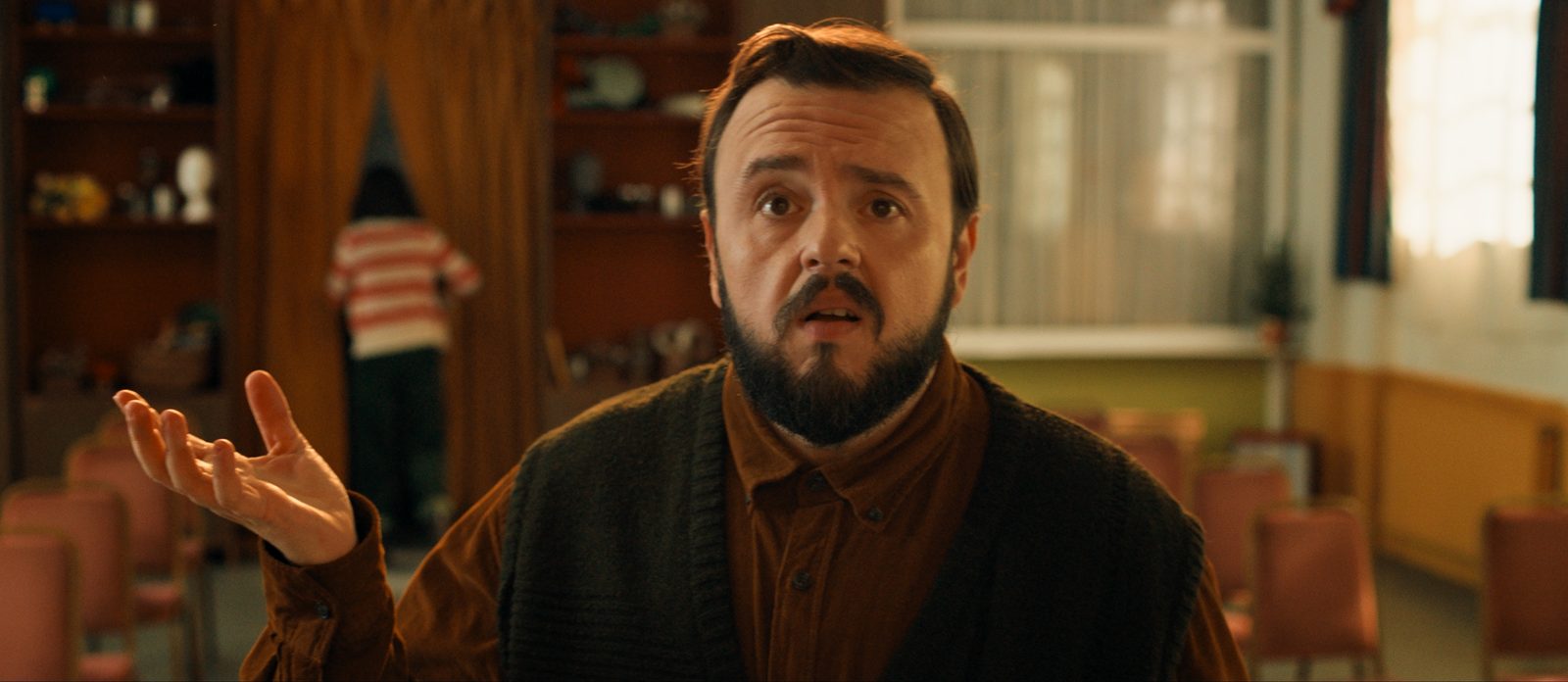
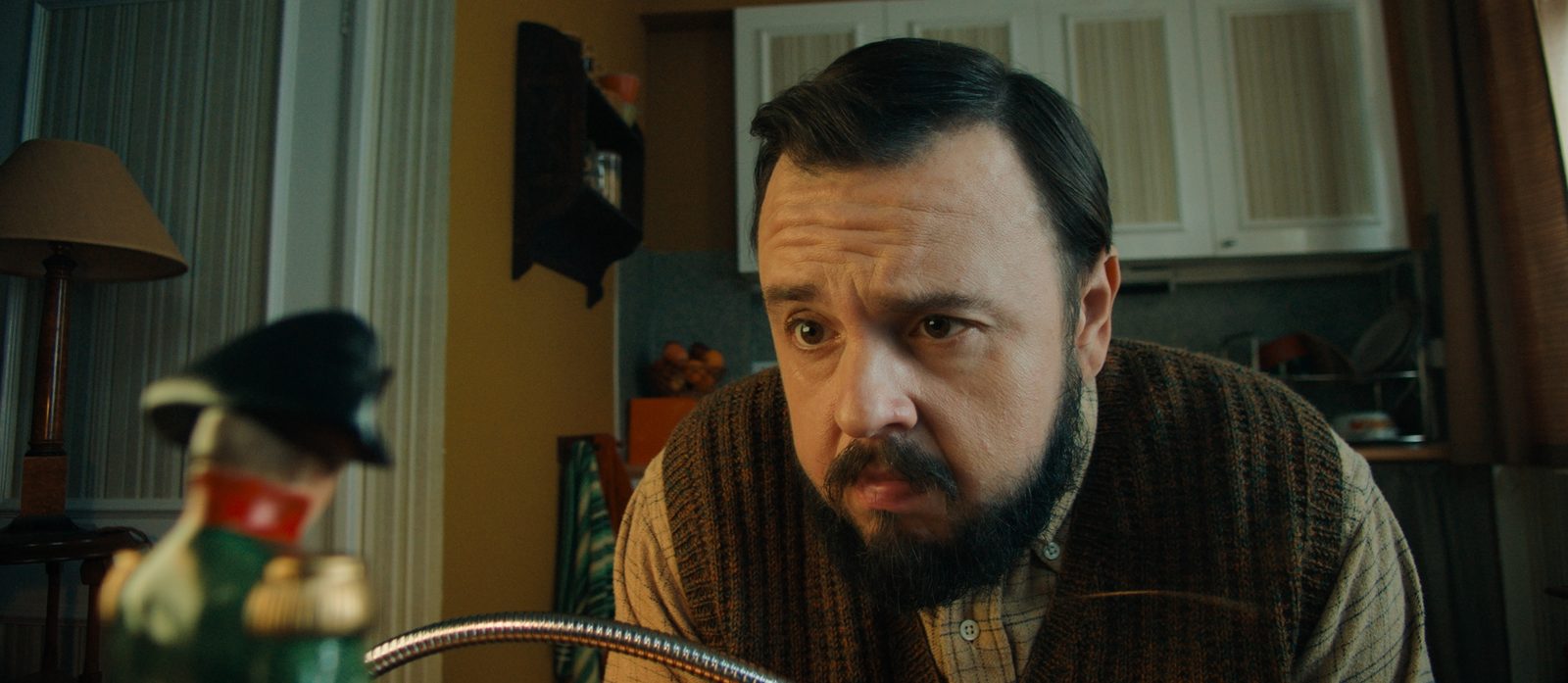
Set in Yorkshire, Merry Christmas Aubrey Flint follows Aubrey Flint, a reclusive model soldier painter with a lifelong hatred of Christmas, who is sentenced to community service at Willow Lodge - a retirement home on the brink of closure.
Roped into helping with a chaotic production of Charles Dickens' A Christmas Carol, Aubrey clashes with its interesting set of residents...
And the cast is about as star-studded as it gets, featuring Richard E. Grant, John Bradley, Celia Imrie, Adjoa Andoh, Sophia Di Martino, Adrian Rawlins and Kiell Smith-Bynoe.
Image: Supplied
The heartwarming festive comedy will hit cinemas nationwide on Friday 6 November - a huge milestone for a Leeds-based director and production company, taking a homegrown Yorkshire story to audiences across the country.
You just can't beat a proper wholesome British Christmas film, so you can best believe we'll be watching in the cinema, popcorn in hand.

 The Hoot -
29th April 2022
The Hoot -
29th April 2022