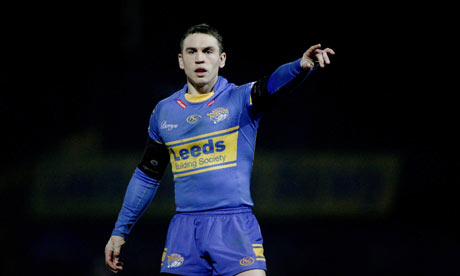
As England and Leeds United fans come to terms with the Three Lions devastating loss against Italy, victims of domestic abuse in the city find themselves at increased risk.
Whilst for many the football is an exciting time of high emotions and nail-biting tensions that lead to nothing more than a few gripes in the pub, for some a post-match defeat (or win) can be a very scary and vulnerable time.
According to research by the national centre of domestic abuse, incidents tend to increase on average by 26% when England play and 38% when they lose.
Looking back to the 2010 World Cup, domestic violence leapt 27.7% when England won a match and saw a 33.9% increase when they lost.
Further research from the London School of Economics supports this, also suggesting that football matches increase the risk of domestic abuse victimisation.
Although violence decreases throughout the two-hour period when a match is played, abuse then starts to increase in its aftermath, research suggests.
Academics who have researched the matter say the violence tends to peak between 10 and 12 hours following a match but can be even later.
For those who do feel at risk, its vital that victims to do not feel they have to suffer alone.
Ruth Davison, chief executive of charity Refuge, said: “Refuge’s message to women and girls experiencing domestic abuse remains clear: you are not alone, Refuge is here for you.
"While football tournaments do not cause abuse – abuse is always a choice a perpetrator makes – they can exacerbate pre-existing abusive behaviours.
“Let’s be really clear, there is never an excuse for abusive behaviour and abuse doesn’t come ‘by appointment’, it happens all year round.
“However, Refuge wants to reassure women that 365 days a year, come rain or shine, regardless of what happens at Wembley Stadium this week, we are here for you, and can offer you the support you need.”
Who to call if you need help
Free support is available on a completely confidential basis from Refuge’s 24-hour national domestic abuse helpline on 0808 2000 247. The team here can help you find a refuge place, if necessary, as well as providing other specialist services to those in need.
There is also a digital support chat that runs live from Monday to Friday between 3pm and 10pm via www.nationaldahelpline.org.uk.
Help is also available via the free Leeds Domestic Violence Service on its 24 hour helpline, 0113 246 0401. Alternatively you can contact them on hello@ldvs.uk.
LDVS supports anyone suffering from domestic abuse and actively encourages people from LGBT+ communities to access their support.
You can also call the Leeds Womens Aid 24-hour helpline on 0113 246 0401.
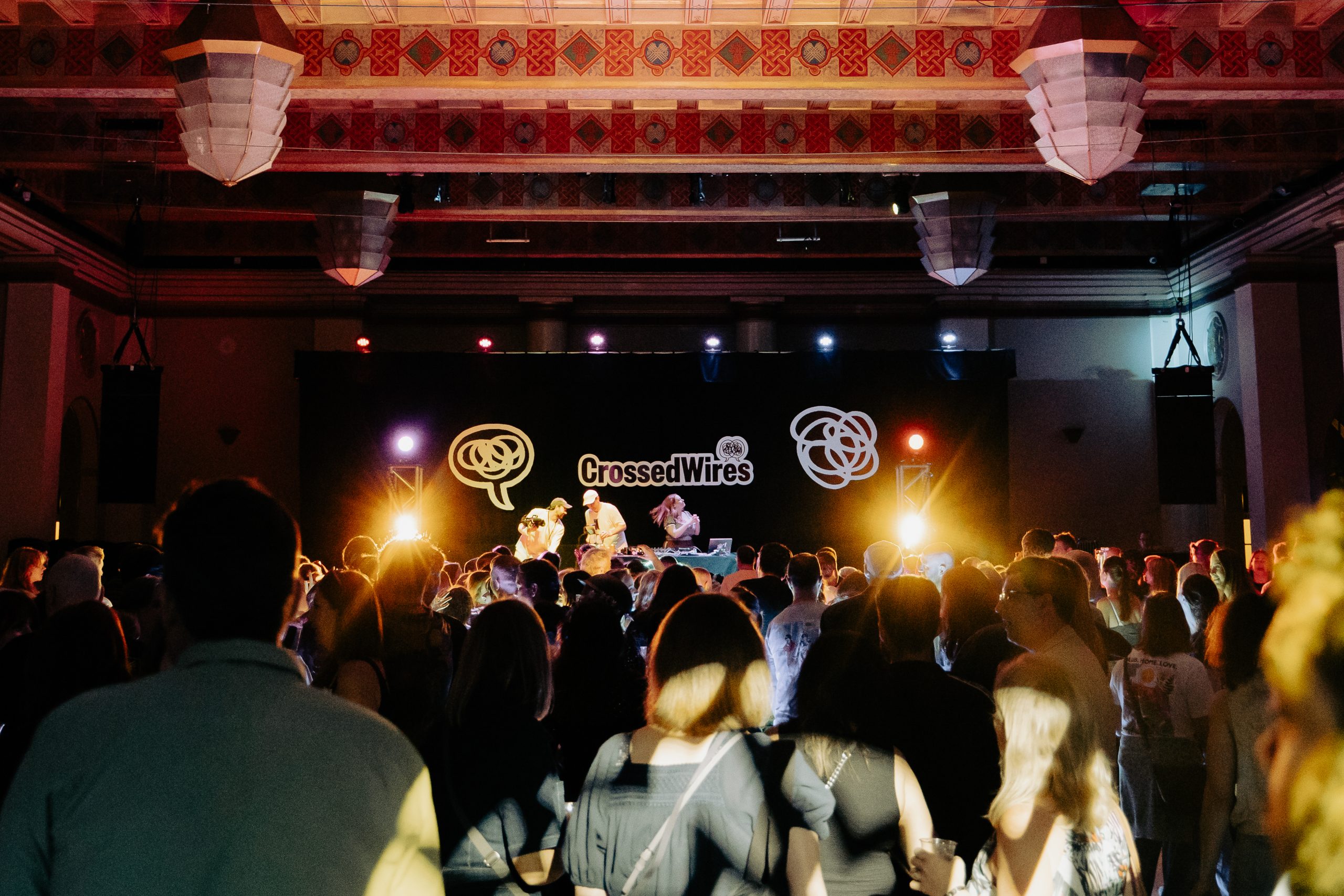
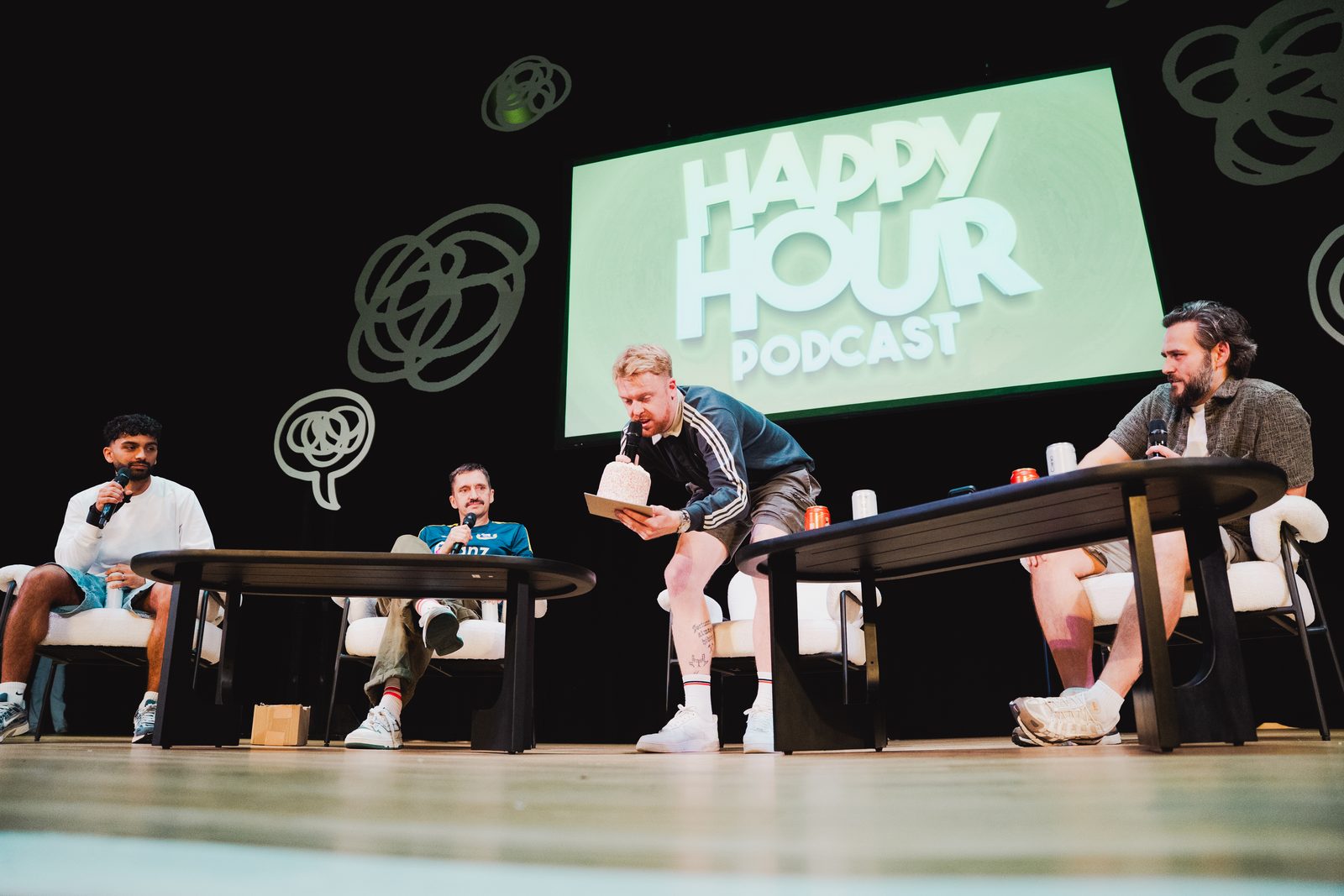
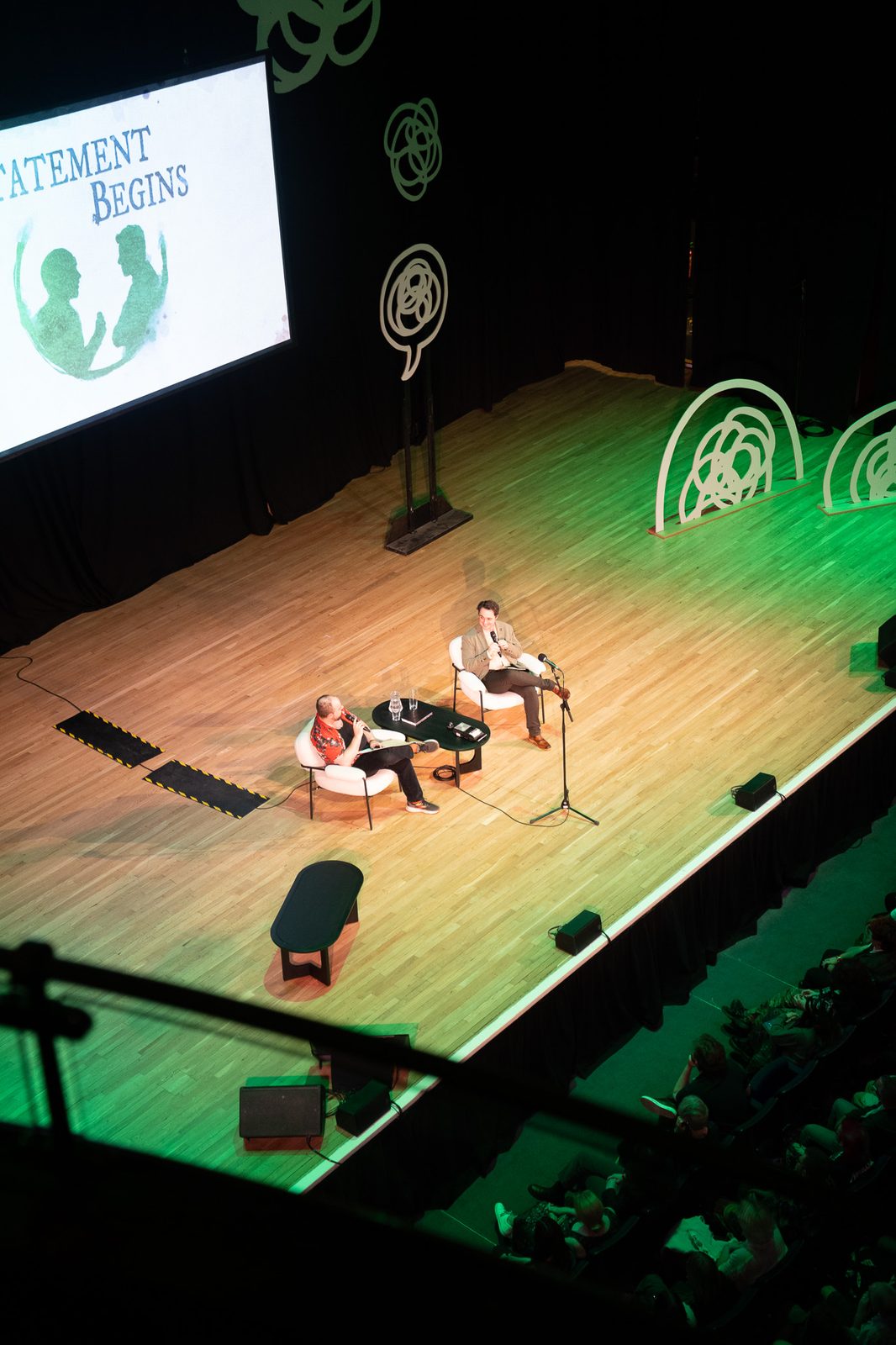
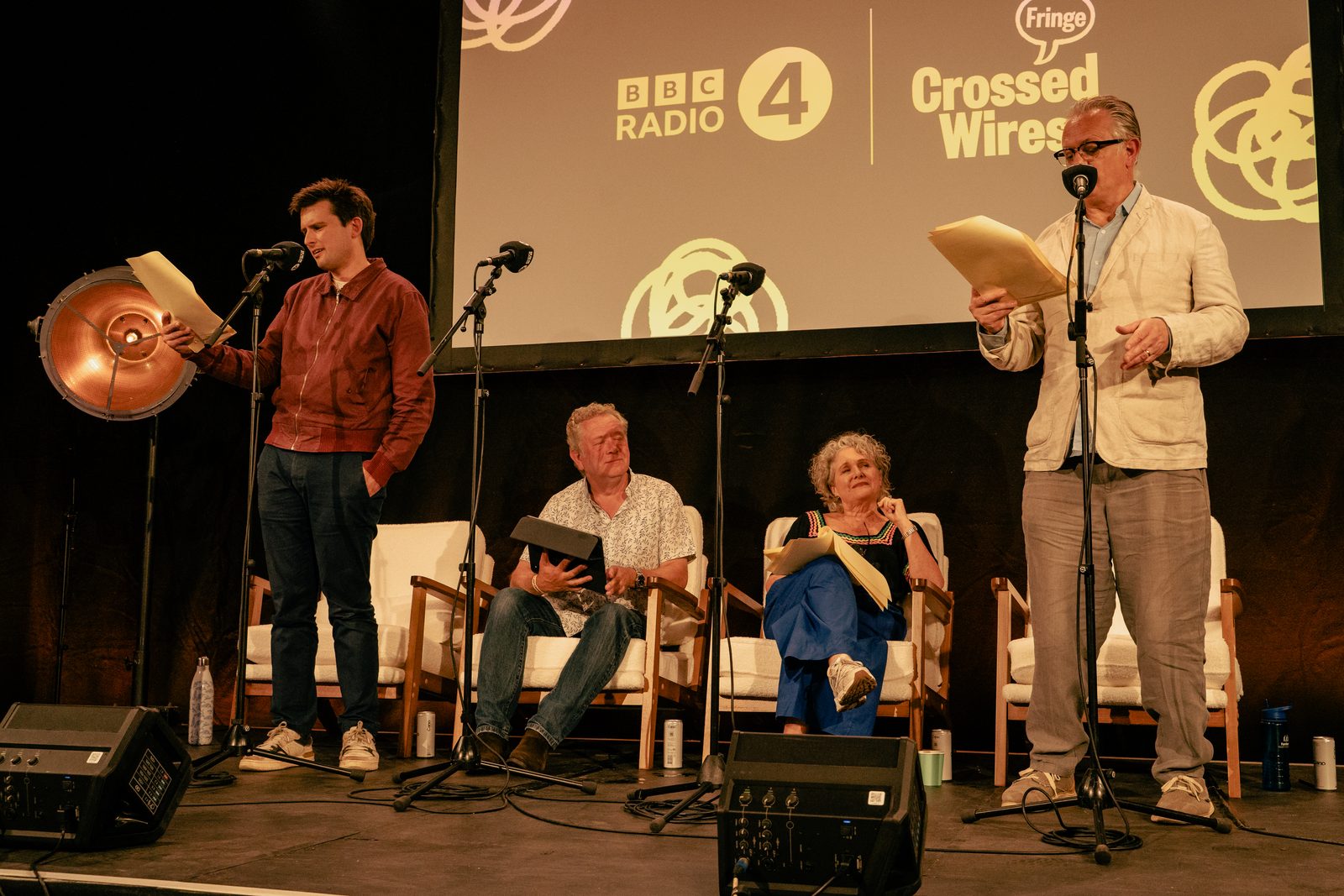
The world's biggest podcast festival, Crossed Wires, continues its magnificent rise in just its third year.
It's safe to say that the festival has had its landmark year, with this year's independent economic assessment confirming the 2026 festival generated £6.65 million in total economic impact.
After doubling footfall to a whopping 50,000 attendees in 2026, the festival has further cemented its position as one of the world’s fastest-growing cultural festivals.
Alongside its strong local community roots, it may come as a surprise that just over half (52%) of festivalgoers travelled from outside of South Yorkshire, with 40% outside the UK North and Midlands.
Image: Supplied
It's amazing news for the festival which launched just three years ago and has rapidly evolved from an ambitious start-up festival into a nationally significant event.
South Yorkshire's Mayor, Oliver Coppard said: "When we backed Crossed Wires in its early days, we knew South Yorkshire had the talent, creativity and ambition to make something truly special. What's happened since has been incredible.
"Tens of thousands of people have come to our region, filling venues, supporting local businesses and bringing millions of pounds into our economy. That's good news for Sheffield and for our communities right across South Yorkshire."
Images: Supplied
Co-Founder Dino Sofos, said: “We’re delighted to see Crossed Wires become one of South Yorkshire’s biggest cultural events in just three years. There’s a real buzz around the festival, and reaching 50,000 attendees while generating over £6million for the local economy this year shows the scale of what we’ve created - and its potential to grow even further."
We can't wait to see the future of Crossed Wires festival, and we're already looking forward to the next instalment taking place from 1 - 4 July 2027. We'll see you there.
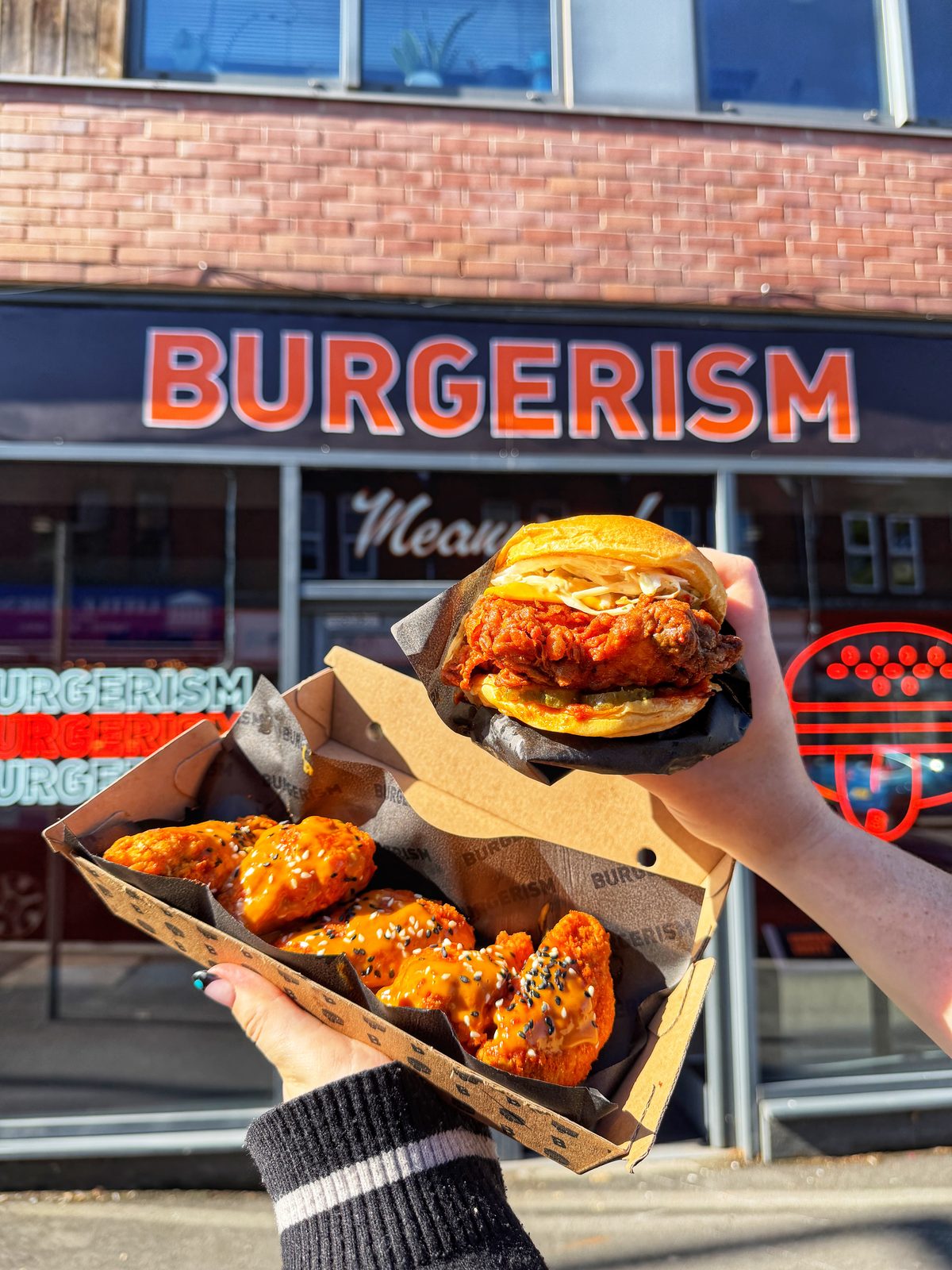
Cult burger brand Burgerism opens takeaway outside of Manchester in a Leeds suburb
Clementine Hall
The North West’s most ordered burger has landed in Leeds, and it’s easy to see why it’s loved by so many.
If you don't know about Burgerism, then get to know.
The iconic burger brand, which started life as a dark kitchen off an industrial estate in Salford, is now almost ready to welcome fans into its first Leeds location.
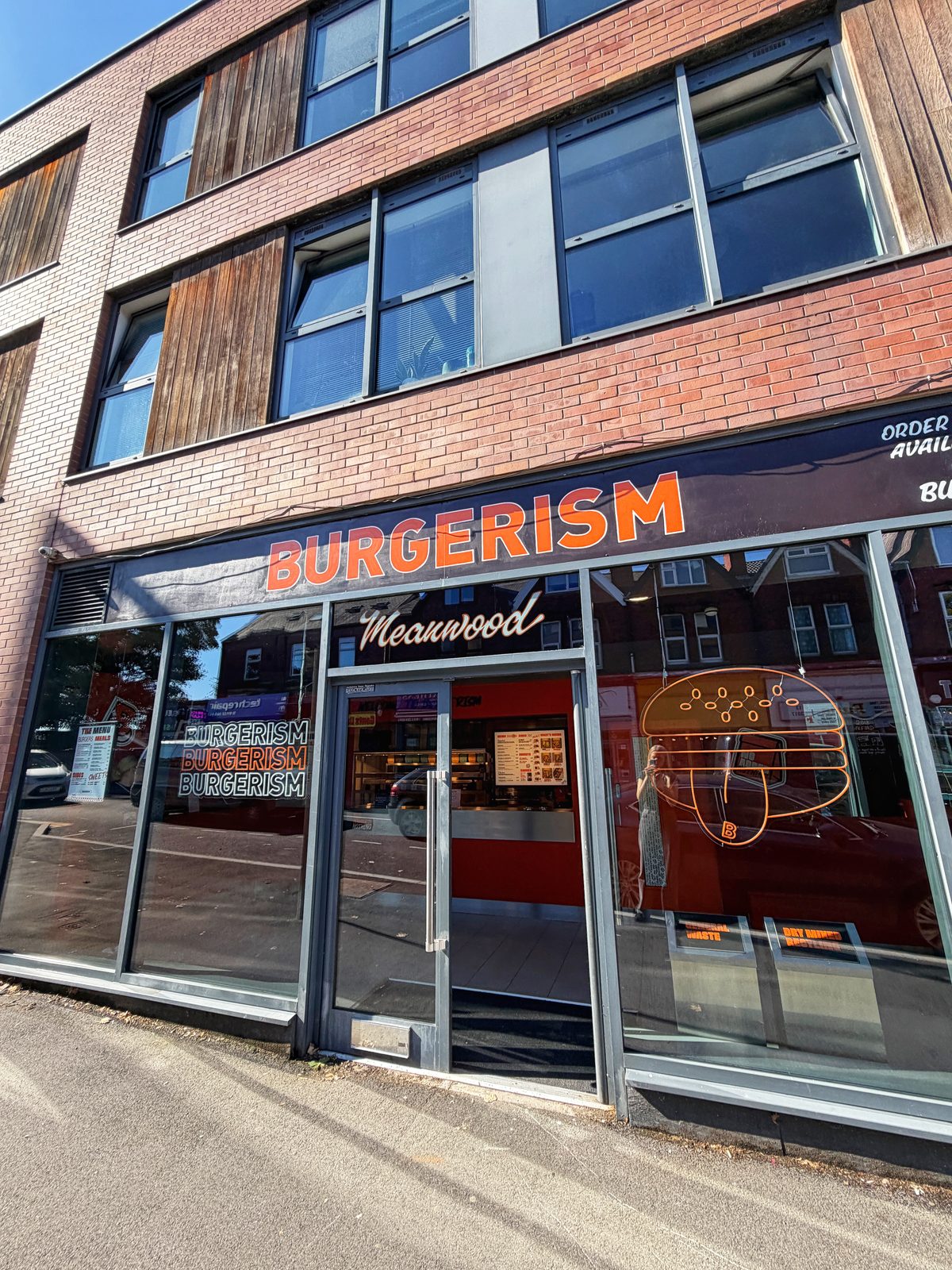
Set to open tomorrow – Wednesday 23 September – Burgerism will be serving up their signature smash burgers from a new site over in Meanwood.
Images: The Hoot Leeds
The site sits right next to The Meadwood Tavern on Meanwood Road, the perfect location for if you're out and about and looking for a bit of grub after a few pints.
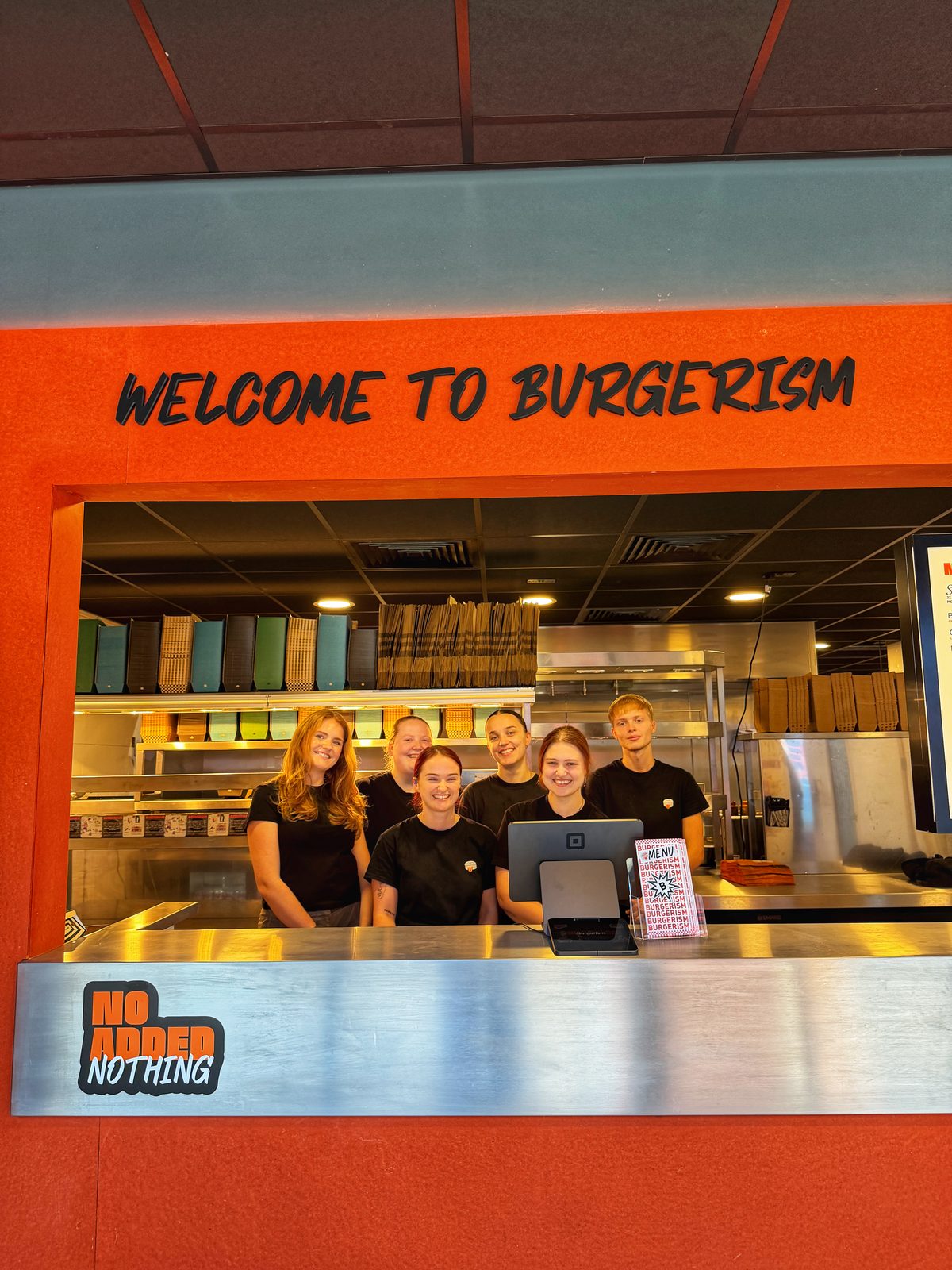
The interior is sporting the bright Burgerism orange, and although it is mainly a takeaway restaurant there are a few seats for sit-in.
You’ll be able to order your food at the counter, via self-service kiosks, or through click-and-collect on the Burgerism website.
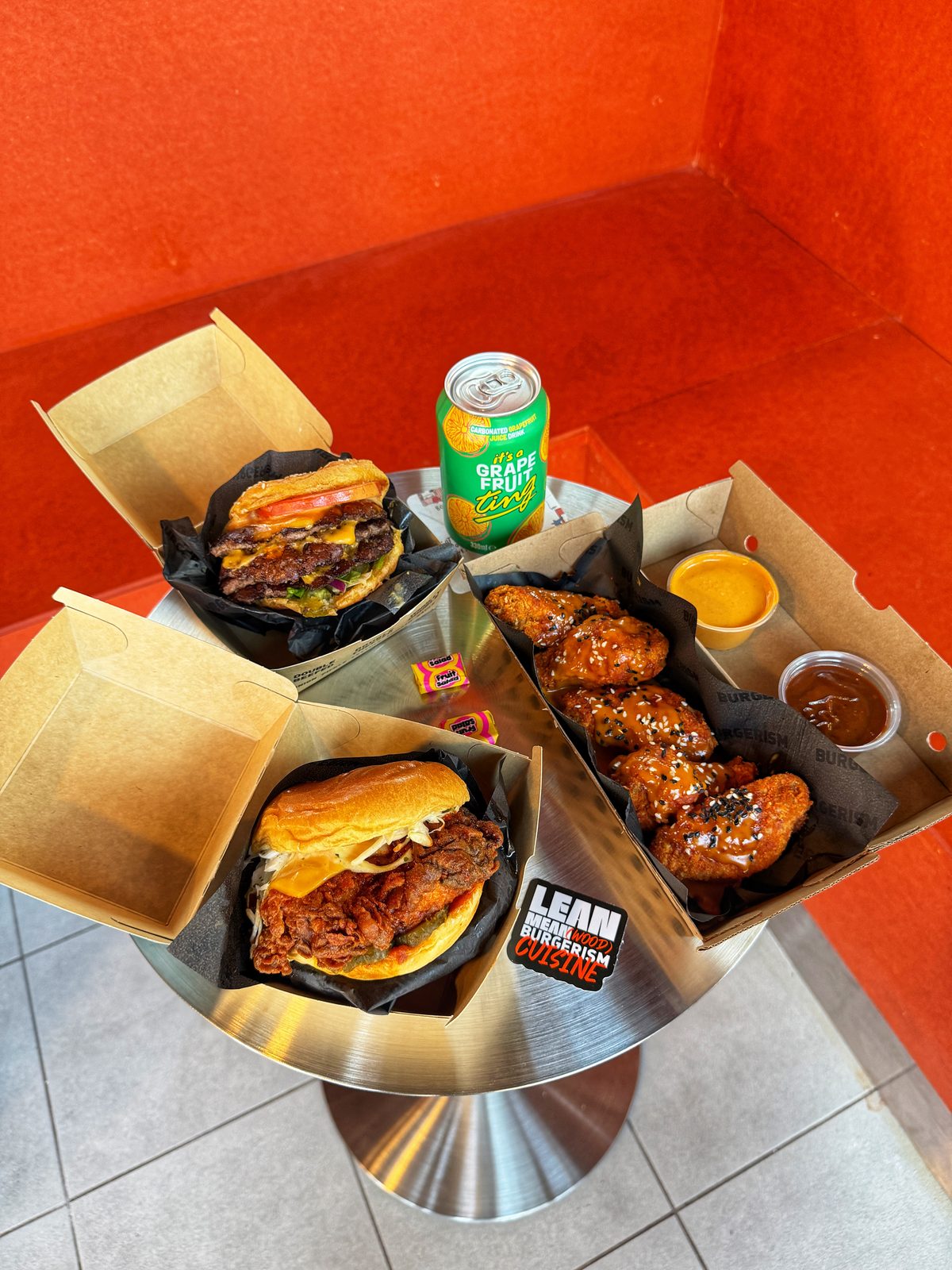
Images: The Hoot leeds
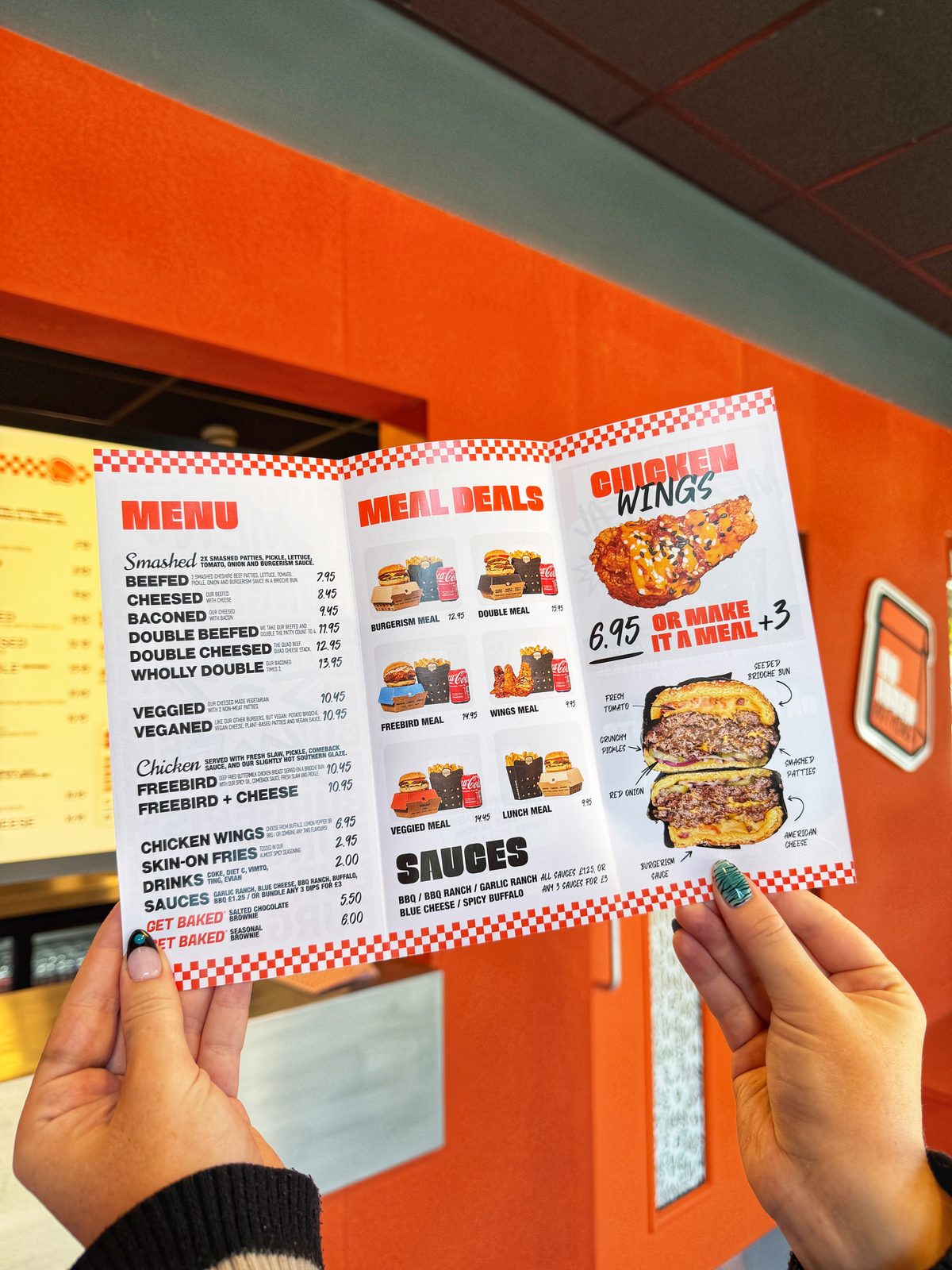
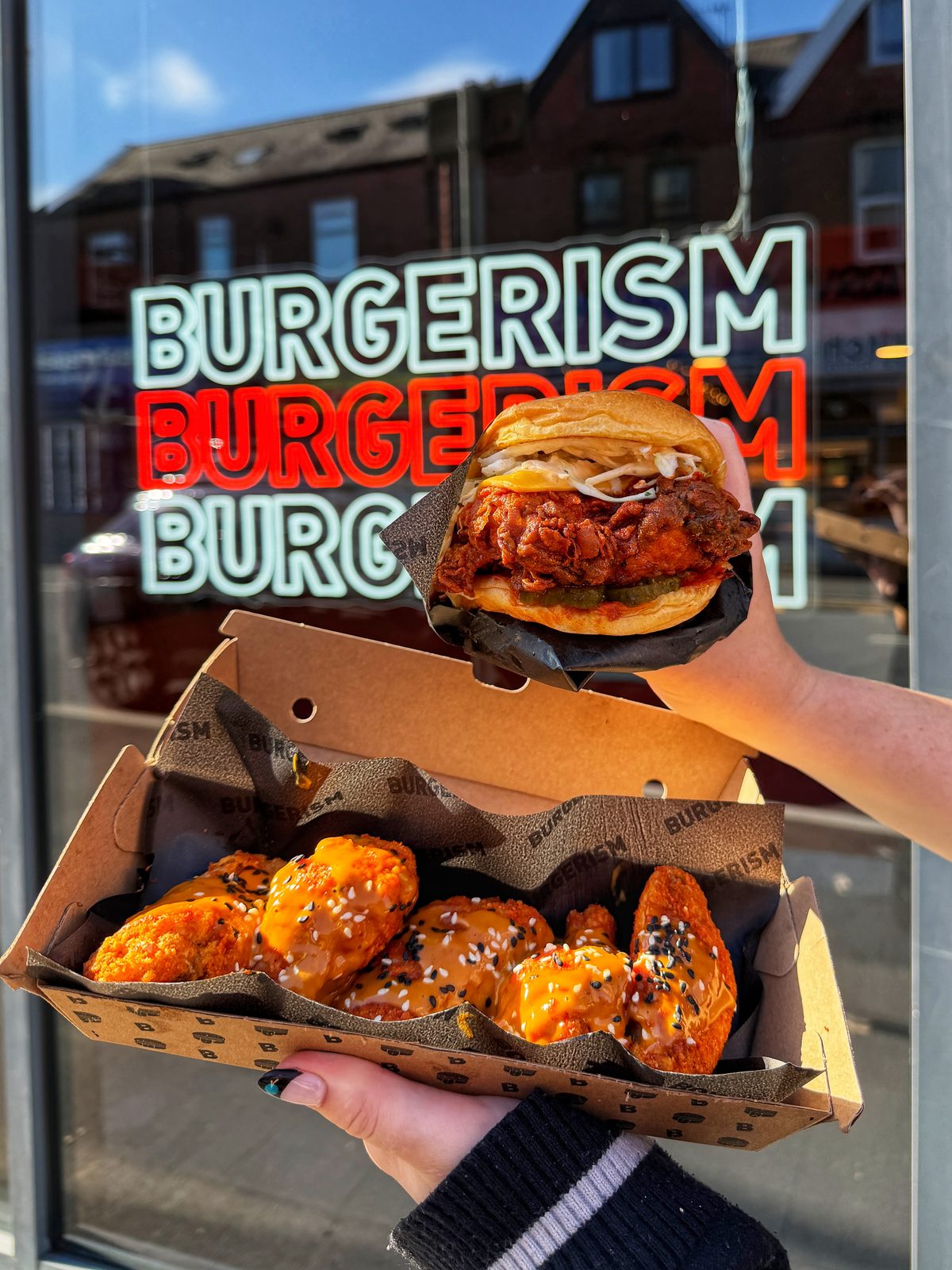
Highlights on the menu will, as always, include the fan-favourite Cheesed (two smashed patties, cheese, lettuce, tomato, pickle, onion and the brand’s signature sauce, served in a seeded brioche bun), as well as a range of chicken burgers, fries, and wings.
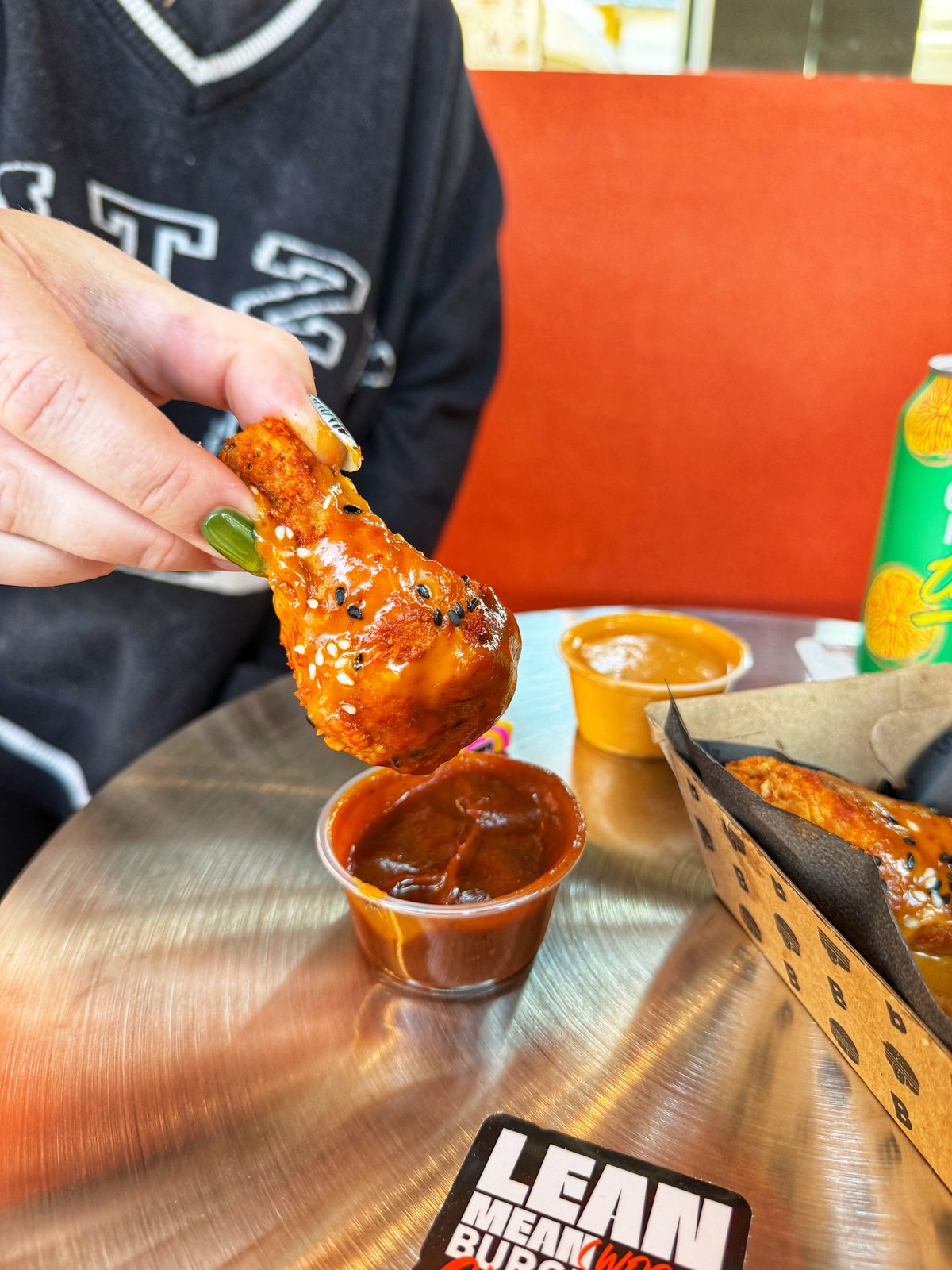
Everything is made fresh to order, and even their sauces and dips are made entirely in-house.
Images: The Hoot Leeds
And the good stuff doesn't stop there, as to celebrate the grand opening they'll be giving away the first 100 customers from 5pm a 'Comeback Card' where you'll eat on them during your next visit. So get there early if you don't want to miss out
The Meanwood site will be the sixth Burgerism site following its five openings elsewhere in Greater Manchester.

 Georgina Pellant -
12th July 2021
Georgina Pellant -
12th July 2021