The period of self-isolation for those with Covid-19 has been slashed from 10 days to seven, it has been announced.
People will be able to stop self-isolating up to three days early if they test negative twice.
Those who produce negative lateral flow tests on both day six and their final day of quarantine will be able to reduce their time spent indoors, The Manc has reported.
Health Secretary Sajid Javid said the move has been informed by the UK Health Security Agency (UKHSA), and is being taken to 'minimise disruption' caused by the rapid spread of the Omicron variant.
He did add that those leaving quarantine after day seven should "continue to remain cautious".
Under the previous rule, people had to self-isolate for 10 full days if they tested positive for coronavirus (COVID-19).
The change to the required self-isolation period comes amid a spike in cases caused by the new variant - which is believed to have created staff shortages for businesses, health services - including NHS, social care, and other frontline services - and rail services.
The health secretary said the move to shorten the self-isolation period was "a very sensible, balanced and proportionate step" to take.
The new self-isolation guidance being introduced can be used by people who are isolating after testing positive for COVID, regardless of their vaccination status - but, as is currently the case, those who are not double jabbed will still have to isolate for the full 10 days if they are a close contact of someone who has tested positive.
Health officials have said that People should not end their isolation early if they are still experiencing symptoms.
Credit: iStock Photo
On top of that, just as the Health Secretary mentioned, health officials are strongly advising people ending their isolation period on day seven to limit contact with vulnerable people, not to visit crowded or poorly ventilated spaces, and to work from home if they can.
Announcing the rule change, Mr Javid said: "We want to reduce the disruption to peoples everyday lives caused by the pandemic so today we will be cutting the self-isolation period from 10 days to seven days for those people that take a lateral flow on day six and day seven and the result of both those tests are negative.
"This decision has been informed by the advice of our clinicians at the UKHSA who have looked at this very carefully and they are very comfortable that the protection provided by making this change - so that people can leave isolation after day seven as long as they have taken these two lateral flow tests and the results are negative - that the protection it provides is very similar to 10 days of isolation without tests.
"Of course, anyone who leaves after day seven under this new procedure should continue to remain cautious."
The changes to this self-isolation come after the isolation period was reduced from 14 days to 10 this time last year as the Alpha variant spread rapidly through parts of the UK.
Mandatory isolation was dropped for vaccinated close contacts of a positive case during the Delta wave this year.
But that has now been replaced with daily Lateral Flow Testing.
Currently, the government is under increasing pressure from scientists to make a decision on further restrictions to slow the spread of Omicron - but last night, Prime Minister Boris Johnson confirmed he will not introduce any further COVID restrictions in England before Christmas.
He did, however, warn that the situation remains "finely balanced" ahead of the New Year.
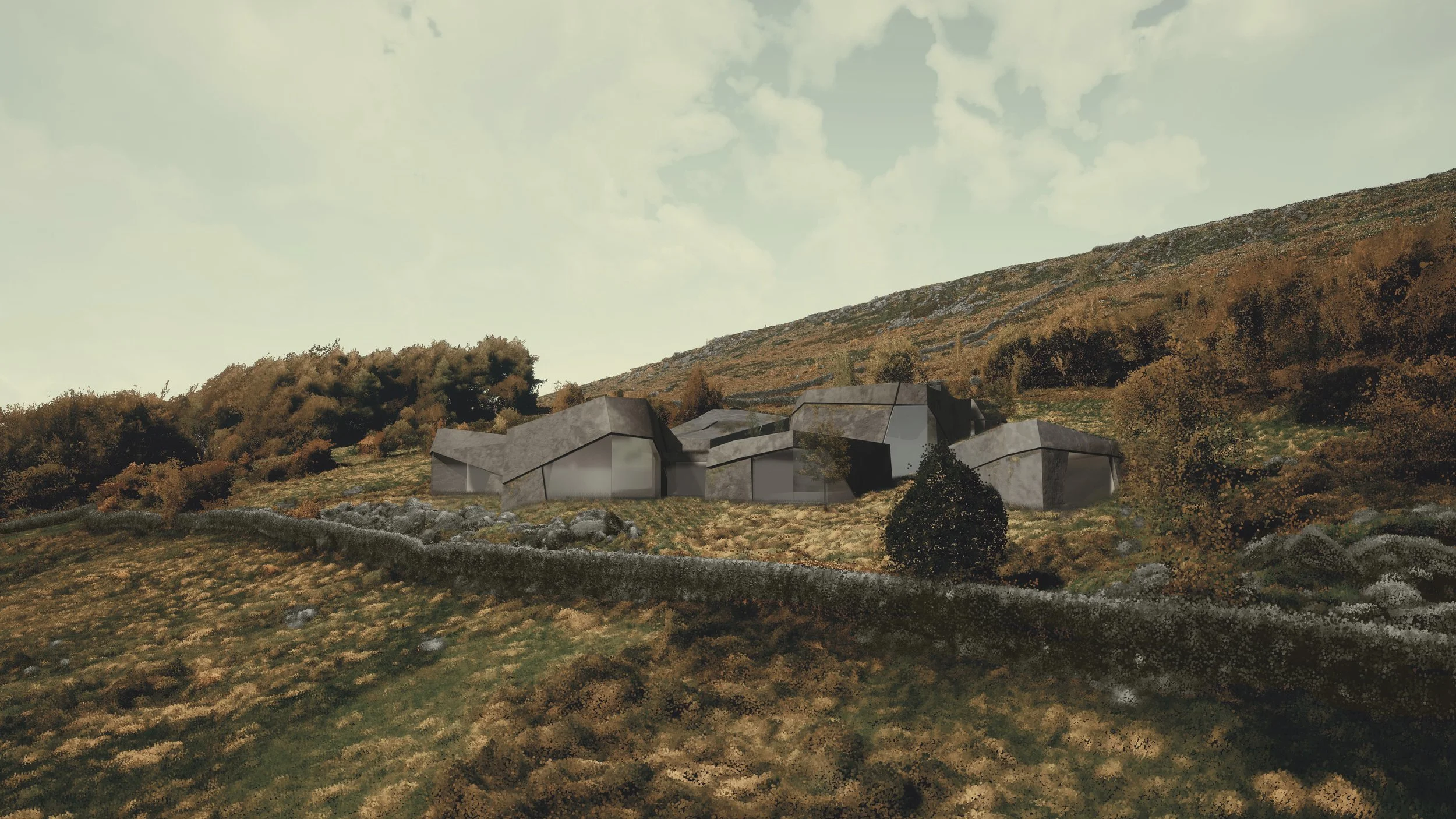
A house that looks good enough for James Bond is set to be built on Ilkley Moor.
Is that a formation of angular grey rocks sitting atop of the Yorkshire dales? No, it's a house.
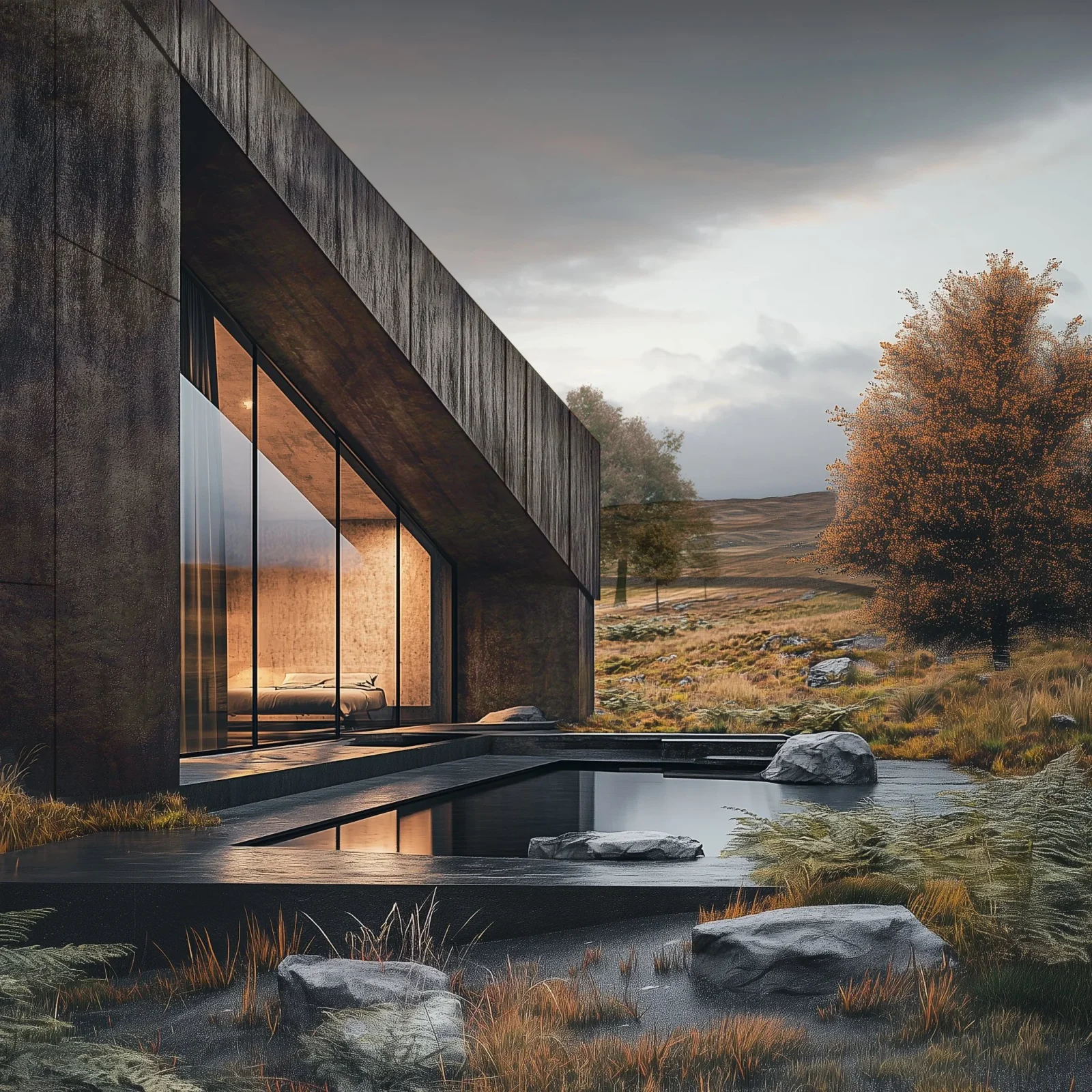
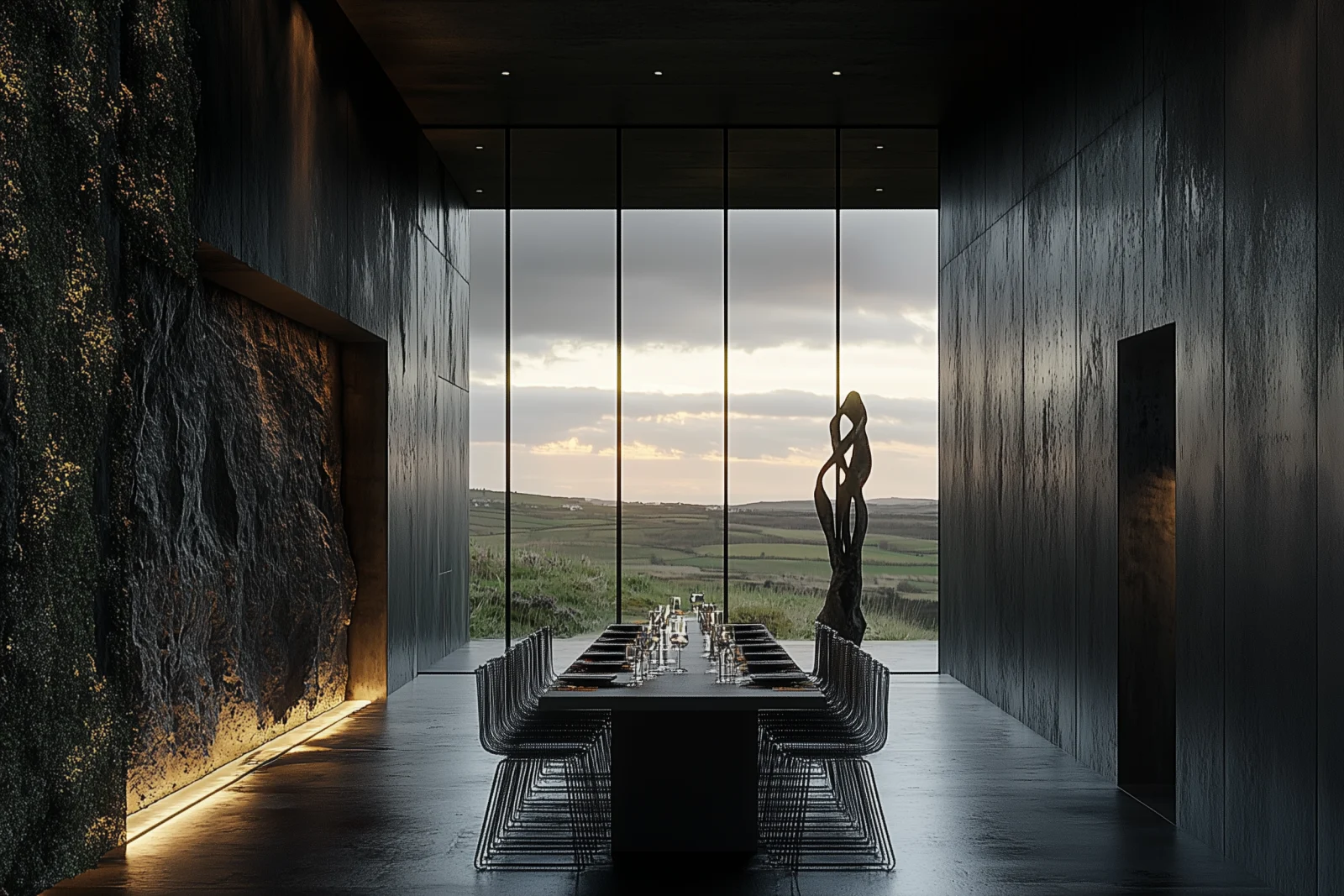
The wildly contemporary structure, which has huge irregular-shaped windows and a natural outdoor pool, is based off the famous Cow and Calf Rocks in Ilkley, West Yorkshire.
It will be built just down the road from them too, on green belt land which is the garden of a home off Heber's Ghyll Drive.
Images: Shaw & Jagger Architects
It is the work of Harrogate-based architects Shaw & Jagger, who said the project was passed through the country house clause which allows things to be built on green belt for buildings of "exceptional quality".
The house itself has been named 'Fomorian', after a supernatural race of giants in Irish mythology. The name takes inspiration from the mythical giant Rombald who is said to have roamed on Ilkley Moor.
Images: Shaw & Jagger Architects
Shaw & Jagger wrote: "The design approach was to propose a scheme that is intrinsically linked to the spirit of its place. Fomorian is of its place, part of the Moors, its geology and its spirit.
"We took cues from local folklore, the surrounding rocks; ancient carvings, standing stones and escarpments that are synonymous with the landscape.
"The building depicts a series of monolithic elements embedded in the earth as the wild, dramatic environment looms around, attempting to overcome them. The building is new, yet part of this ancient landscape.
Images: Shaw & Jagger Architects
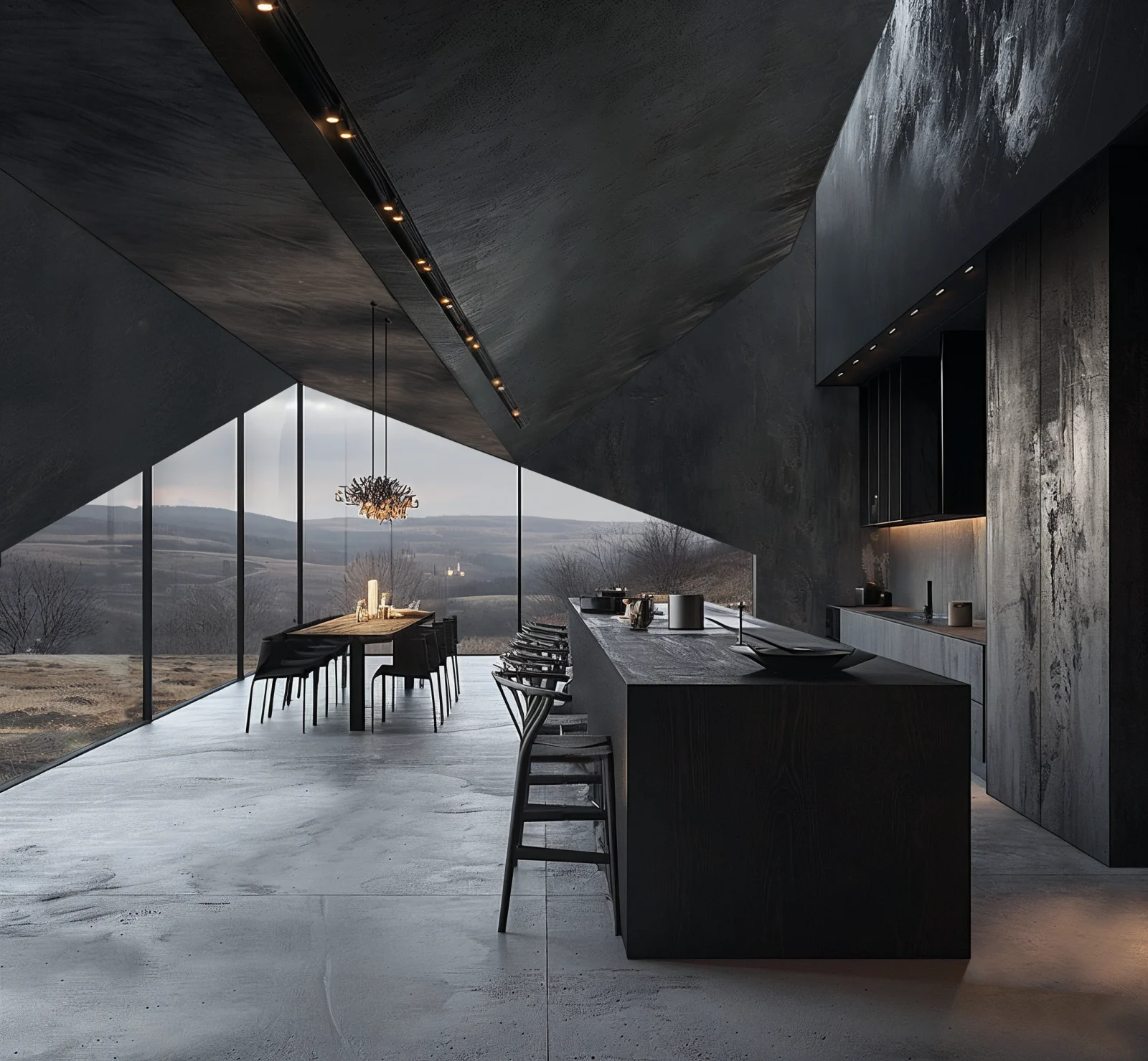
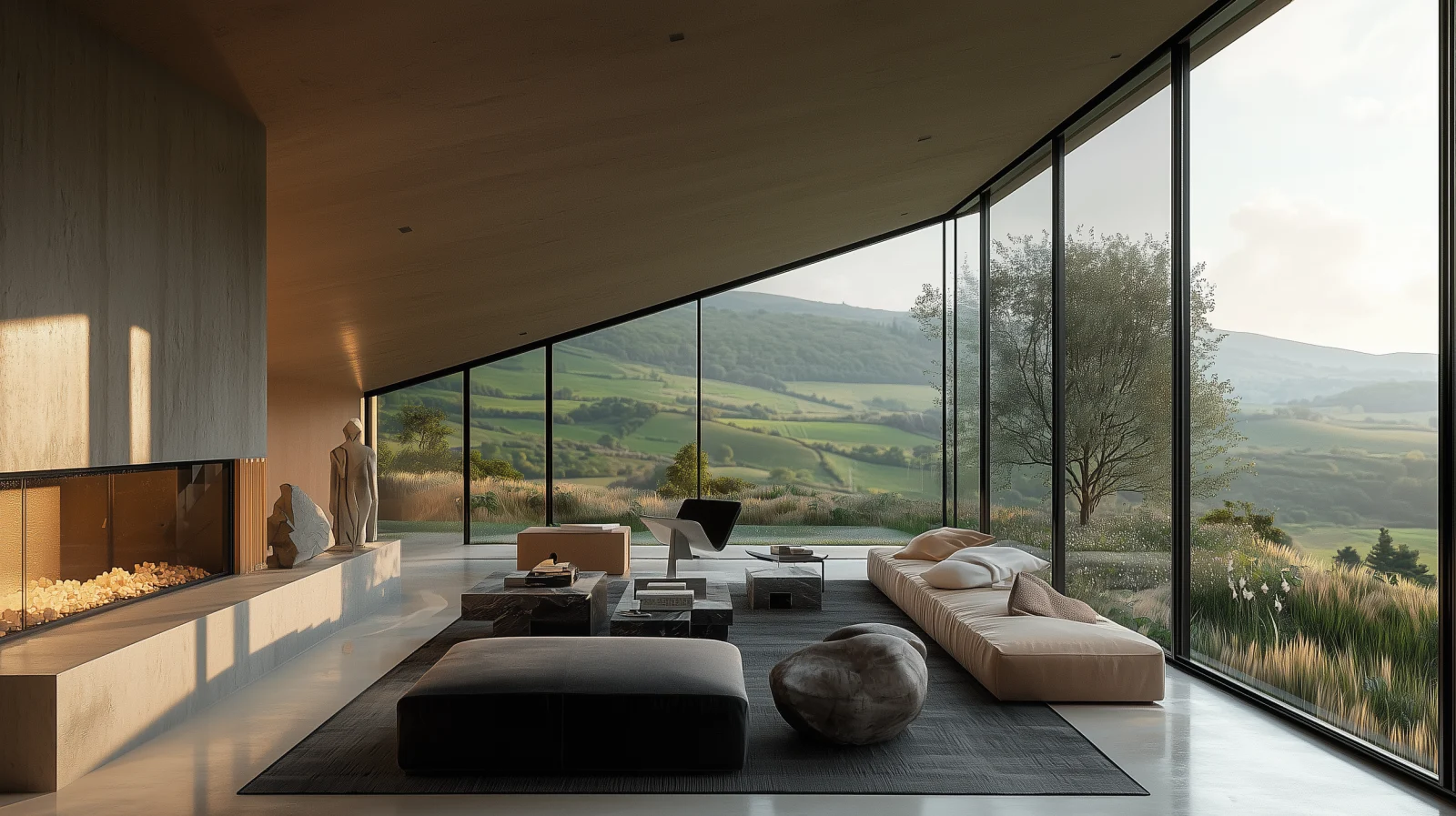
"Fomorian is to be built over the next couple of years and will provide family accommodation consisting of 4 bedrooms, kitchen, dining room, sitting room and study.
"It was important to offer the client viable outside space therefore a paved courtyard garden allows external living to be within the heart of the plan. The abstract rock forms allow the design to have exciting internal spaces with large irregular windows designed to maximise views out across the valley."
Leeds railway station reopening delayed AGAIN due to problems with lift
Clementine Hall
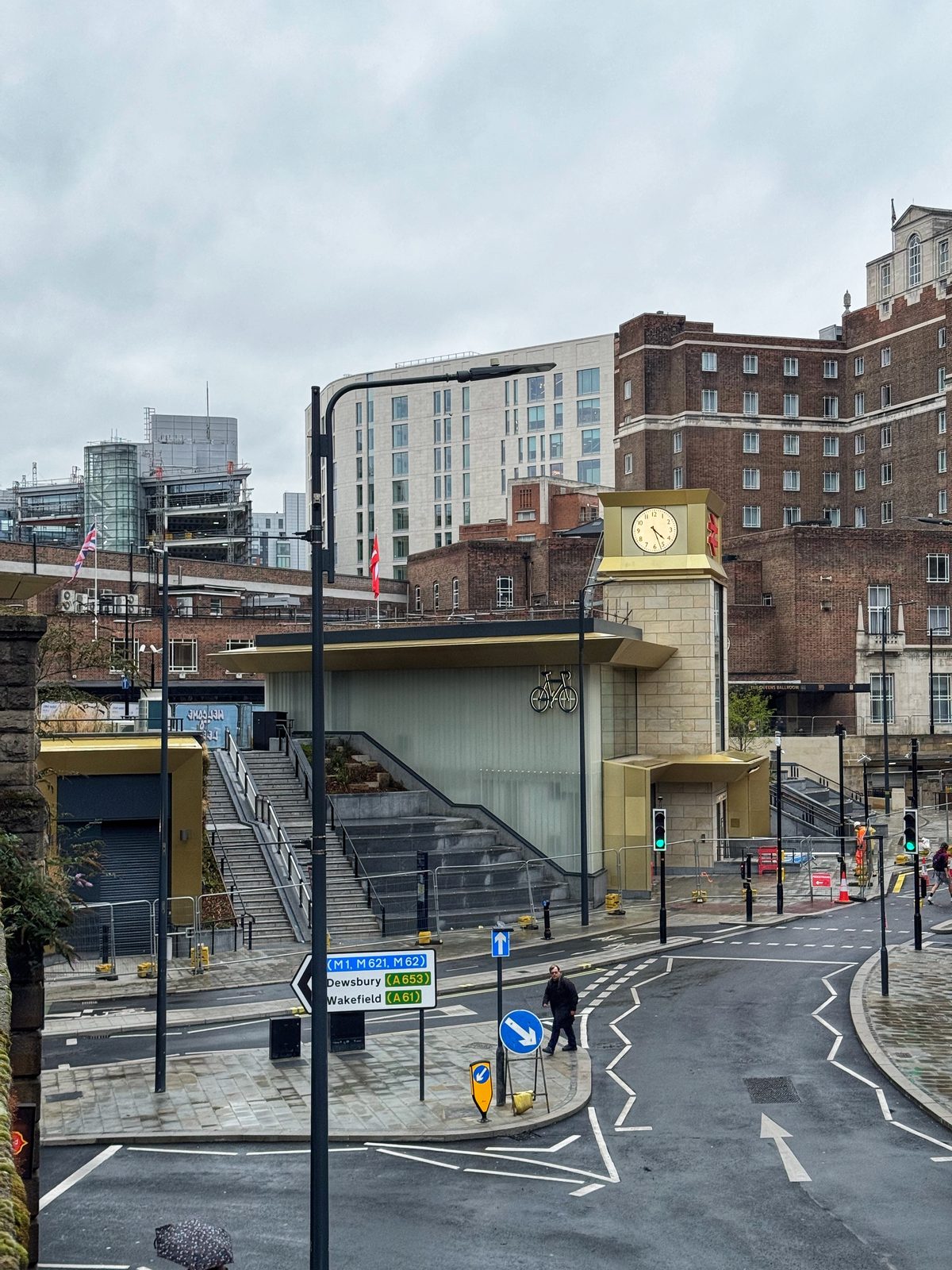
The highly anticipated opening of Leeds City Station's new entrance has been further delayed.
The £46.1m Leeds Station Sustainable Travel Gateway has been in the works since 2022, with the original target for completion set for autumn 2025.
That date subsequently slipped to summer 2026, then September, then October, and now...well who knows?
This time, Leeds City Council have confirmed that the problem is to do with the lifts that connect New Station Street and Bishopgate.
Image: The Hoot Leeds
These lifts will allow the ever so turbulent taxi rank to move from the temporary arrangement at the rear of the station to its new home on Bishopgate Street.
A Leeds City Council spokesperson said on the recent setback: "Having opened the pavement along Bishopgate Street and sections of New Station Street, unfortunately we have encountered an issue with one of the lifts, which is delaying essential safety testing from being completed.
"We are working to resolve this as soon as possible so we can open the final parts of the scheme imminently."
When it does finally open, there should be plenty to like. The scheme is designed to make the area around the station more pedestrian-friendly, with improved public space, wider walking routes, better cycling facilities, a new cycle hub and step-free access between Bishopgate Street and New Station Street.
The taxi rank will also move to Bishopgate Street, with a new shelter and kerbside boarding.
So, after years of barriers, diversions, temporary arrangements, engineering works and at least one deeply controversial letter (lest we forget 'Welcome to Leeps') the end is apparently in sight.
We'll keep you updated with any updates and opening date of the new station, but we wouldn't hold your breath if the last couple of months are anything to go by.

 Emily Sergeant -
22nd December 2021