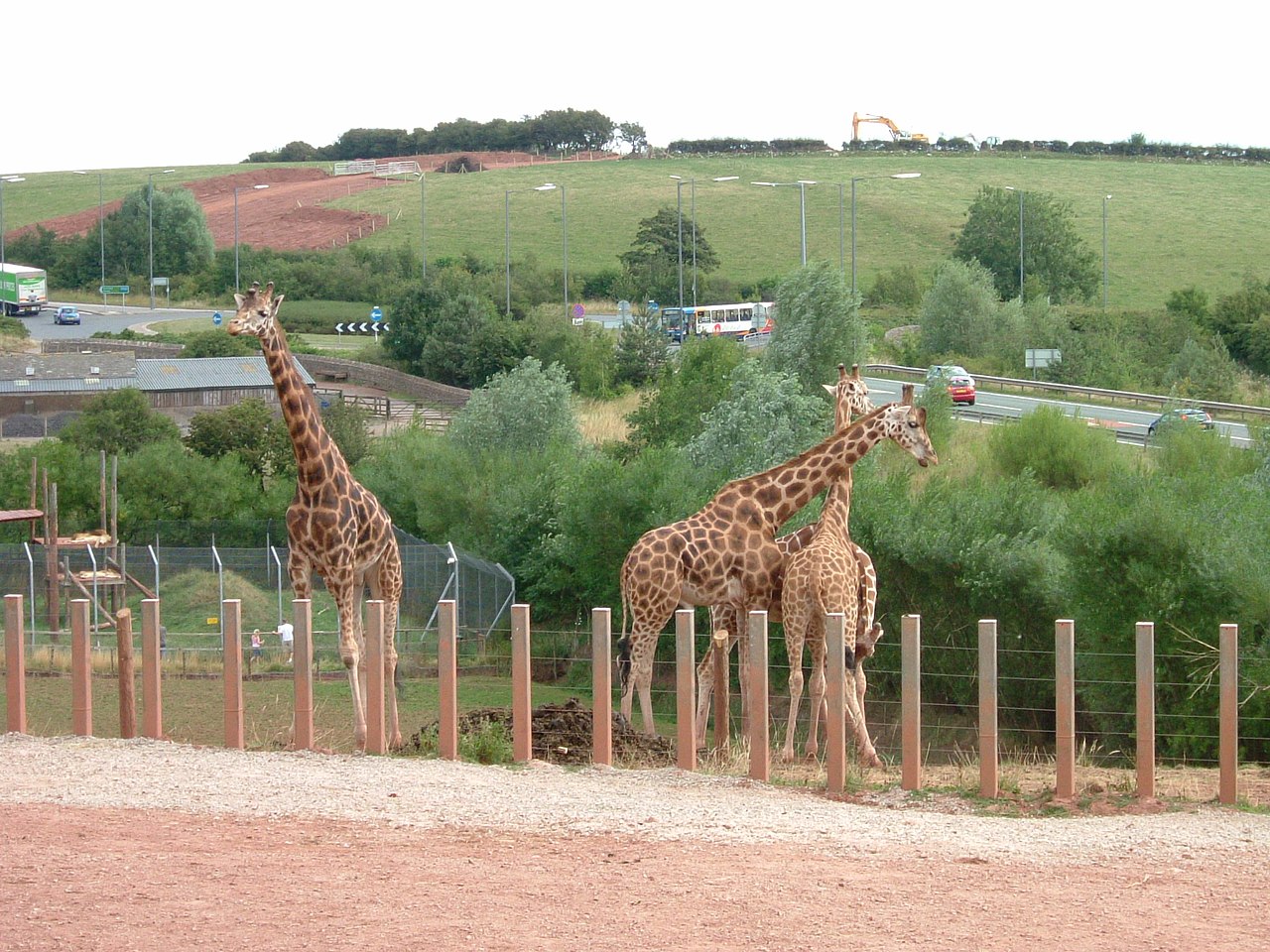
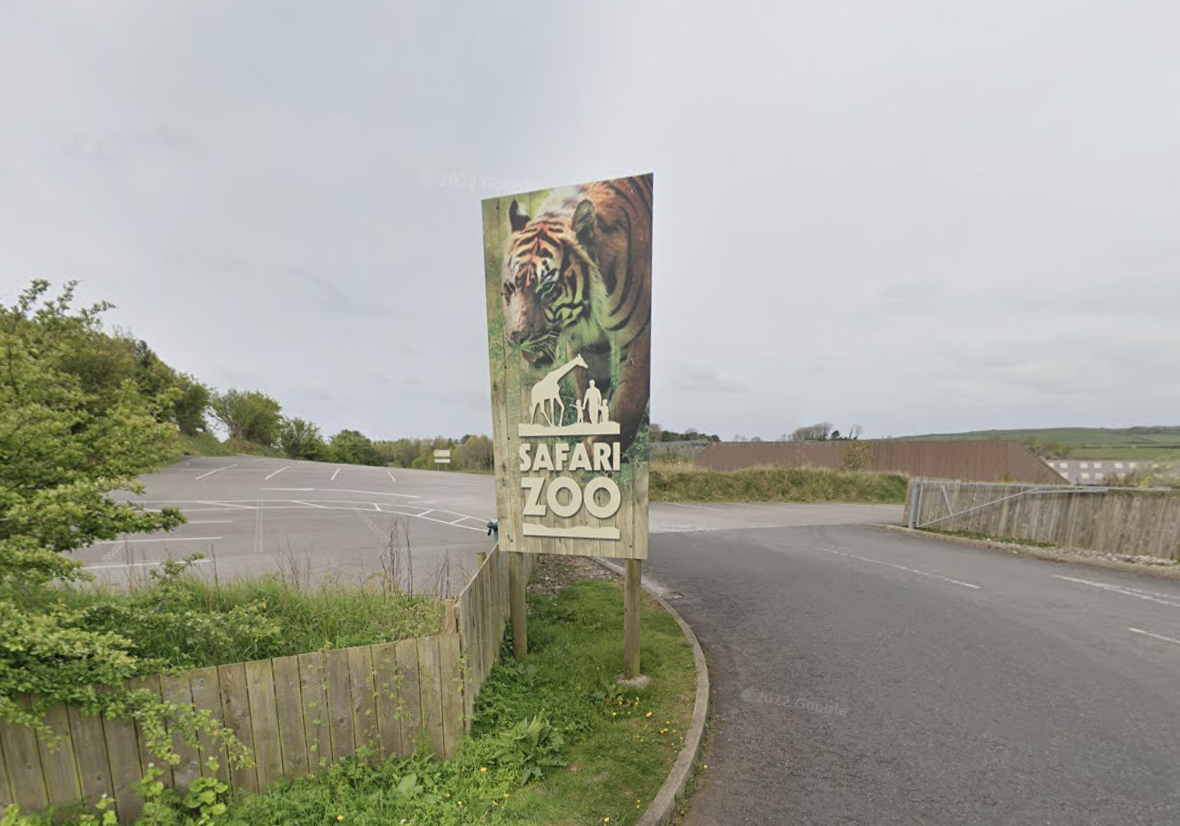
A zoo and safari park in Cumbria has announced its closure - but is eyeing up a new wildlife experience in Yorkshire.
The South Lakes Safari Zoo has faced a fair amount of controversy over the years, including the death of a zookeeper who was mauled by a tiger in 2013, and the death of 500 animals in the span of just three years.
The Cumbria Zoo Company Limited (CZCL) took over the attraction in 2017 when its previous owner was denied a licence - but has now announced the zoo's closure.
And while the South Lakes Safari Zoo in Ulverston, just outside the Lake District, will close at the end of this year, it looks like a move to Yorkshire is on the cards.
Plans have been submitted to the Yorkshire Dales National Park Authority for a 120-acre visitor attraction and wild animal reserve at Brockholes Farm.
The application states that, along with farm animals, the attraction will be home to white rhinos, honey badgers, zebras, red pandas, sloths, giraffe and lynx.
In a statement shared on social media, the South Lakes Safari Zoo said that the new site has holiday cottages, farm animals, and 'native wild flora and fauna full of biodiversity from grasslands, trees, Ancient Woodland, Pond, rivers, waterfalls, bluebells, and an array of plant life'.
Even before work begins they added that the site is home to bats, badgers, breeding birds, woodpeckers, grouse, amphibians, otter, brown hares, Lapwings, nodding birds, and squirrels.
Troubled South Lakes Safari Zoo announces closure and plots move to Yorkshire
The new Yorkshire attraction from the South Lakes Safari Zoo is set to partially open in 2025.
Speaking of the closure of their Cumbria zoo, they wrote: "When we took over in 2017 we did so because of our love and passion for the animals in our care and the wider world.
"When we look back - hand rearing Cupcake the parma wallaby, training Tibor the giraffe for his jugular blood sample, Remi the jaguar and his cancer removal, Wolfgang the snow leopard and his eye operation, hand rearing capybara, Eloise the giraffe’s pedicures, transforming the lives of Snoopy and the bears with their new enclosure.
"From day 1 when we opened the doors for free, to today when we will do the same for December, we cannot thank the 3million plus of you who have, over the last 7 years, visited us, supported our ventures and ultimately celebrated with us our amazing animal world."
You can read their full statement below.
What do you think of the plans for South Lakes Safari Zoo to move to Yorkshire?
Plans have been announced for a new museum dedicated to Sheffield's brewing and pub history.
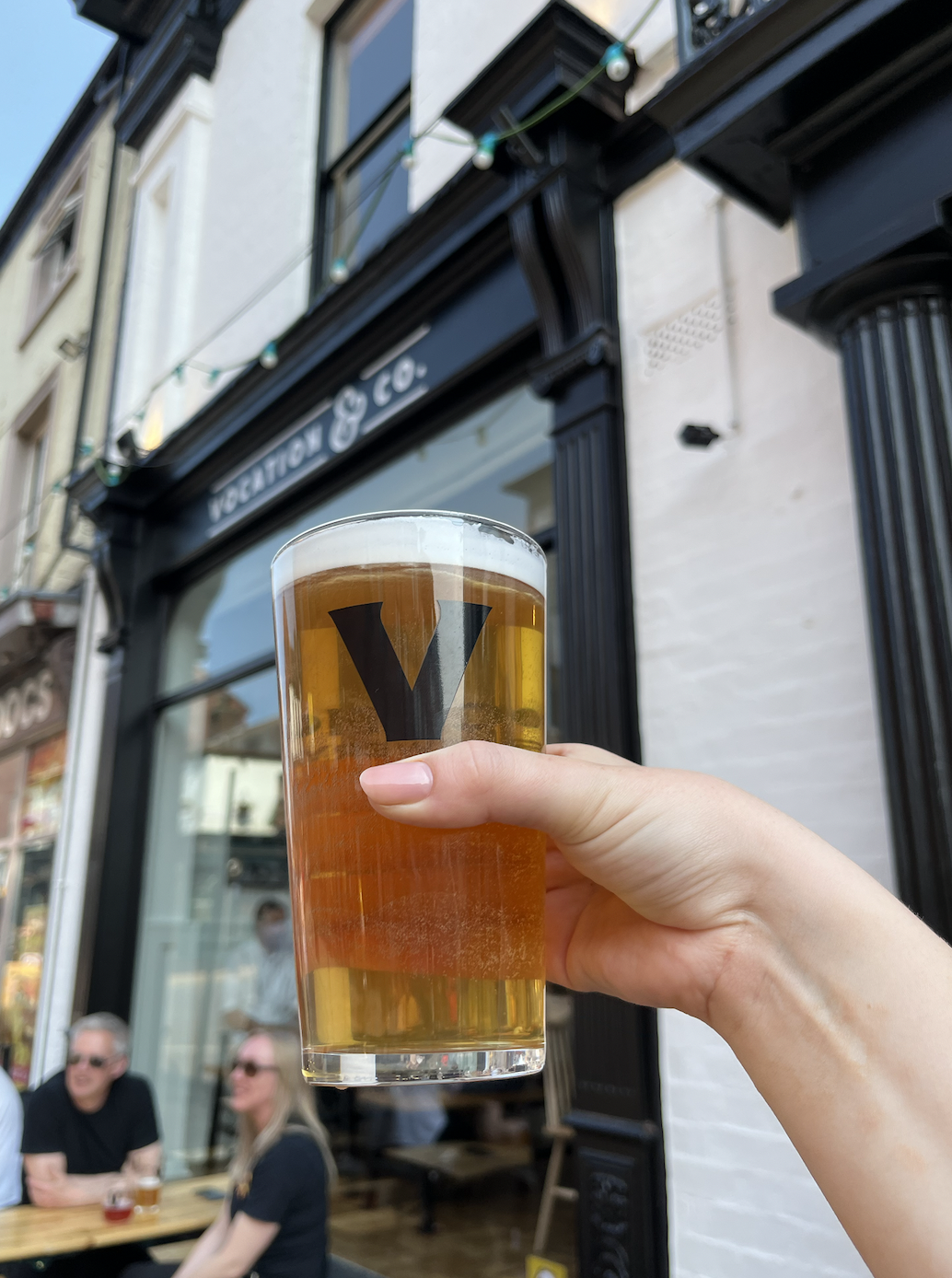
Now we all love a good pint, especially here in Sheffield, so what if we told you that soon there'll be an entire museum dedicated to the sweet nectar?
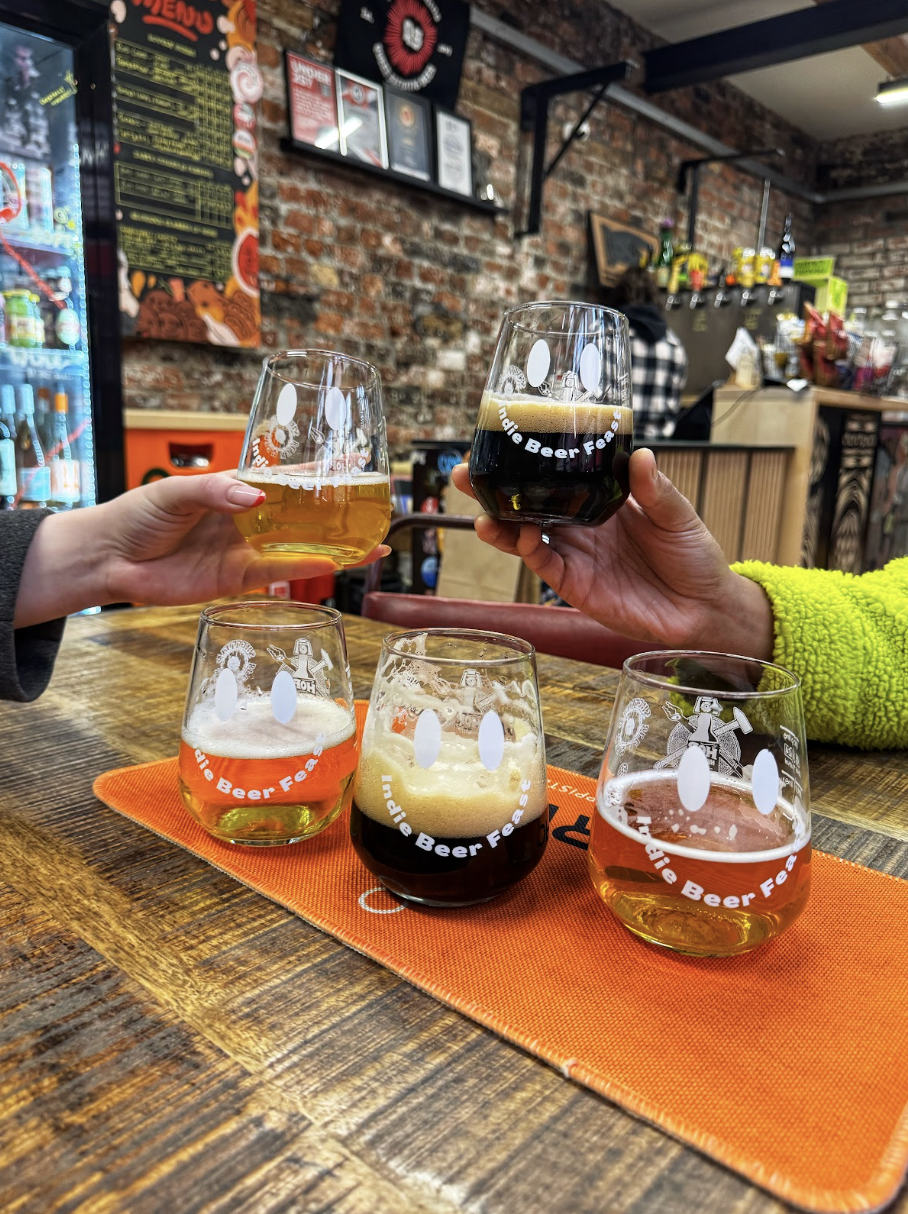
The museum will be dedicated to the city's long brewing history but ahead of its opening, Sheffield Beer Museum CIC is launching a public consultation.
They're asking the city's drinkers, brewers, publicans and residents what the museum should be, which stories it should tell, and where it belongs.
In case you didn't know, Sheffield has one of the richest beer heritages in the country, from the Victorian brewing boom through the real ale revival to today's independent scene.
Image: The Sheff
So it's safe to say that we deserve a home for its story.
"There is more to beer than drinking, and Sheffield's thriving independent scene is a proud example of that," said George Brown, director of Sheffield Beer Museum.
"It's why we're asking the city first. Before we decide anything, we want to hear what people here want to see."
The consultation period will run to the end of the year, and it's all kicking off at this year's Steel City Beer & Cider Festival.
The team will be at the Steel City Beer & Cider Festival at Kelham Island Museum from Wednesday 21 to Saturday 24 October 2026, where visitors can meet the team, have their say and find out more.
A Miami-inspired deli serving Cuban sandwiches, stacked subs and cigars has opened in a Leeds suburb
Clementine Hall
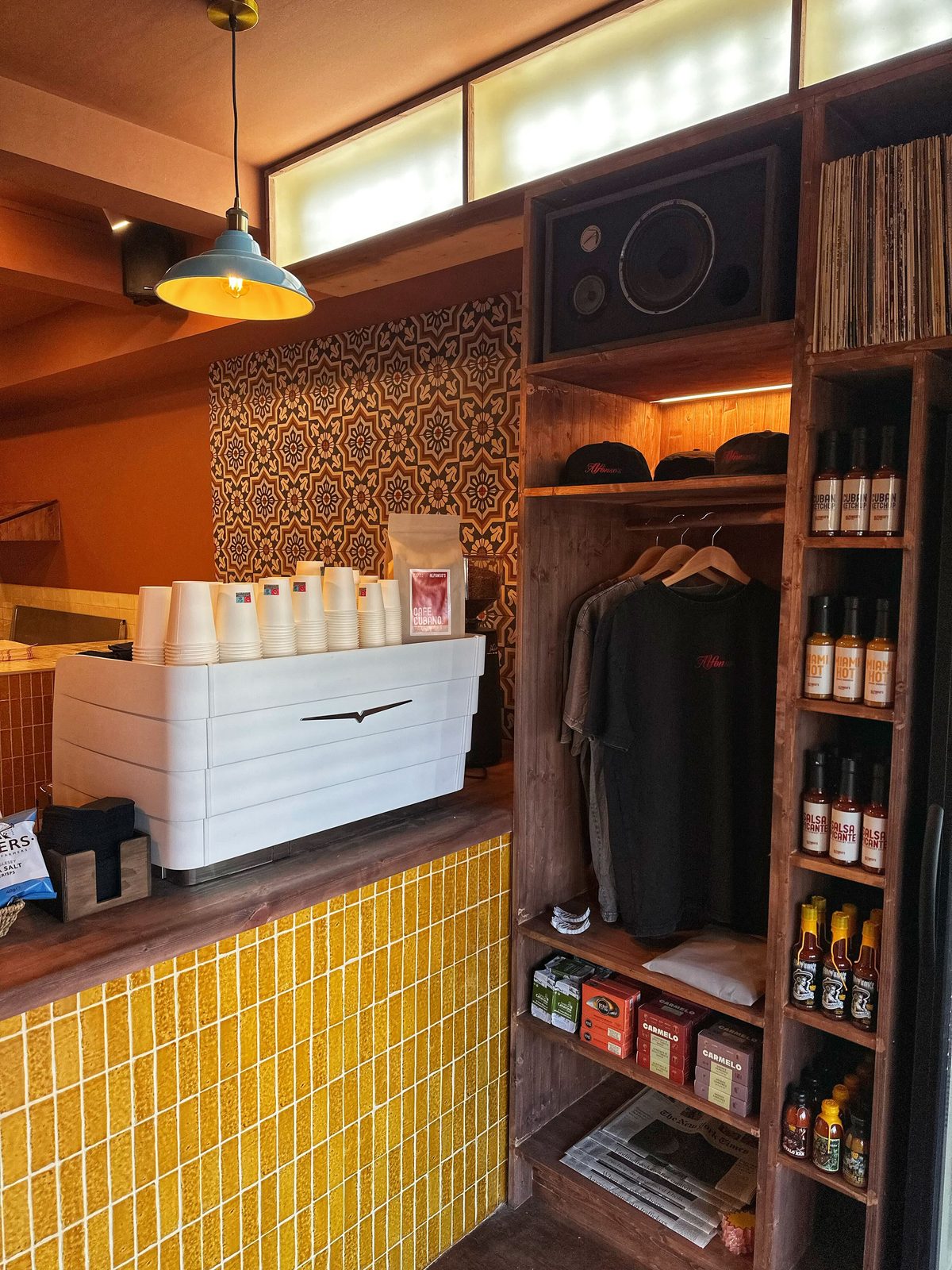
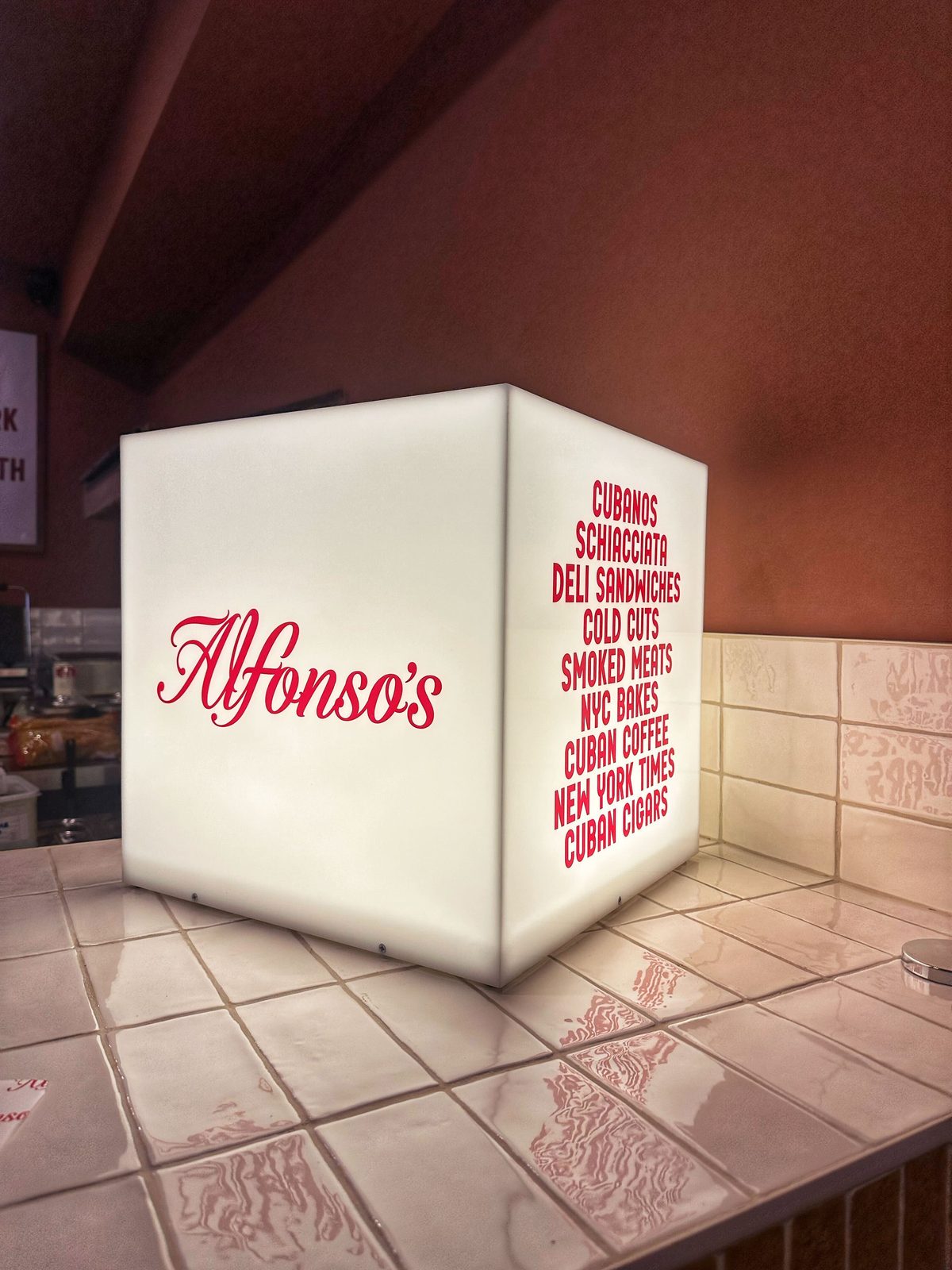
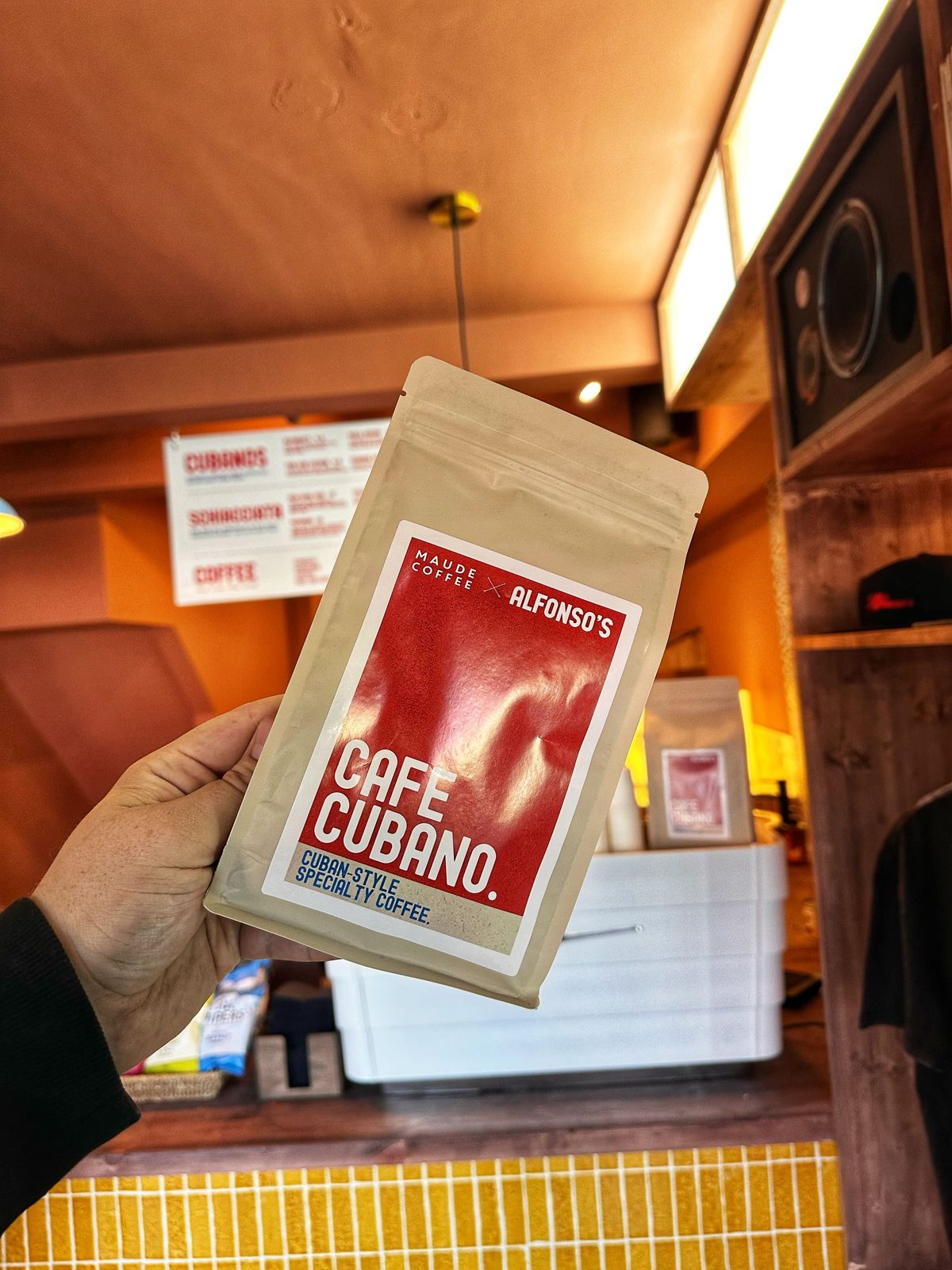
After making a name for itself over in Leeds city centre, Alfonso's Deli 2.0 has touched down in Horsforth.
Famed for it’s toasted Cuban sandwiches, stacked subs and loaded breakfast bagels - Alfonso's Deli in Leeds' beautiful Grand Arcade serve up some of the best sandwiches in the city.
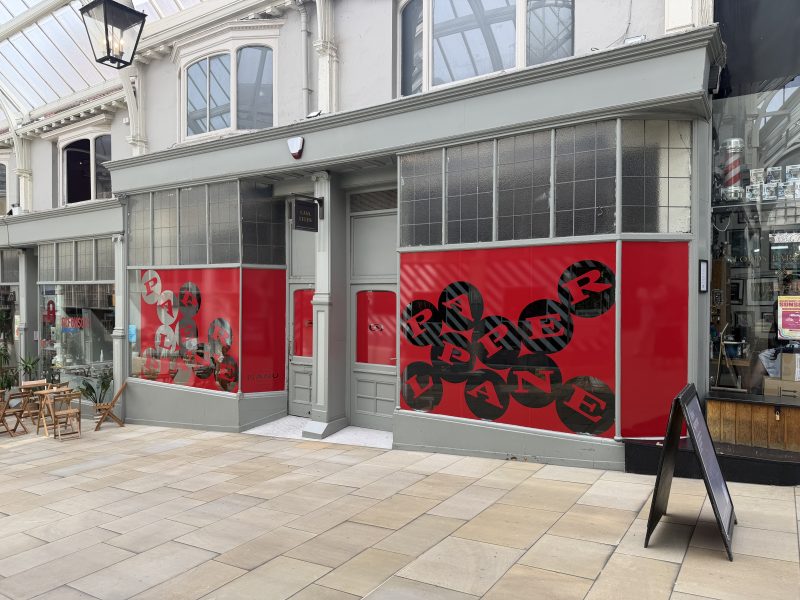
They've built up such a good reputation in fact, that they have now opened a second deli in the up-and-coming suburb of Horsforth.
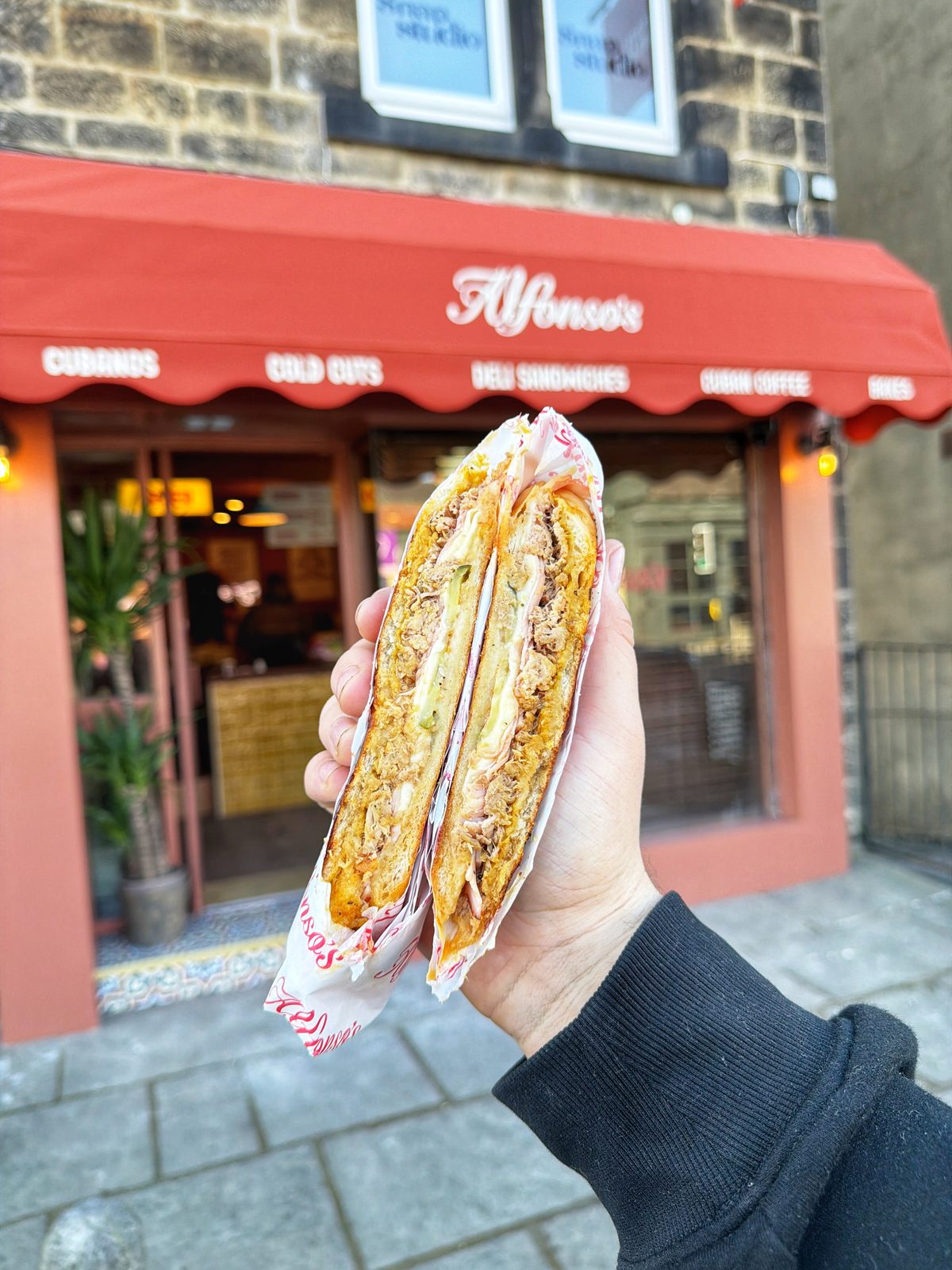
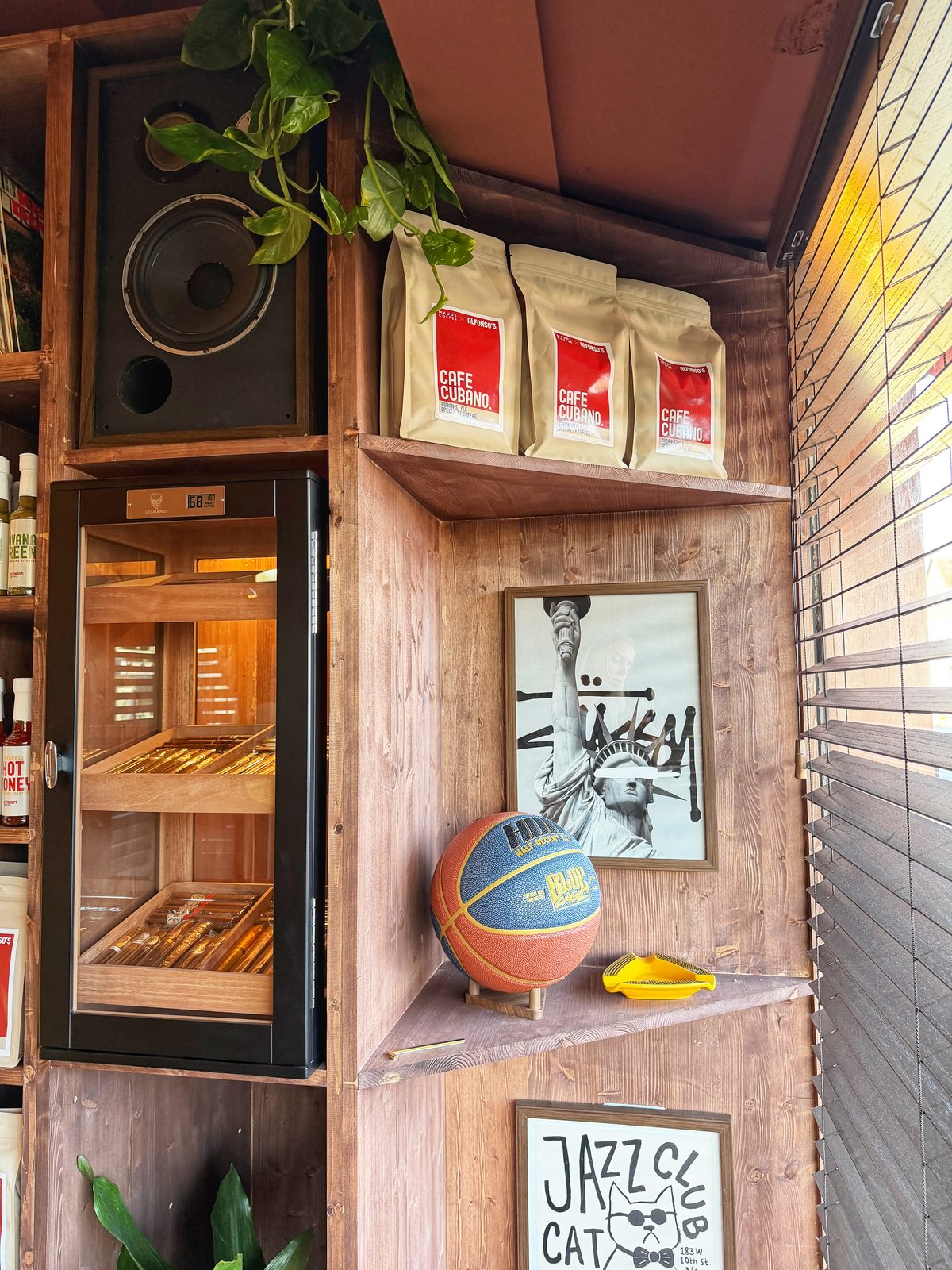
Located in a prime location on New Side Road, this deli has a slightly different look to their original space, complete with a beautiful red awning and stuffed to the brim with American memorabilia.
Images: The Hoot Leeds
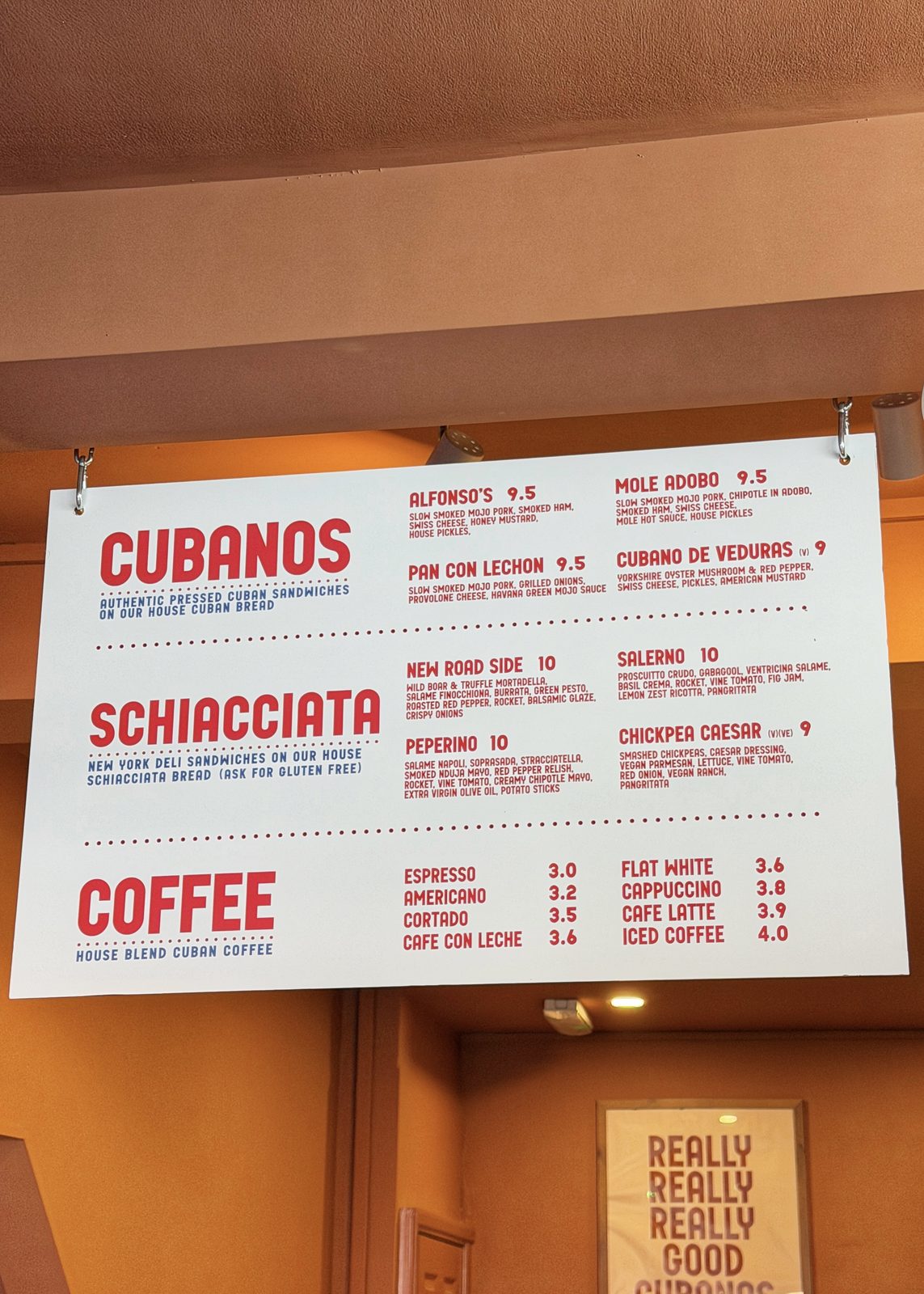
Here you can find fresh Cuban coffee which goes wonderfully with their authentic toasted Cubano sandwiches, perfectly crafted with their house-made bread which are then pressed made-to-order.
New for Horsforth, they're now serving New York deli sandwiches on brand-new house schiacciata bread.
And the bread is as fresh as it gets, made in their own bakery downstairs alongside a selection of New York deli bakes.
Images: The Hoot Leeds
Stuffed with toppings such as smoked deli meats, cold cuts, fresh cheese and whatever else you fancy.
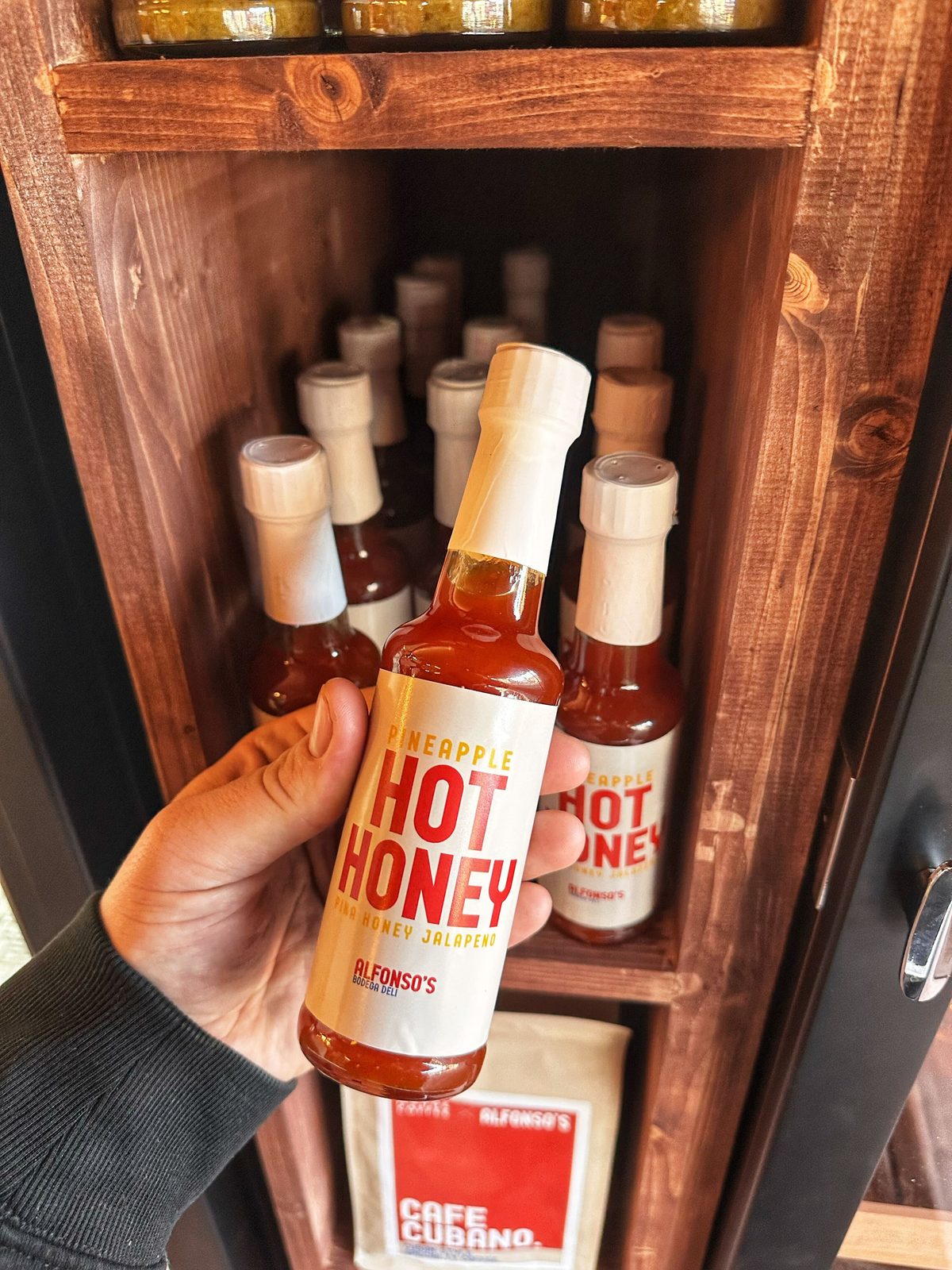
Oh and it doesn't stop there, you can also buy a cigar if you fancy it alongside a selection of merch, hot sauces and provisions like tinned fish.
So whether you're stopping by on your way to work for a morning coffee or treating yourself to a stellar sandwich for your lunch, Alfonso's Deli is here to whisk you away to Miami for the afternoon.
Images: The Hoot Leeds
They're officially opening their doors to the public this Thursday 15 October, and we just know it's going to go down and absolute storm.
Make sure to pop down and give them a big warm welcome to the neighbourhood.

 Daisy Jackson -
20th December 2024
Daisy Jackson -
20th December 2024