Leeds
Fossilised 320-million-year-old fish found in Leeds’ Roundhay Park
 Clementine Hall -
21st July 2026
Clementine Hall -
21st July 2026 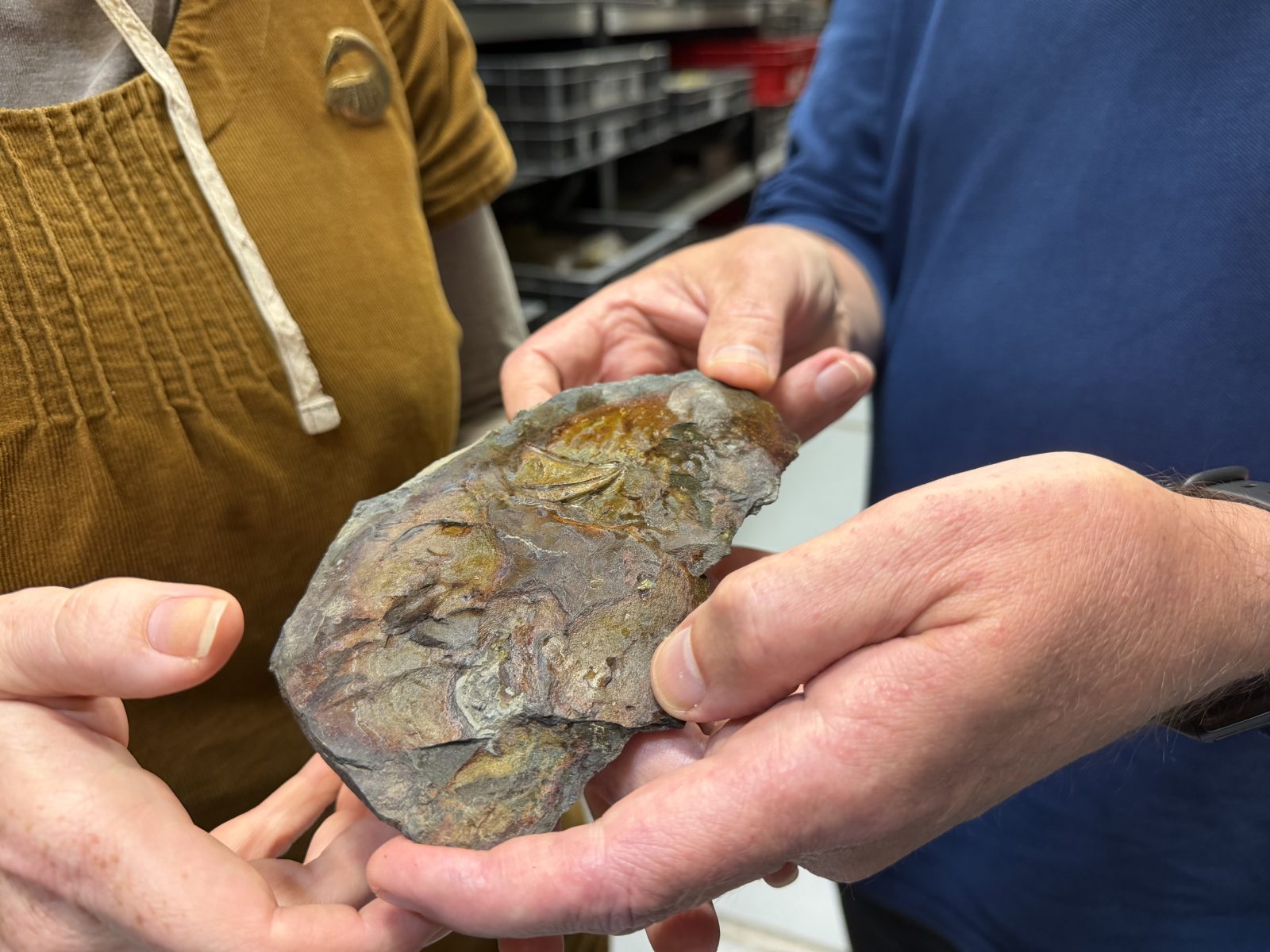
A prehistoric fish fossil has been unearthed at Roundhay Park in Leeds.
The fascinating prehistoric skull bone of a coelacanth fish was discovered by a geologist at Roundhay Park earlier this year.
It is thought the creature was frozen in time aeons ago, during an era when the park was submerged under a vast tropical lagoon.
The remarkable discovery has now been kindly donated to Leeds Museums and Galleries and added to the natural sciences collection at Leeds Discovery Centre.
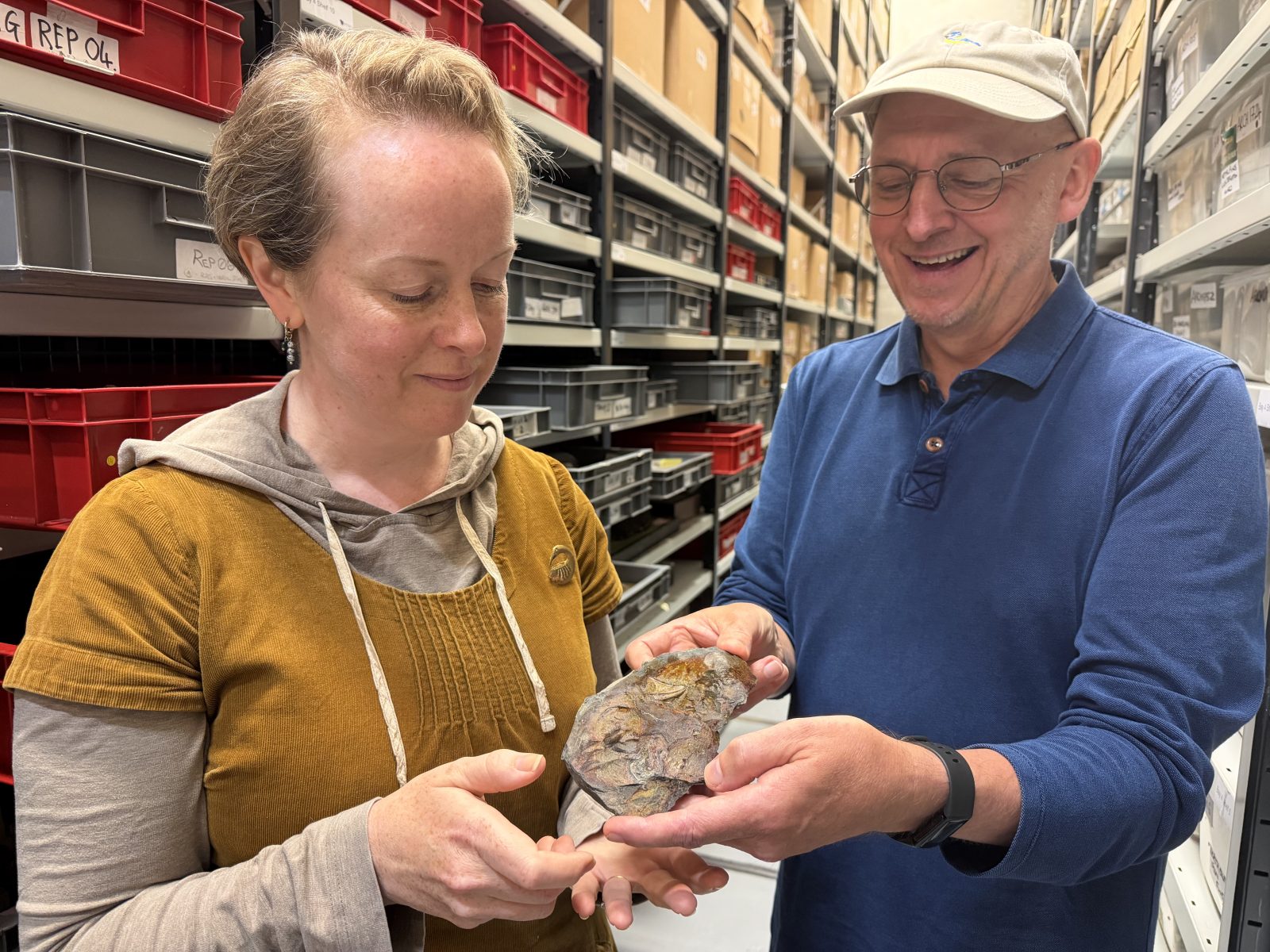
The Leeds fossil was found by Ru Smith of the Yorkshire Geological Society during a reconnaissance walk he was carrying out ahead of a planned field excursion in the north Leeds park.
Describing the moment he made the discovery, Ru said: “There’s a layer of rock in the park which dates from around 320 million years ago, from a time before the breakup of the continents, when what is now the park would have been situated close the Equator and under the warm waters of a tropical lagoon. West Central Africa would be a good place to find similar environments in the present.
“There’s a bed of freshwater mussels called Carbonicola at one level in the rock, and opening a piece of shale from this bed in my hands I saw something unusual – a distinctive skull bone of a large fish. I knew straight away this was something different and very rare."
The bone was verified byexperts as belonging to a coelacanth older than those found elsewhere in Yorkshire, making it the oldest fossil coelacanth discovered in the region.
Ru added: “Coelacanths are pretty amazing fish and it’s just very cool to think that at one time, you could have been standing in Leeds and watching them swim around above a bed of mussels in Roundhay Park.
“That’s really the wonder of geology, looking at the rock and time travelling in the imagination to what was a very different world.”
Featured image - Leeds City Council