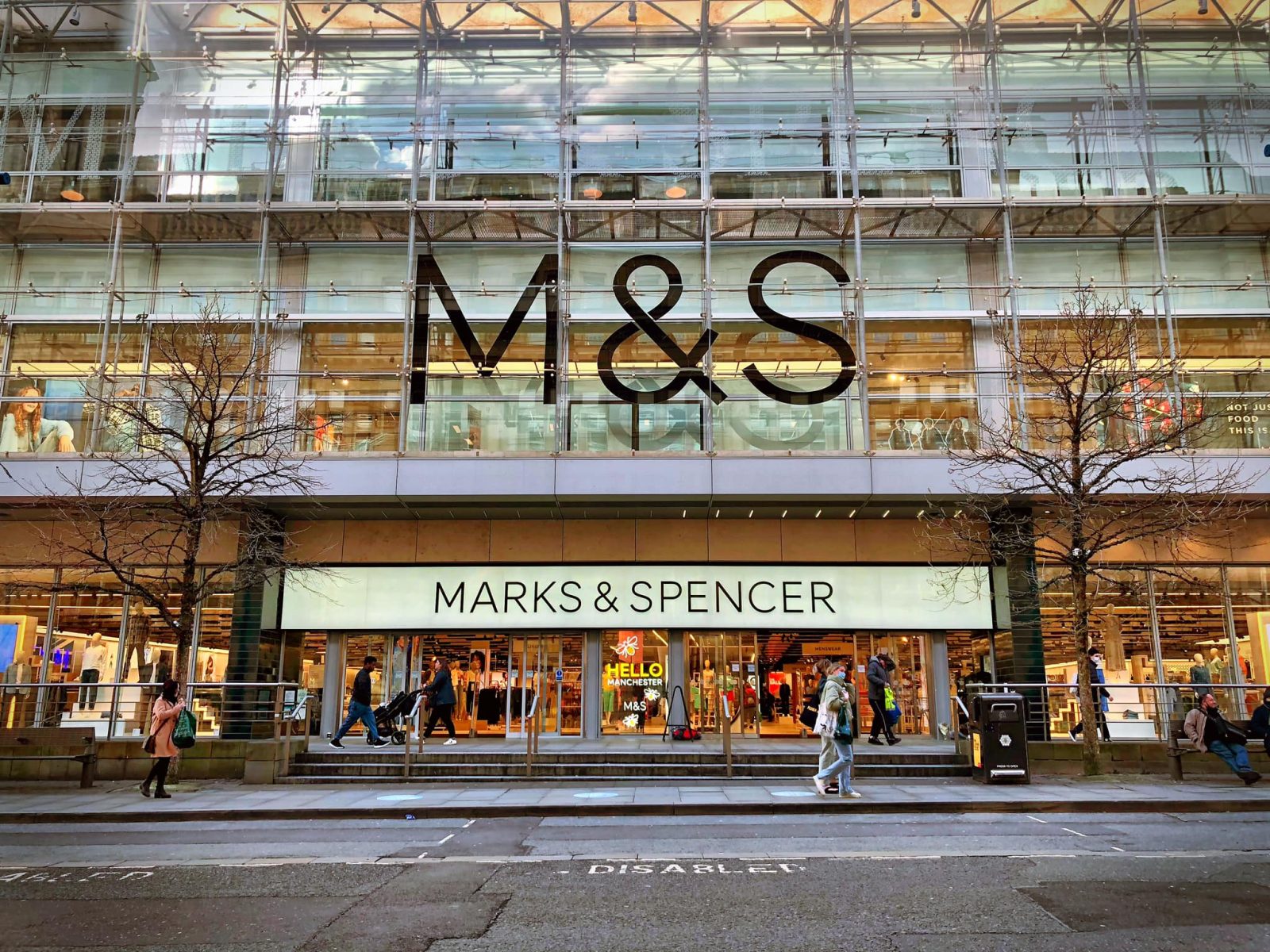
Marks and Spencers are letting their full-time staff across the UK to work only four-days a week so they can improve their work/life balance.
The retailer’s new ‘Worklife’ programme is aiming to provide more choice and flexibility for staff, reports The Manc.
After notably introducing optional pronoun badges for staff to help “build an inclusive future” last year, and following the well-praised decision to raise its minimum wage to £10 an hour during the cost of living crisis earlier this year, the retailer has announced its next employee perk in the form of a new flexible working offering.
M&S said the changes are designed to help staff achieve a better work/life balance, and says it also hopes it will help it to continue to “attract the best talent in the industry.”
This means that, from January 2023, over 3,000 of M&S’s Retail Managers across the UK will have additional flexible working options available to choose from, so as well as opting for either full-time or part-time hours, they can also choose whether to spread their hours over five days, or to work a four-day compressed work week, or even a nine day compressed fortnight.
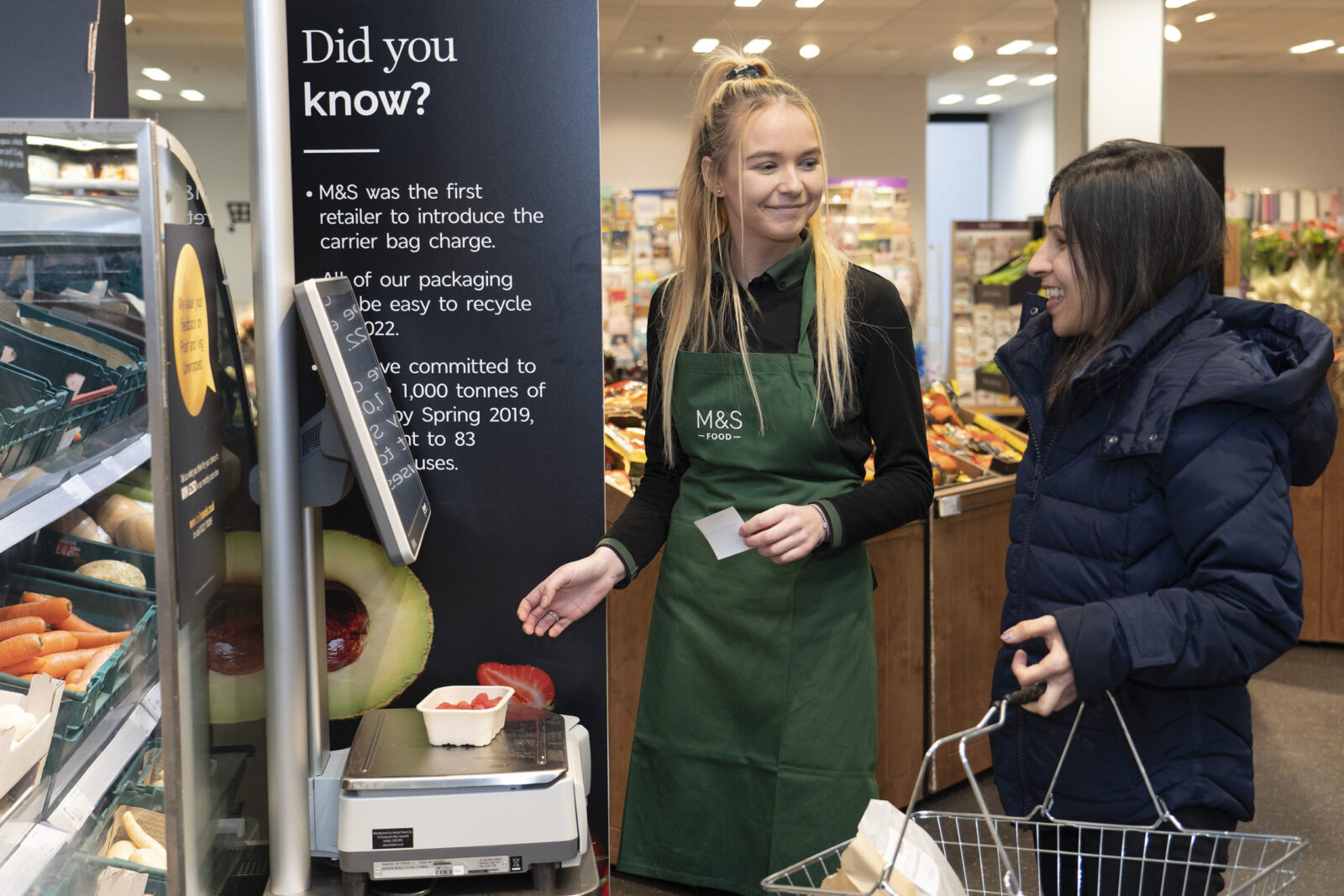
Image: M&S
Part-time managers will also be able to access their own pro-rated version of the compressed ways of working on offer, M&S said.
M&S’s decision to introduce flexible working options follows what the retailer says was a successful trial across 100 stores – with 75% of the Retail Managers participating agreeing that compressed hours had had “a positive impact on their family life”.
73% said it also gave them more time to focus on and prioritise themselves.
“We want M&S to be a great place to work and shop, that means having engaged colleagues with a good work-life balance,” explains Sarah Findlater – Group HR Director at M&S.
“Retail is a fast-paced industry, but that shouldn’t mean missing out on the moments that matter.
“Whether caring commitments, the chance to get involved in your local community, or to prioritise your own mental and physical wellbeing, we’ve listened to colleagues and are determined to create a cultural shift to flexible working across our stores.”
Ms Findlater also added that the Retail Managers that took part in the compressed hours trial agreed that it’s been a “gamechanger” for them by giving them “more choice and autonomy”.
“We are determined to keep exploring ideas that transform the way we work at M&S,” she added.
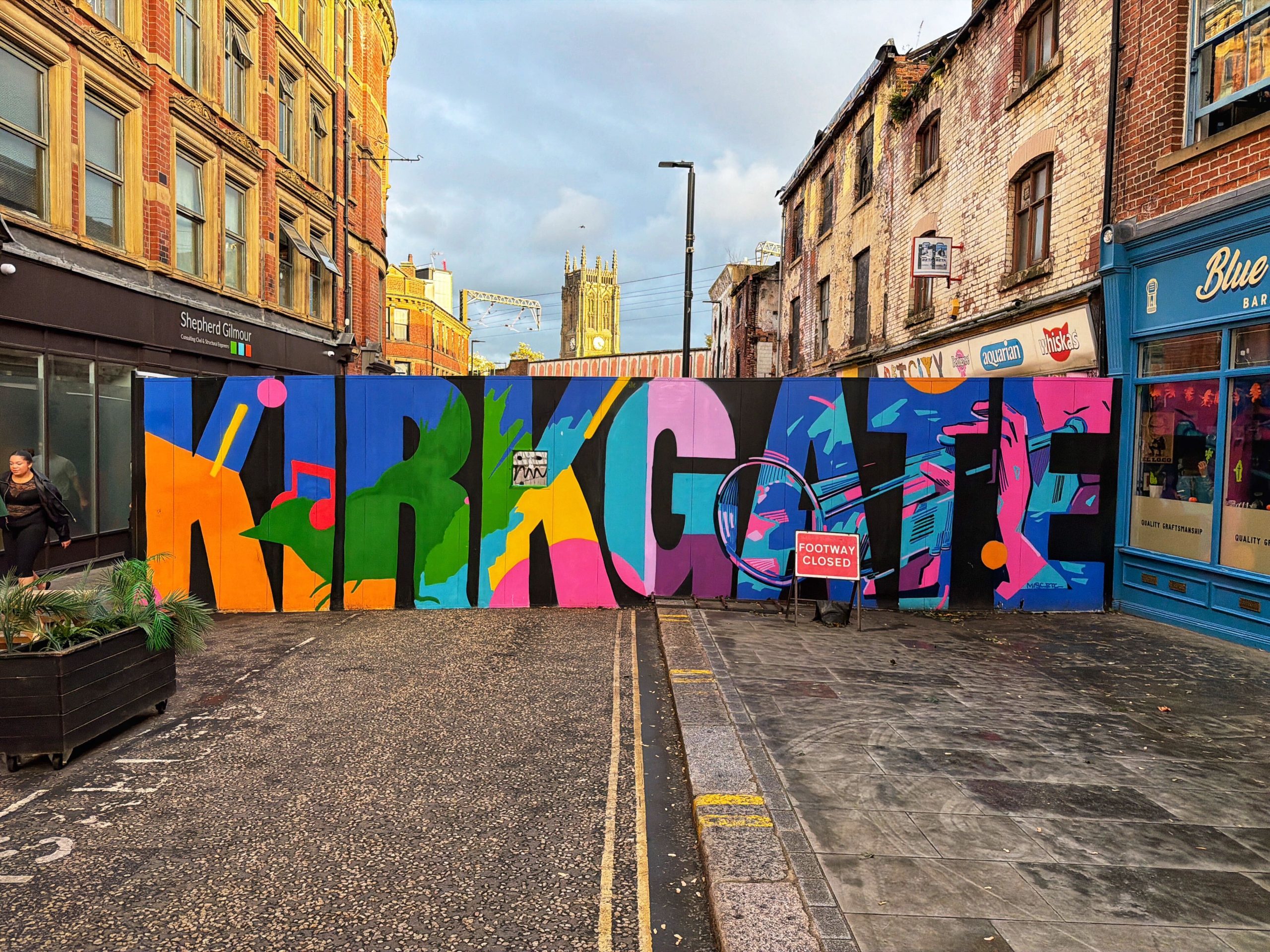
Leeds City Council has confirmed that work to stabilise buildings on Lower Kirkgate is set to begin later this month, with repairs expected to take around 20 weeks to complete.
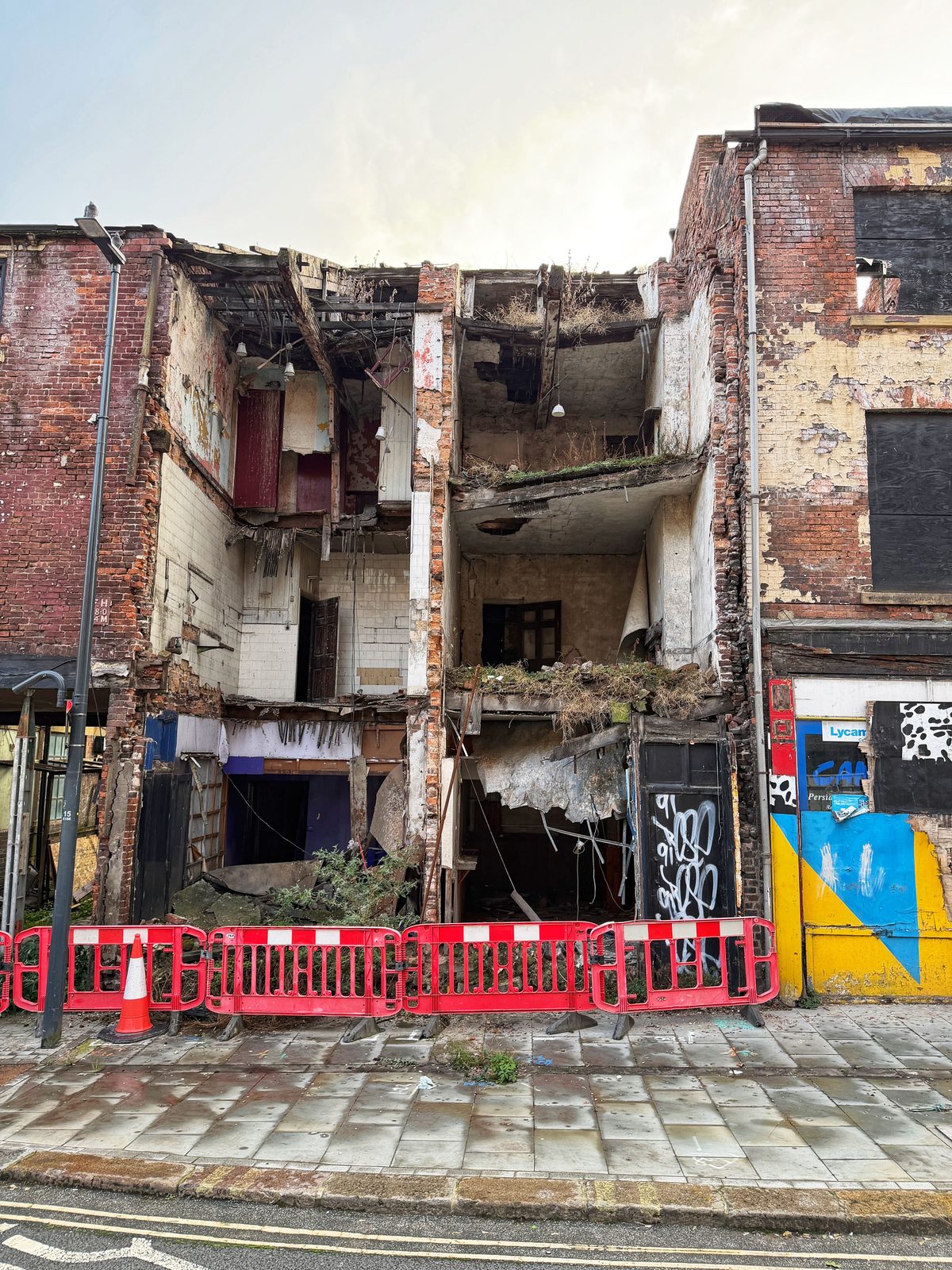
Back in 2024, Lower Kirkgate in Leeds city centre was closed following the partial collapse of a building, leaving one of the city's oldest streets inaccessible.
Since then, the street has remained closed while plans were developed to address the structural issues affecting the buildings.
Now, almost two years after the initial incident, the council has confirmed that a contractor has been appointed to carry out the work.
The buildings are privately owned, but Leeds City Council says it will step in to carry out the stabilisation work to prevent further deterioration and protect the historic properties.
Image: The Hoot Leeds
A spokesperson for Leeds City Council said: “We are pleased that, following months of careful planning and preparation, we are now in a position to begin stabilising these privately owned buildings.
“A contract has been awarded for the work, which is scheduled to get under way later this month and is expected to take around 20 weeks to complete.
“It should be stressed that the situation on Lower Kirkgate is not of the council's making, with the owners of the buildings allowing their condition to deteriorate over many years and then failing to take the necessary steps to address the resultant structural issues.
“By stepping in and carrying out this work itself, the council will be able to arrest the deterioration of important heritage assets on one of Leeds’s oldest streets. As always, we thank the local community for their continued patience and support.”
Further details about the work, including when the street may be able to reopen, have not yet been confirmed.
End of an era as Harvey Nichols is leaving Leeds after 30 years on Briggate
Clementine Hall
It's time to say goodbye to one of Leeds' most recognisable shops.
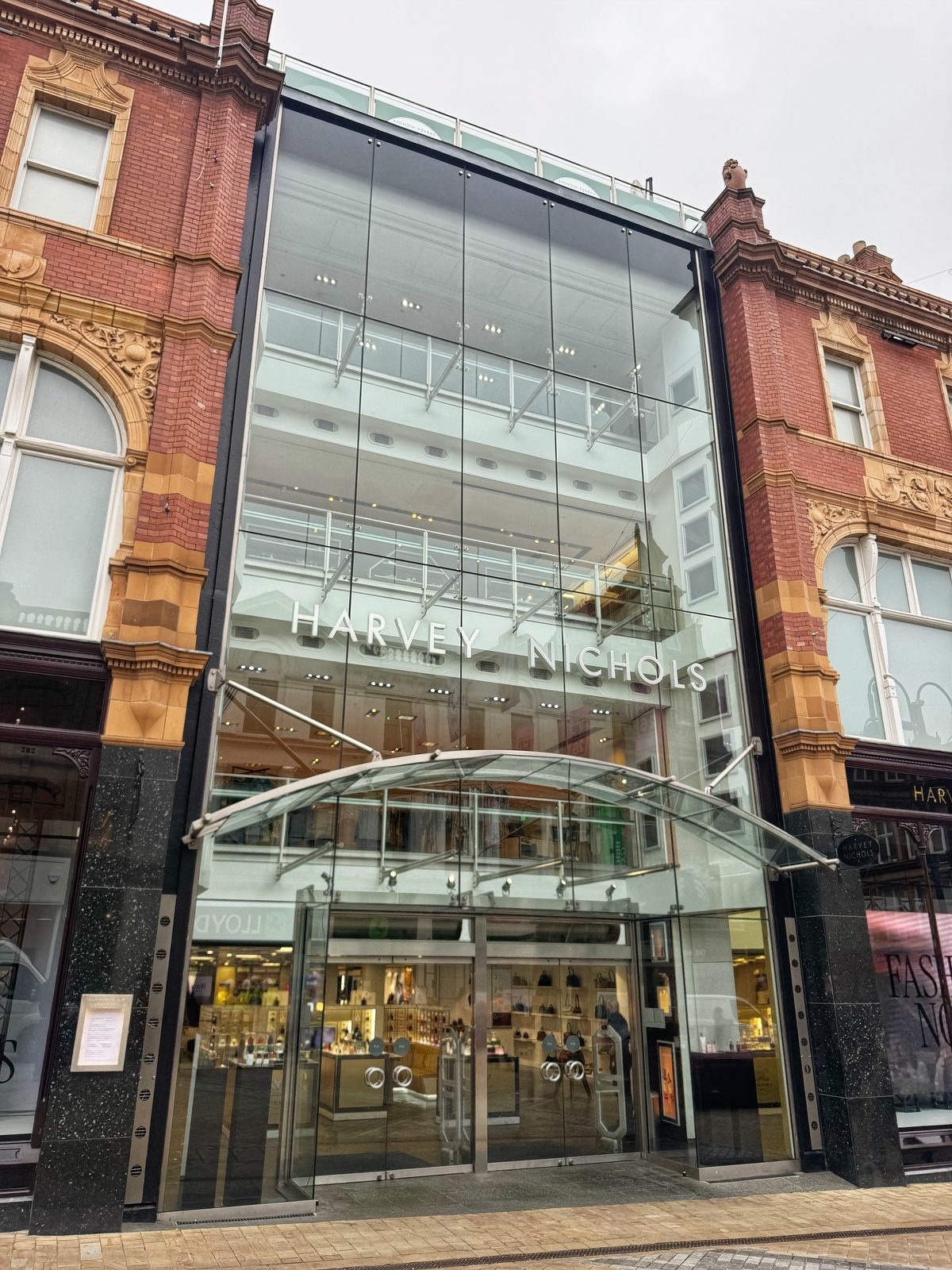
One of Leeds’ most iconic shops is set to undergo a major makeover - as Harvey Nichols is reportedly leaving Briggate after three decades.
The luxury department store has been a staple in the heart of Leeds since 1996, but its days under the famous Harvey Nichols name are coming to an end.
It has been reported that the store is set to become a Flannels, following the takeover of Harvey Nichols by Frasers Group earlier this year.
The brand was bought by Frasers Group after the luxury retailer entered administration in August.
At the time, Frasers said the business had faced “sustained trading and operational challenges” and that significant restructuring would be needed.
Now, Frasers boss Michael Murray has confirmed that Leeds and Bristol are the two stores set to lose the Harvey Nichols name and become Flannels.
Murray has said the group plans to invest in its Manchester store, while the future of the Knightsbridge flagship in London is also being considered.
Image: The Hoot Leeds
For Leeds, though, it means saying goodbye to a name that has been part of the city for almost 30 years.
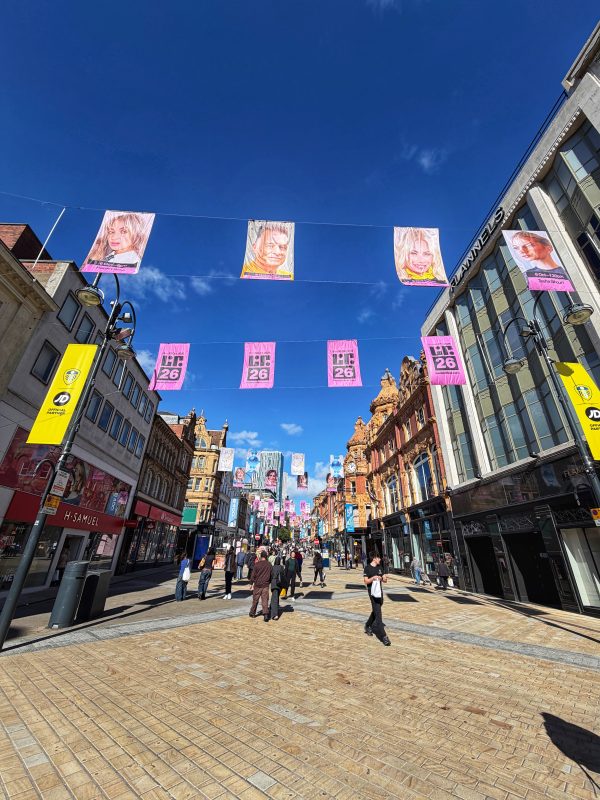
And with another Flannels already sitting just a stone’s throw away, there are plenty of questions about what the change will mean for the city's already luxury-heavy retail offering.
Whether you've dined in the beautiful Fourth Floor Brasserie restaurant or enjoyed browsing the beauty hall over the years, we all have our own memories of Harvey Nichols and there's no doubt it will be missed.
For now, there’s no confirmed date for exactly when the Harvey Nichols name will leave Leeds but we will keep you updated.

 The Hoot -
4th November 2022
The Hoot -
4th November 2022