A new campaign has been launched by National Highways to raise awareness of an ‘intrusive’ driving act that 43% of Brits admit to doing.
Whether intentional or not, tailgating – a term used for driving too closely behind another vehicle – is known to create tension and anxiety for drivers across the UK, and remains a serious safety issue for other road users, which is why National Highways has launched a campaign to tackle the issue.
Recent Government statistics have shown that tailgating leads to an average of 147 deaths or serious injuries every year on motorways and major A-roads, with 60% of drivers saying that being tailgated makes them feel uncomfortable.
But despite this, 43% of drivers admit to tailgating ‘at least sometimes’.
The National Highways’ new campaign, titled Make the Change: Two Seconds is all it Takes, is working to highlight how one person’s driving behaviour, even if unintentional, can cause real stress for others.
The agency said the simple message in the campaign’s name highlights that all drivers need to do is maintain this ‘suitable’ following distance.
“Small changes in driving behaviour can have a big impact on overall road safety and everyone’s wellbeing on the road,” the campaign reads.
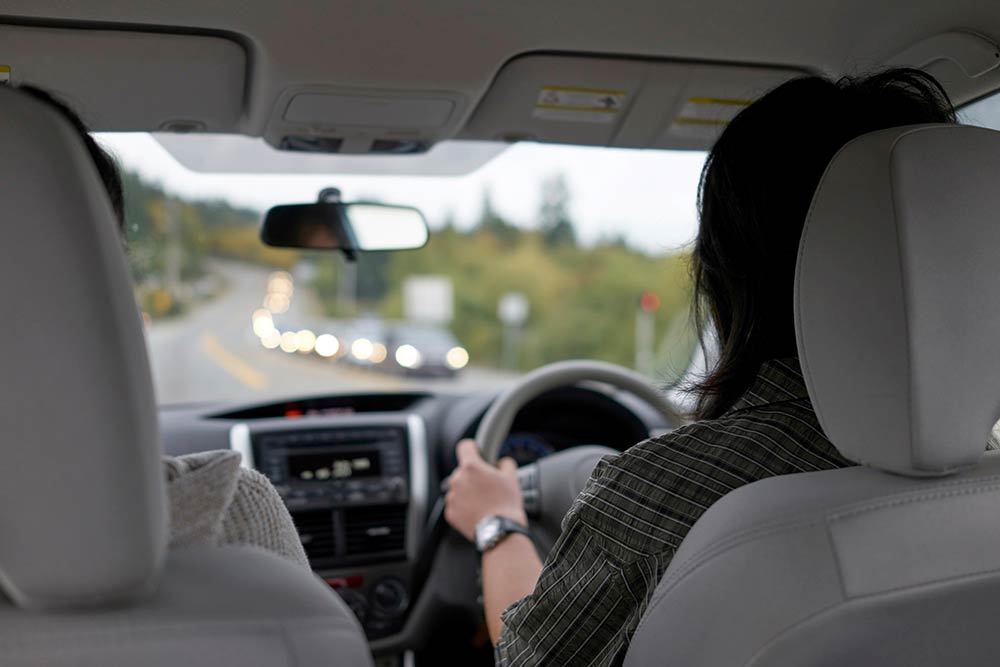
A new National Highways campaign has been launched to prevent ‘intrusive’ tailgating on UK roads / Credit: pxfuel
“Keeping a safe following distance of at least two seconds is a simple yet vital habit. It significantly improves road safety while promoting a calmer, more respectful driving atmosphere for everyone.
“Following another vehicle too closely can make the driver ahead feel stressed and pressured. It’s much like someone standing too near to you in a queue – uncomfortable and intrusive.
“Respecting space matters just as much on the road as it does in everyday life.”
As a way of maintaining the two-second gap, the National Highways encourages drivers to ‘pick a fixed point up ahead’, such as a road sign or lamppost, and as the car in front passes it, start counting: ‘one thousand one, one thousand two’.
If you reach that point before finishing the count, you’re too close and need to ease off the accelerator to allow more space.
Yorkshire Wildlife Park has shared an update this afternoon, after a man died in a horrifying tiger attack at the zoo yesterday.
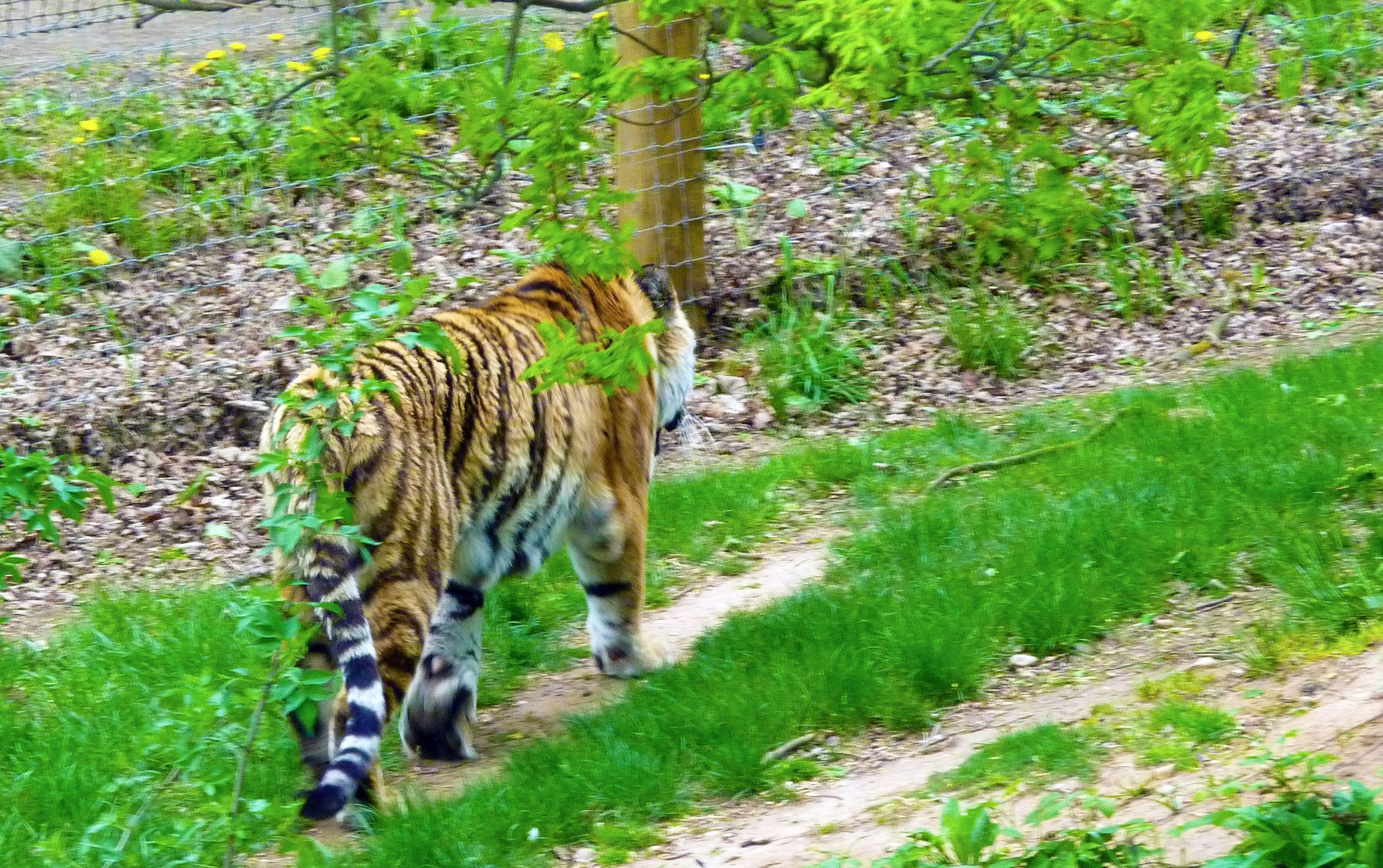
The wildlife park, which remains closed today, has informed customers of the future of the tiger involved, Altai.
Emergency services rushed to the park near Doncaster at around 1.30pm on Saturday, after reports of a man climbing into the tiger enclosure.
Tragically, the man involved in the tiger attack lost his life.
The zoo has said that its 'thoughts and heartfelt sympathies' remain with the man's family and loved ones.
They also said that its staff team have been left 'deeply affected' by the tiger attack and will be receiving specialist support.
Yorkshire Wildlife Park has now shared that Altai, the male tiger in question, is 'safe and well' and will not be euthanised as a result of the incident.
In a statement, they said: "We would like to thank everyone who has expressed their concern following yesterday's tragic incident.
"Our thoughts and heartfelt sympathies remain with the family and loved ones of the man who sadly lost his life.
"The park will be closed today while the staff team who were deeply affected by events receive specialist support.
"Many, many people have contacted us about Altai, the tiger. We can reassure everyone that he is safe and well and will not be euthanised as a result of this incident."
Leeds City Council confirms plans to repair historic Lower Kirkgate with work set to begin this month
Clementine Hall
Leeds City Council has confirmed that work to stabilise buildings on Lower Kirkgate is set to begin later this month, with repairs expected to take around 20 weeks to complete.
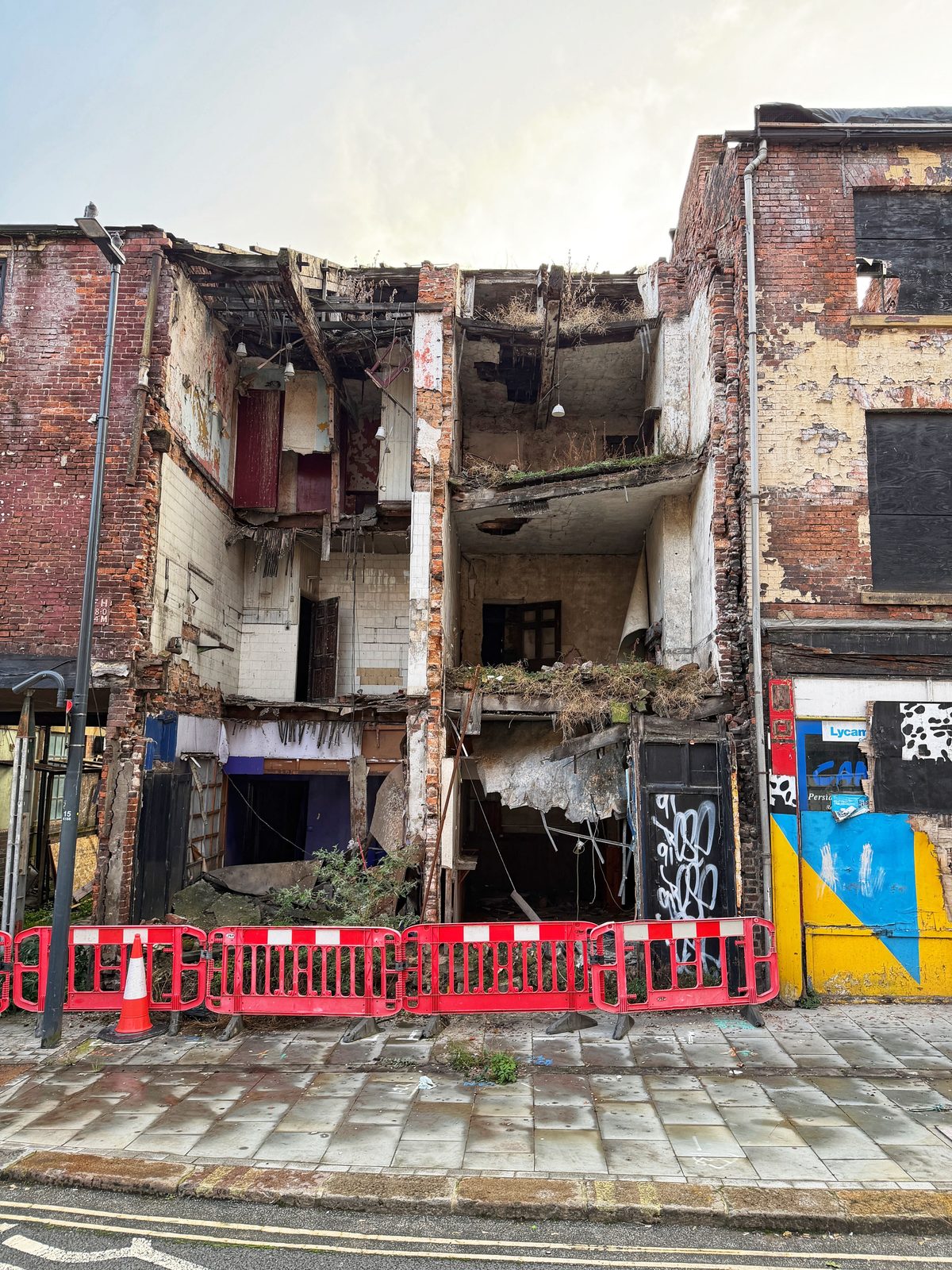
Back in 2024, Lower Kirkgate in Leeds city centre was closed following the partial collapse of a building, leaving one of the city's oldest streets inaccessible.
Since then, the street has remained closed while plans were developed to address the structural issues affecting the buildings.
Now, almost two years after the initial incident, the council has confirmed that a contractor has been appointed to carry out the work.
The buildings are privately owned, but Leeds City Council says it will step in to carry out the stabilisation work to prevent further deterioration and protect the historic properties.
Image: The Hoot Leeds
A spokesperson for Leeds City Council said: “We are pleased that, following months of careful planning and preparation, we are now in a position to begin stabilising these privately owned buildings.
“A contract has been awarded for the work, which is scheduled to get under way later this month and is expected to take around 20 weeks to complete.
“It should be stressed that the situation on Lower Kirkgate is not of the council's making, with the owners of the buildings allowing their condition to deteriorate over many years and then failing to take the necessary steps to address the resultant structural issues.
“By stepping in and carrying out this work itself, the council will be able to arrest the deterioration of important heritage assets on one of Leeds’s oldest streets. As always, we thank the local community for their continued patience and support.”
Further details about the work, including when the street may be able to reopen, have not yet been confirmed.

 Clementine Hall -
21st July 2025