A video of what is believed to be a wallaby has gone viral over the weekend- and nope, it wasn't anywhere near Australia.
Rather a forty miles away from Leeds, right here in Yorkshire.
Spotted in Mosborough, on the outskirts of Sheffield, a post was shared on Facebook stating "Swear to god I've just seen a Kangaroo in Mosborough!! What is this anyone??" - and has since seen hundred of comments flooding across community pages.
The viral post has been shared over 1000 times, with many commenting that the animal looks far more like a wallaby.
Whilst these creatures do make headlines every few years when sighted, it turns out that they're not as rare as you'd think.
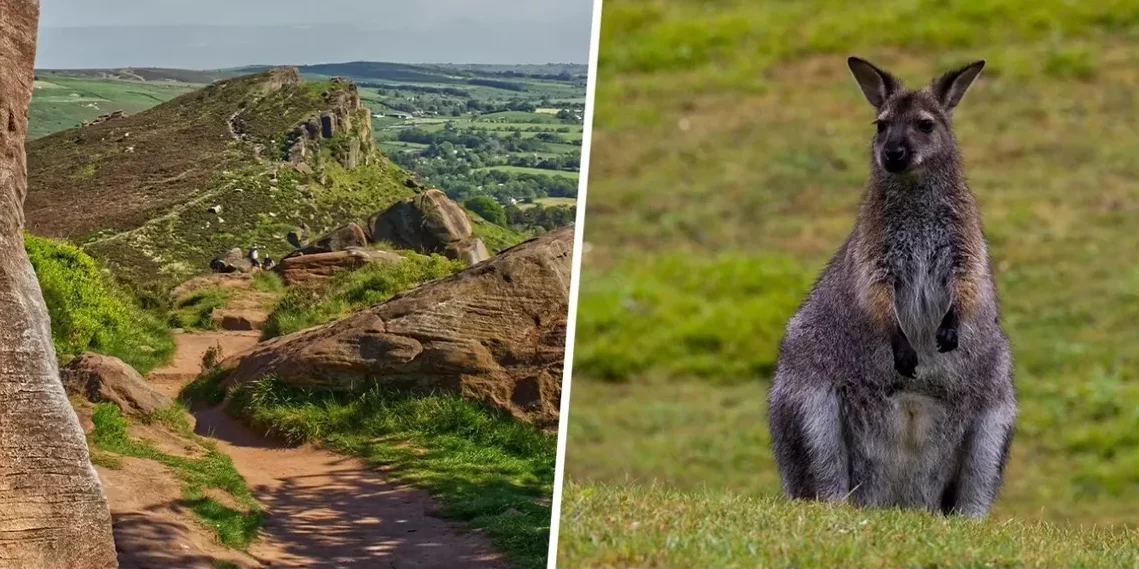
These hopping little macropods, a smaller relative of the kangaroo, used to be seen bouncing around the Peak District.
Although their native home is on the eastern coast of Australia and Tasmania, a small group of Bennett’s wallabies successfully bred and survived in Staffordshire.
Credit: Nicholson Museum
But how on earth did they end up here, half a planet away from their natural habitat?
In 1936 a local landowner, Henry Brocklehurst, introduced five wallabies as part of his private zoo collection.
The creatures were deliberately released during World War Two, along with three Himalayan yak.
Against the odds, the wallabies thrived.
At the peak of their existence here in the north west, there were around 50 in the colony, though one particularly bleak winter in 1963 is understood to have halved their population (one local recalled seeing ‘several bodies as the snowdrifts melted’).
In the Facebook group Roaches Appreciation Society, Clare said: “I saw one at the Roaches skyline in the early ‘90s. It sat watching us climbing with its head poking out of the bracken. Then it bounded off. Much to the bemusement of my King Charles spaniel.”
By the 2000s, most locals believed there were only two wallabies left – a mother and daughter, both white-faced.
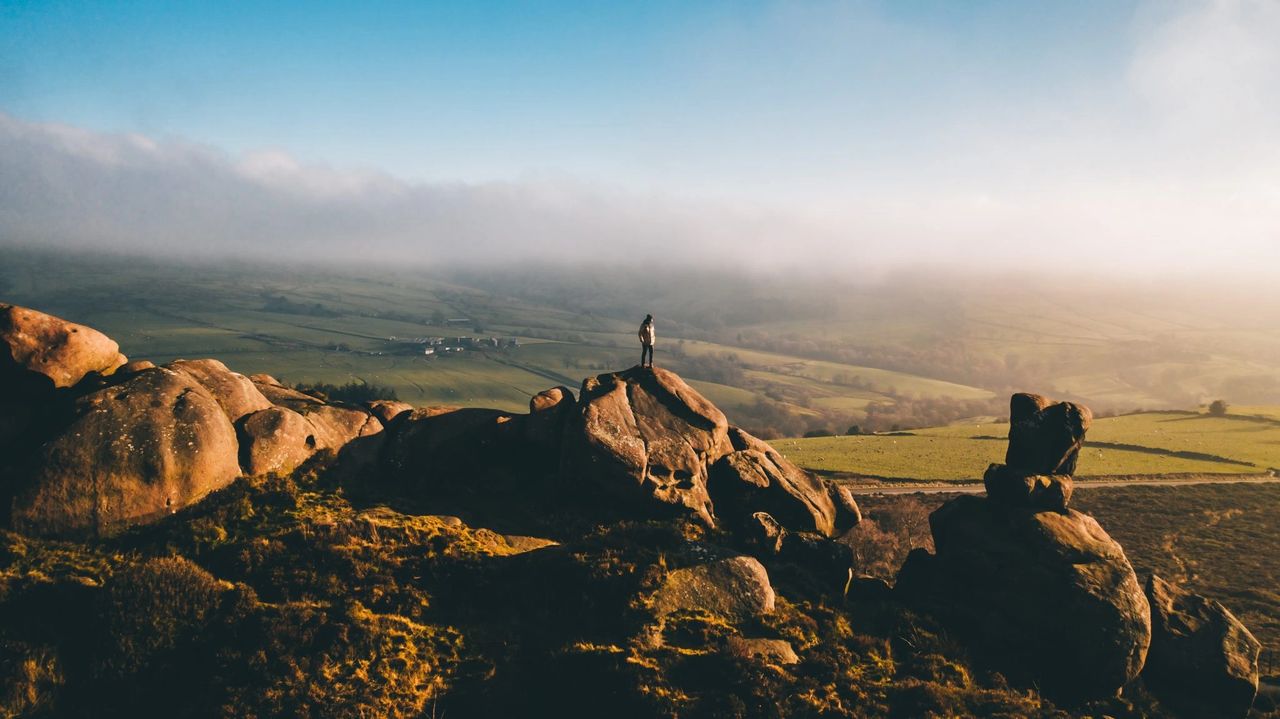
The Roaches. Credit: Unsplash, Nirmal Rajendharkumar
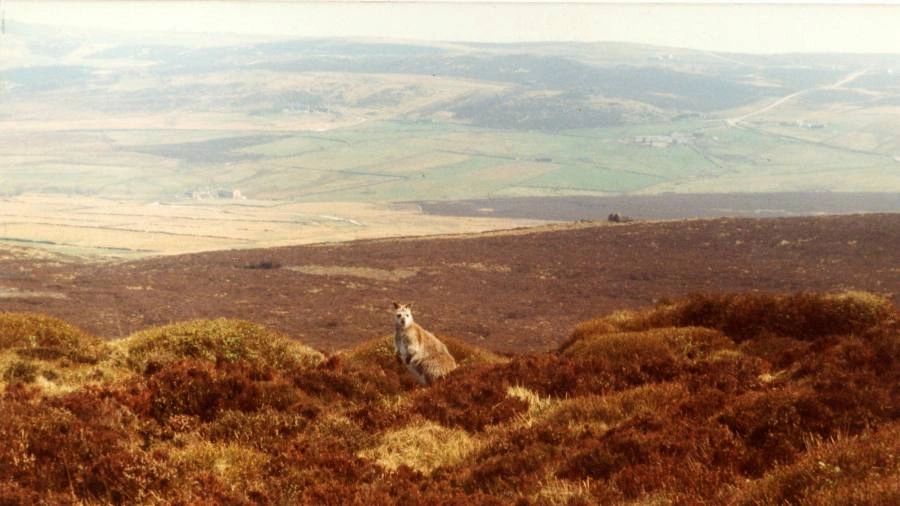
Beside this recent claim, the last confirmed sighting was back in 2009, with undeniable footage showing one of the wallabies bounding through the heather near The Roaches.
Sadly, it’s thought that the snowy weather in the winter of 2010 may have finally pushed the colony into extinction.
There have been plenty more submissions of sightings – though none with photos or videos – in the years since,all listed here.
Another sighting was in 2017 near the Wild Boar Inn in Wincle, where one person shared a photo of a ‘creature’ that they were ‘fairly certain’ was a wallaby.
When the Financial Times mentioned that sighting to Dr Anthony Caravaggi, a lecturer in conservation biology at the University of South Wales, he replied: “I have no doubt in my mind that that one was a cat.”
Dr Caravaggi published a paper on red-necked wallabies in the UK, which recorded 95 verified sightings in the 10 years leading up to 2018. He’s pretty certain the Peak District wallaby colony is extinct.
A leading expert in the field, who sadly died in 2013, was Dr Derek Yalden.
He found droppings in 2009, but nothing since.
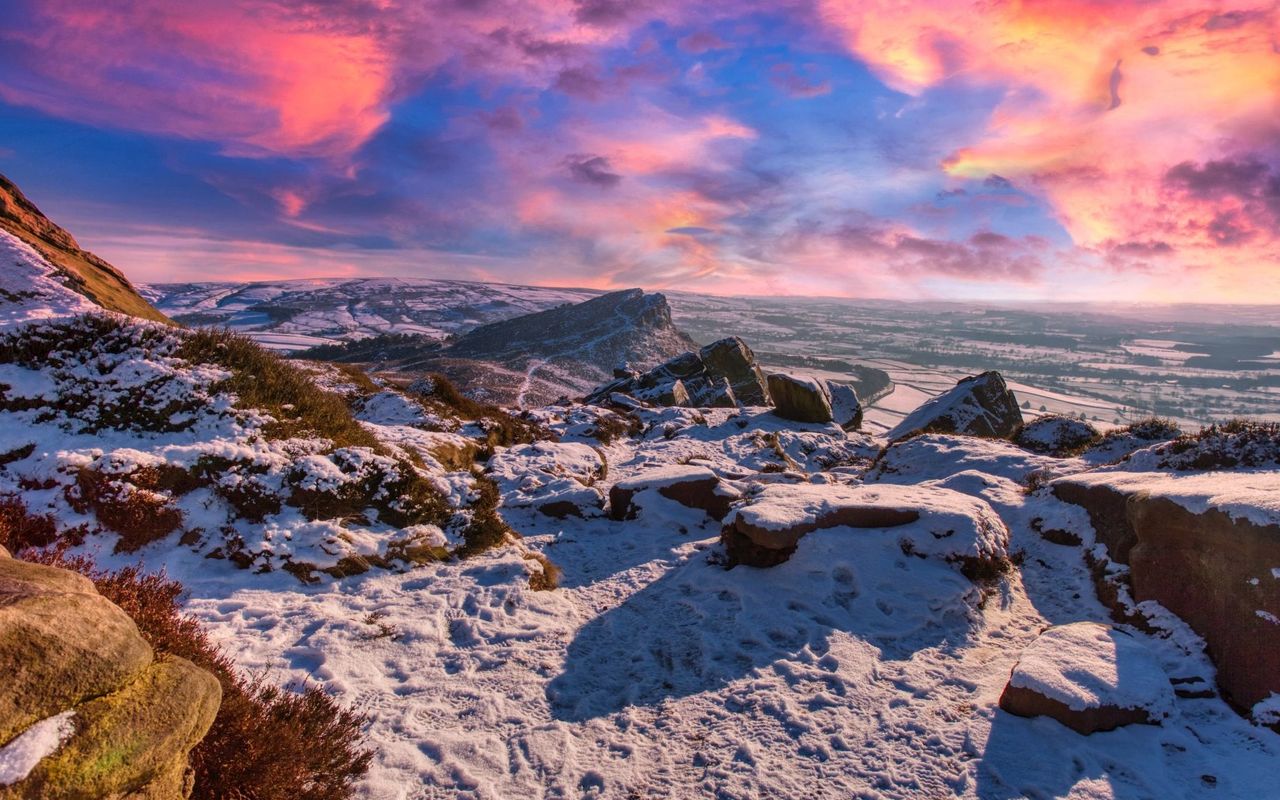
Extreme snow in 2010 may have ended the wallabies’ roam at The Roaches. Credit: Unsplash, ian kelsall
He wrote in a letter to Roaches.org.uk: “I think they ran out of decent food. However, accidental deaths, on the roads, falling over cliffs and (especially in 1962-63 and 1979) severe winters also took a toll.
“Why should a wallaby venture onto the roads, or jump over a cliff? Probably because a certain section of the public seemed to respond to a sighting with “let’s chase it”, or their dog did.
“They always were very timid, and I watched them panic both to thunder and to the terrifying sight of a sheep arriving.”
There is one place to get a guaranteed wallaby sighting, but don’t expect much in the way of hopping.
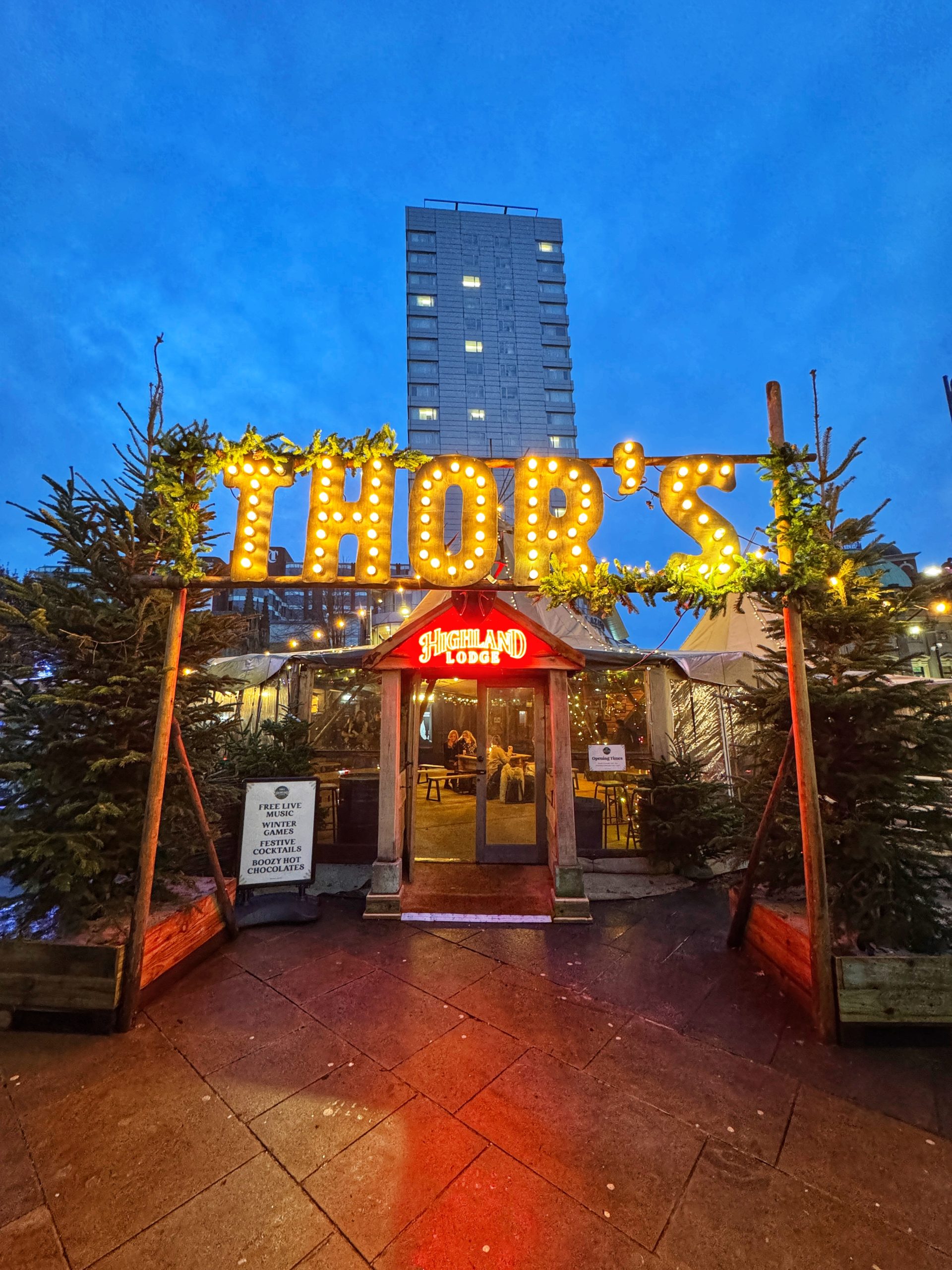
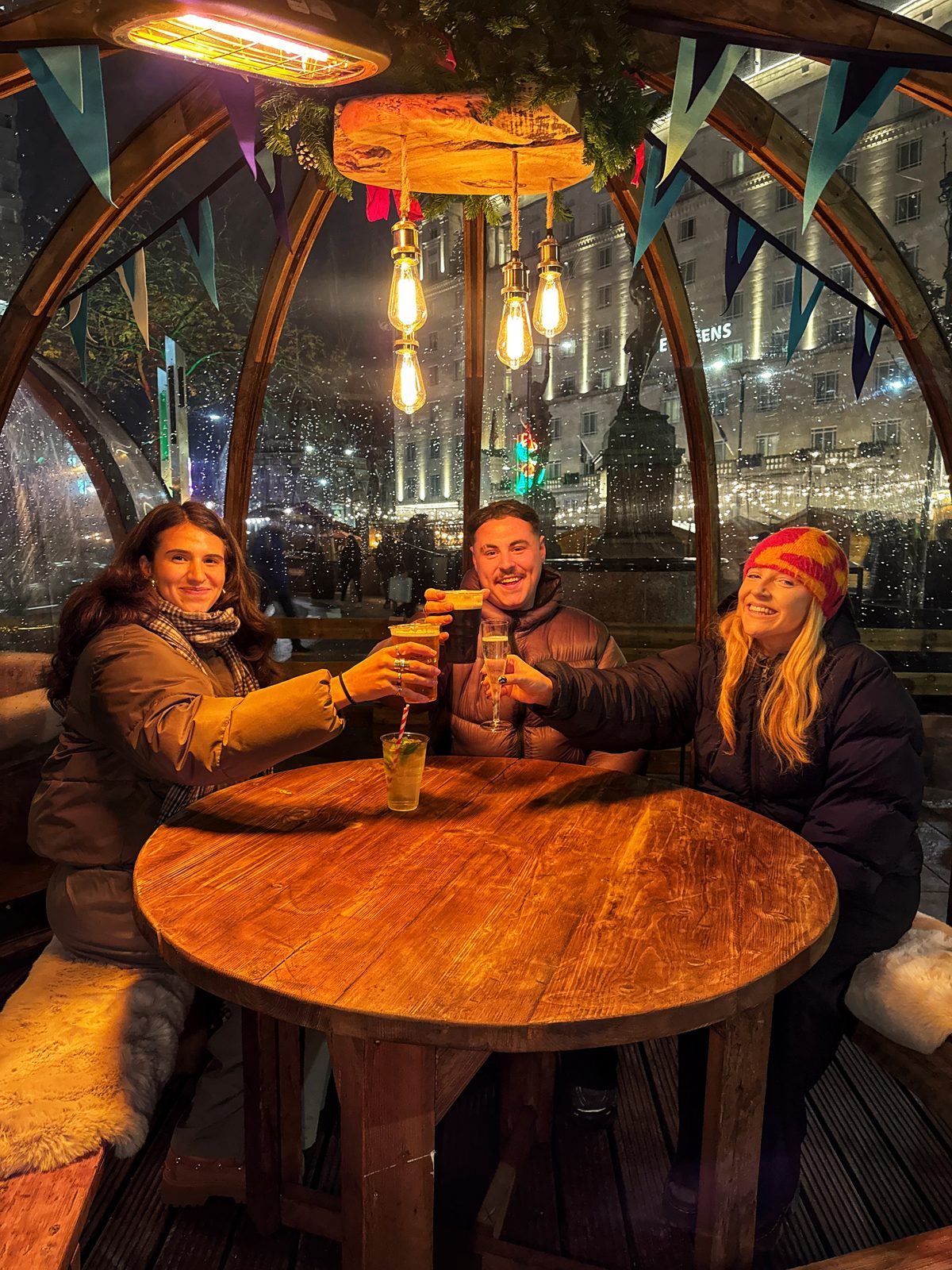
The Leeds Christmas Markets are officially open, and there's two new bars to cheers to.
In case you haven't seen or wondered through City Square recently...the Leeds Christmas Markets are back.
And this year, they look a little bit different.
And that's because the owners of Thor's Tipi are running the festivities, and we've got to say they've done a cracking job.
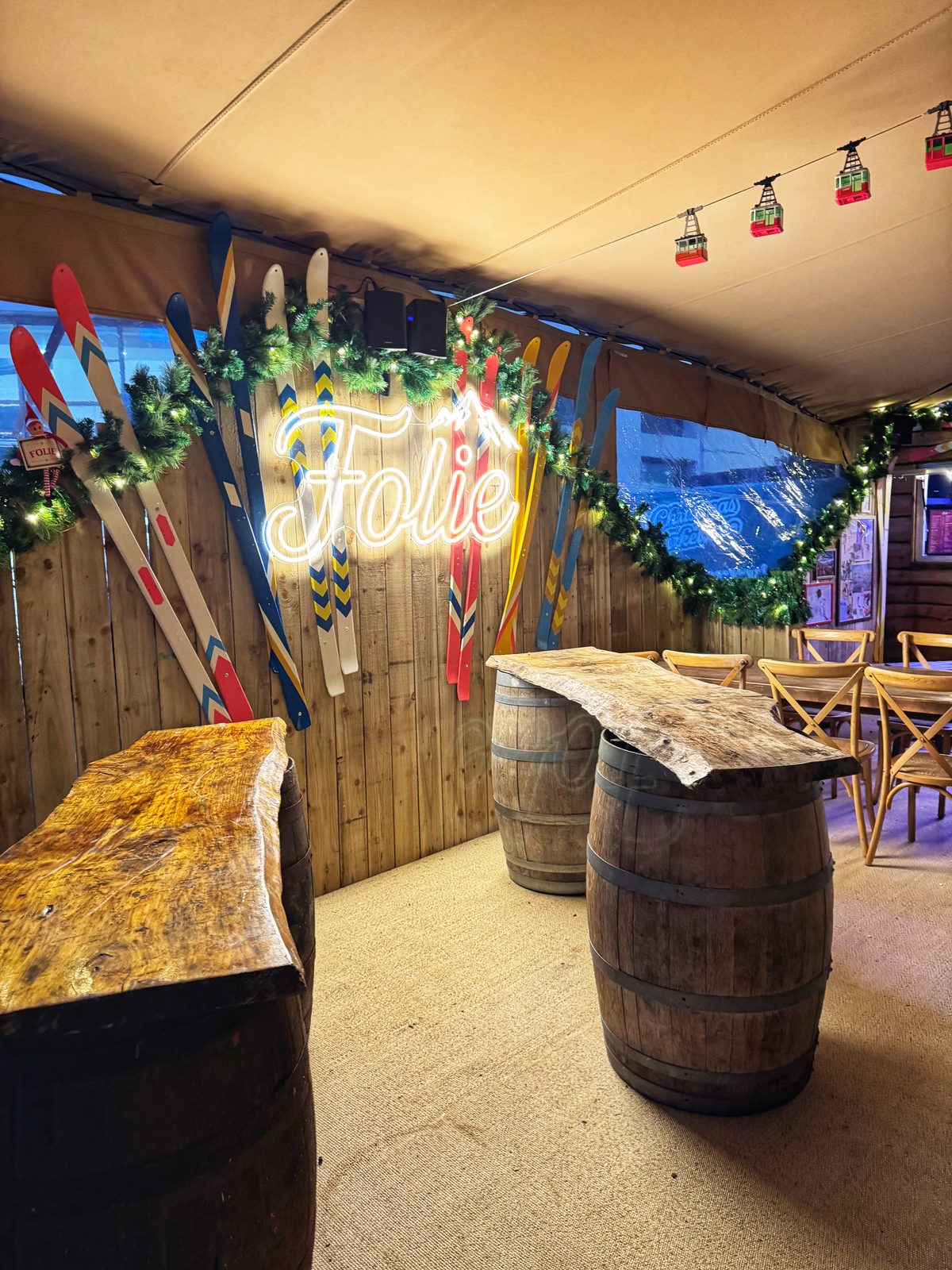
Completely new for this year, the market has introduced two new bars with two different themes - a Scottish Highland Lodge and a Folie Ski Bar.
Images The Hoot Leeds
The Highland Lodge is the perfect space to escape the cold and get cosy round the fire.
Designed to welcome large groups, the lodge can fit up to 280 guests inside and a further 100 outside, whilst the drinks menu features Highland favourites including Scottish beers and ales, a selection of whisky and even Iron-Bru.
You might leave here smelling a bit smokey, but it's definitely worth it.
Images: The Hoot Leeds
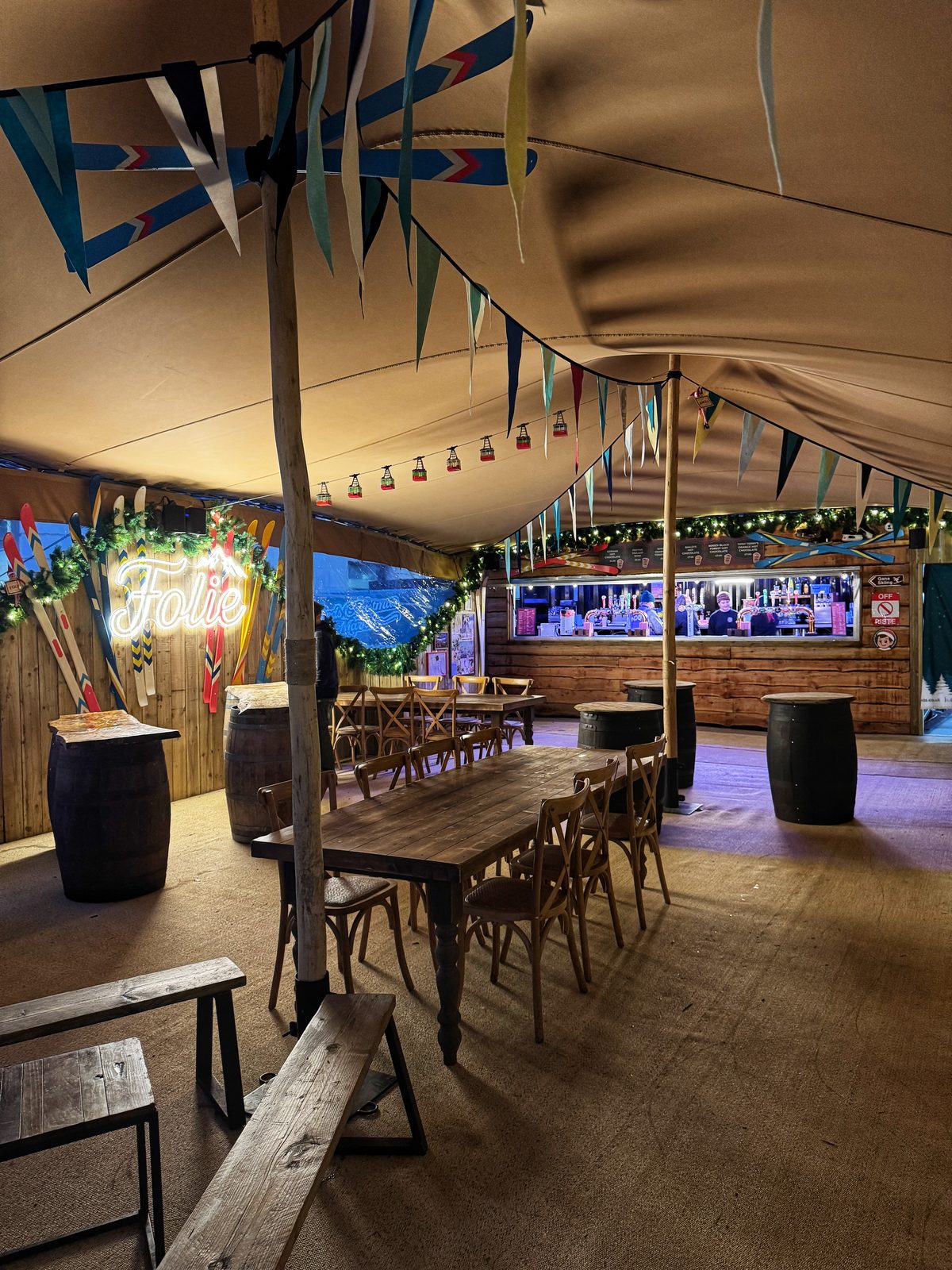
Just across the way at the Folie Ski Bar on Quebec Street, expect a relaxed festive retreat with the feel of an alpine chalet, complete with rustic wood detailing, fairy lights, faux fur throws and roaring fires.
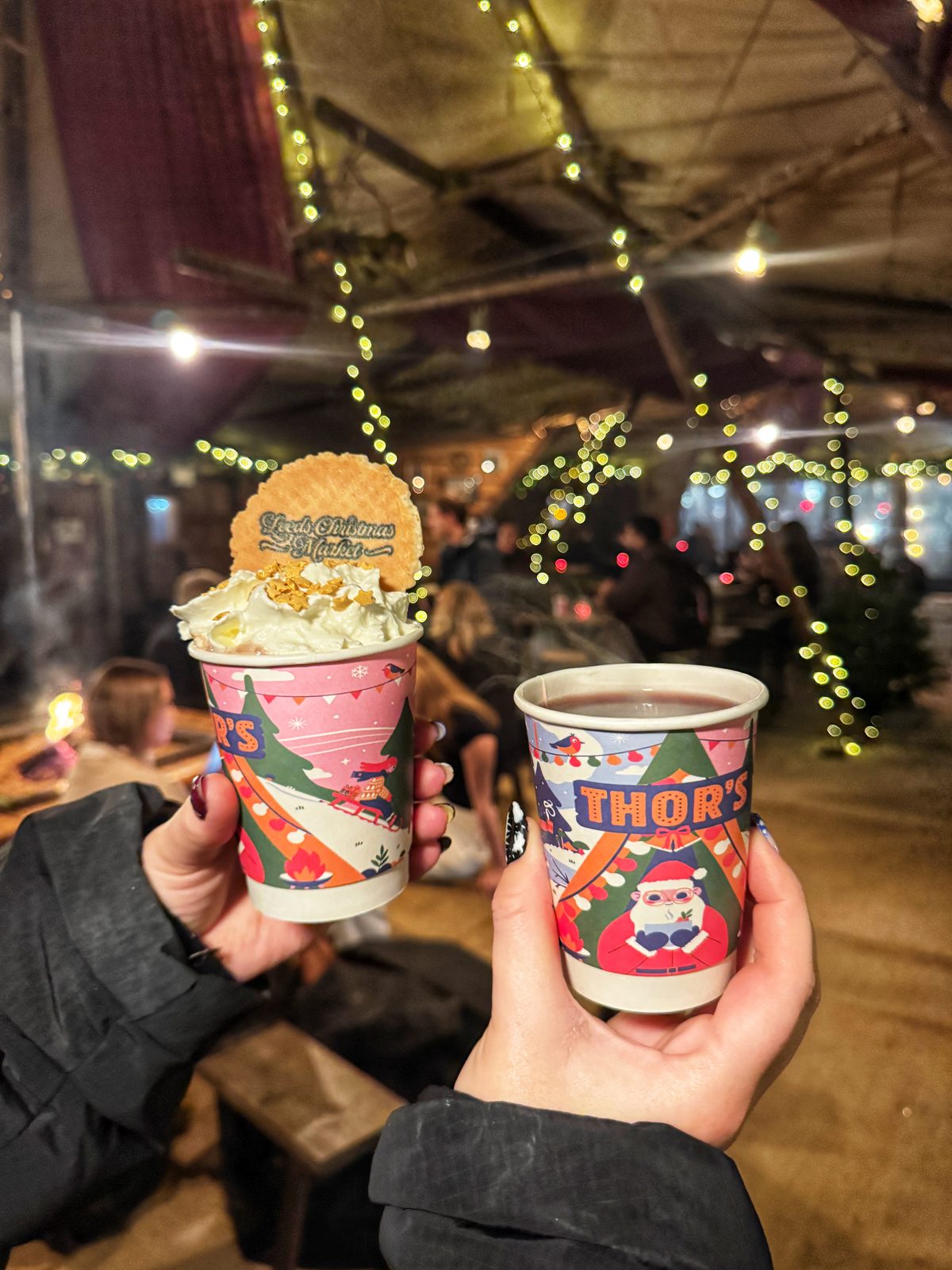
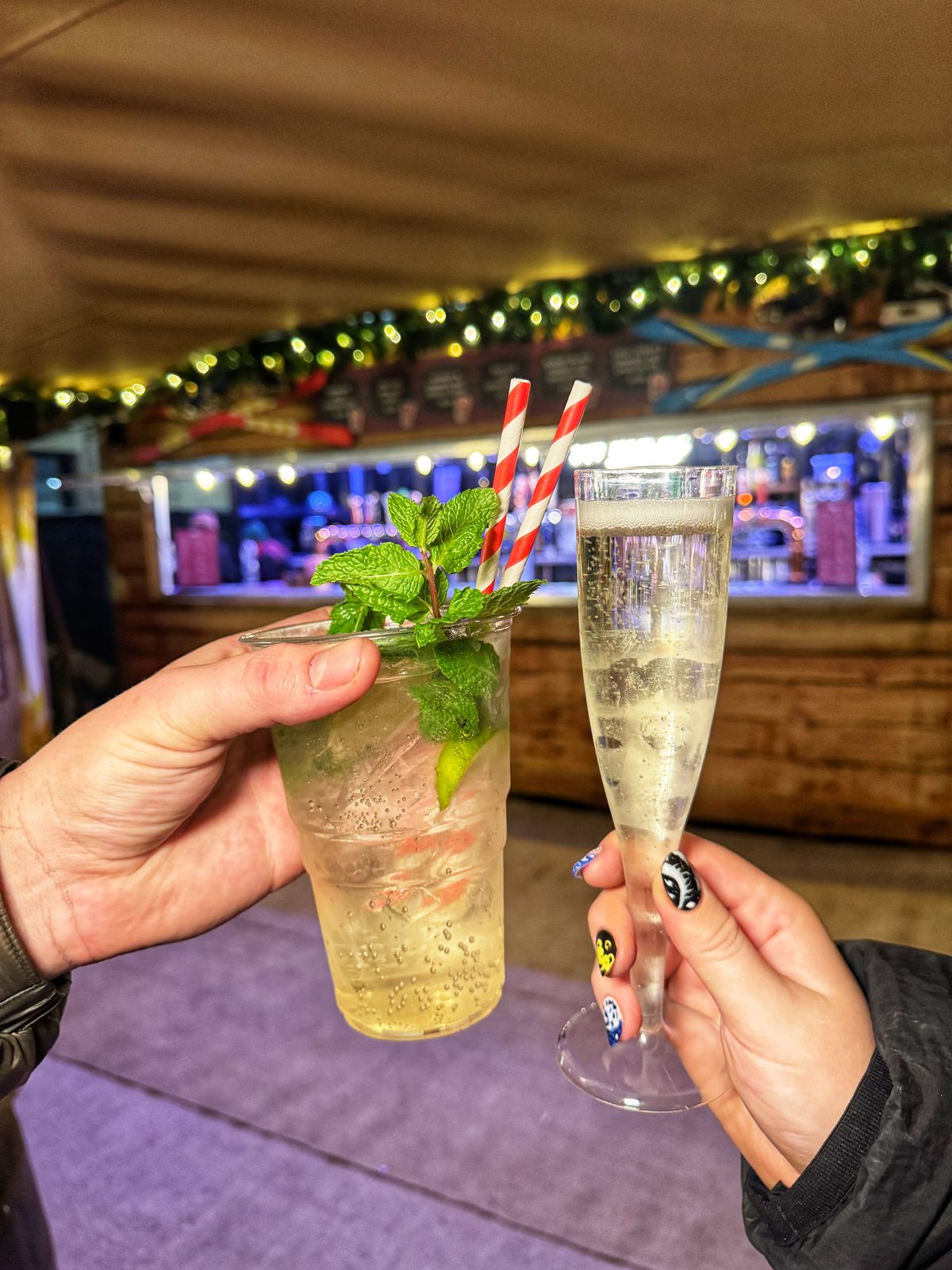
This bar can accommodate 180 guests inside and 50 outside, serving mulled wine, boozy hot chocolates, Kirkstall Brewery beers and a selection of low and no-alcohol drinks.
THORS’s director, Amanda Monaghan said: “We’re excited to bring two new bar experiences to Leeds Christmas market this year. Having hosted THOR’s tipi in the city for many years, we’ve had plenty of practice creating festive spaces and entertainment, so we know what customers love.
Image: The Hoot Leeds
“We’ve listened to lots of feedback on what people would like to see at the market and we want to make sure we give visitors and residents of Leeds plenty of reasons to stay with us long after they’ve finished their shopping or a day at the office.
“The new venues have been created to cater for all ages and tastes and will be perfect for passing visitors, after work drinks or planned Christmas get-togethers. From the lively Scottish spirit of Highland Lodge to the cosy alpine atmosphere at Folie, there’s going to be a spot for everyone to settle in and enjoy drinks by the fire and plenty of festive fun.”
This historic mill in Yorkshire is home to the biggest David Hockney collection in the world
Lydia Mastrolonardo
Rally your creative friends and head on over to Salts Mill for this spectacularly wholesome day trip.
David Hockney - in case you have been living under a rock - is an exceptionally celebrated artist for his lifetime’s contribution to art and is an inspiration for many younger generations.
Having gained numerous prestigious international awards, honours, and lifetime achievements throughout his career - upon admiring his works, it is clear to see why.
Images: The Hoot Leeds
As we recently discovered, Hockney has a pretty special home for his work right here in West Yorkshire, inside the stunning historic Salts Mill, in Saltaire.
Salts Mill opened for textile production in 1853, before being reimagined in 1987 into a place of culture. The mill now houses an incredible collection of art, shops, restaurants and cafes, including a pretty hefty collection of David Hockney’s art.
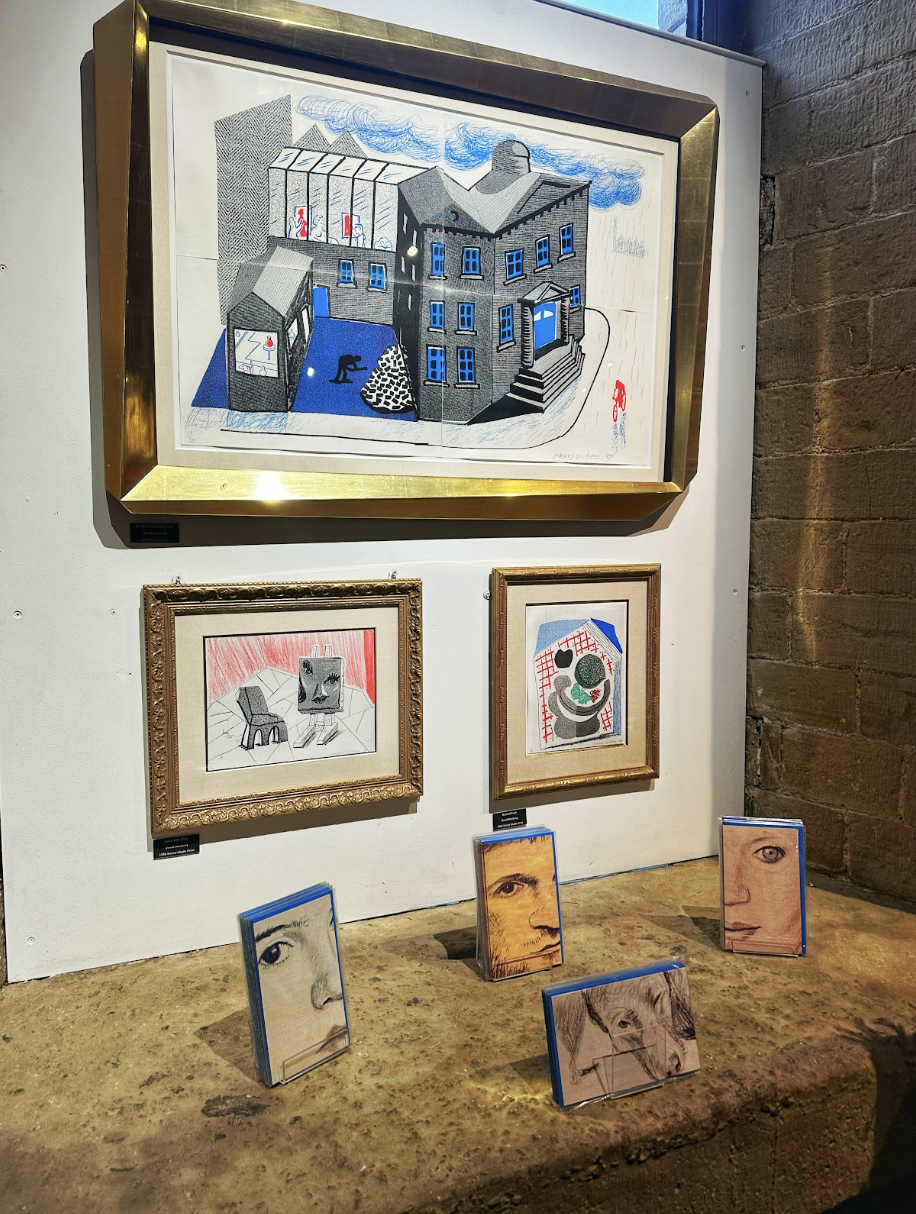
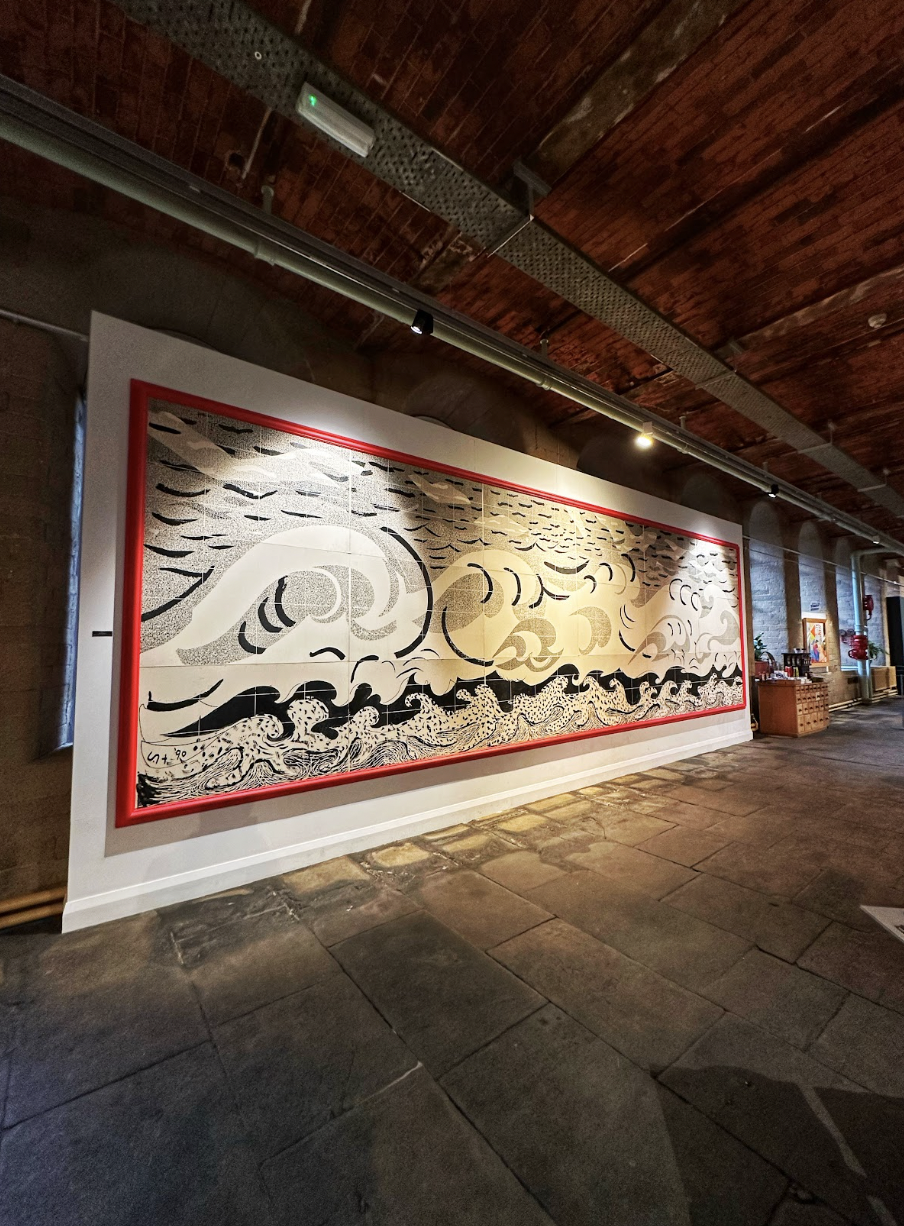
Inside The 1853 Gallery, is the world’s largest collection of his work, which is named after the year that the mill opened.
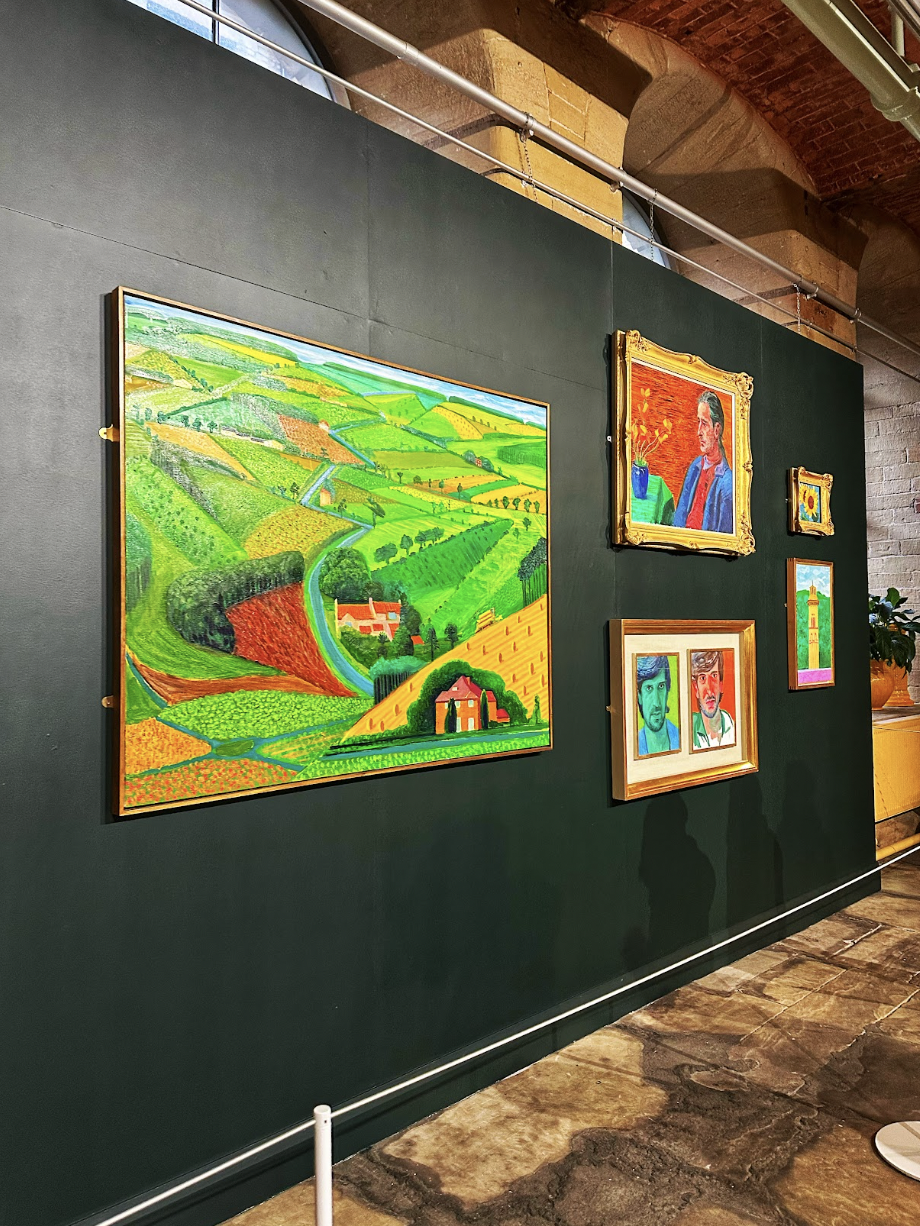
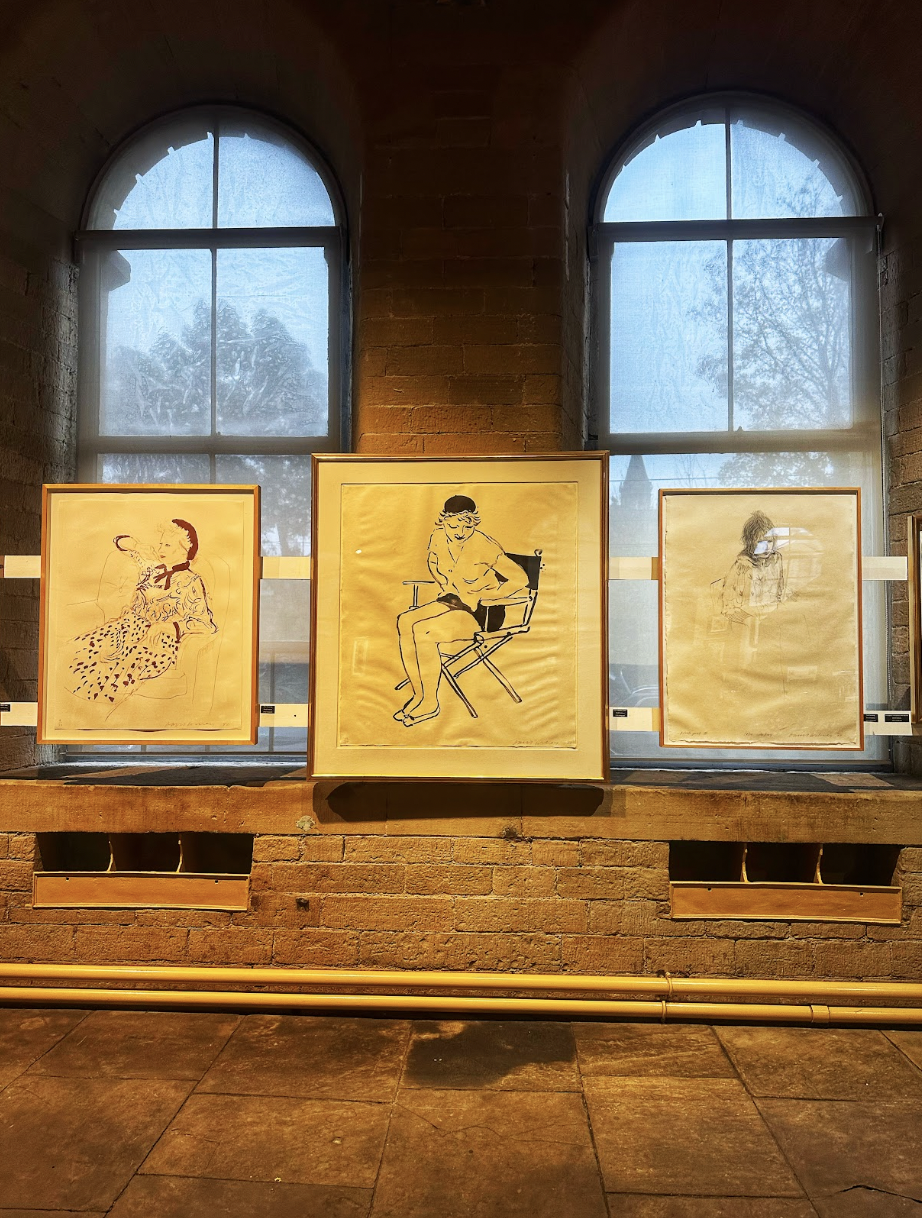
From his famous Yorkshire scenes to vibrant paintings, iconic drawings, etchings, prints, and grand displays, there’s plenty to catch your eye as you wander through the space.
Images: The Hoot Leeds
This exhibition is a brilliant homage to David Hockney, celebrating his unmistakable use of colour, love of landscapes and ever-evolving artistic style.
There is then a current exhibition, showcasing his collection 20 Flowers for 2025 And Some Bigger Pictures, featuring a series of iPad flower paintings and large-scale landscape and abstract works. This display is also FREE admission and running until Sunday 3 January 2027.
As David Hockney’s art wasn’t reason enough to visit - Saltaire itself became a UNESCO World Heritage Site in 2001, as an example of a mid 19th century industrial town and is well worth having a wander around.
Go on, make a day of it. Get off your phones and go and absorb some culture.

 The Hoot -
23rd January 2023