Thor’s Cave is one of the Peak District’s most impressive structures – and the river that flows nearby has its own stories too.
When people think of caves in the Peak District, their minds will turn to the world-famous tourist hotspots Blue John Cavern and its neighbours in Castleton.
But there’s a mighty cave, down on the Staffordshire side of the Peak District, that’s often overlooked.
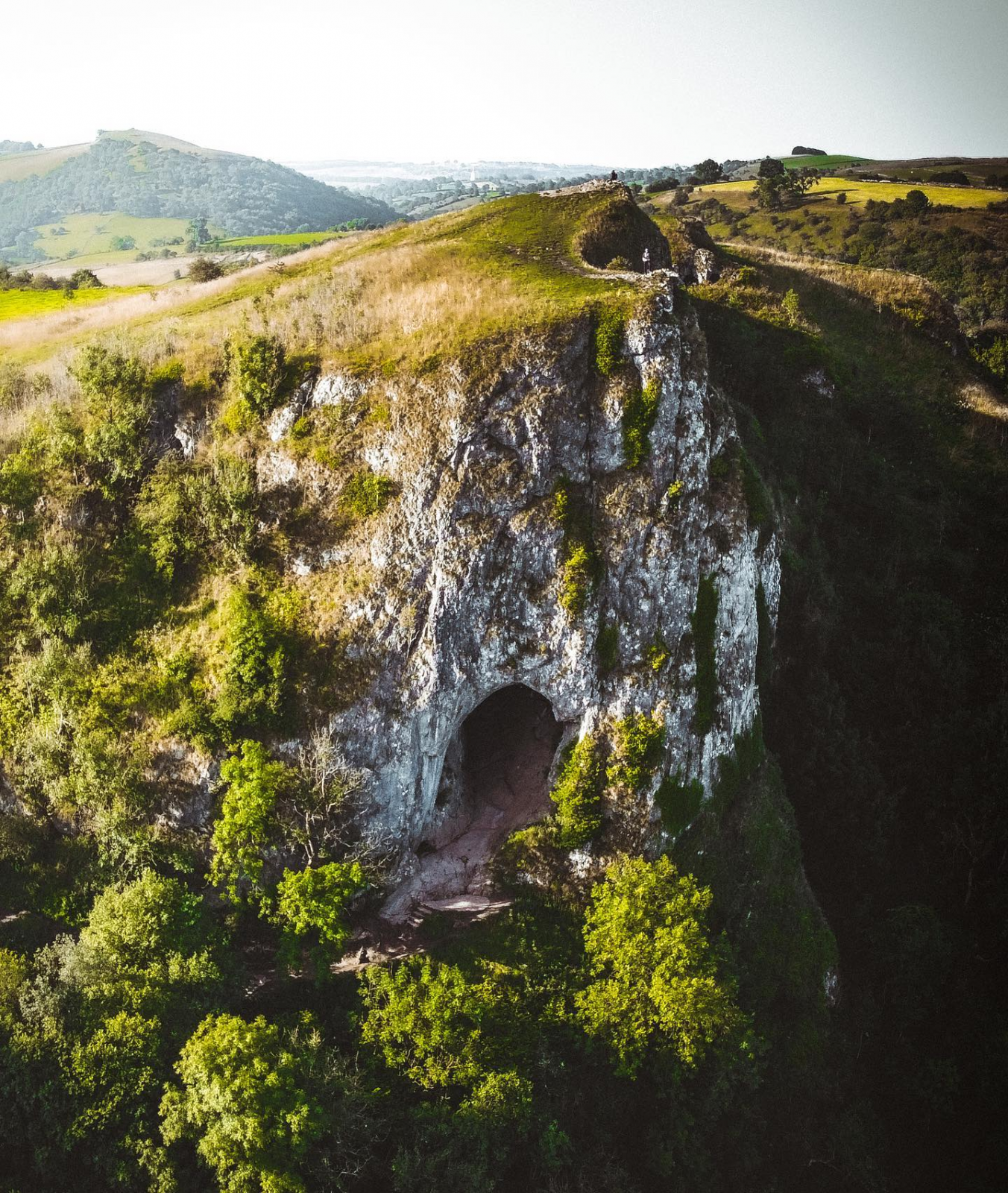
This is Thor’s Cave, a huge natural cavern located in a steep limestone crag.
Its structure dominates the horizon, but it’s the view from inside the cave itself that makes this well worth the drive.
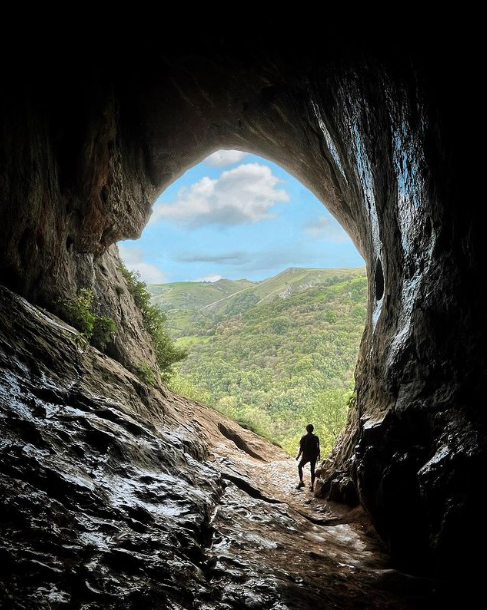
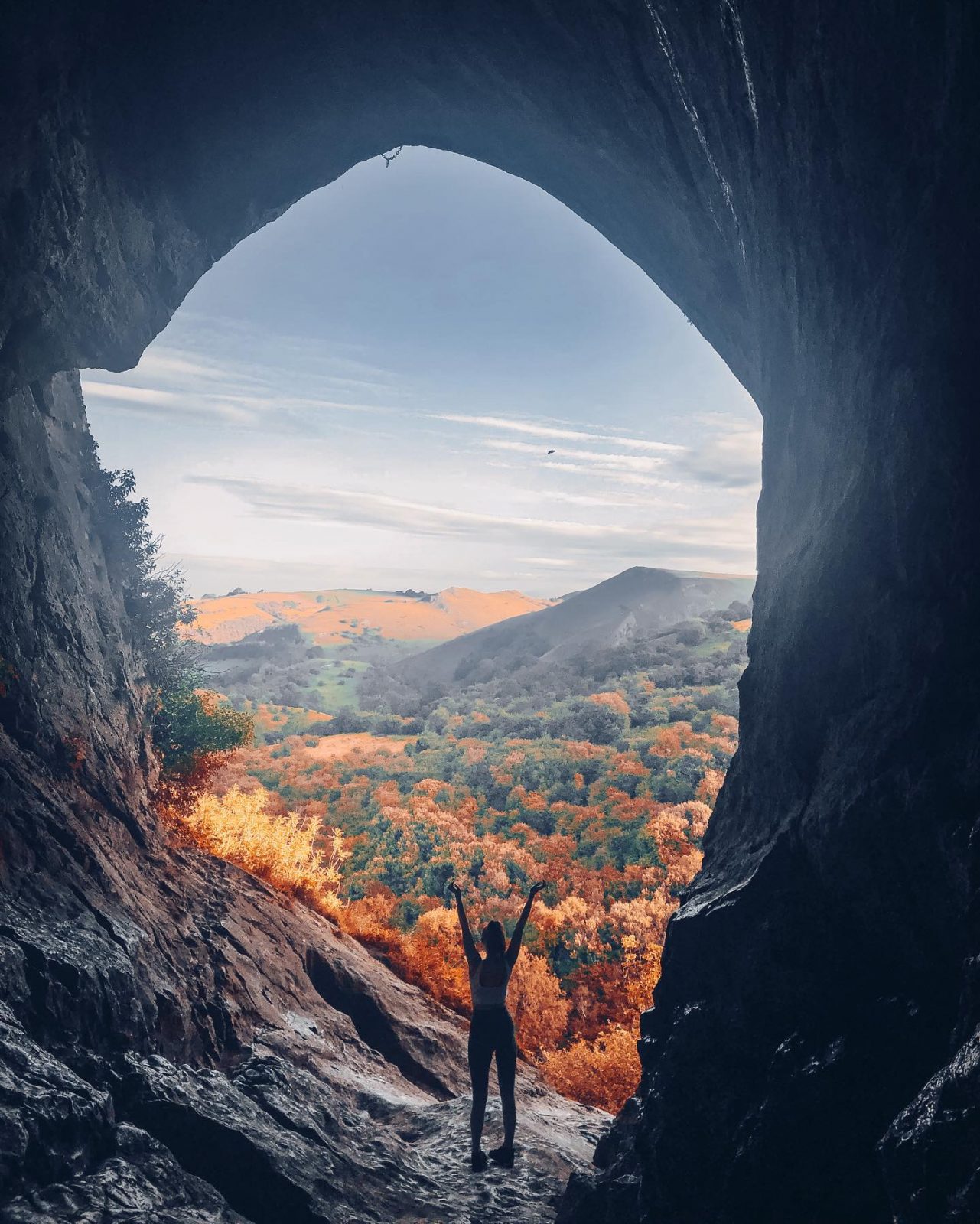
Once you scramble into Thor’s Cave – and the rocks can be icerink-slippy, so take care – its limestone walls create a picture frame looking over the Manifold Valley.
Image: Instagram @jennieclaydon
Thor’s Cave is in the Staffordshire side of the Peaks, a little further afield than some parts of this beloved national park.
It’s around an two hour drive from Leeds itself to the village of Wetton, or less if you live on the south side of the region.
But it’s well worth the trip.
It’s believed that this ancient structure was occupied by early humans in the Palaeolithic period, after remains, tools, pottery and bronze items were found here by archaeologists.
If you’re thinking the cave looks familiar too, you might recognise it as the cover image of The Verve’s debut album, A Storm in Heaven, and from their music video for Blue.
A 7.5km circular walk from Wetton village will take you all along the course of the River Manifold and pass by Thor’s Cave, and other caves in the valley.
Image: Instagram @ aurimaskan
The river itself has been nicknamed the ‘disappearing river’, for good reason.
Unless there’s been particularly wet weather, the river vanishes around Wetton Mill and doesn’t reappear until Ilam Hall, about six kilometres away.
It’s all down to the limestone riverbed, which is pockmarked with sinkholes and underground channels and caves.
In dry weather you can walk along the empty riverbed, knowing that the River Manifold is still flowing way beneath your feet.
And when you’re all walked out, you can settle down for a pint and a pie at the traditional country pub, the Royal Oak.
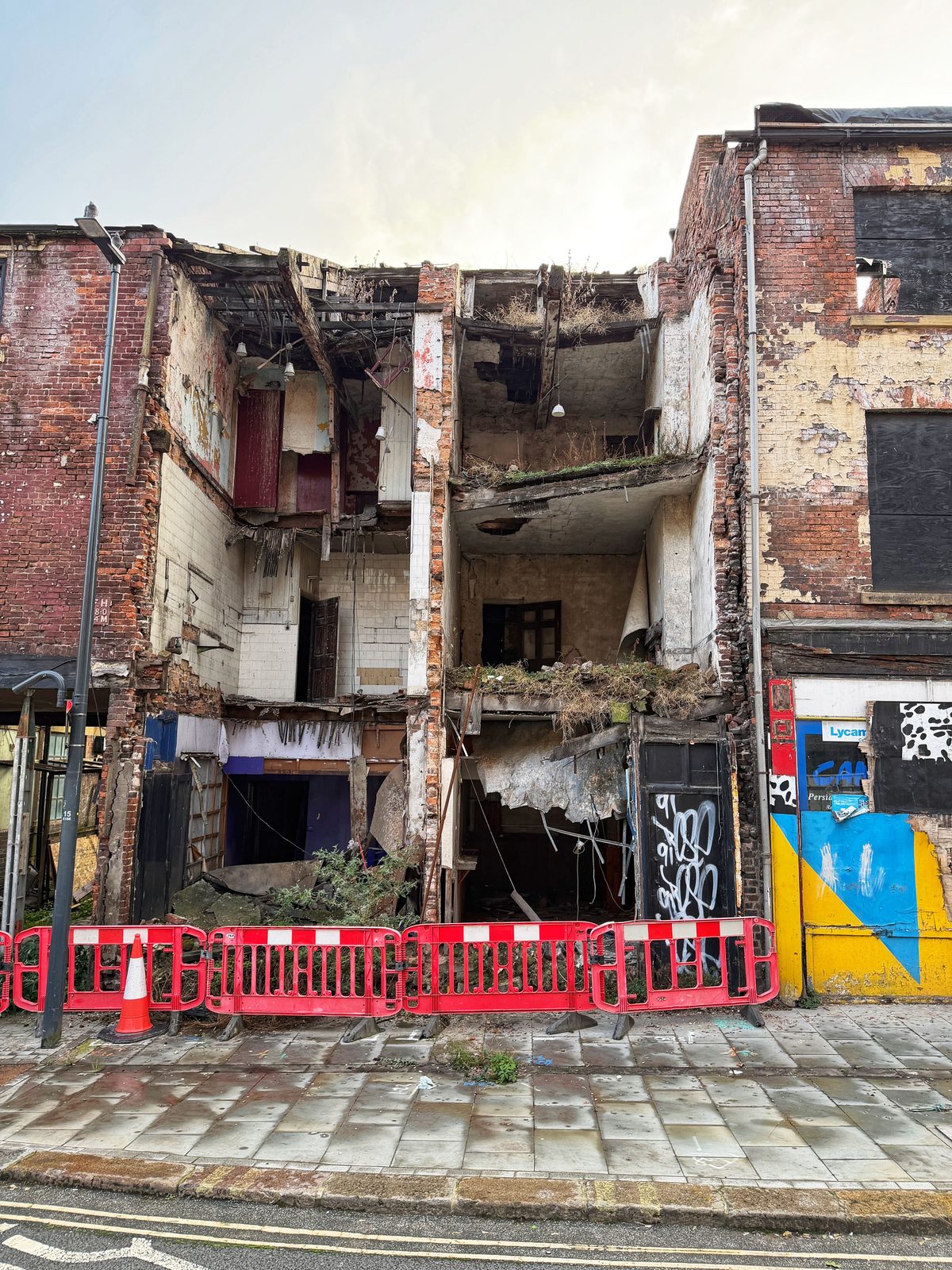
Leeds City Council has confirmed that work to stabilise buildings on Lower Kirkgate is set to begin later this month, with repairs expected to take around 20 weeks to complete.
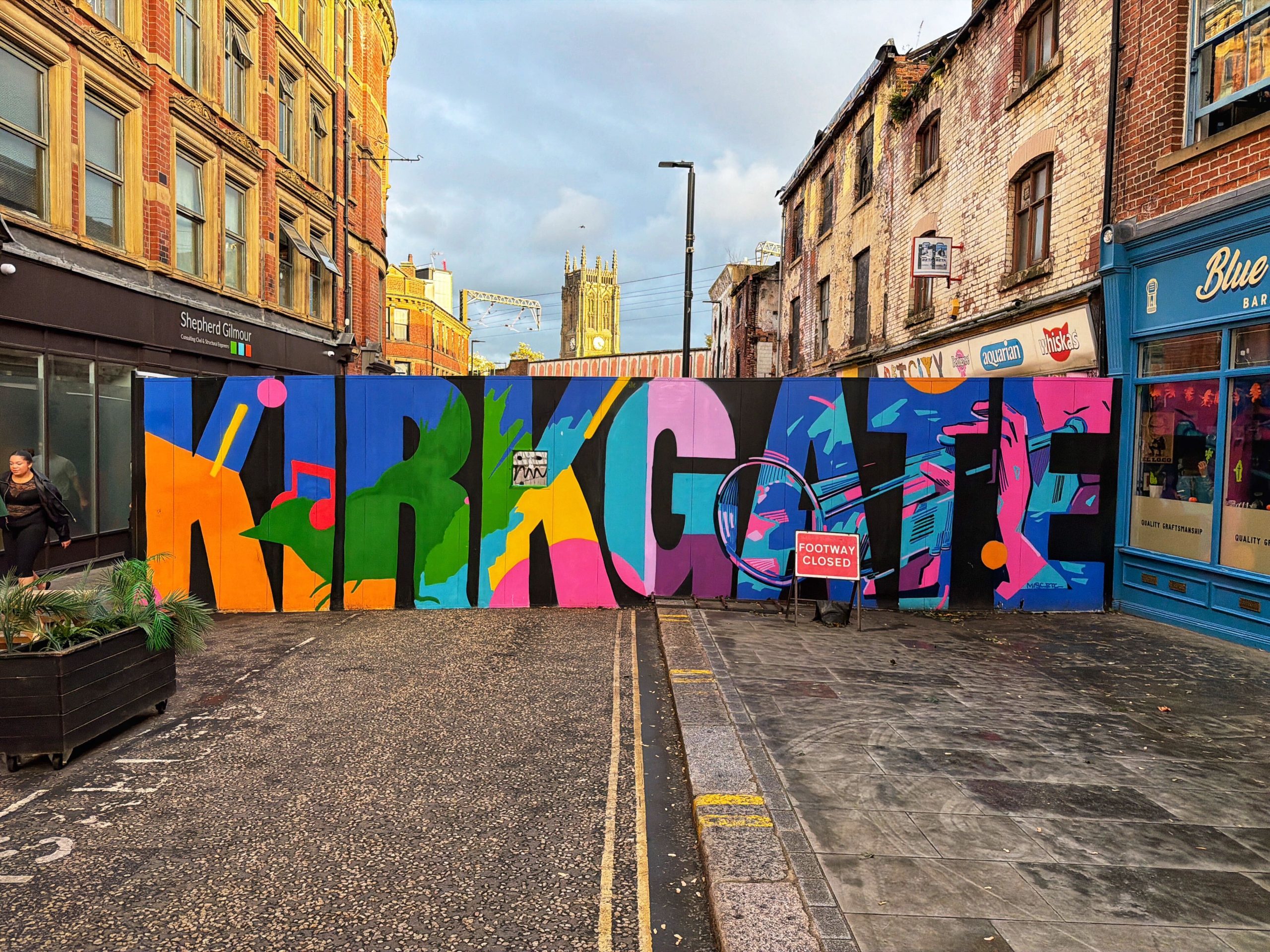
Back in 2024, Lower Kirkgate in Leeds city centre was closed following the partial collapse of a building, leaving one of the city's oldest streets inaccessible.
Since then, the street has remained closed while plans were developed to address the structural issues affecting the buildings.
Now, almost two years after the initial incident, the council has confirmed that a contractor has been appointed to carry out the work.
The buildings are privately owned, but Leeds City Council says it will step in to carry out the stabilisation work to prevent further deterioration and protect the historic properties.
Image: The Hoot Leeds
A spokesperson for Leeds City Council said: “We are pleased that, following months of careful planning and preparation, we are now in a position to begin stabilising these privately owned buildings.
“A contract has been awarded for the work, which is scheduled to get under way later this month and is expected to take around 20 weeks to complete.
“It should be stressed that the situation on Lower Kirkgate is not of the council's making, with the owners of the buildings allowing their condition to deteriorate over many years and then failing to take the necessary steps to address the resultant structural issues.
“By stepping in and carrying out this work itself, the council will be able to arrest the deterioration of important heritage assets on one of Leeds’s oldest streets. As always, we thank the local community for their continued patience and support.”
Further details about the work, including when the street may be able to reopen, have not yet been confirmed.
Canadian rock legends Nickelback announce Leeds gig on huge world arena tour
Clementine Hall
Nickelback announce world arena tour in support of their new album - and they're coming to Leeds.
The Canadian rockers will be bringing their biggest hits as well brand-new music to arenas around the world.
Formed in Hanna, Alberta, the band made up of Chad Kroeger, Ryan Peake, Mike Kroeger and Daniel Adair, have sold nearly 65 million albums worldwide.
Best known for rock anthems including Rockstar, Photograph and How You Remind Me, Nickelback have built up a huge global following over the course of their career.
The upcoming tour will see the band celebrate their new album, Everything Under The Sun, and they'll be kicking off the UK leg of the tour right here in Leeds at the First Direct Bank Arena.
The tour follows their record-setting Get Rollin' world tour, and will once again take them to venues across North America, Europe, and Australia.
The group have sold nearly 65 million albums worldwide, and achieved billions of streams across digital platforms.
Their new album will be released at the end of the month on Friday 30 October, so you'll have plenty of time to get to know their new tracks before they come to Leeds on Saturday 22 May 2027.
They'll be supported on the tour by Don Broco, an English four-piece featuring Rob Damiani, Simon Delaney, Tom Doyle and Matt Donnelly. Known for their genre-defying sound and dynamic approach to modern rock.
Nickelback 2027 UK Tour Dates in full
22 May - Leeds First Direct Bank Arena
24 May - London The O2
28 May - Birmingham Utility Arena
1 June - Glasgow Ovo Hydro
2 June - Manchester Co-op Live
Tickets for Nickelback at the Leeds First Direct Arena go on sale next Friday 16 October and you can get yours HERE.

 Daisy Jackson -
5th July 2024
Daisy Jackson -
5th July 2024