Thinking of moving to Leeds and not sure which place to set up camp?
There’s Roundhay, with it’s park and fancy houses, if you happen to earn a six-figure income. Or Hyde Park, if you don’t mind living next door to nocturnal students from the Home Counties.
But if you’re looking for the perfect mixture of chill and vibrant, you’ll be hard pressed to find a better spot than Chapel Allerton.
Don’t believe me? The Sunday Times recently heralded CA as one the best places to live.
The guide, released in March, selected villages, towns and cities based on schools, transport, air quality and broadband speeds on top of green spaces and high streets. Judges also picked improving areas with strong, self-supporting communities.
And it turns out little old Chapel Allerton fit the criteria.
The guide said: “A well supported independent high street — with a fishmonger, bookshop, cheese shop and much more — and an inspiring and imaginative community group, CA Spaces, make this urban village our favourite corner of Leeds.”
The judges added they were, “particularly impressed with the efforts of CA Spaces — mostly run by young mums juggling work and homeschooling — to beautify the area, including street art, tree planting and creating pick-your-own veg beds and a ‘mud kitchen’ for children in a patch of neglected woodland.”
Three miles north of Leeds city centre, Chapel Allerton is an ideal place to live independently or raise a family.
That is, if you can afford it. Figures by Rightmove showed that in 2020, the average house price in Chapel Allerton was £262,839. For scale, the Leeds average is £216,392.
Why the hike? Real estate experts put it down to the demand brought on by a class reputation for community.
Chapel Allerton
Mark Whincup, Territory Operator for Leeds at Purplebricks, said: “Chapel Allerton has a long list of desirable features.
“Its bustling centre boasts several boutique bars and restaurants, it is within commuting distance of Leeds and has good transport links too.
“It is family-friendly with excellent schools and is close to great local parks.
“But I think what truly sets Chapel Allerton apart is that it has a real community feel.”
Chapel Allerton is a bit of an anomaly in that it caters to both “big” shops like Aldi and independent ones and neither turfs out the other, unlike almost every town in the UK. The residents seem to distribute their custom to both sides and stop CA from becoming a vacant passing-visit supermarket spot.
“Alongside this,” Mark added, “you’ve got great sports facilities like the Tennis and Squash Club, which sits at the back of a fantastic pub called The Mustard Pot, one of many great bars and restaurants in the area.
“If you go to the other side you have the lovely walks of Gledhow Woods and it isn’t too far to get to Roundhay Park.
Chapel Allerton is, of course, also home to the annual Leeds West Indian Carnival. The longest-running of its sort in Europe. Even longer than London’s Notting Hill Carnival. I’m serious.
The pubs and restaurants are second to none, as are the schools. These are clichés you hear about every town under the sun but with Chapel Allerton, they really are true. If you somehow find yourself getting tired of the wholesomeness and banging amenities, the city centre is only a short journey away.
It’s this novel experience that keeps attracting people from all walks of life. Once everything fully fully opens, do yourself a favour and have a gander.
News
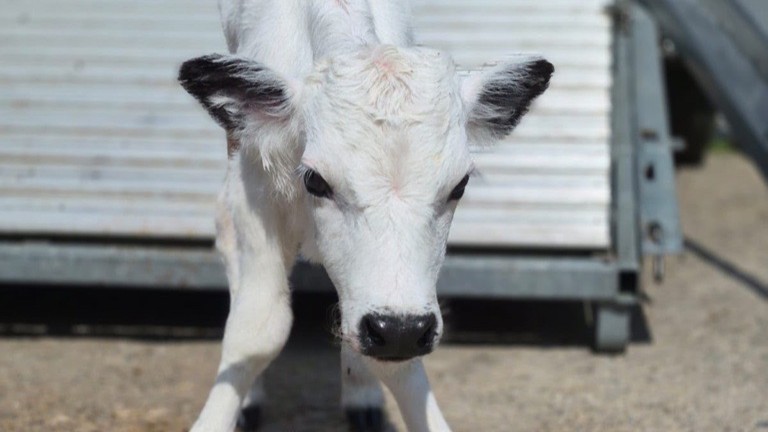
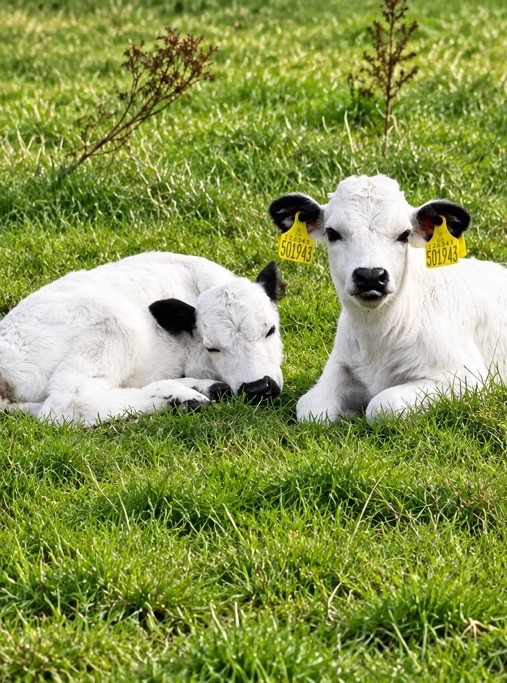
Leeds farm welcomes five calves from one of the UK’s rarest cattle breeds
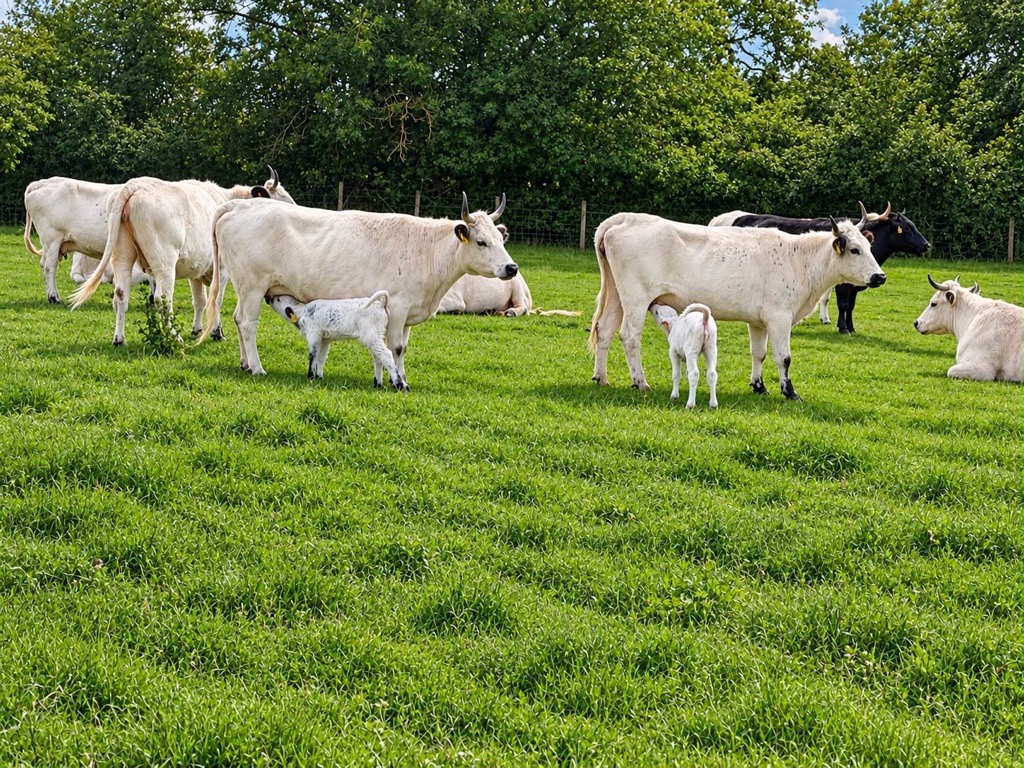
One of the rarest cattle breeds in the UK has had calves at Temple Newsam’s farm.
We think this might be the cutest story we've written about all year.
Categorised as ‘priority’ by the Rare Breed Survival Trust (RBST), Vaynol cows originate from North Wales and were first established in the late 19th Century.
The herd over at Temple Newsam stems directly from that first herd, having lived there since the 1980’s.
Images: Leeds City Council
And now, they've welcomed five new calves - and the beautiful new arrivals are just five of 150 animals in the UK.
Vaynols can now be found in five locations in the UK, with Temple Newsam’s Home Farm currently home to one bull, 14 breeding cows, five heifers these amazing new calves.
Richard Aldis, farm manager at Temple Newsam, said: “We’re so thrilled to have welcomed these little ones to the farm.
“The team here works hard to protect these rare breeds that the farm is home to and it’s always wonderful when we can successfully grow the herd. The calves are settling in well and we’re just thinking about names for them.”
Councillor James Gibson, Leeds City Council’s executive member for environment, said: “It’s wonderful to hear the news about these rare little calves being born, it is truly a testament to the important work that is done by the team at Temple Newsam’s Home Farm in preserving these breeds for future generations.
“There is so much for visitors to enjoy at the estate. Alongside the farm and its wonderful animals, people can explore the magnificent Temple Newsam House, enjoy the new bike park, and visit the recently opened play barn. It really is a fantastic day out for the whole family.”
Government announces all national museums across the UK will remain FREE for everyone to visit
Emily Sergeant
Dozens of national museums across the UK are set to remain free for everyone to visit, it has been confirmed.
Funded by the Department for Culture, Media and Sport (DCMS), the 14 national museums of the UK are all located in England – including the Royal Armouries in Leeds – and free entry to was first introduced all the way back in 2001, with millions of visitors having benefitted since.
National museums are said to add more than £1 billion a year to the economy, and bring in visitors from all over the world.
In fact, seven of the UK’s 10 most visited museums are national museums, and 7.1 million people visited the Natural History Museum and 6.4 million visited the British Museum in 2025 alone.
Earlier this year though, the Government committed to working with local leaders and the museum and tourism sectors to explore whether charging overseas visitors could help museums’ finances.
But following this, it’s now believed that charging could deter visitors, and that the impacts and benefits would ‘not be felt equally’ across the sector.
The Government has announced that all national museums in the UK will remain free for everyone to visit / Credit: Science Museum Group
Instead, the free entry will be funded by the £1.5 billion Arts Everywhere Fund – which is providing £760 million for museums – while £600 million of infrastructure funding is supporting national museums and DCMS-sponsored cultural organisations.
The latter funding will be used to address critical maintenance and works to estates, and enable institutions to deliver on their commitments to share collections with visitors from around the world.
A further £160 million is coming from The Museum Estates and Development Fund to help museums tackle maintenance backlogs.
On top of that, the Government will work with Arts Council to develop a long-term strategic plan for the future of museums.

 Josh Teal -
26th May 2021
Josh Teal -
26th May 2021