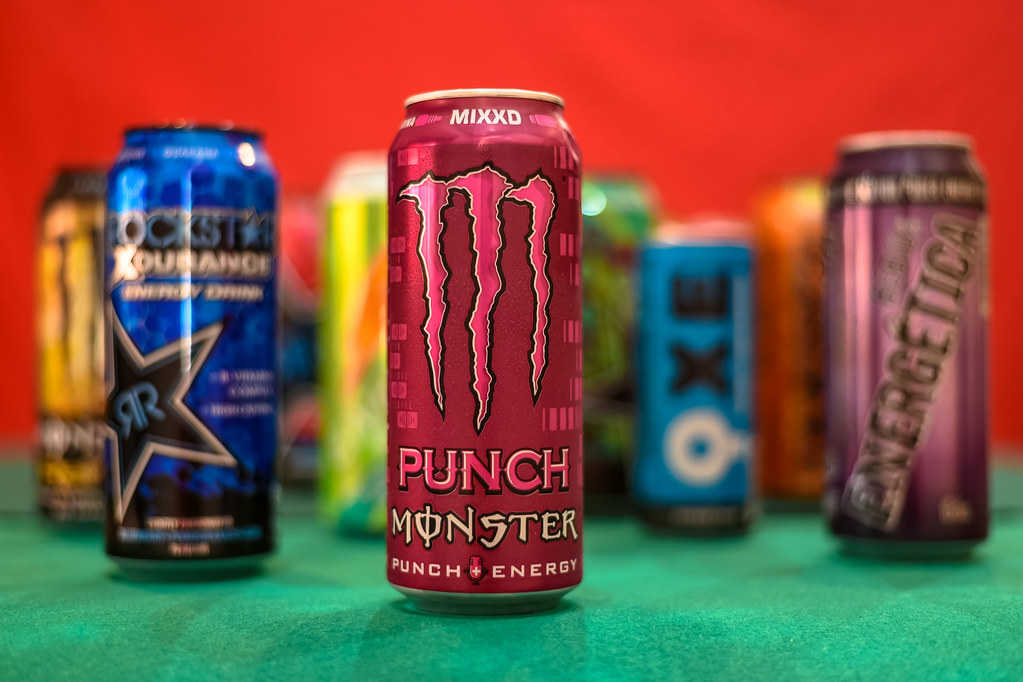
The Government is to consult on banning the sale of ‘high-caffeine’ energy drinks to children under the age of 16.
Currently, it’s thought that around 100,000 children consume at least one high caffeine energy drink every day, and there is said to be ‘growing evidence’ that links these drinks to harmful effects on children – including things like disrupted sleep, increased anxiety, poor concentration, and reduced educational outcomes.
So, in a bid to ‘boost kids’ health’, both physical and mental, plans set out today will stop retailers from selling the drinks to those under 16.
The Government believes this move could prevent obesity in up to 40,000 children and deliver health benefits worth tens of millions of pounds.
The proposal would make it illegal to sell high-caffeine energy drinks containing more than 150mg of caffeine per litre to anyone aged under 16 years across all retailers – including online, in shops, restaurants, cafes and vending machines.
The proposals would not affect lower-caffeine soft drinks nor tea and coffee.
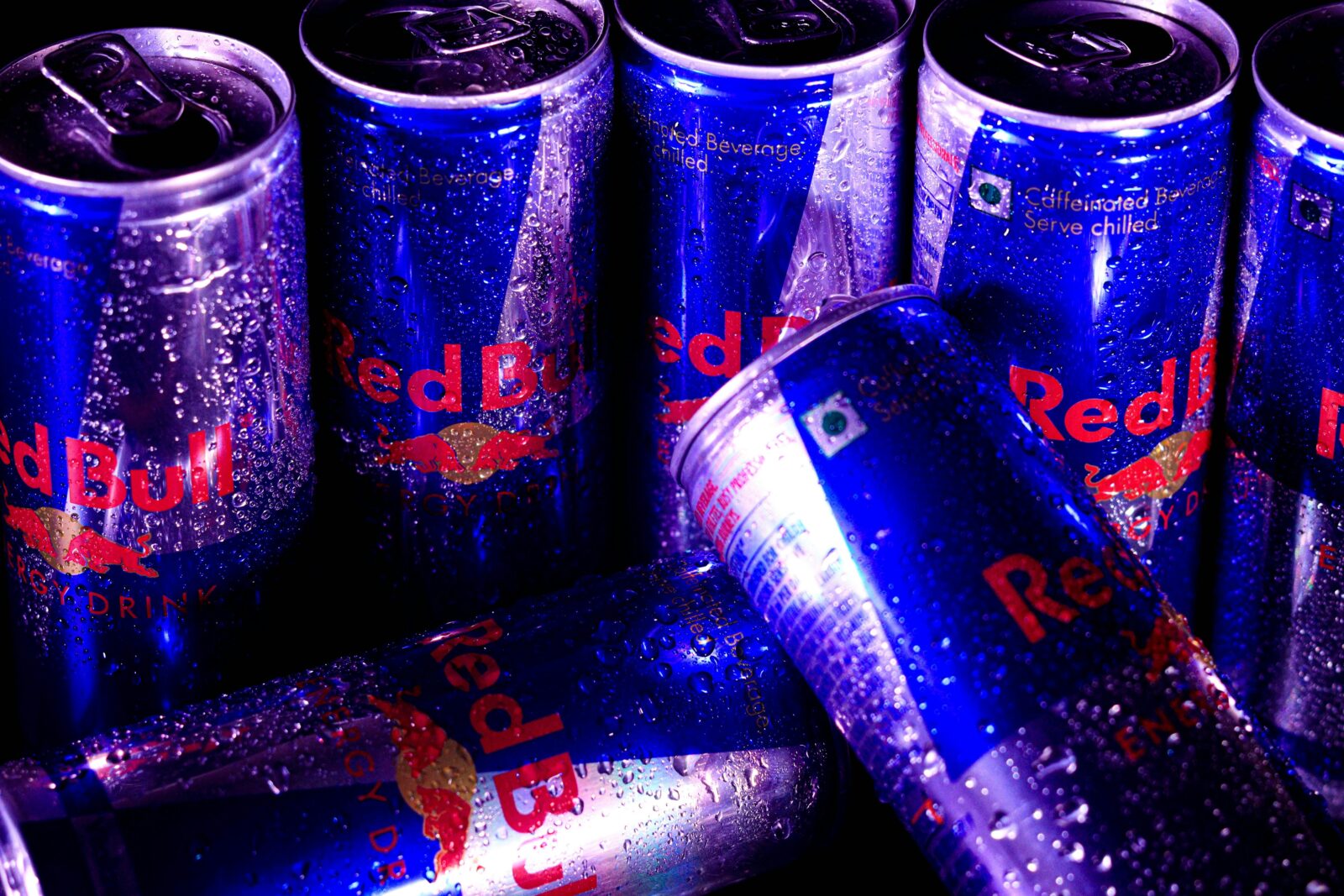
Government to ban the sale of energy drinks to children under 16 / Credit: NeedPic
Many major retailers already voluntarily restrict sales, but research suggests that some smaller convenience stores continue selling to children.
Leaders and ministers say early intervention is ‘crucial’ if they are to deliver on their pledge to create the healthiest generation of children ever.
The move to ban energy drinks for under 16s is backed by parents, teachers, and also teaching unions who report on pupils being unable to concentrate and focus because of them, and even so far as to negatively affecting grades and academic performance.
Acting now to improve children’s wellbeing will not only help give them the best start in life and prevent them from a lifetime of poor health, the Government claims, but also deliver tens of millions of pounds of health benefits, as well as future savings for the NHS and increased economic productivity.
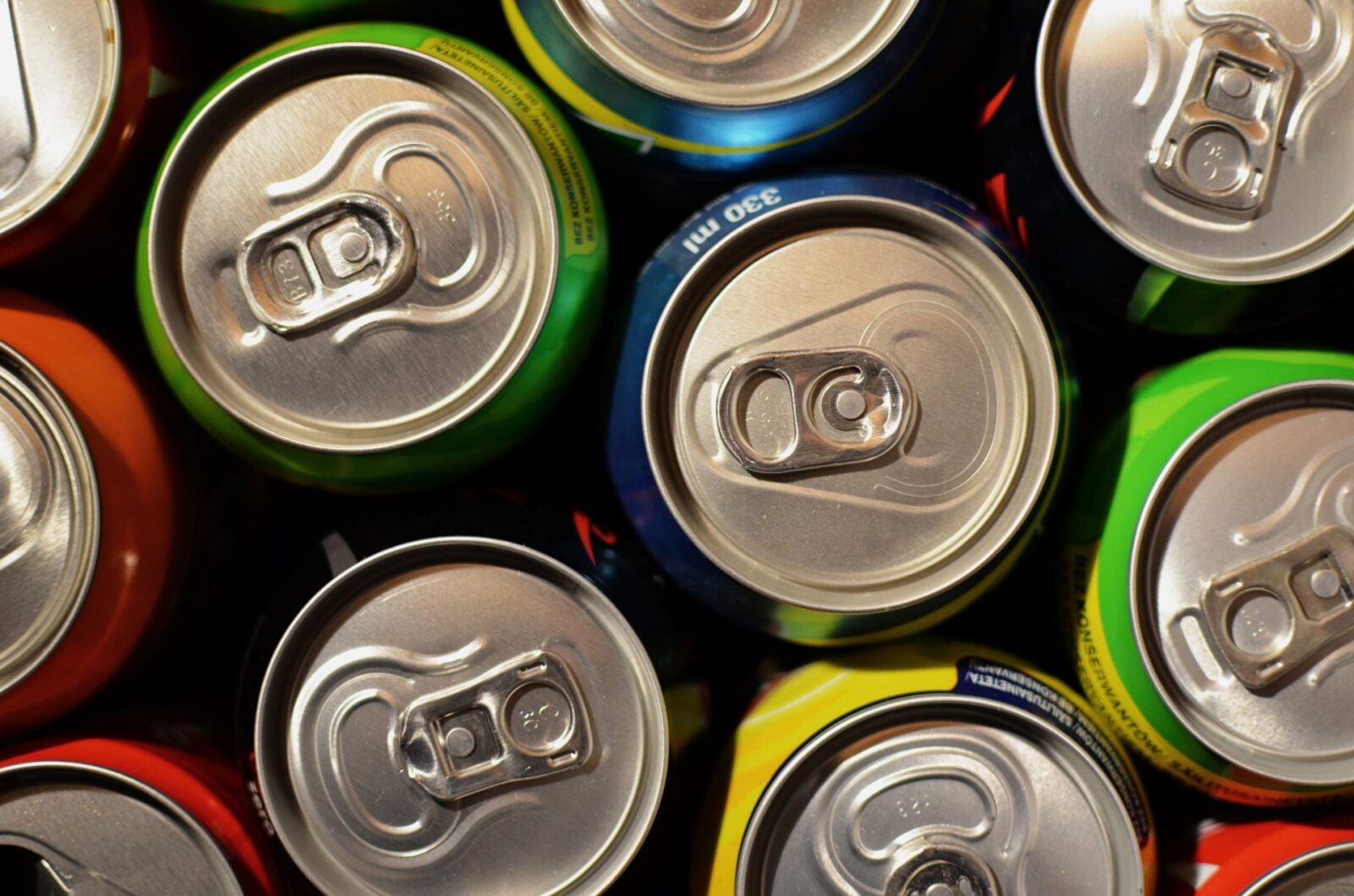
The proposal aims to boost kids’ health, both physically and mentally / Credit: Pexels
“How can we expect children to do well at school if they have the equivalent of four cans of cola in their system on a daily basis?” commented Health and Social Care Secretary, Wes Streeting.
“Energy drinks might seem harmless, but the sleep, concentration, and wellbeing of today’s kids are all being impacted, while high sugar versions damage their teeth and contribute to obesity
“As part of our Plan for Change and shift from treatment to prevention, we’re acting on the concerns of parents and teachers and tackling the root causes of poor health and educational attainment head on."
“By preventing shops from selling these drinks to kids, we’re helping build the foundations for healthier and happier generations to come.”
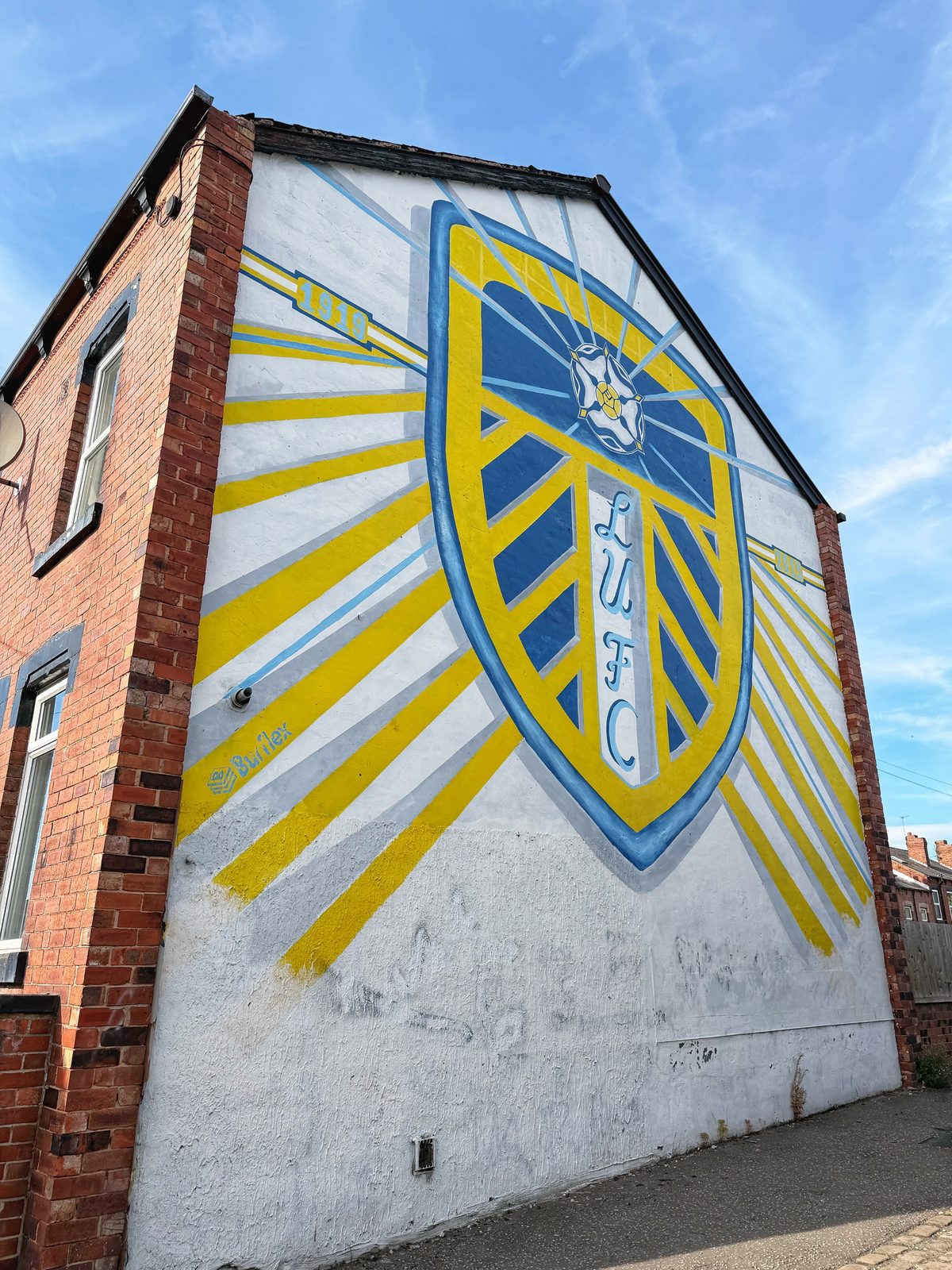
Leeds United fans looking for a crisp pre-match pint, you're in luck.
Why? Because new data has revealed Leeds United as one of the Premier League clubs offering the cheapest pints in their stadium
And it's all down to credit card provider Zable, who analysed the average price of a pint at every Premier League stadium.
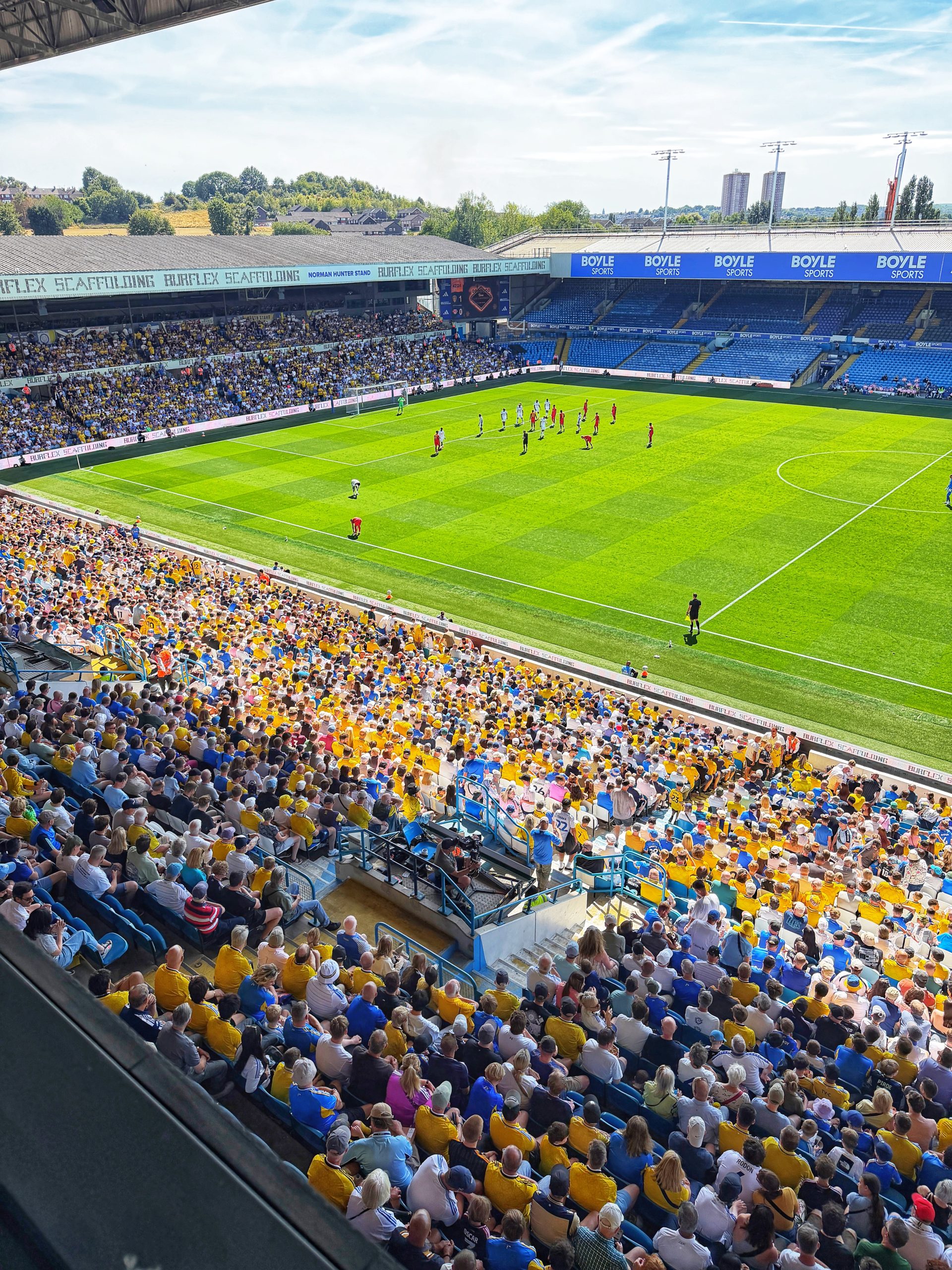
You'll be glad to know that Leeds United ranked a very respectable eighth among the Premier League teams with the cheapest pre-match pints, with fans paying an average £5.60 at Elland Road.
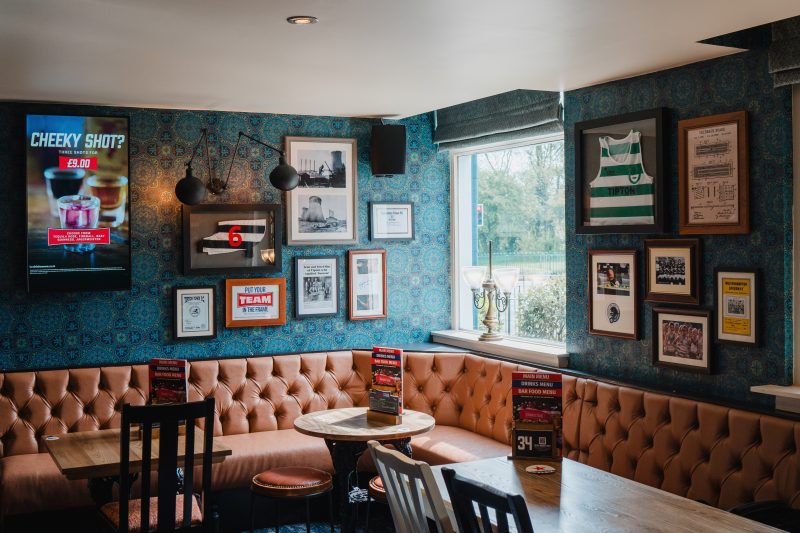
Images: The Hoot Leeds
However, supporters can currently get a cheaper drink at pubs around the stadium, where the average pint costs £4.74.
Ipswich Town have the cheapest pint at £3.50, followed by Coventry at £3.60 and Hull City at £3.90.
The top 10 cheapest stadium match day pints:
Ipswich (£3.50)
Coventry (£3.60)
Hull City (£3.90)
Liverpool (£4.80)
Sunderland (£5.00)
Everton (£5.50)
Newcastle United (£5.60)
Leeds United (£5.60)
Bournemouth (£5.60)
Brighton & Hove Albion (£5.80)
Adam McAllister at Zable says: "For many fans, grabbing a pint before kick-off is part and parcel of the matchday experience, but our research shows that where you choose to drink can make a noticeable difference to the price. While stadium pints are often assumed to be more expensive, that's not always the case.
"With the cost of attending football continuing to add up, from tickets and travel to food and drinks, small differences like these can make a real impact on the overall cost of a matchday. Taking a little time to compare prices before heading to the stadium this season could help fans make their money go further, whether they choose to have a pint at the pub or inside the ground."
Leeds Bradford Airport workers to strike over half term, as industrial action escalates in dispute over pay
Clementine Hall
Strikes by almost 130 workers at Leeds Bradford Airport are set to escalate.
If you're planning on catching a flight from Leeds Bradford Airport, then you may want to double check the date.
Last week it was announced that workers were set to strike and bring the airport to complete standstill in a dispute over pay.
Today it has been announced that thestrikes are set to escalate and a second set of strikes have been announced.
The Unite members planning on going on strike are a mixture of air traffic control workers, customer experience staff, security staff and cleaners.
The workers involved in the dispute have recently come out of a four-year pay deal, with some of the departments having fallen behind other airports in equivalent roles.
Pay talks have been happening since December 2025, with the airport's formal offer not going far enough to address the lack of pay parity.
Unite general secretary Sharon Graham said: "It is wrong that workers at Leeds Bradford Airport are paid far less than those doing the same job at another nearby airport.
"These are essential workers who play a vital role in ensuring the smooth running of the airport and the safety of passengers and deserve fair pay. Unite will always fully back our members taking action at Leeds Bradford Airport.”
The original strikes were due to take place from 03:00 this Friday 16 October to 06:00 Sunday 18 October for hourly paid staff and from 06:00 Friday 16 October to 06:00 Sunday 18 October for air traffic control workers.
The next round of industrial action will now take place from Monday 23 October to Wednesday 2 November, which coincides with the busy half term period.
Unite regional officer Neil Whitaker said: “We appreciate those travelling to and from Leeds Bradford Airport will be concerned to hear that there are further strike dates, but the situation is completely the fault of the airport’s management. It can end this dispute, but that relies on it coming back to the table with a fair deal for our members.”

 Emily Sergeant -
4th September 2025
Emily Sergeant -
4th September 2025