Global sporting body FIFA have confirmed new changes to the annual football calendar and the ever-divisive international breaks, specifically.
It’s fair to say that not everyone is in agreement over the update to what many fans and even players already find a frustrating format.
Put simply, FIFA have revealed that they will be merging the traditional September and October breaks into one extended period of international football from 2026 onwards.
Once again, although the decision has been met with plenty of support, it has also faced just as much, if not potentially even more, resistance.
There will be a THREE-WEEK international break in September 2026, as FIFA confirm October's usual split from domestic action is cancelled next year... 📆🌍 pic.twitter.com/1dqUO7RTdX
As detailed by multiple outlets following full confirmation on Monday, 13 September, footy fans are now looking at a combined 16 days of watching national teams in World Cup qualifiers and other fixtures.
While other clubs further down the footballing pyramid will still be able to watch their team, supporters of Premier League sides and several other divisions will see domestic action cease for roughly three weeks when taking into account rest days between international and club fixtures
Besides incorporating more teams into this year’s World Cup (now a 48-team affair) and the still relatively recent advent of the Nations League – which UEFA introduced in the hopes of creating more interest in the much-maligned international breaks – this is one of the biggest changes in some time.
At present, there are typically four breaks: September, October, November and March/April – not including major tournaments themselves.
🚨 FIFA have confirmed that starting from next season, the international breaks in September and October will be combined into a single break from September 21 to October 6.
One criticism of this format has been the stop-start consequence it has on club football, and indeed, struggling to create any real momentum and/or excitement, as well as the impact on form it sometimes has on players both away on national team duty and when they get back to their clubs.
Another big concern these breaks have always been met with is the added risk of fatigue and injury.
Despite being athletes who regularly train to remain at the peak of their physical fitness, the increasingly congested fixture calendar – particularly for those playing in England, with multiple cup competitions, the prospect of European football AND no break over Christmas – continues to push bodies to the limit.
Once again, these new changes to international breaks won’t come into effect until next year, but there are plenty of pros and cons that professionals and supporters alike will continue to debate until the new schedule is implemented.
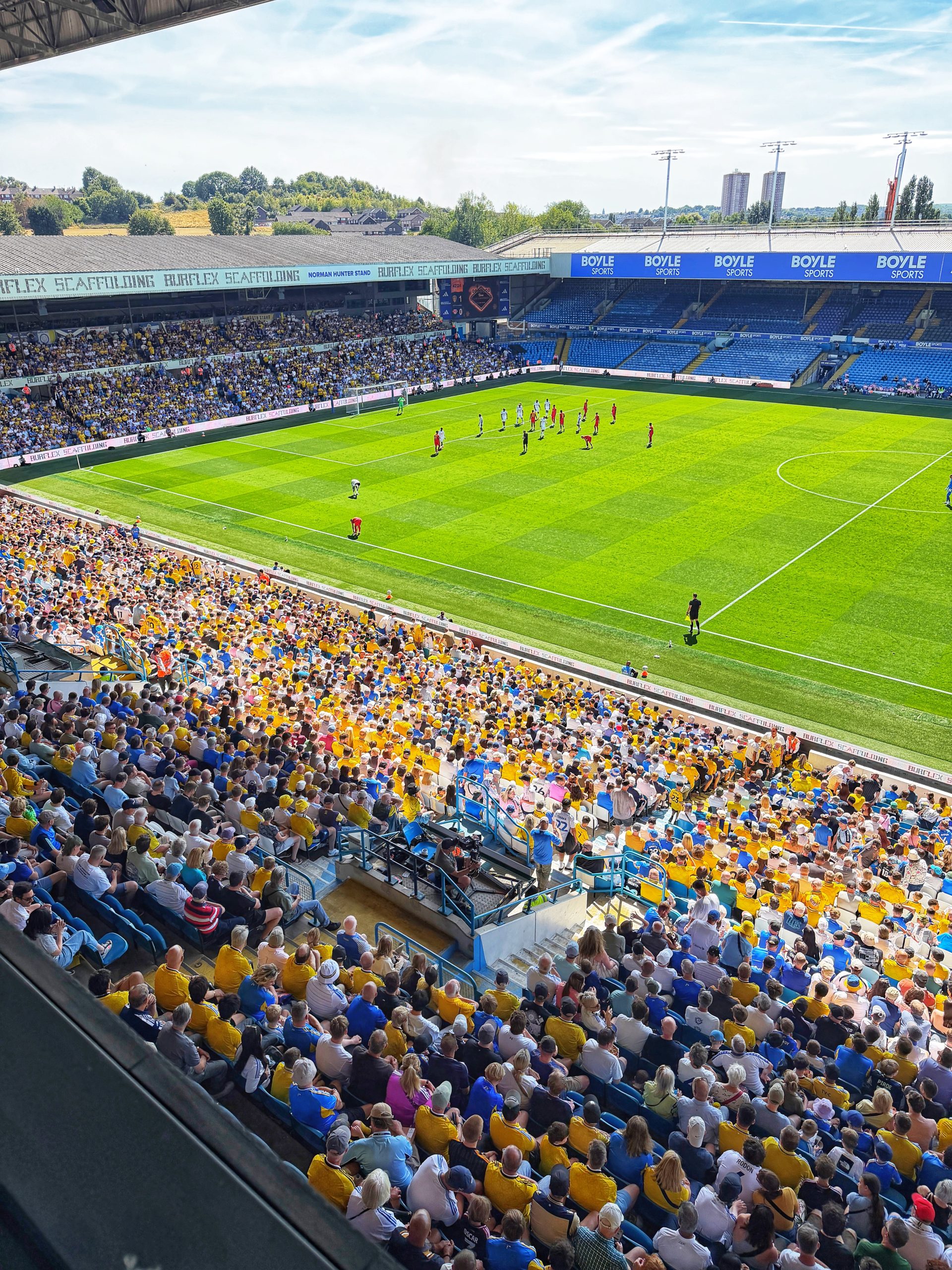
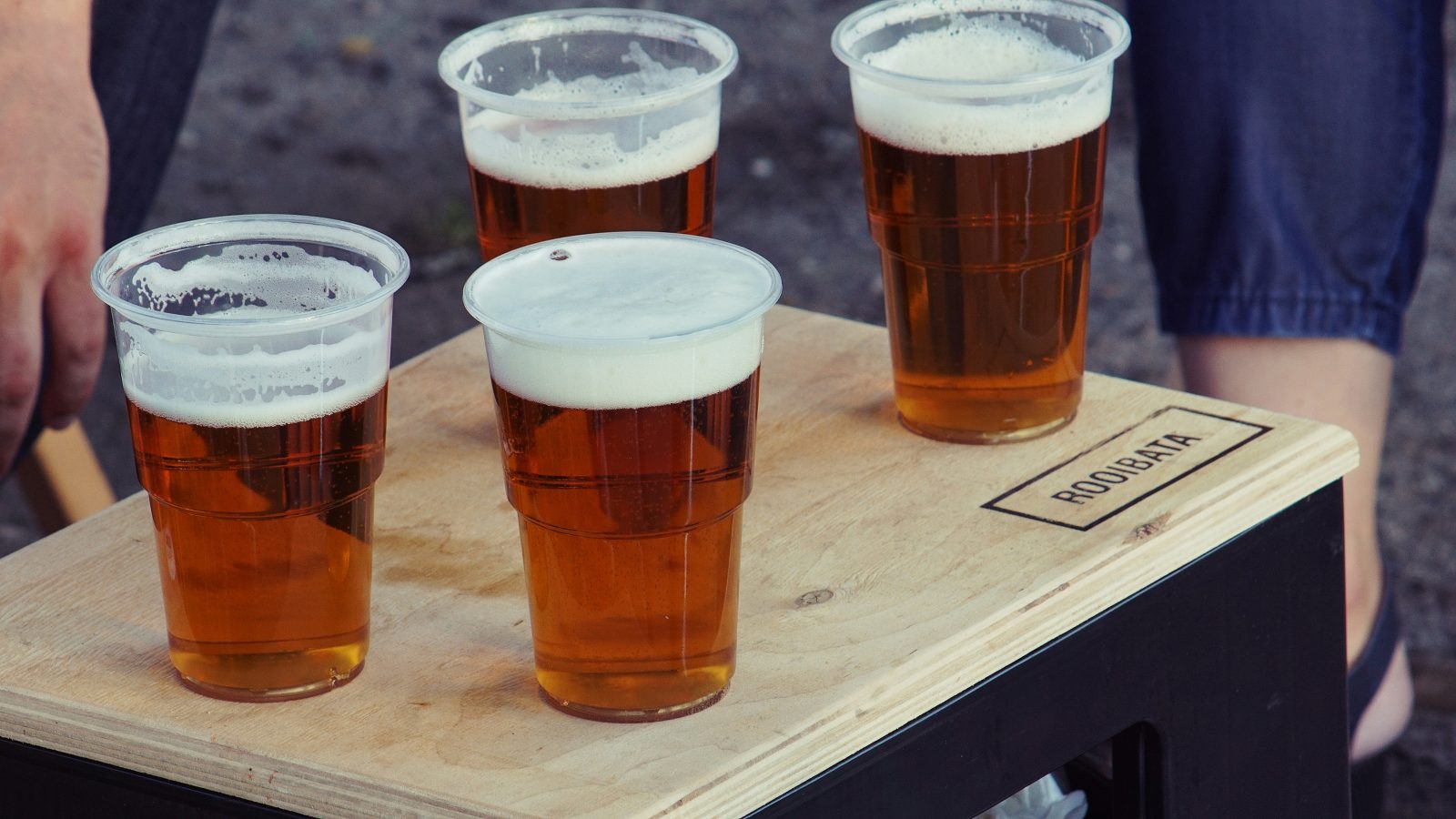
Leeds United fans looking for a crisp pre-match pint, you're in luck.
Why? Because new data has revealed Leeds United as one of the Premier League clubs offering the cheapest pints in their stadium
And it's all down to credit card provider Zable, who analysed the average price of a pint at every Premier League stadium.
You'll be glad to know that Leeds United ranked a very respectable eighth among the Premier League teams with the cheapest pre-match pints, with fans paying an average £5.60 at Elland Road.
Images: The Hoot Leeds
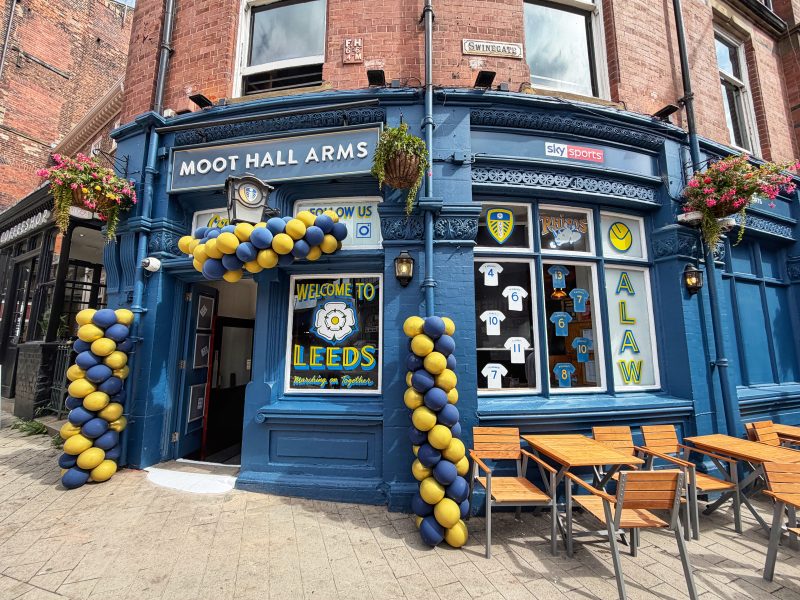
However, supporters can currently get a cheaper drink at pubs around the stadium, where the average pint costs £4.74.
Ipswich Town have the cheapest pint at £3.50, followed by Coventry at £3.60 and Hull City at £3.90.
The top 10 cheapest stadium match day pints:
Ipswich (£3.50)
Coventry (£3.60)
Hull City (£3.90)
Liverpool (£4.80)
Sunderland (£5.00)
Everton (£5.50)
Newcastle United (£5.60)
Leeds United (£5.60)
Bournemouth (£5.60)
Brighton & Hove Albion (£5.80)
Adam McAllister at Zable says: "For many fans, grabbing a pint before kick-off is part and parcel of the matchday experience, but our research shows that where you choose to drink can make a noticeable difference to the price. While stadium pints are often assumed to be more expensive, that's not always the case.
"With the cost of attending football continuing to add up, from tickets and travel to food and drinks, small differences like these can make a real impact on the overall cost of a matchday. Taking a little time to compare prices before heading to the stadium this season could help fans make their money go further, whether they choose to have a pint at the pub or inside the ground."
Andy Burnham says he wants to scrap the ‘unfair’ ban on drinking alcohol in football stands
Emily Sergeant
Andy Burnham has said that he wants to scrap the 'unfair' ban on fans getting to drink alcohol in football stands.
It's a ban that's been in place in the top five tiers of men's football since 1985, when fears over violence and hooliganism were at their height, but now the Prime Minister has raised the question of whether drinking in football stands - or 'drinking in sight / view of the pitch', as it's known formally - is actually unjust, due to the fact that same rules don't apply to fans of other sports.
"I don't think it's fair for football fans to be singled out in that way," Andy Burnham has declared this week, grabbing headlines in the process.
He continued: "I think that legislation dates to an era where football was very different, and I do believe there is a case to remove that discrimination.
"I'm not going to back away from what's been a long-held view of mine. I don't see how it can be fair that some supporters of one sport can be treated differently."
The Prime Minister's comments have been met with mixed response.
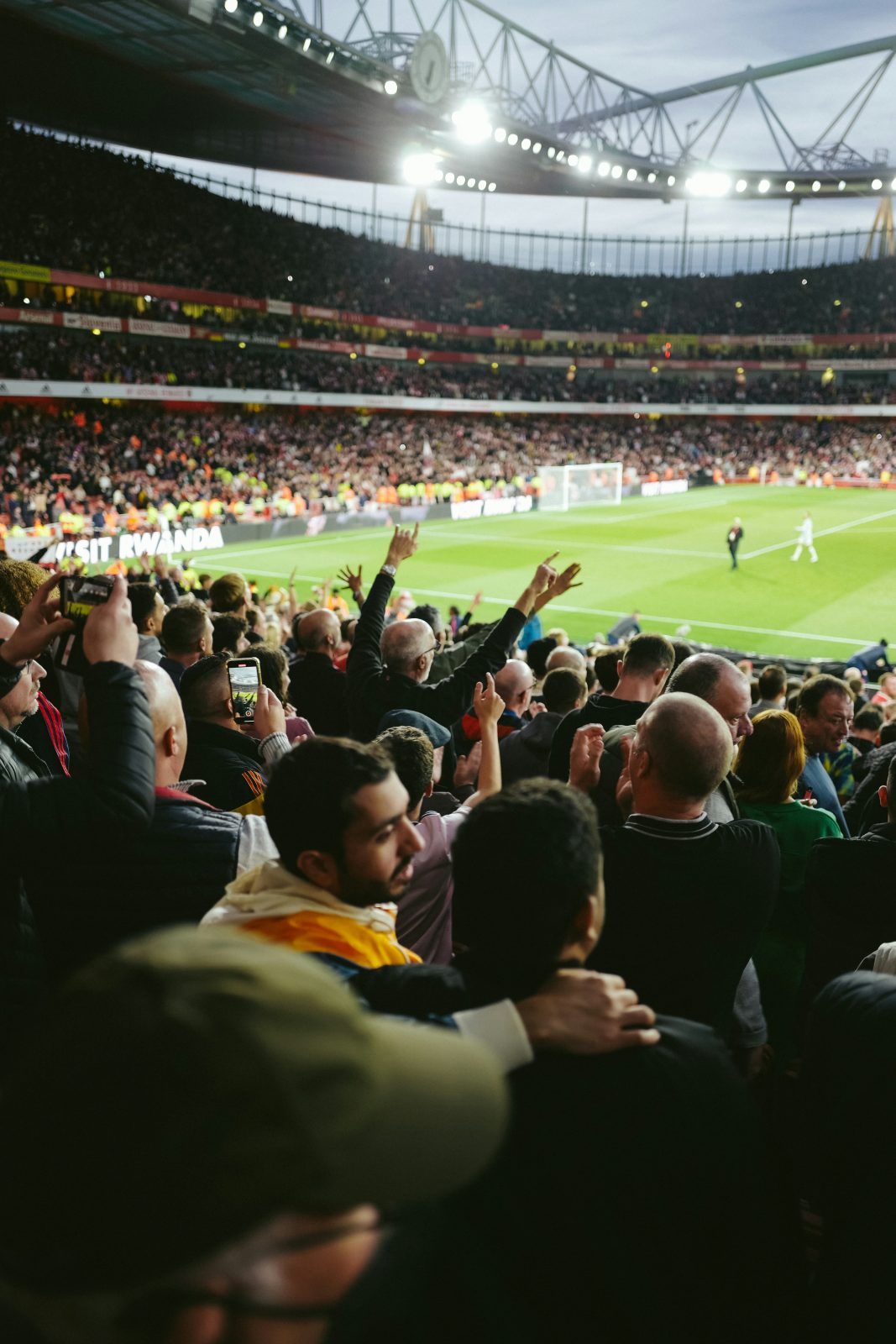
Andy Burnham wants to scrap the 'unfair' ban on drinking alcohol in football stands / Credit: James Kirkup | Julia Nastogadka (via Unsplash)
The Football Supporters’ Association (FSA), for example, has very much welcomed the idea, saying that it 'totally agrees' the legislation is 'outdated' and 'deserves to be reviewed'.
Tom Greatrex, chair of the FSA, said in a statement: "The FSA has always argued that it’s unfair to criminalise football fans for having a pint while watching the match - especially since you can sit in the same seat drinking alcohol whilst watching an Oasis gig or rugby league."
However, on the flip side, the UK Football Policing Unit said it would be 'incredibly rash' to change the rules without proper consultation.
"Other sports simply don't see the violence and criminal behaviour from their supporters that football does, albeit a minority, with alcohol often playing a significant part in violent and disorderly behaviour," it said in a statement on the matter.
The Prime Minister did state in his initial proposition though that 'there are different ways it could be done', hinting that it could be done 'on a trial basis' perhaps.
The English Football League (EFL) added that it would be 'receptive to discussions around reviewing current legislation and permitting alcoholic drinks within view of the pitch'.
No formal details on a review have been confirmed as of yet, so fans are encouraged to stay tuned for updates in due course.

 Danny Jones -
17th September 2025
Danny Jones -
17th September 2025