Some of the world's best insults have been born here in the British Isles, but now some of the classics are apparently at risk of dying out.
Linguists have said that the days may be numbered for classic insults like pillock and plonker.
When was the last time you heard the word 'tosspot'? Can you remember when you last called somebody a 'prat', a 'git', or maybe a 'nitwit'? Or perhaps branded a clumsy or stupid person a 'lummox'?
Well, when it comes to Gen Z, there's a good chance the answer to all of those questions is 'never', The Manc reports.
That's because a new survey has discovered that a significant number of those born between 1997 and 2012 aren't familiar with a wide range of classic insults used by Brits.
Instead, Gen Z were found to be embracing newer insults such as 'Karen', 'simp', and 'basic'.
This shocking revelation comes after international research agency, Perspectus Global, recently carried out a survey asking 2,000 people which insults they recognised from a long list of words that are used both nationally across the UK and regionally too.
Loads of classic British insults like pillock and plonker are 'at risk of dying out' / Credit: Joshua Hoehne (via Unsplash)
Topping the list of insults that are at risk of dying out is the aforementioned 'lummox', with 62% of people surveyed under 28 years of age, and just over half of all those surveyed, being unfamiliar with the term - which is most commonly used in East Anglia.
'Bampot' was second on the list, with 60% being unfamiliar with the word, while 'blighter' was third, having stumped 54% of young people, and 'ninny' - which is a light-hearted word for a silly person - and 'cad', which is a word for a dishonest man, both rounding out the top five and flummoxing just over half of those surveyed.
'Numpty', 'scallywag', 'toe rag', and 'prat' are some of the other insults featured on the list.
Fans of the absolute classic British sitcom that is Only Fools And Horses might also be a bit miffed to find out that one of Del Boy's favourite insults to fire at his brother Rodney, 'plonker', was unknown by a quarter (25%) of Gen Z.
"Language changes, evolves and moves on," explained Harriet Scott, who is the CEO of Perspectus Global, as the shocking survey results were released.
"Our research shows that calling someone a plonker or a prat is no longer a fashionable way to insult them, and interestingly, the research highlights the extent to which Brits feel some of the more traditional jibes, feel softer and less severe, than some of today's more controversial ones."
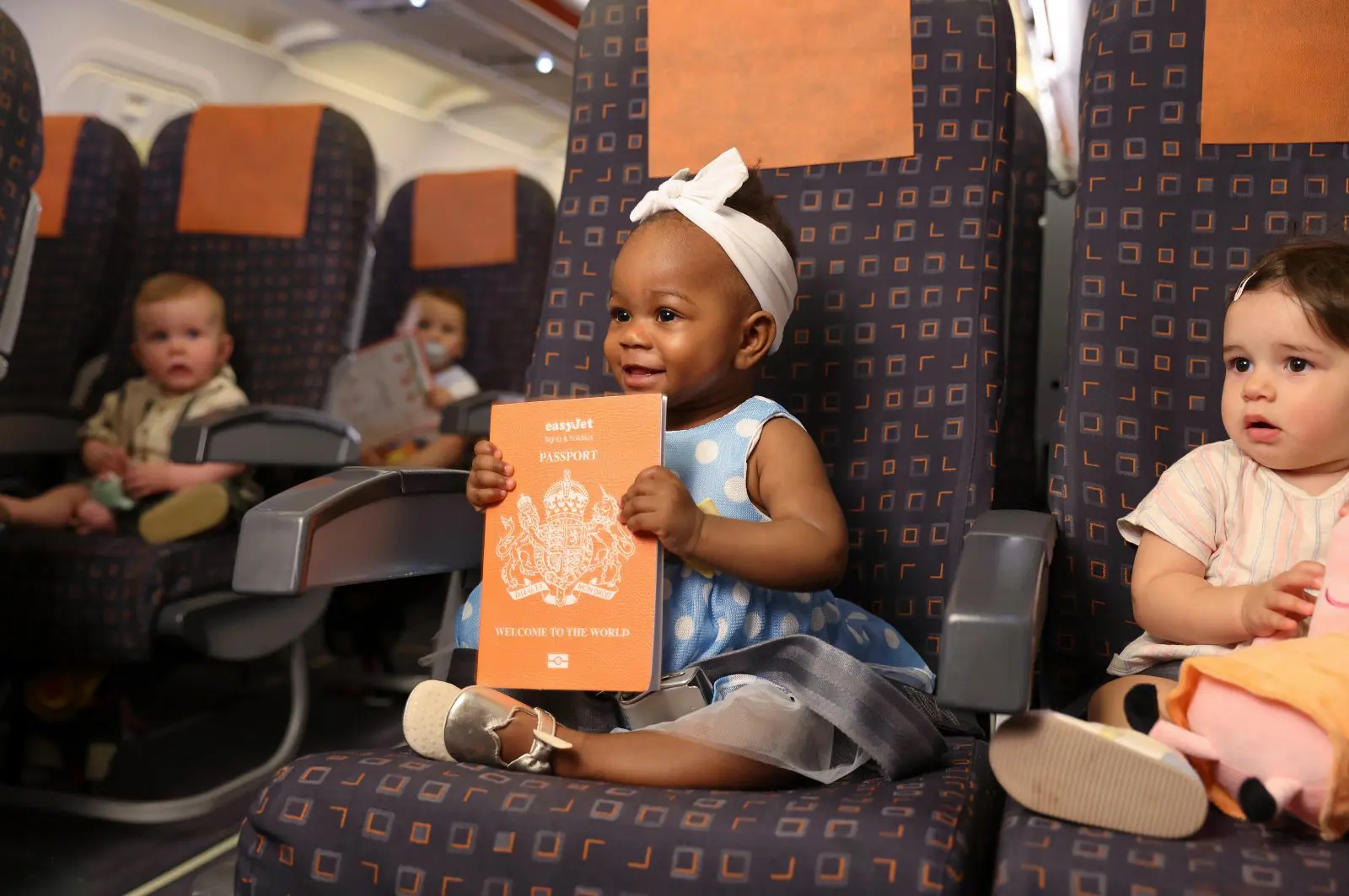
EasyJet has announced a new scheme where the airline will cover the cost of a baby’s first passport, allowing young families to take those memorable first holidays.
The company has announced that it will pay for a child’s passport (£66.50) when parents book an EasyJet holiday, making it a little easier to start those travel adventures sooner.
Research conducted by the airline and easyJet Holidays has found that 75% of parents agree the move would make a holiday with a baby feel a bit more affordable.
Their surveys also found that four in five parents believe a baby’s first holiday is a landmark family moment, and more than half called it one of their proudest parenting milestones.
But parents also said that they needed an average of four attempts to get an approved passport photo of their baby (have you tried making a newborn follow instructions…?).
easyJet holidays has reported – even this early in the year – a 10% increase in infants travelling this year compared to 2025.
And now, the thought of a holiday with your newborn is more tempting than ever, with the offer to get a free passport for your baby from easyJet.
To claim it, and save £66.50, you can use the code FIRSTPASSPORT until 26 November – find out more HERE.
easyJet Captain Kate West, said: “We carry millions of families across Europe every year, and we know that travelling with a baby brings a whole series of exciting firsts.
“We want to make travel as easy and accessible as possible for everyone, including young families, so they can enjoy all the experiences and memories that travel can bring.
“We hope that covering the cost of a baby’s first passport goes a small way towards making that first family adventure a little easier and gives our youngest travellers a warm welcome to the world.”
Stuart Wright, Customer Director at easyJet holidays, said: “Travel has a unique way of bringing families together, and a baby’s very first holiday is often one of those moments parents remember for years to come.
“By covering the cost of a baby’s first passport, we’re helping more families start making those memories that little bit sooner.”
Leeds City Council granted £1.6m to tackle rough sleeping by Christmas
Clementine Hall
A £1.6m grant has been given by the government to Leeds City Council to help tackle rough sleeping.
The funding has been allocated to Leeds City Council as part of the Government’s national Rough Sleeping Programme.
The overall target is to help rough sleepovers off the streets by Christmas through providing safe accommodation.
The council have said that voluntary organisations and charities will be able to help them reach this target.
The council report said: "This funding will be used for immediate interventions to ensure all those rough sleeping have an offer of accommodation by Christmas and support longer term sustainment of accommodation.
“The initial target is to provide a suitable offer of accommodation for everyone who is rough sleeping by Christmas 2026.
“Providing a path into supported accommodation and independent living is the key objective and sustaining this independent living with, where necessary, ongoing support to prevent any return to rough sleeping and homelessness.”
The government announcement spoke of the scheme: "The programme is intended to support people experiencing rough sleeping.
"People experiencing rough sleeping may have differing entitlements to housing and support depending on their individual circumstances, including their immigration status and eligibility for public funds."
The funding is intended to help provide immediate support for people currently sleeping on the streets, while also helping them access longer-term accommodation and the support needed to maintain independent living.
By working with local charities and voluntary organisations, the council hopes to ensure people are not only offered a place to stay but are also given the help they need to avoid returning to the streets.

 Emily Sergeant -
14th May 2024
Emily Sergeant -
14th May 2024