The broadcaster has paid substantial sums to attract politicians and on-screen talent including Nigel Farage, Arlene Foster, and Conservative MP Jacob Rees-Mogg
The right-wing British television and radio channel first launched in June 2021 with promises to ‘shake up’ broadcasting, famously opening with Andrew Neil announcing: “We are proud to be British – the clue is in the name”.
Conservative British TV channel GB News has reported losses of £31 million after its first year on the airwaves, reports The Manc.
However, it quickly suffered an advertiser boycott shortly after its debut with brands including Sainsbury’s and Ikea pulling ads from its channel.
Airing with shows from big names like ex-BBC journalist Andrew Neil, ex-UKIP Leader Nigel Farage, Daily Mail columnist Dan Wooton and ex-Sky broadcaster Colin Brazier amongst others, it has spent huge sums to attract on-screen talent and a year on its Companies House accounts for the year to 31 May 2022 report a loss of £30.7m.
The accounts show that GB News Limited reported advertising revenues of £2.97m, digital revenues of £564,000 and sponsorship revenue of £105,664, however, the cost of sales stood at £25.4m and operating expenses at £8.9m.
Yet the business has said that its directors are ‘satisfied’ with the results for the year and expect growth in the future.
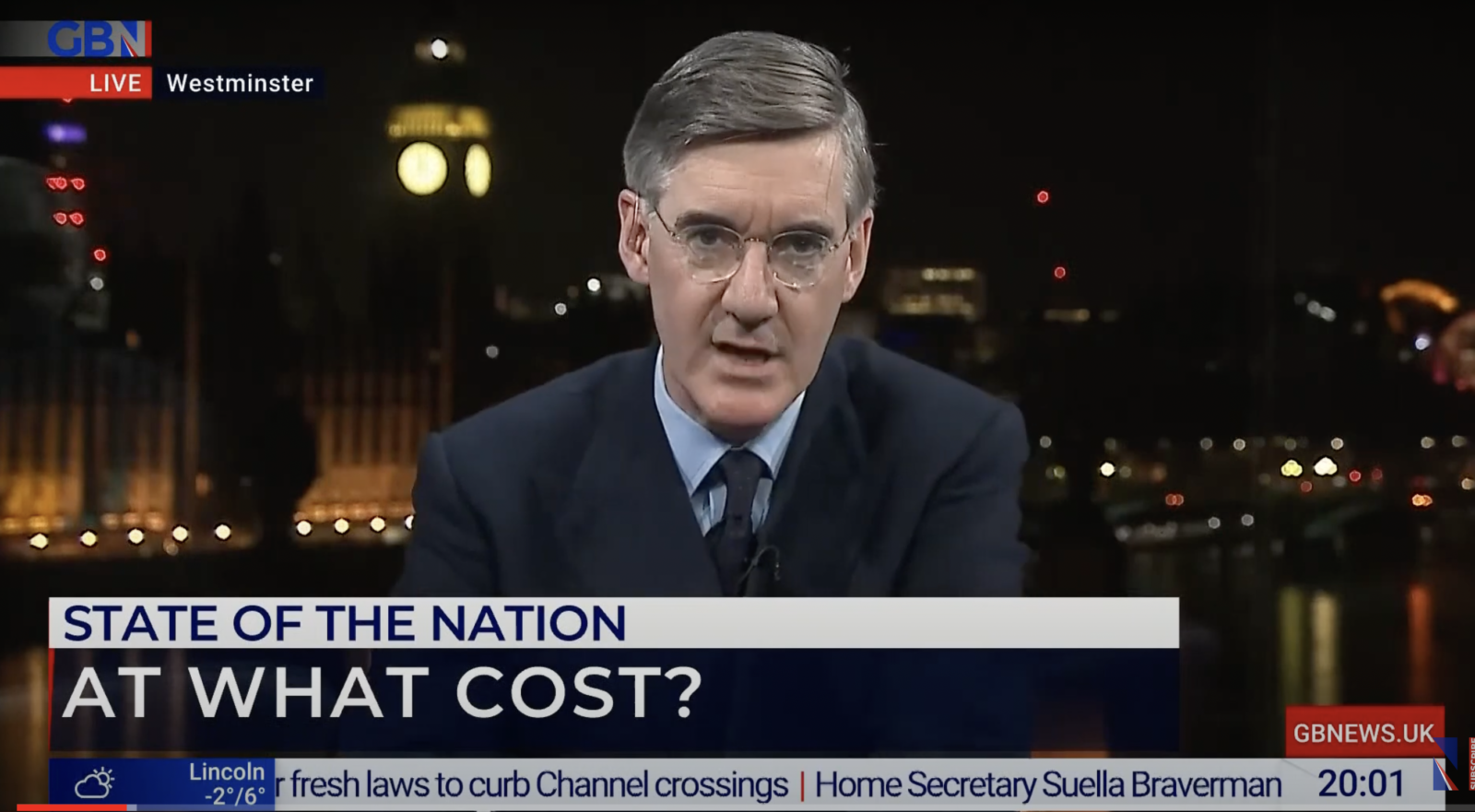
Conservative politician Jacob Reese Mogg hosts a regular show on the channel called ‘State of the Nation’. / Image: GB News / Youtube
The reports follow warnings from bosses in February that the channel faced a tough financial environment, as they revealed it is now being financially supported by Brexiteer hedge fund tycoon Sir Paul Marshall and Dubai-based investment company Legatum.
At the start of March, the broadcaster moved its website from gbnews.uk to gbnews.com, which a spokesperson said: “allows us to reach a much larger potential global audience”.
The broadcaster has paid substantial sums to attract politicians and other talents including Nigel Farage, Arlene Foster, and Conservative MPs Esther McVey and Philip Davies.
According to PA Media, McVey was paid £58,650 by GB News in 2022 and Davies £46,203.
Press Gazette also found in December that GB News had spent more than any other publisher on payments to MPs, dishing out a total of £82,040 between October 2021 and September 2022.
Since then the company has hired two more sitting Conservative parliamentarians, Jacob Rees-Mogg and Lee Anderson, to host shows on the platform.
GB News said its average monthly reach according to BARB was 2.32 million in the 2021/22 financial year, an average linear audience share of 0.3%. A spokesperson said this figure had risen to 2.84 million by February this year.
A £1.6m grant has been given by the government to Leeds City Council to help tackle rough sleeping.
The funding has been allocated to Leeds City Council as part of the Government’s national Rough Sleeping Programme.
The overall target is to help rough sleepovers off the streets by Christmas through providing safe accommodation.
The council have said that voluntary organisations and charities will be able to help them reach this target.
The council report said: "This funding will be used for immediate interventions to ensure all those rough sleeping have an offer of accommodation by Christmas and support longer term sustainment of accommodation.
“The initial target is to provide a suitable offer of accommodation for everyone who is rough sleeping by Christmas 2026.
“Providing a path into supported accommodation and independent living is the key objective and sustaining this independent living with, where necessary, ongoing support to prevent any return to rough sleeping and homelessness.”
The government announcement spoke of the scheme: "The programme is intended to support people experiencing rough sleeping.
"People experiencing rough sleeping may have differing entitlements to housing and support depending on their individual circumstances, including their immigration status and eligibility for public funds."
The funding is intended to help provide immediate support for people currently sleeping on the streets, while also helping them access longer-term accommodation and the support needed to maintain independent living.
By working with local charities and voluntary organisations, the council hopes to ensure people are not only offered a place to stay but are also given the help they need to avoid returning to the streets.
M&S launches massive recruitment drive in Leeds with hundreds of jobs available
Emily Sergeant
M&S has launched a massive recruitment drive across Yorkshire.
With the festive season fast approaching, and most British stores having already unveiled their Christmas ranges for 2026, one of the country’s largest brands has launched a massive UK-wide seasonal recruitment drives to gear up for what is always one of the busiest times of the year for the retail industry.
M&S has announced it will recruit for plenty of new colleagues across the UK.
As mentioned Christmas is one of the busiest moments of the year for M&S, and seasonal colleagues play a ‘vital’ part in delivering that.
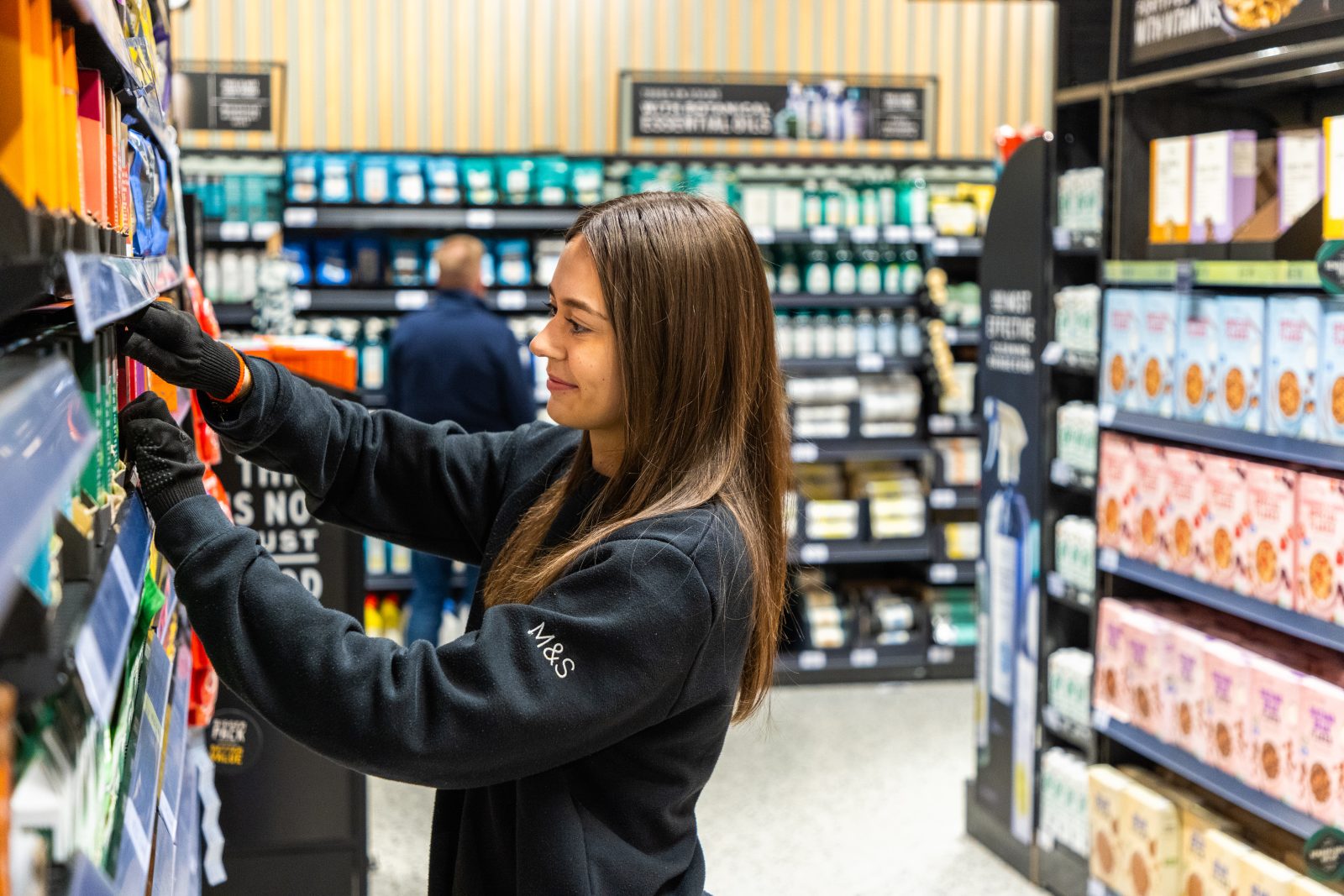
Image: Supplied
New recruits will be tasked with helping M&S deliver a ‘brilliant’ service for customers.
Stores with vacancies span the whole of Leeds - including city centre, Moortown, Crown Point, White Rose Shopping Centre and Pudsey.
M&S says the roles are ‘fast-moving and hands-on’, with colleagues required to work together to make sure customers still get the very best of M&S, even at its busiest.
The roles will pay £13.41 per hour, with successful applicants receiving the training, tools and support needed to get up to speed quickly.
“We can’t wait to welcome over 300 new colleagues to our store teams here in Greater Manchester,” commented Zeba Khan, who is the Regional Manager at M&S.
“As we get ready for our busiest time of year, it’s a great opportunity to join us and help bring a magical M&S Christmas to our customers.
“We have a range of opportunities available, whether joining our city centre flagship or our fresh market-style foodhalls. We’re looking for colleagues who are passionate about delivering great customer service and being part of a team.”
Fancy it then? Applications are now open, and you can find out more and apply on the M&S Christmas careers page here.

 Sophie Smith -
10th March 2023
Sophie Smith -
10th March 2023