Iceland have made the decision to ditch its Christmas advert this year to "supportcustomers" through the cost of living crisis.
It’s that time of year once more… the retail Christmas adverts are being released thick and fast.
So far already this year, ASDA, M&S, and Aldi are among the major retailers that have released some seriously headline-grabbing – an occasionally controversial – TV ads, and, of course, John Lewis has had Brits talking about its 2023 offering like the annual event it is.
But Iceland has decided not to join the unofficial competition this year, and instead, has taken a bit of a different approach.
Rather than spend millions creating and sharing a TV ad, we chose to invest the money supporting our customers during the cost-of-living crisis. No-brainer. #DoingItRighthttps://t.co/a02tYmcaSD
With the rising cost of living crisis sadly continuing to make its impact felt nationwide, and thousands of families once again struggling to cover all the expenses that come along with the festive season, the supermarket has decided to take the route of “supporting customers” over investing in a promotional Christmas campaign this year.
Iceland’s executive chairman Richard Walker called the decision to ditch the advert a “no brainer”.“
As a business we were faced with a decision,” he said in a statement to Grocery Gazette, “Do we spend millions creating and sharing a TV advert or do we invest the money supporting our customers during the cost of living crisis?
“This was a no brainer for us. I am grateful that as a family-run company, we can make the decisions we believe are right for our business and our customers.”
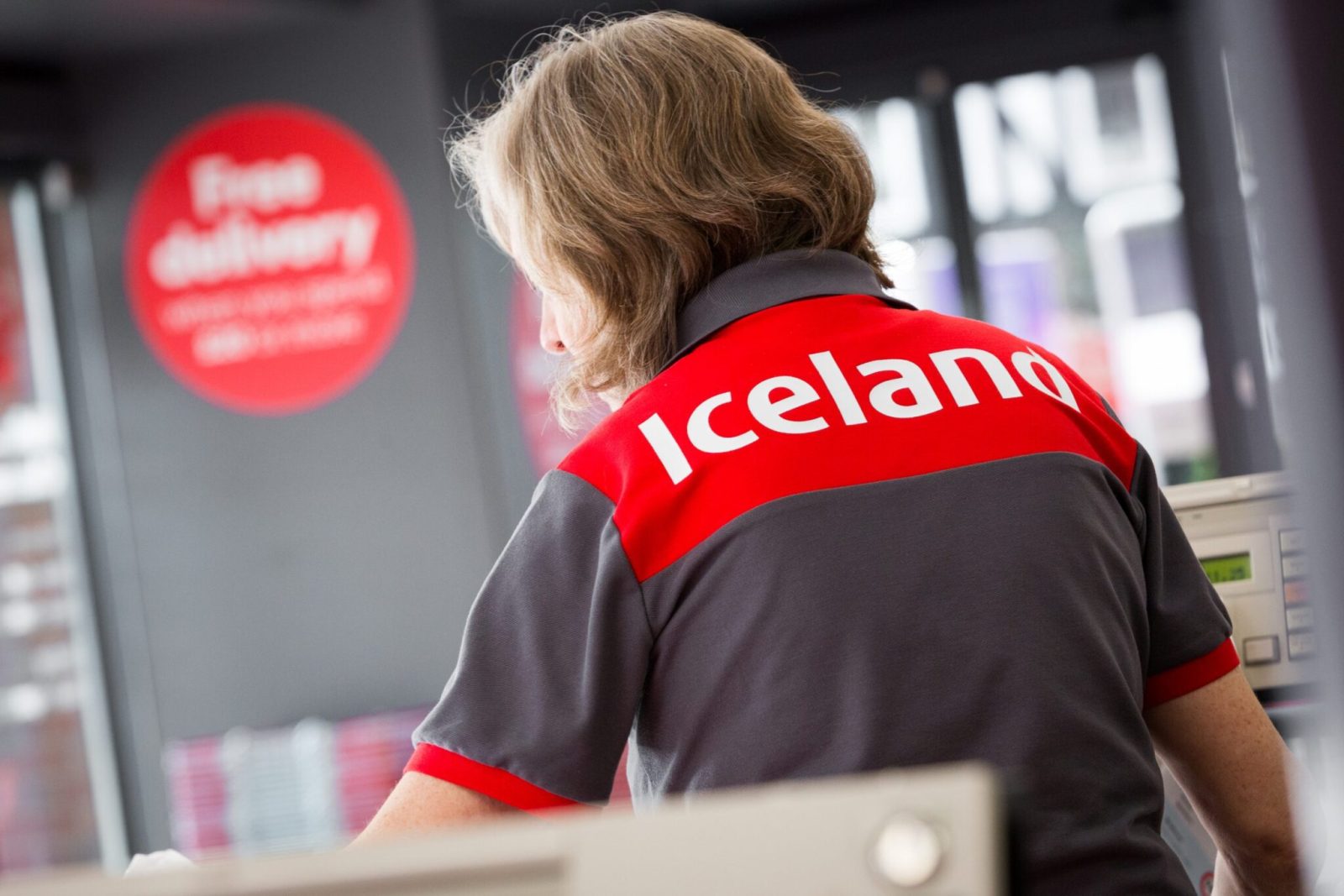
Image: Iceland
Walker said that the supermarket has chosen to invest in “keeping prices low” for customers instead, through initiatives such as its Christmas Bonus Cards Saving scheme – which gives shoppers £15 back when they top up £100 – as well as deals such as a turkey roast dinner bundle for up to 10 people for just £30.
The frozen food retailer has also notably slashed prices on over 1,000 household staples, and has expanded its £1 value range too.
Iceland has been met with praise for its decisions this festive season, with many taking to social media to share their reaction’s to Mr Walker’s announcement.
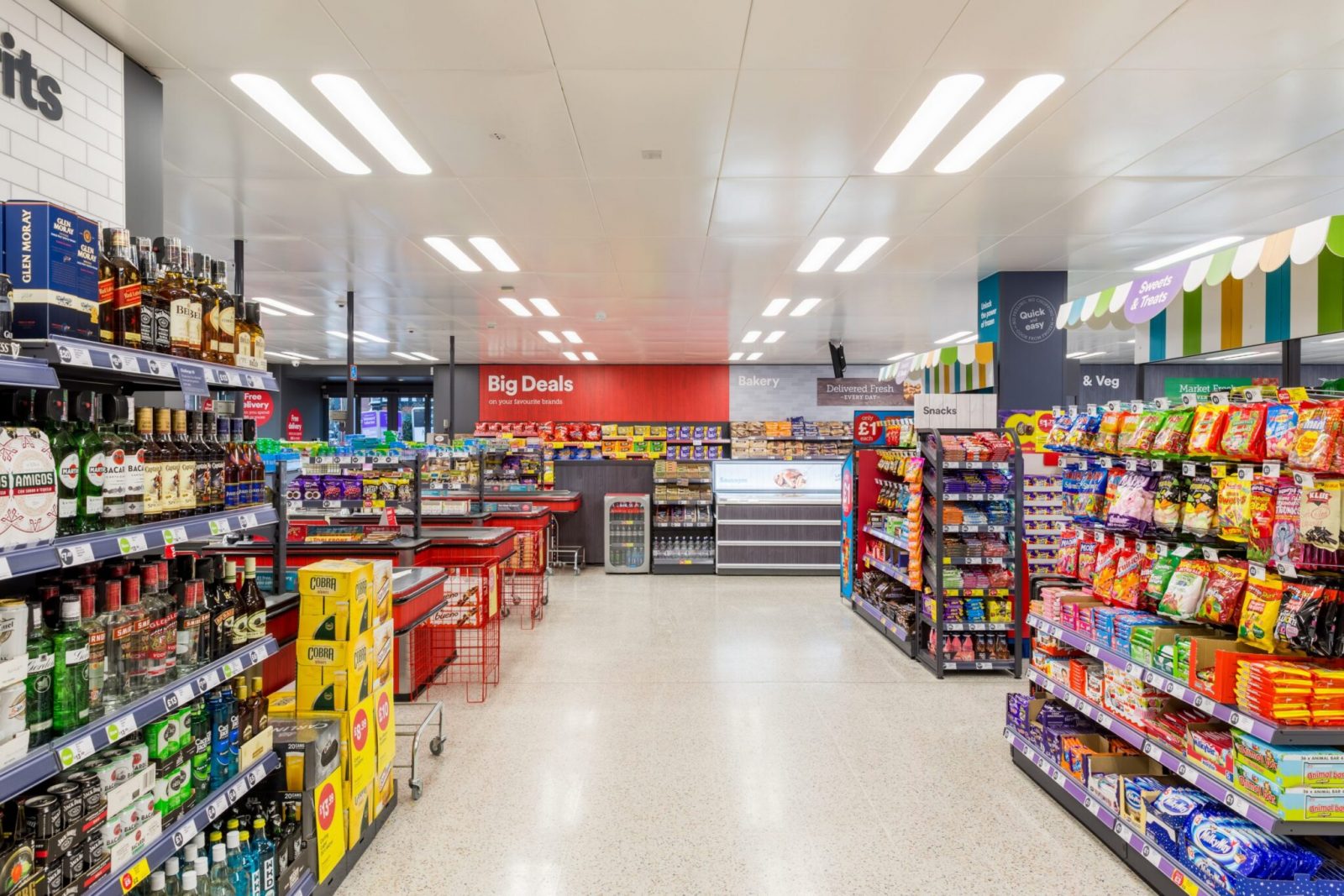
Image: Iceland
One customer wrote on X: “At last someone who has the right values and puts his money to doing good … We need more doing the same”, while another called it “brave and brilliant”, adding: “The Christmas ads must cost an absolute fortune, so to pass the savings on to your customers is the right thing to do. Well done Iceland.”
“Definitely the right approach,” another satisfied shopper wrote.
“Personally, I’m less likely to shop somewhere that can waste millions on glossy adverts. I prefer to buy from independents and I’ve also started shopping at Iceland because I believe in your ethos”.
Another shopper commented: “I love Iceland. Instead of “can I interest you in these products” at checkout to entice further purchases, they instead ask “can I interest you in purchasing these for your local food bank.”
“It’s a lovely gesture from a fantastic community centric supermarket.”
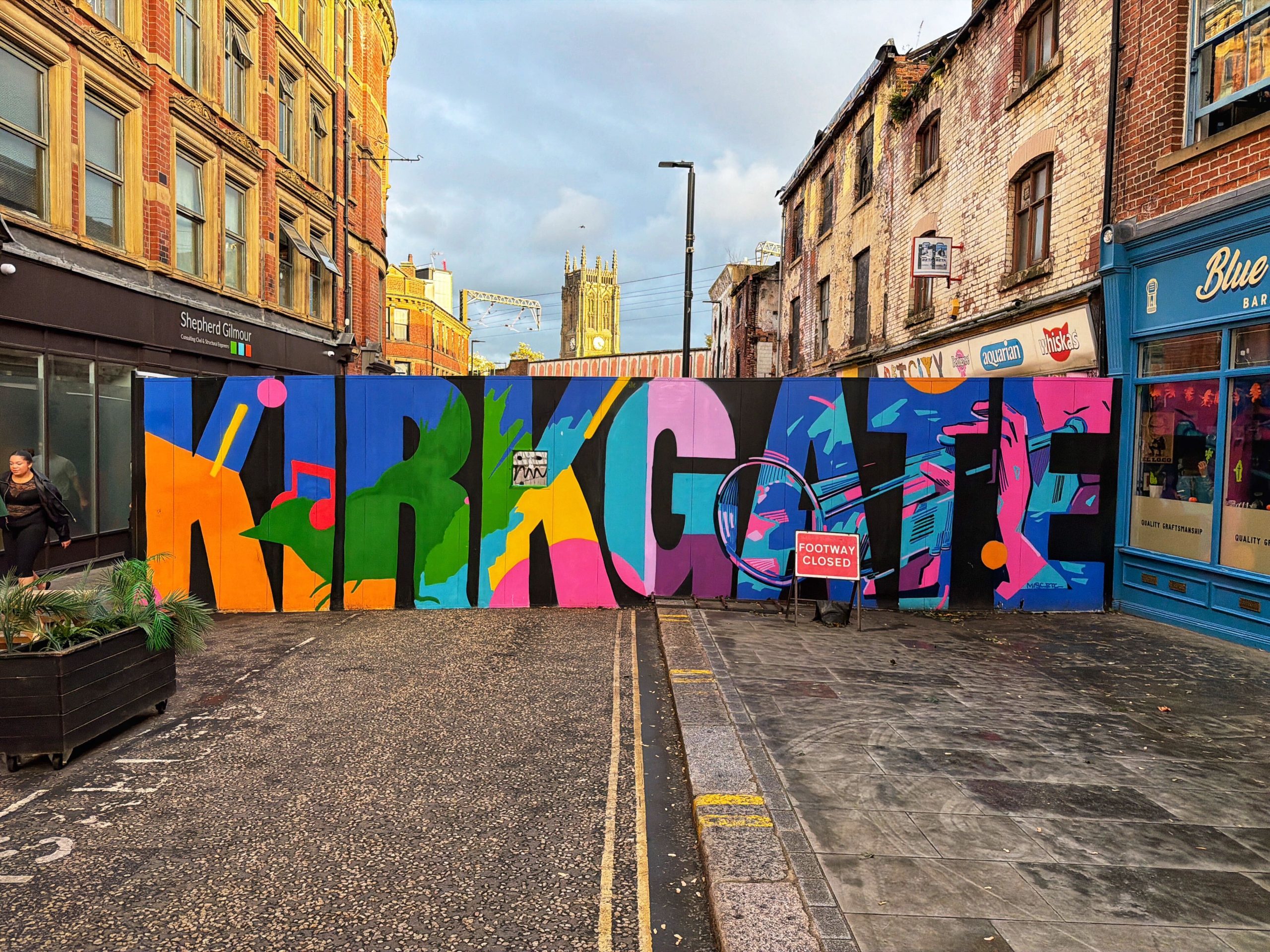
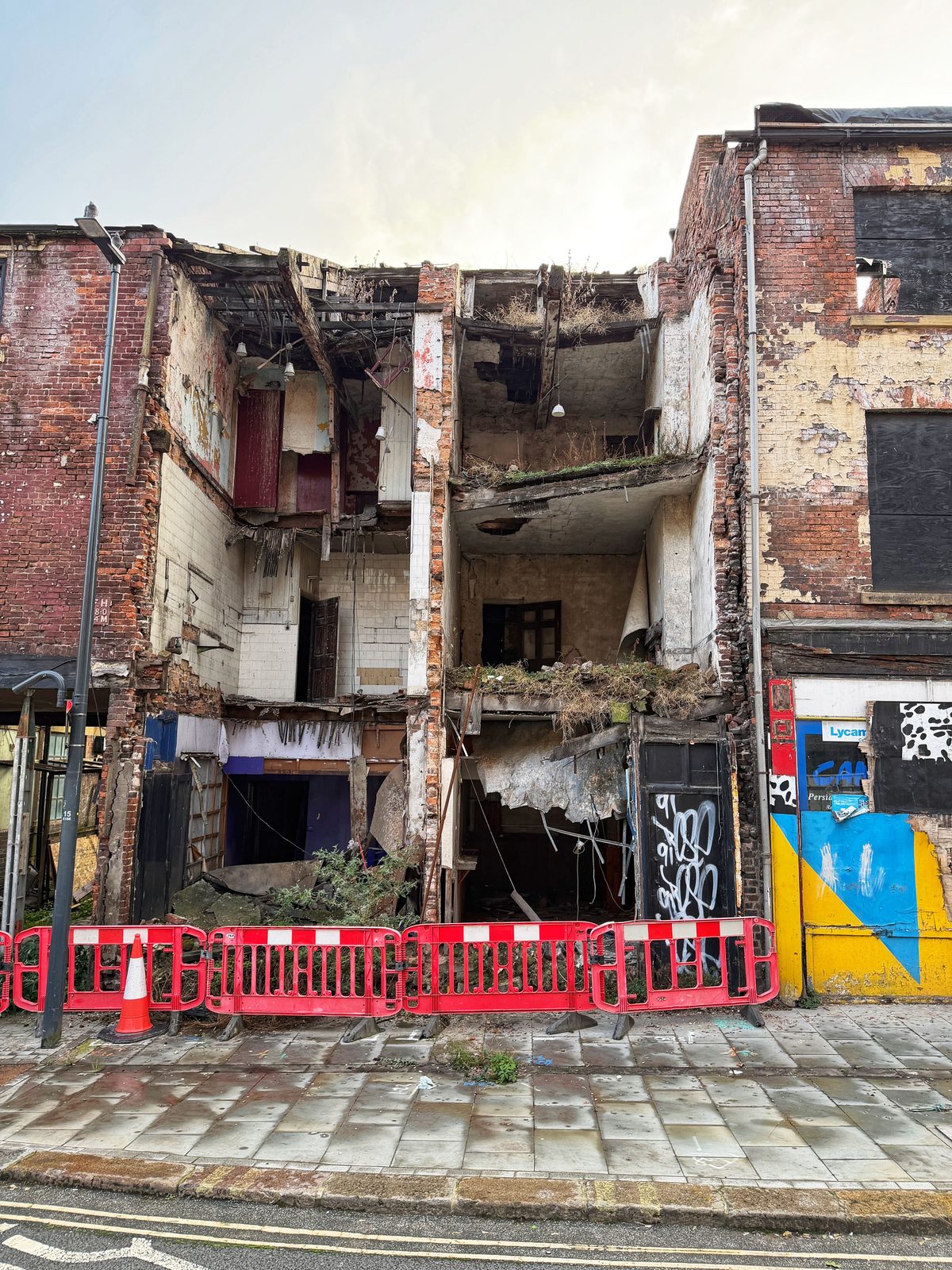
Leeds City Council has confirmed that work to stabilise buildings on Lower Kirkgate is set to begin later this month, with repairs expected to take around 20 weeks to complete.
Back in 2024, Lower Kirkgate in Leeds city centre was closed following the partial collapse of a building, leaving one of the city's oldest streets inaccessible.
Since then, the street has remained closed while plans were developed to address the structural issues affecting the buildings.
Now, almost two years after the initial incident, the council has confirmed that a contractor has been appointed to carry out the work.
The buildings are privately owned, but Leeds City Council says it will step in to carry out the stabilisation work to prevent further deterioration and protect the historic properties.
Image: The Hoot Leeds
A spokesperson for Leeds City Council said: “We are pleased that, following months of careful planning and preparation, we are now in a position to begin stabilising these privately owned buildings.
“A contract has been awarded for the work, which is scheduled to get under way later this month and is expected to take around 20 weeks to complete.
“It should be stressed that the situation on Lower Kirkgate is not of the council's making, with the owners of the buildings allowing their condition to deteriorate over many years and then failing to take the necessary steps to address the resultant structural issues.
“By stepping in and carrying out this work itself, the council will be able to arrest the deterioration of important heritage assets on one of Leeds’s oldest streets. As always, we thank the local community for their continued patience and support.”
Further details about the work, including when the street may be able to reopen, have not yet been confirmed.
End of an era as Harvey Nichols is leaving Leeds after 30 years on Briggate
Clementine Hall
It's time to say goodbye to one of Leeds' most recognisable shops.
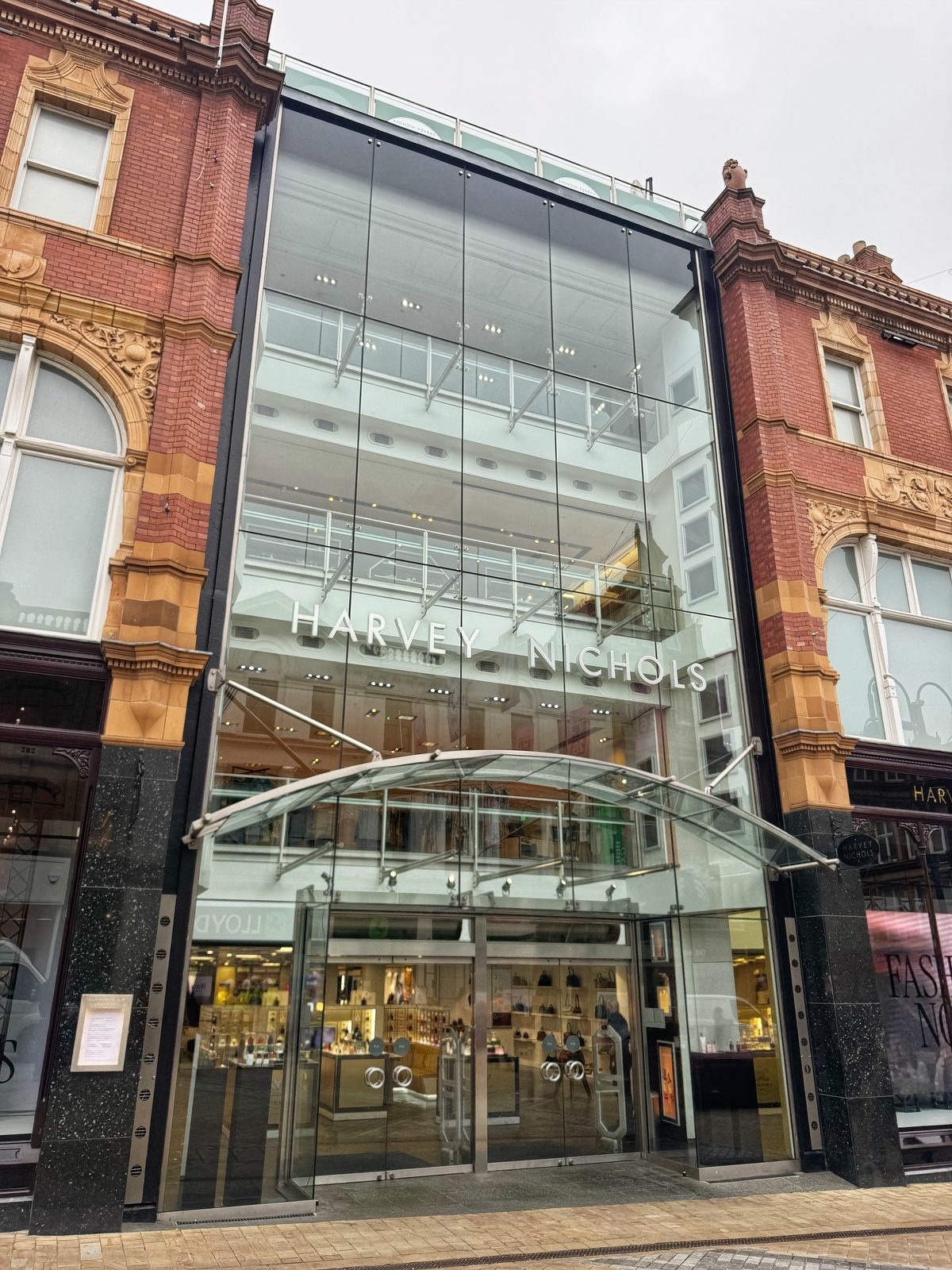
One of Leeds’ most iconic shops is set to undergo a major makeover - as Harvey Nichols is reportedly leaving Briggate after three decades.
The luxury department store has been a staple in the heart of Leeds since 1996, but its days under the famous Harvey Nichols name are coming to an end.
It has been reported that the store is set to become a Flannels, following the takeover of Harvey Nichols by Frasers Group earlier this year.
The brand was bought by Frasers Group after the luxury retailer entered administration in August.
At the time, Frasers said the business had faced “sustained trading and operational challenges” and that significant restructuring would be needed.
Now, Frasers boss Michael Murray has confirmed that Leeds and Bristol are the two stores set to lose the Harvey Nichols name and become Flannels.
Murray has said the group plans to invest in its Manchester store, while the future of the Knightsbridge flagship in London is also being considered.
Image: The Hoot Leeds
For Leeds, though, it means saying goodbye to a name that has been part of the city for almost 30 years.
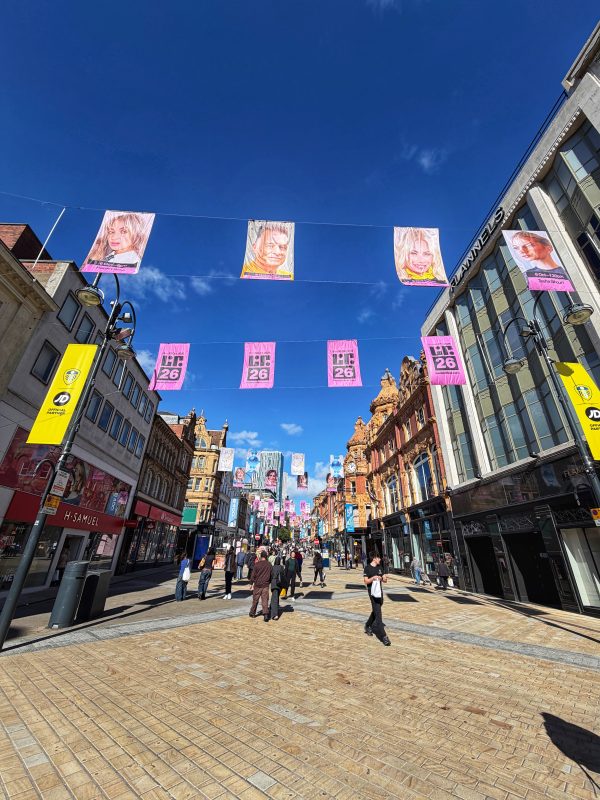
And with another Flannels already sitting just a stone’s throw away, there are plenty of questions about what the change will mean for the city's already luxury-heavy retail offering.
Whether you've dined in the beautiful Fourth Floor Brasserie restaurant or enjoyed browsing the beauty hall over the years, we all have our own memories of Harvey Nichols and there's no doubt it will be missed.
For now, there’s no confirmed date for exactly when the Harvey Nichols name will leave Leeds but we will keep you updated.

 Emily Sergeant -
15th November 2023
Emily Sergeant -
15th November 2023