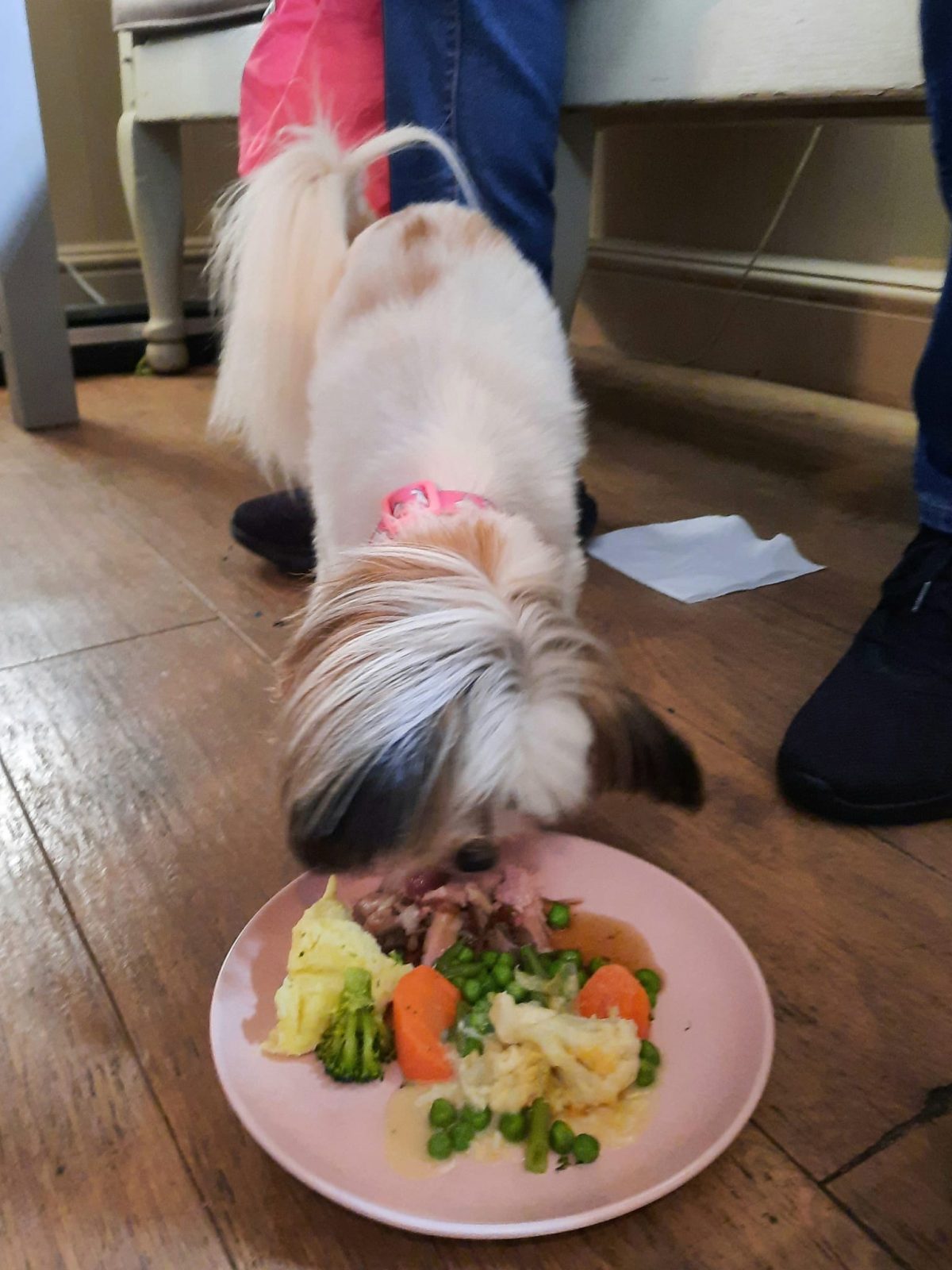
It only costs £1.50 and all proceeds go to charity.
If you’ve ever felt guilty for taking your dog out for a walk and a Sunday roast and not giving in to those longing eyes as they drool over your slabs of meat and veggies pouring over your plate, we’ve found the perfect solution for you.
Most country pubs will allow well-behaved dogs inside their doors, or at least provide plenty of outdoor seating for passers by to use at their leisure, but this pub goes a step further every Sunday and promises to treat your four-legged friend with great service and a meaty treat.
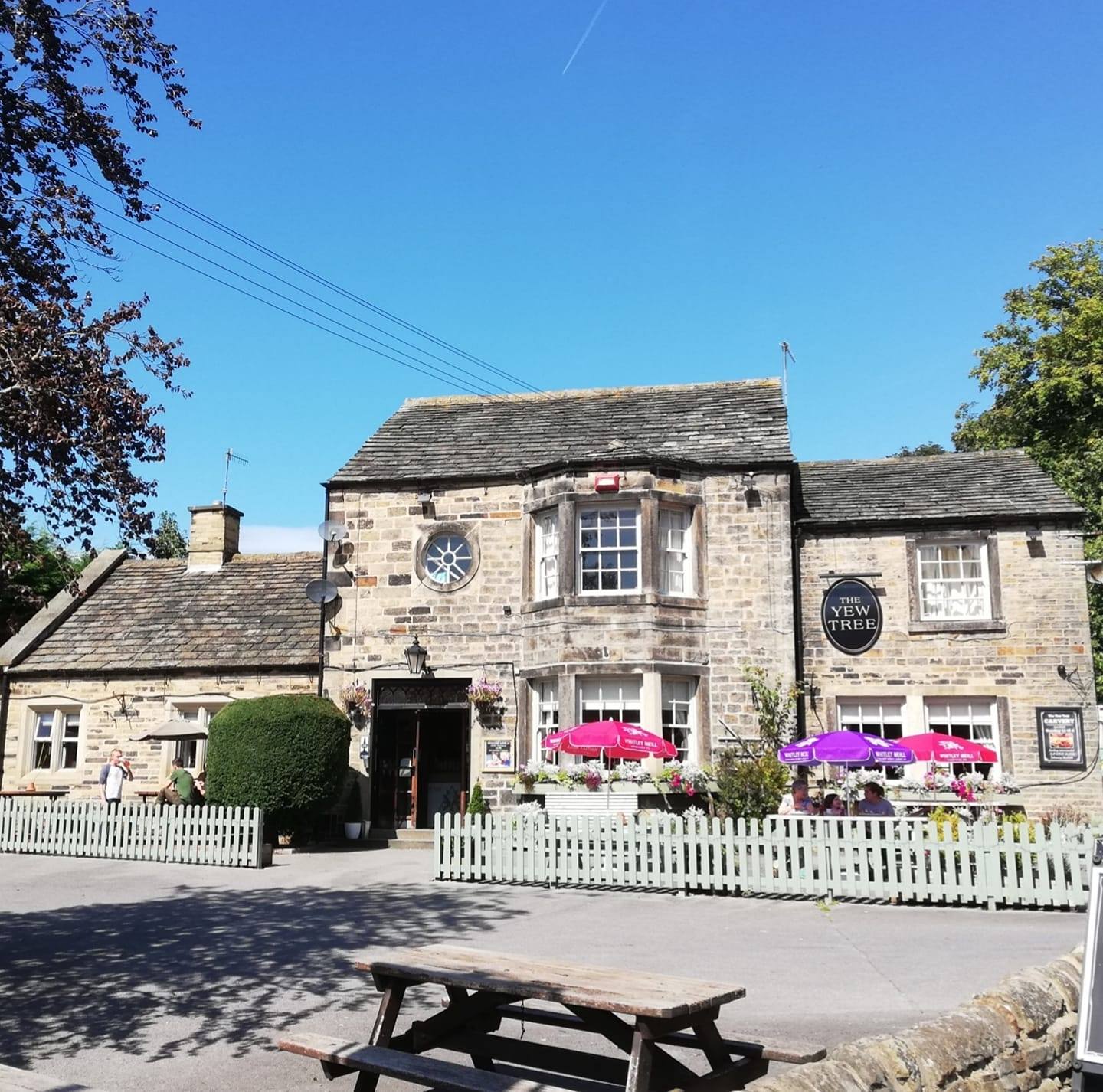
Image: Yew Tree Otley
The Yew Tree Inn in Otley is one of the most dog-friendly pubs in and around Leeds, there's a roaring fire for them to warm up by as you down your weekend pint and there's plenty of space underneath the tables for even the largest of dogs to lie down and nap.
Now, adding to their dog-friendly amenities, the pubs is offering a mini Sunday roast that's perfect for your companion.
The Yew Tree Inn announced their 'doggy carvery' option on Facebook, stating:
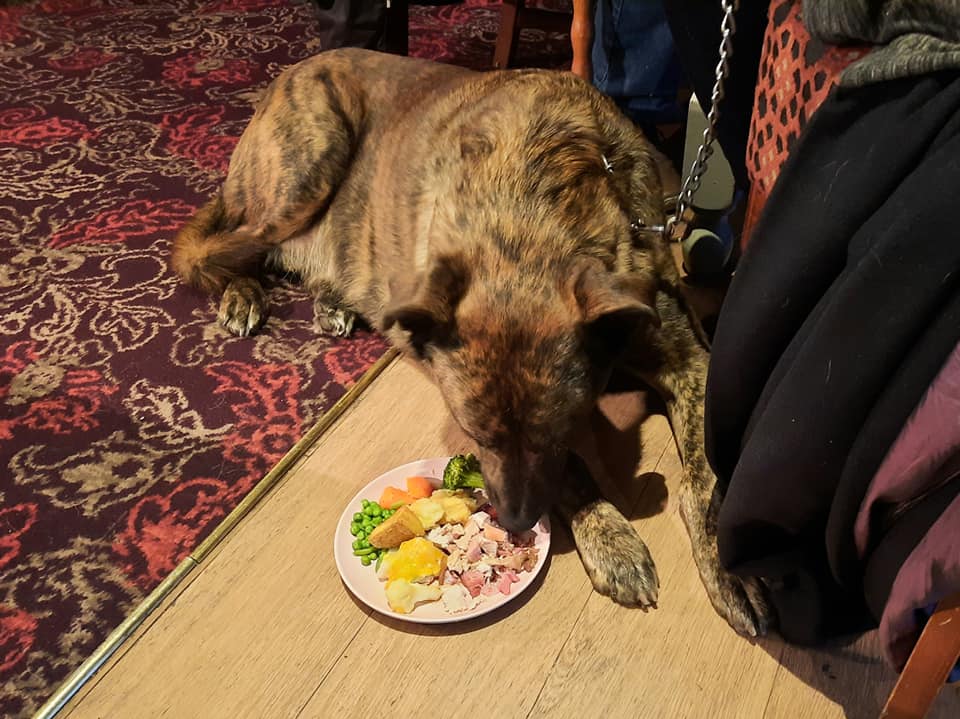
"As massive dog lovers we are excited to announce our new DOGGY CARVERIES!!!! Served every Sunday from 12pm til 4pm alongside human carveries!!! Just £1.50 per dog for meat scraps, healthy veggies and a little gravy! (All proceeds donated to Moorview Rescue)."
The options has since been a sell-out, and humans and pups alike have flocked to the popular pub on the weekends for a much-needed Sunday roast for two.
Spoil your dog with a full human-sized plate of veggies, spuds and assorted meats- you just know they're going to love it.
Best of all, you don't have to fork out the human rate for these doggy portions. Each plate costs just £1.50 and all proceeds are going to be donated to Moorview Rescue, a local charity that helps neglected, mistreated and unwanted dogs to find their forever homes.
For more information, including how to book your dog a carvery of their own, visit the Yew Tree Inn Facebook Page.
Feature Image- Yew Tree Otley
News
Leeds City Council granted £1.6m to tackle rough sleeping by Christmas
A £1.6m grant has been given by the government to Leeds City Council to help tackle rough sleeping.
The funding has been allocated to Leeds City Council as part of the Government’s national Rough Sleeping Programme.
The overall target is to help rough sleepovers off the streets by Christmas through providing safe accommodation.
The council have said that voluntary organisations and charities will be able to help them reach this target.
The council report said: "This funding will be used for immediate interventions to ensure all those rough sleeping have an offer of accommodation by Christmas and support longer term sustainment of accommodation.
“The initial target is to provide a suitable offer of accommodation for everyone who is rough sleeping by Christmas 2026.
“Providing a path into supported accommodation and independent living is the key objective and sustaining this independent living with, where necessary, ongoing support to prevent any return to rough sleeping and homelessness.”
The government announcement spoke of the scheme: "The programme is intended to support people experiencing rough sleeping.
"People experiencing rough sleeping may have differing entitlements to housing and support depending on their individual circumstances, including their immigration status and eligibility for public funds."
The funding is intended to help provide immediate support for people currently sleeping on the streets, while also helping them access longer-term accommodation and the support needed to maintain independent living.
By working with local charities and voluntary organisations, the council hopes to ensure people are not only offered a place to stay but are also given the help they need to avoid returning to the streets.
M&S launches massive recruitment drive in Leeds with hundreds of jobs available
Emily Sergeant
M&S has launched a massive recruitment drive across Yorkshire.
With the festive season fast approaching, and most British stores having already unveiled their Christmas ranges for 2026, one of the country’s largest brands has launched a massive UK-wide seasonal recruitment drives to gear up for what is always one of the busiest times of the year for the retail industry.
M&S has announced it will recruit for plenty of new colleagues across the UK.
As mentioned Christmas is one of the busiest moments of the year for M&S, and seasonal colleagues play a ‘vital’ part in delivering that.
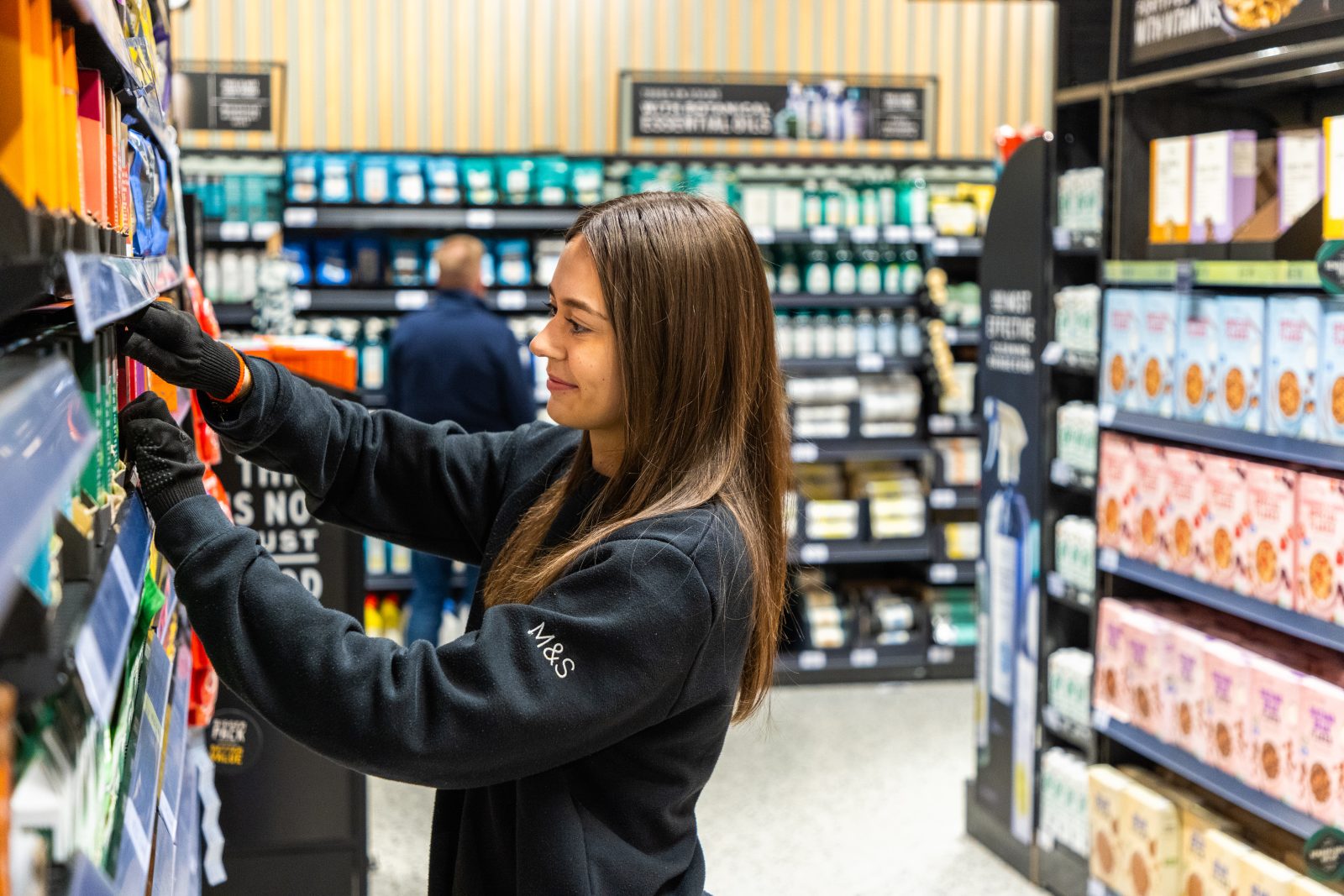
Image: Supplied
New recruits will be tasked with helping M&S deliver a ‘brilliant’ service for customers.
Stores with vacancies span the whole of Leeds - including city centre, Moortown, Crown Point, White Rose Shopping Centre and Pudsey.
M&S says the roles are ‘fast-moving and hands-on’, with colleagues required to work together to make sure customers still get the very best of M&S, even at its busiest.
The roles will pay £13.41 per hour, with successful applicants receiving the training, tools and support needed to get up to speed quickly.
“We can’t wait to welcome over 300 new colleagues to our store teams here in Greater Manchester,” commented Zeba Khan, who is the Regional Manager at M&S.
“As we get ready for our busiest time of year, it’s a great opportunity to join us and help bring a magical M&S Christmas to our customers.
“We have a range of opportunities available, whether joining our city centre flagship or our fresh market-style foodhalls. We’re looking for colleagues who are passionate about delivering great customer service and being part of a team.”
Fancy it then? Applications are now open, and you can find out more and apply on the M&S Christmas careers page here.

 Sophie Smith -
10th February 2022
Sophie Smith -
10th February 2022