We'll be needing each and every one of these tips today.
With temperatures set to break the highest on record in the UK in Leeds today, reaching 39 degrees and a scorching 41 across Yorkshire, if there was ever a time to be preparing your home to stay cool, this would be it.
Those who have spent time abroad where temperatures like this are more frequent are experts in keeping their homes as cool as possible, so overseas property experts from YourOverseasHome.com have compiled a list of ten ways that we can keep ourselves and our homes from melting in the heat.
Keep reading to find out what they recommend you change in your home to keep cool over the coming days.
It might seem counterintuitive, but if the air outside is hotter than the air in your home, keeping your windows closed could help your home stay a little cooler.
Keep curtains and blinds closed
Much of the sunlight that enters your home through the windows turns into heat, so it’s a good idea to keep your curtains and blinds closed, at least during the hottest times of the day. You may even want to opt for blackout curtains to keep windows covered and block the sunlight out completely.
Manage the humidity
While dehumidifiers won’t necessarily reduce room temperature, they can help control the sticky, thick air that makes hot days even more uncomfortable. Humidity decreases the rate at which our sweat evaporates, making us feel much hotter and sweatier, so investing in a dehumidifier can make your home a bit more comfortable during the hottest and most humid days.
Use large appliances at night
Large appliances can give off significant amounts of heat, so try not to use them on the hottest days if possible. Instead, pop washing machines and dishwashers on overnight instead. This will also help save some money on electricity bills - it’s a win-win scenario!
If you spend most of your time in one room, consider closing the doors to the rooms you don’t use as often - like bedrooms and bathrooms. Closing off parts of the house can help keep the cooler air concentrated in a single area, and means the room you’re using the most will cool down faster - and stay cool.
Swap out incandescent lights
Incandescent light bulbs waste a huge amount of their energy in the heat they emit, so if you’re trying to cool a room down without AC, small shifts like switching to compact fluorescent lamps can have a surprisingly significant impact, while also lowering your energy bill.
Consider fan placement
Fans only keep air moving around, rather than actually cooling the air itself, so make sure you’re setting them up in the best locations. It’s best to place them next to open windows at night or in hallways so that they draw in cooler air to the warmer areas.
Image: Unsplash
Opt for cotton sheets
Textiles like flannel sheets and fleece blankets are fantastic for insulation, but cotton is a far smarter choice at this time of year as it ‘breathes’ easier and stays cooler. If you really want to up the ante, pop your sheets in a carrier bag in the fridge an hour or two before you go to bed, so that they’re nice and cool for you to sleep on.
Keep your extractor fans running
Turning on the extractor fans in your bathroom and kitchen can help pull the hot air that rises after you cook or take a steamy shower out of your home.
Unplug any electrical appliances that you’re not using
Plugged in electronics generate heat even when they’re off or not in use, which can make an already hot home even hotter. Unplug things like toasters, kettles, TVs and device chargers when you’re not using them.
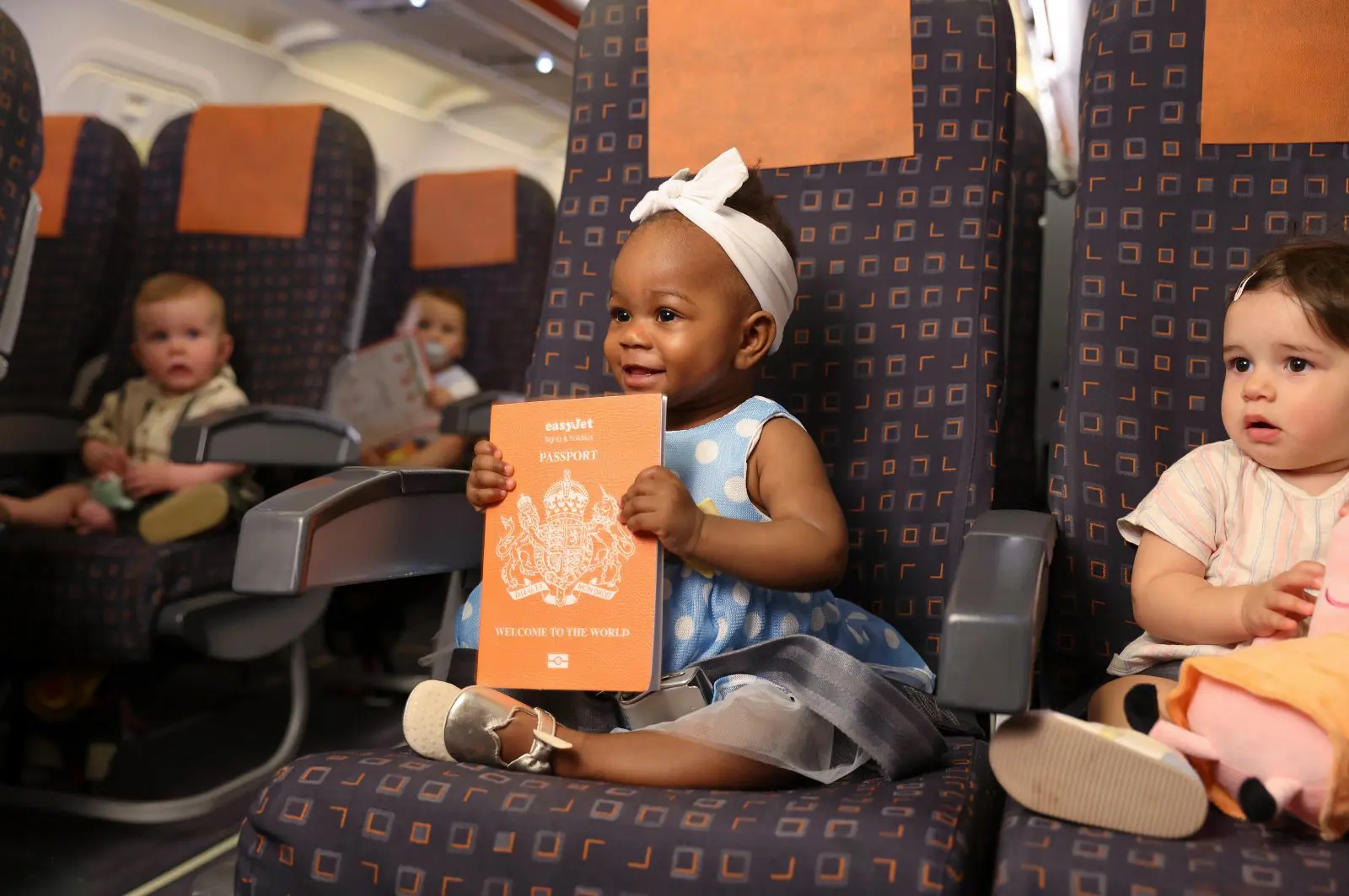
EasyJet has announced a new scheme where the airline will cover the cost of a baby’s first passport, allowing young families to take those memorable first holidays.
The company has announced that it will pay for a child’s passport (£66.50) when parents book an EasyJet holiday, making it a little easier to start those travel adventures sooner.
Research conducted by the airline and easyJet Holidays has found that 75% of parents agree the move would make a holiday with a baby feel a bit more affordable.
Their surveys also found that four in five parents believe a baby’s first holiday is a landmark family moment, and more than half called it one of their proudest parenting milestones.
But parents also said that they needed an average of four attempts to get an approved passport photo of their baby (have you tried making a newborn follow instructions…?).
easyJet holidays has reported – even this early in the year – a 10% increase in infants travelling this year compared to 2025.
And now, the thought of a holiday with your newborn is more tempting than ever, with the offer to get a free passport for your baby from easyJet.
To claim it, and save £66.50, you can use the code FIRSTPASSPORT until 26 November – find out more HERE.
easyJet Captain Kate West, said: “We carry millions of families across Europe every year, and we know that travelling with a baby brings a whole series of exciting firsts.
“We want to make travel as easy and accessible as possible for everyone, including young families, so they can enjoy all the experiences and memories that travel can bring.
“We hope that covering the cost of a baby’s first passport goes a small way towards making that first family adventure a little easier and gives our youngest travellers a warm welcome to the world.”
Stuart Wright, Customer Director at easyJet holidays, said: “Travel has a unique way of bringing families together, and a baby’s very first holiday is often one of those moments parents remember for years to come.
“By covering the cost of a baby’s first passport, we’re helping more families start making those memories that little bit sooner.”
Leeds City Council granted £1.6m to tackle rough sleeping by Christmas
Clementine Hall
A £1.6m grant has been given by the government to Leeds City Council to help tackle rough sleeping.
The funding has been allocated to Leeds City Council as part of the Government’s national Rough Sleeping Programme.
The overall target is to help rough sleepovers off the streets by Christmas through providing safe accommodation.
The council have said that voluntary organisations and charities will be able to help them reach this target.
The council report said: "This funding will be used for immediate interventions to ensure all those rough sleeping have an offer of accommodation by Christmas and support longer term sustainment of accommodation.
“The initial target is to provide a suitable offer of accommodation for everyone who is rough sleeping by Christmas 2026.
“Providing a path into supported accommodation and independent living is the key objective and sustaining this independent living with, where necessary, ongoing support to prevent any return to rough sleeping and homelessness.”
The government announcement spoke of the scheme: "The programme is intended to support people experiencing rough sleeping.
"People experiencing rough sleeping may have differing entitlements to housing and support depending on their individual circumstances, including their immigration status and eligibility for public funds."
The funding is intended to help provide immediate support for people currently sleeping on the streets, while also helping them access longer-term accommodation and the support needed to maintain independent living.
By working with local charities and voluntary organisations, the council hopes to ensure people are not only offered a place to stay but are also given the help they need to avoid returning to the streets.

 Sophie Smith -
19th July 2022
Sophie Smith -
19th July 2022