The Corn Exchange is a local landmark that celebrates the fantastic creativity and community of Leeds with over 150 years of history behind it.
Located on Call Lane, the Grade 1 listed building first opened its doors to corn traders all the way back in 1864.
A staple of Leeds architecture, it was designed by Hull-based architect Cuthbert Broderick, who is best known for designing the Leeds Town Hall amongst other iconic buildings.
Built between 1861 and 1863, the beautiful dome design was based on The Bourse de Commerce in Paris. The structure complete with large glazed panels allowed for plenty of natural light whilst avoiding direct sunlight hitting the corn and changing it's colour.
The beautiful beamed ceiling is still something to be marvelled at today and confirms the Corn Exchange's rightful place in the iconic Leeds skyline.
Throughout the late 19th century, business flourished for the Corn Exchange. As more grain was being imported from overseas, the exchange's success set a precedent and encouraged more grain-related business to pop up in the surrounding areas.
By 1903 the space doubled as a leather trader as well as hosting regular animal shows, but the main purpose remained as selling corn.
Image: Leeds Corn Exchange
Due to a major decline in agriculture, the number of traders dramatically dropped in the 1960s and by the 1980s there were only a few traders left in the offices.
Corn trading sadly ceased in 1994 after 131 years and a lease was transferred to Arcadia to transform the exchange into a modern shopping experience.
After a number of renovations, the exchange is now a hub for independent retailers and eateries and is a Leeds landmark celebrating the fantastic community and creatives in and around the city.
The surrounding area is now filled with wide pavements, relaxing green spaces and cycle lanes as part of the Connecting Leeds Scheme. It's a beautiful corner of Leeds which showcases the building's rich history and it's impact on the city we know and love today.
Yorkshire Wildlife Park has shared an update this afternoon, after a man died in a horrifying tiger attack at the zoo yesterday.
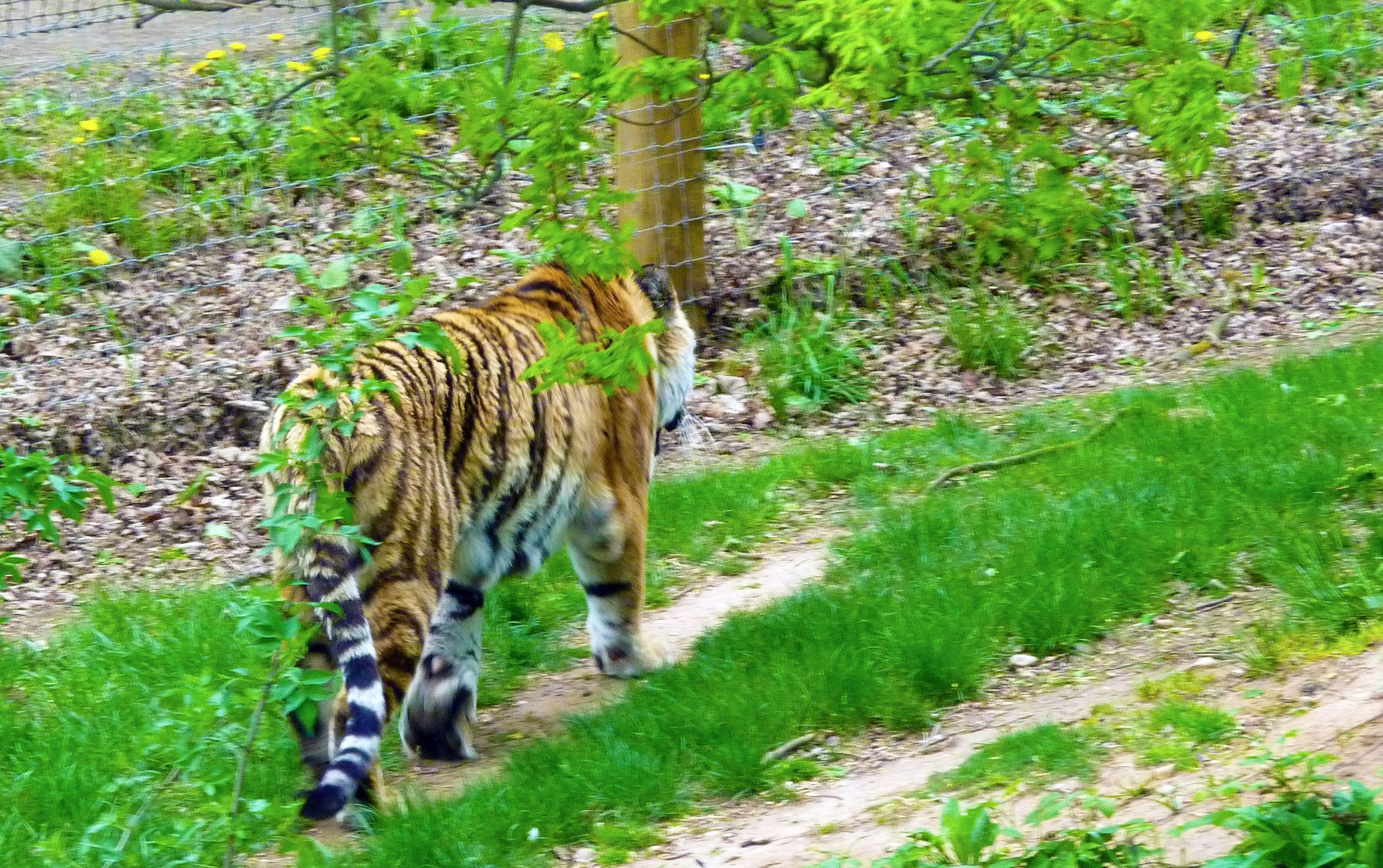
The wildlife park, which remains closed today, has informed customers of the future of the tiger involved, Altai.
Emergency services rushed to the park near Doncaster at around 1.30pm on Saturday, after reports of a man climbing into the tiger enclosure.
Tragically, the man involved in the tiger attack lost his life.
The zoo has said that its 'thoughts and heartfelt sympathies' remain with the man's family and loved ones.
They also said that its staff team have been left 'deeply affected' by the tiger attack and will be receiving specialist support.
Yorkshire Wildlife Park has now shared that Altai, the male tiger in question, is 'safe and well' and will not be euthanised as a result of the incident.
In a statement, they said: "We would like to thank everyone who has expressed their concern following yesterday's tragic incident.
"Our thoughts and heartfelt sympathies remain with the family and loved ones of the man who sadly lost his life.
"The park will be closed today while the staff team who were deeply affected by events receive specialist support.
"Many, many people have contacted us about Altai, the tiger. We can reassure everyone that he is safe and well and will not be euthanised as a result of this incident."
Leeds City Council confirms plans to repair historic Lower Kirkgate with work set to begin this month
Clementine Hall
Leeds City Council has confirmed that work to stabilise buildings on Lower Kirkgate is set to begin later this month, with repairs expected to take around 20 weeks to complete.
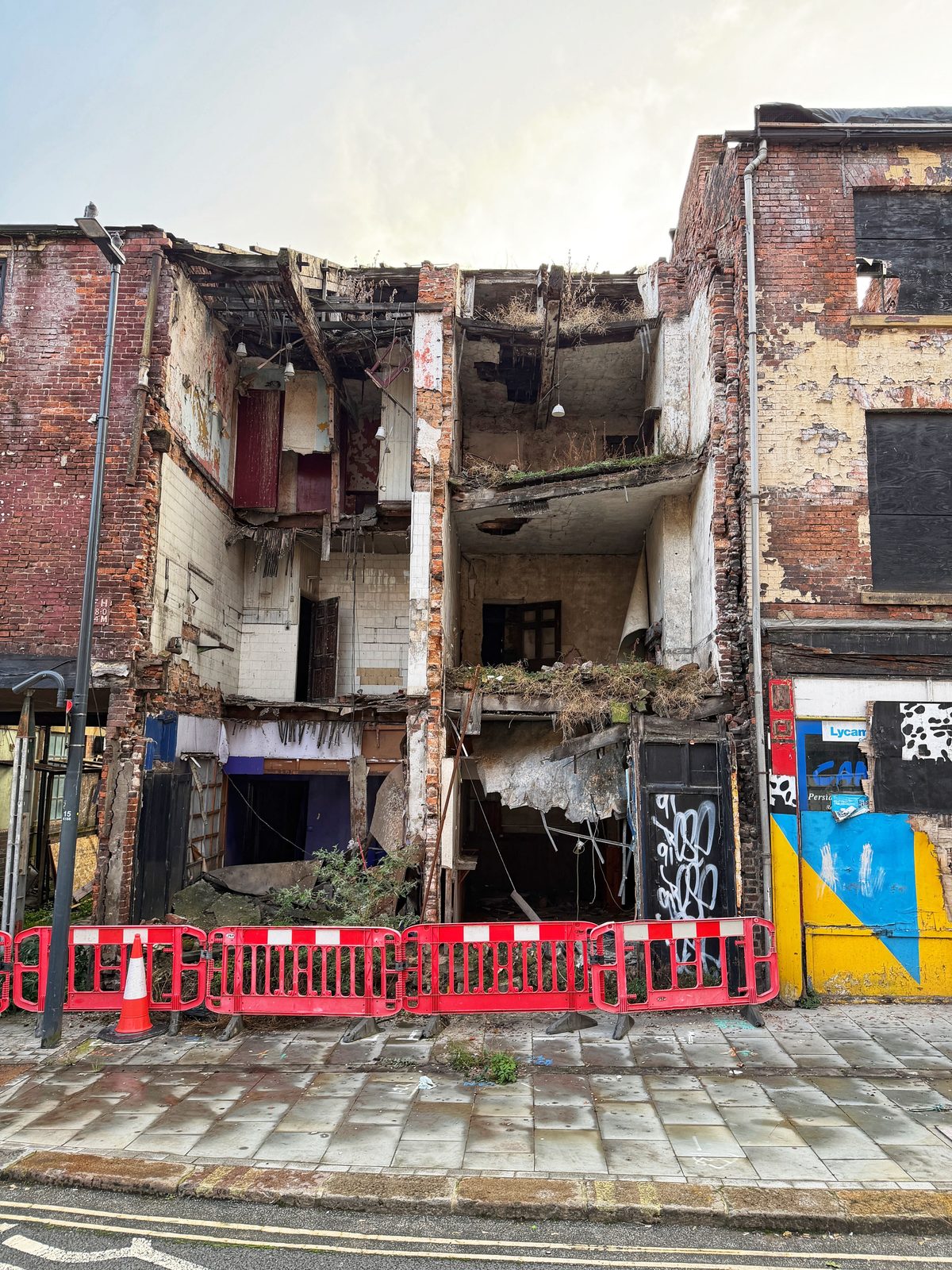
Back in 2024, Lower Kirkgate in Leeds city centre was closed following the partial collapse of a building, leaving one of the city's oldest streets inaccessible.
Since then, the street has remained closed while plans were developed to address the structural issues affecting the buildings.
Now, almost two years after the initial incident, the council has confirmed that a contractor has been appointed to carry out the work.
The buildings are privately owned, but Leeds City Council says it will step in to carry out the stabilisation work to prevent further deterioration and protect the historic properties.
Image: The Hoot Leeds
A spokesperson for Leeds City Council said: “We are pleased that, following months of careful planning and preparation, we are now in a position to begin stabilising these privately owned buildings.
“A contract has been awarded for the work, which is scheduled to get under way later this month and is expected to take around 20 weeks to complete.
“It should be stressed that the situation on Lower Kirkgate is not of the council's making, with the owners of the buildings allowing their condition to deteriorate over many years and then failing to take the necessary steps to address the resultant structural issues.
“By stepping in and carrying out this work itself, the council will be able to arrest the deterioration of important heritage assets on one of Leeds’s oldest streets. As always, we thank the local community for their continued patience and support.”
Further details about the work, including when the street may be able to reopen, have not yet been confirmed.

 Clementine Hall -
1st September 2022